 Mild cognitive impairment can sneak up on people. One day, you forget a name. Another day, you lose your place in a story you are telling. You might feel fine in most ways, yet something in your thinking feels a bit slower or heavier. Not broken. Just different. People often describe it as a fog that drifts in and out.
When that starts happening, it is easy to worry. But there is also room for hope. The brain has a surprising ability to adapt if you keep working with it. That ability is called cognitive reserve, and it plays a bigger role than most people realize.
What Cognitive Reserve Really Is
Imagine your brain has a main path it uses for thinking. When that path slows down, you want another route available. Cognitive reserve is that collection of extra routes. Your brain builds them through learning, movement, curiosity, and new challenges. It is not a quick fix. It is something that grows quietly in the background, helping you stay steady when life feels more demanding.
How Mild Cognitive Impairment Affects Everyday Life
MCI looks different from person to person. One person may lose track of time more often. Someone else might forget recent conversations or find multitasking harder. You may even notice moments of hesitation that never used to happen. These changes can feel unsettling, but they also mean your brain is ready for something new and something that wakes it up again.
How Brain Training Supports Cognitive Reserve
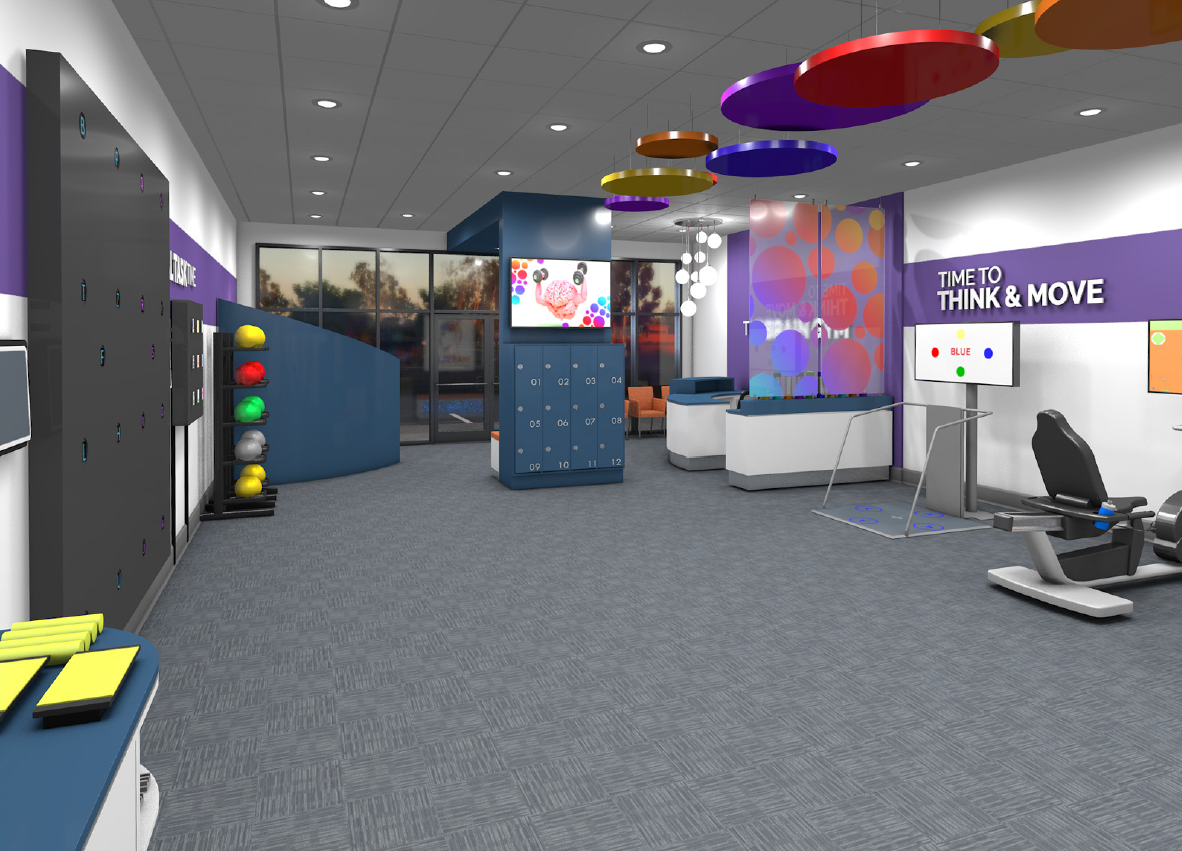
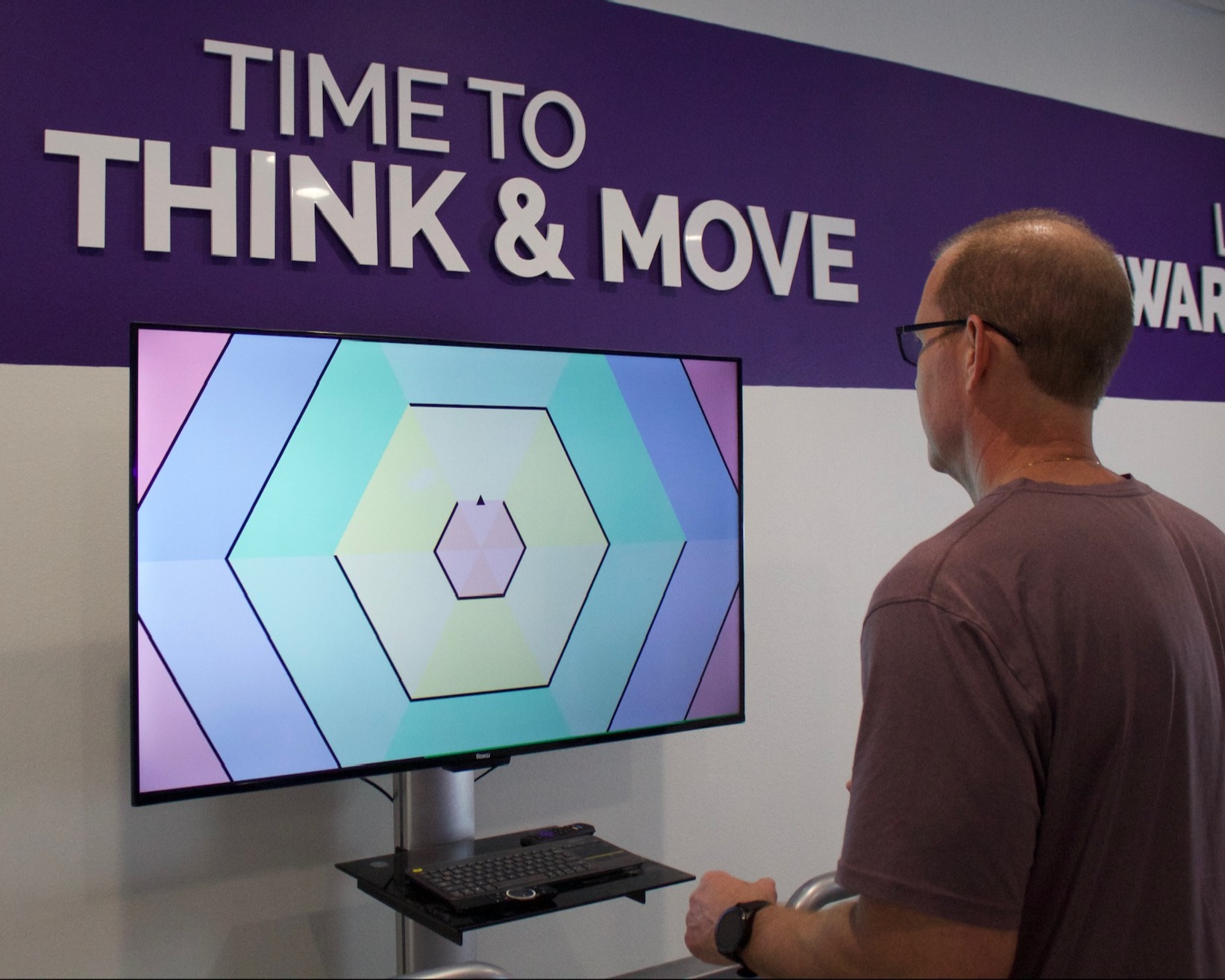
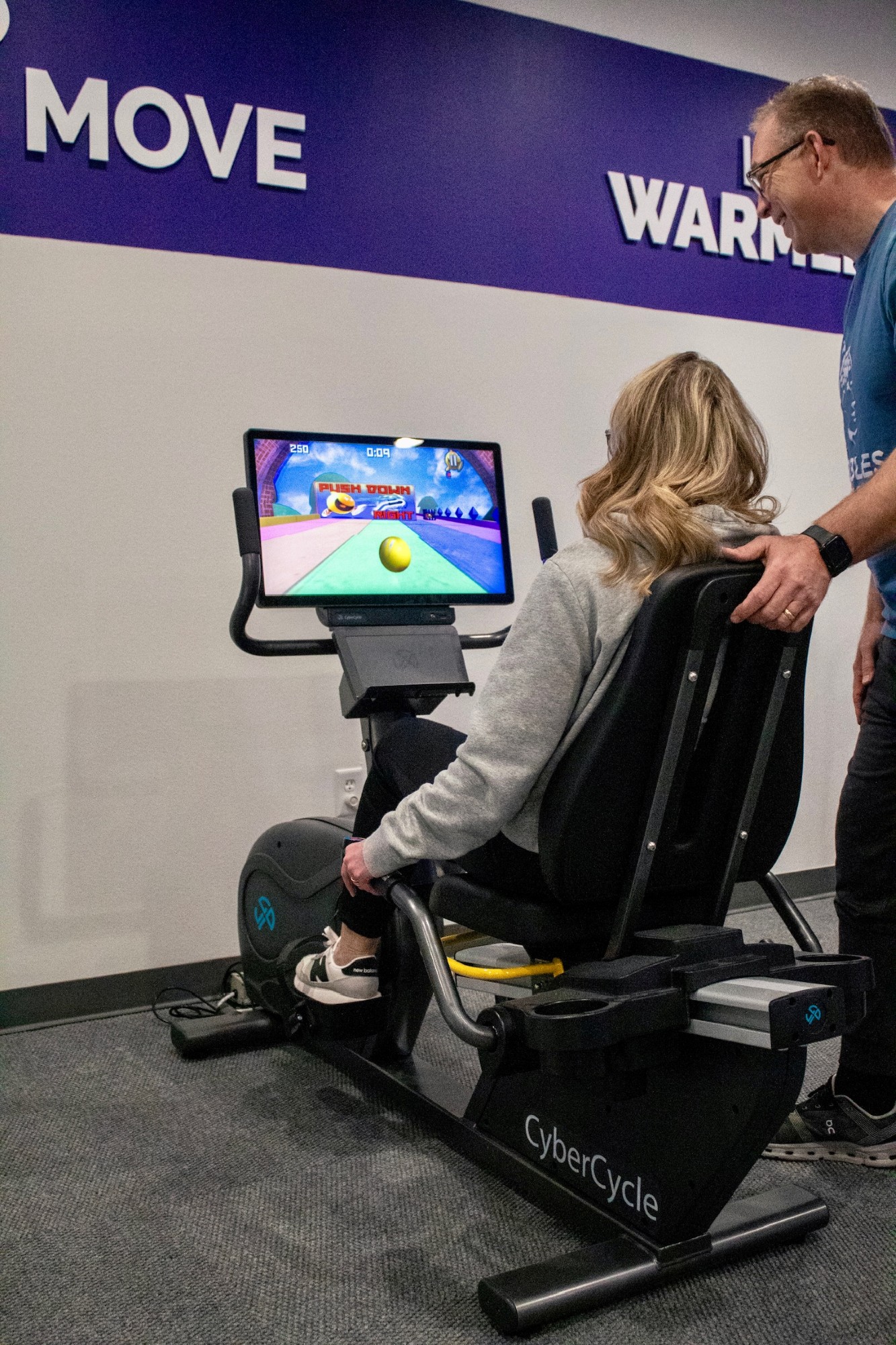
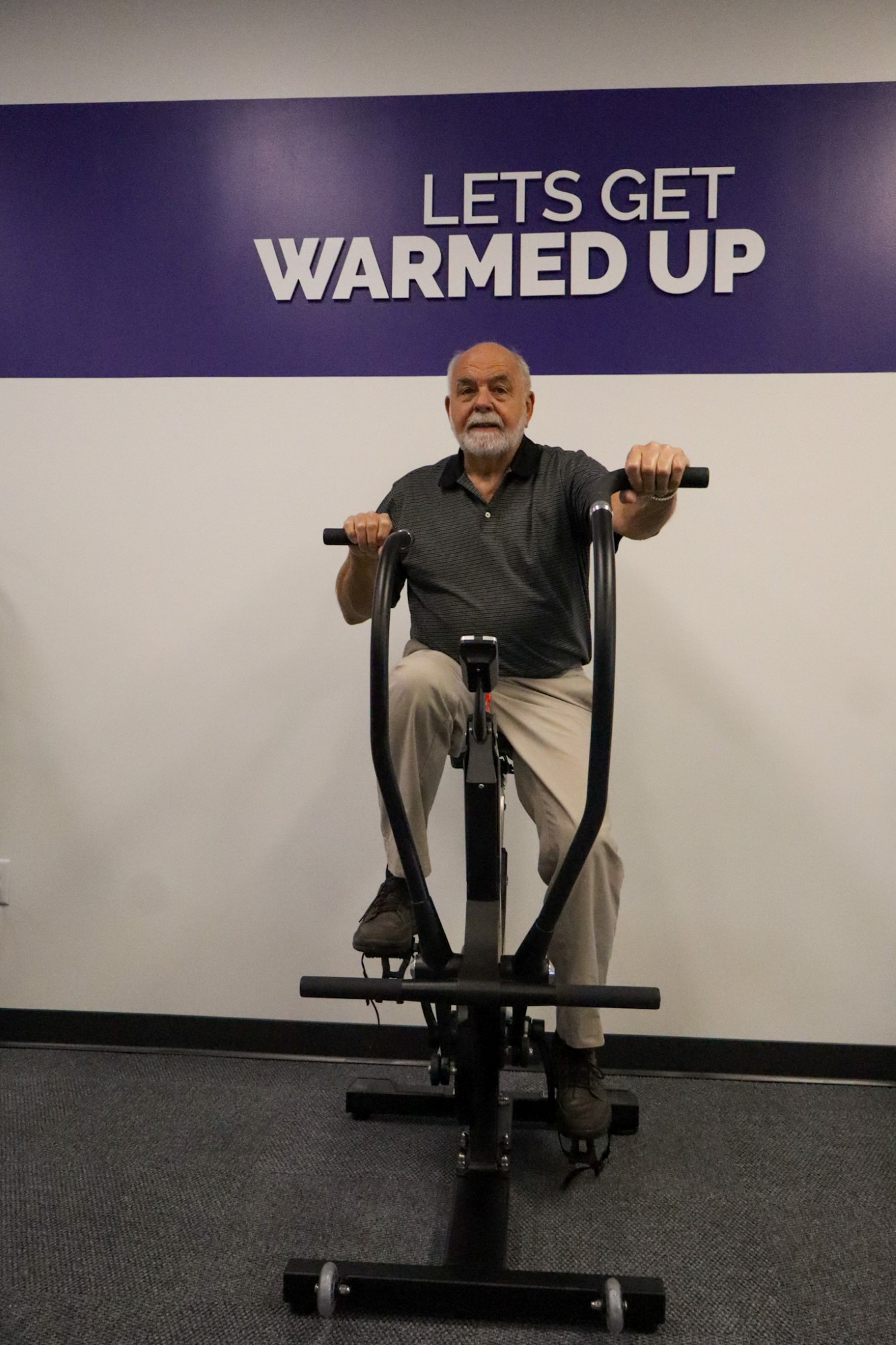
This is where brain-body training shines. At Marbles Brain Body Fitness of Fishers, IN, nothing is done sitting still for long. You move while you think. You react while you plan. You solve small challenges while your body finds its balance.
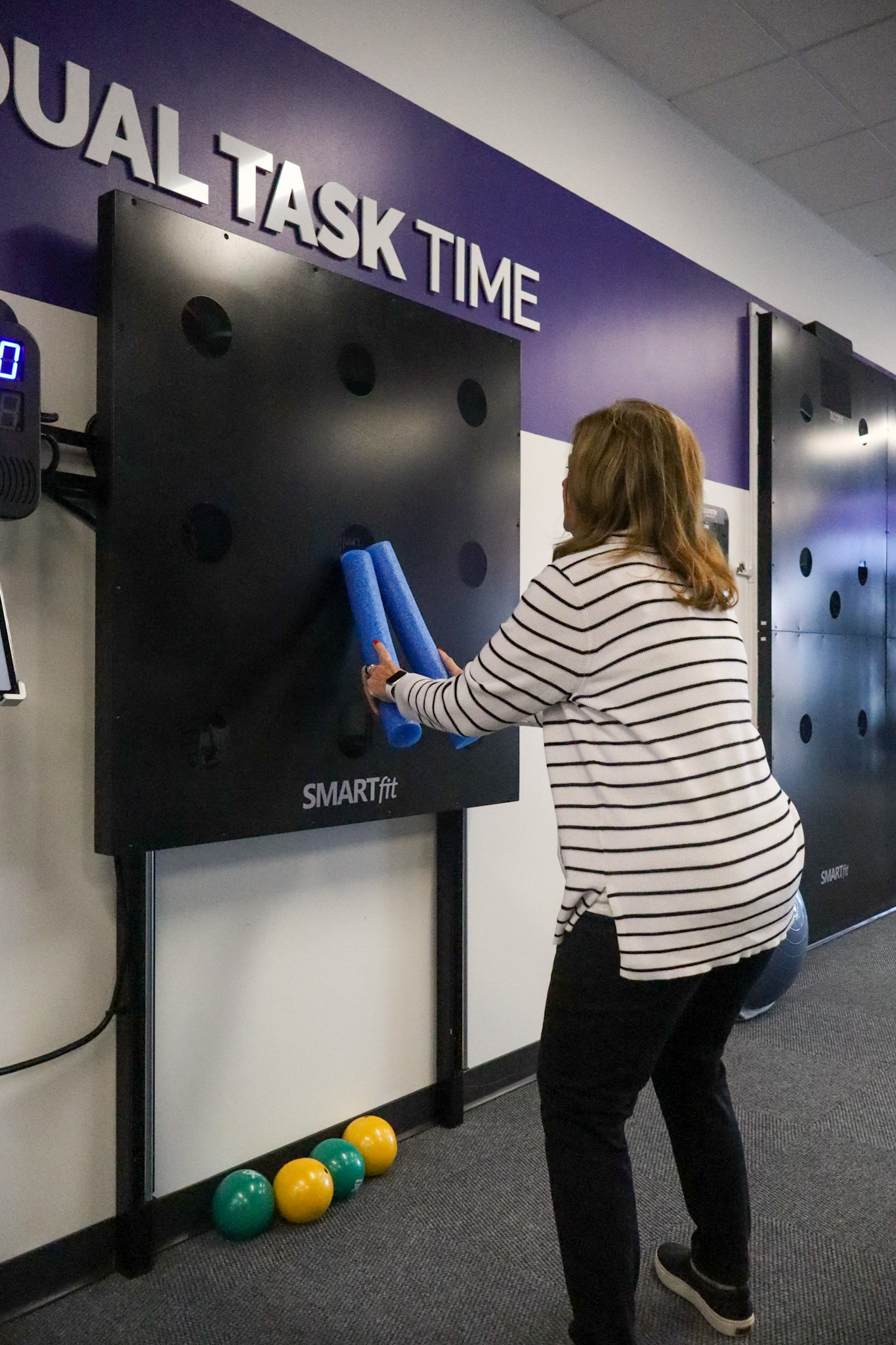
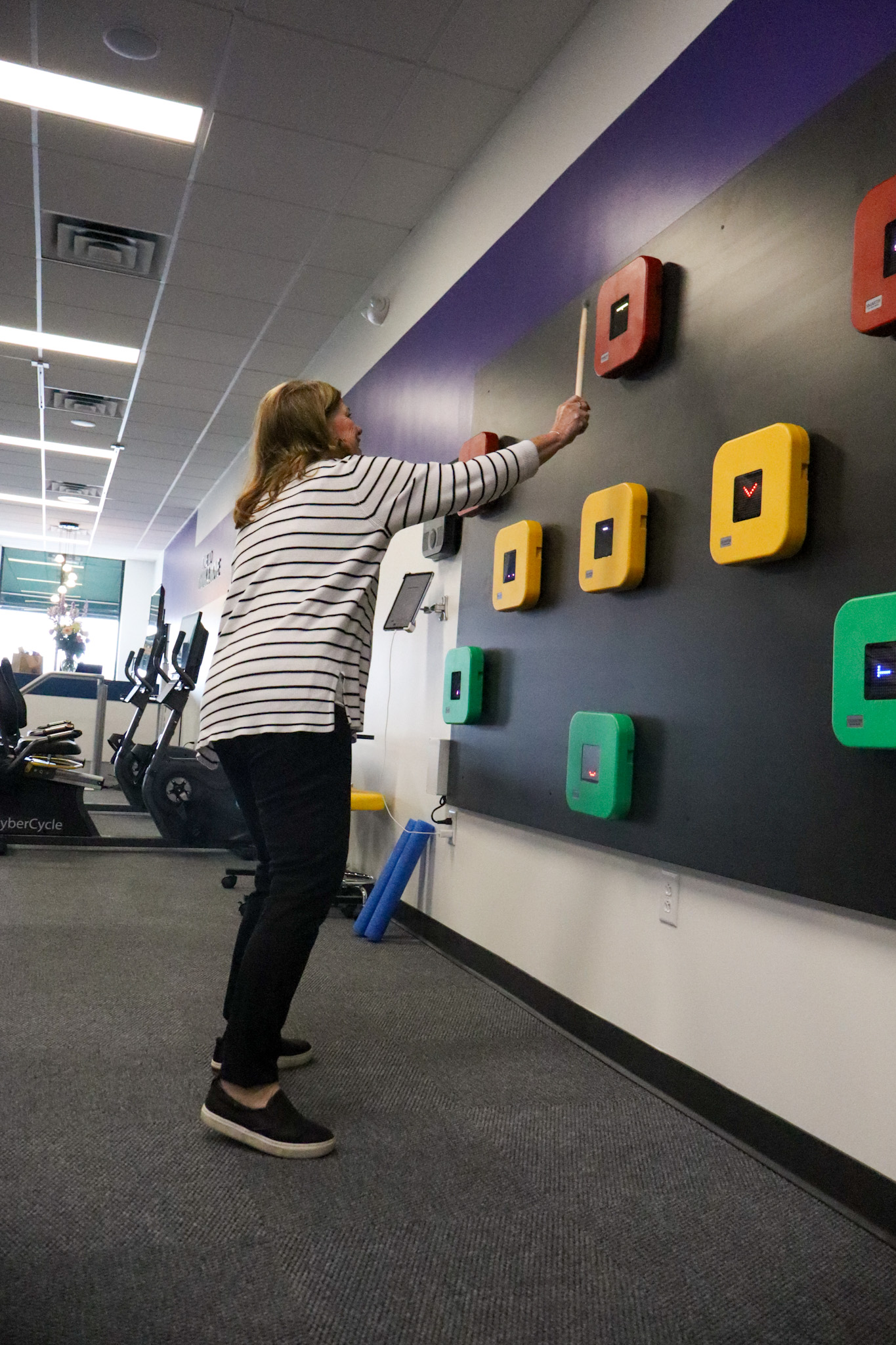
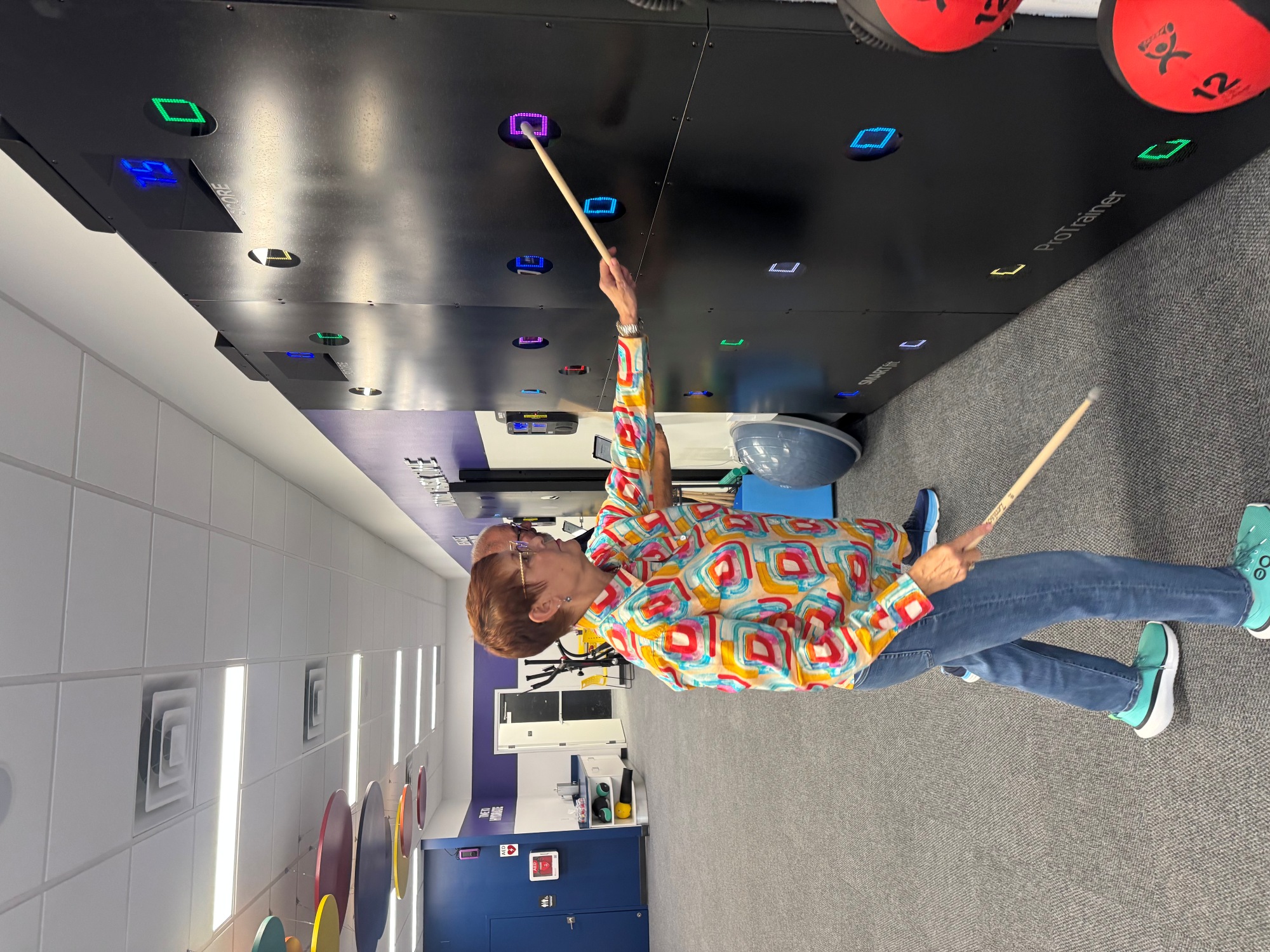
It might start simple. Walk a short path while remembering two or three items. React to lights that shift faster than you expect. Hold your balance while naming items that start with a letter you are given. These tasks gently push the brain to create new connections. You might feel a bit clumsy at first. That is normal. It means your brain is working.
Over time, those connections grow stronger. The brain gets quicker at adjusting. That strength builds your cognitive reserve in a real, practical way.
How Progress Shows Up
Progress tends to show up in tiny moments. You follow a conversation with less effort. You remember what you walked into the kitchen for. You move through busy places with more ease. Sometimes you do not notice it at first until someone else comments that you seem sharper or more relaxed. These small changes matter. They stack up. They give you more control and more confidence.
Why Consistency Helps the Most
You do not build cognitive reserve in one session. You build it through repetition, variety, and curiosity. That is why training at Marbles Brain Body Fitness of Fishers, IN changes from day to day. Some sessions are playful. Others require more focus. All of them give your brain something meaningful to work with.
Reach out to us today to see how brain training can help you.
Mild cognitive impairment can sneak up on people. One day, you forget a name. Another day, you lose your place in a story you are telling. You might feel fine in most ways, yet something in your thinking feels a bit slower or heavier. Not broken. Just different. People often describe it as a fog that drifts in and out.
When that starts happening, it is easy to worry. But there is also room for hope. The brain has a surprising ability to adapt if you keep working with it. That ability is called cognitive reserve, and it plays a bigger role than most people realize.
What Cognitive Reserve Really Is
Imagine your brain has a main path it uses for thinking. When that path slows down, you want another route available. Cognitive reserve is that collection of extra routes. Your brain builds them through learning, movement, curiosity, and new challenges. It is not a quick fix. It is something that grows quietly in the background, helping you stay steady when life feels more demanding.
How Mild Cognitive Impairment Affects Everyday Life
MCI looks different from person to person. One person may lose track of time more often. Someone else might forget recent conversations or find multitasking harder. You may even notice moments of hesitation that never used to happen. These changes can feel unsettling, but they also mean your brain is ready for something new and something that wakes it up again.
How Brain Training Supports Cognitive Reserve
This is where brain-body training shines. At Marbles Brain Body Fitness of Fishers, IN, nothing is done sitting still for long. You move while you think. You react while you plan. You solve small challenges while your body finds its balance.
It might start simple. Walk a short path while remembering two or three items. React to lights that shift faster than you expect. Hold your balance while naming items that start with a letter you are given. These tasks gently push the brain to create new connections. You might feel a bit clumsy at first. That is normal. It means your brain is working.
Over time, those connections grow stronger. The brain gets quicker at adjusting. That strength builds your cognitive reserve in a real, practical way.
How Progress Shows Up
Progress tends to show up in tiny moments. You follow a conversation with less effort. You remember what you walked into the kitchen for. You move through busy places with more ease. Sometimes you do not notice it at first until someone else comments that you seem sharper or more relaxed. These small changes matter. They stack up. They give you more control and more confidence.
Why Consistency Helps the Most
You do not build cognitive reserve in one session. You build it through repetition, variety, and curiosity. That is why training at Marbles Brain Body Fitness of Fishers, IN changes from day to day. Some sessions are playful. Others require more focus. All of them give your brain something meaningful to work with.
Reach out to us today to see how brain training can help you.
Fishers, IN – Cognitive Reserve Matters for Managing Mild Cognitive Impairment
SYNOPSIS: This article covers how cognitive reserve supports people living with mild cognitive impairment and how Marbles Brain Body Fitness of Fishers, IN, helps build that reserve.
Why Extra Brain Strength Helps You Handle Changes
BY: ,
Mild cognitive impairment can sneak up on people. One day, you forget a name. Another day, you lose your place in a story you are telling. You might feel fine in most ways, yet something in your thinking feels a bit slower or heavier. Not broken. Just different. People often describe it as a fog that drifts in and out.
When that starts happening, it is easy to worry. But there is also room for hope. The brain has a surprising ability to adapt if you keep working with it. That ability is called cognitive reserve, and it plays a bigger role than most people realize.
What Cognitive Reserve Really Is
Imagine your brain has a main path it uses for thinking. When that path slows down, you want another route available. Cognitive reserve is that collection of extra routes. Your brain builds them through learning, movement, curiosity, and new challenges. It is not a quick fix. It is something that grows quietly in the background, helping you stay steady when life feels more demanding.
How Mild Cognitive Impairment Affects Everyday Life
MCI looks different from person to person. One person may lose track of time more often. Someone else might forget recent conversations or find multitasking harder. You may even notice moments of hesitation that never used to happen. These changes can feel unsettling, but they also mean your brain is ready for something new and something that wakes it up again.
How Brain Training Supports Cognitive Reserve
This is where brain-body training shines. At Marbles Brain Body Fitness of Fishers, IN, nothing is done sitting still for long. You move while you think. You react while you plan. You solve small challenges while your body finds its balance.
It might start simple. Walk a short path while remembering two or three items. React to lights that shift faster than you expect. Hold your balance while naming items that start with a letter you are given. These tasks gently push the brain to create new connections. You might feel a bit clumsy at first. That is normal. It means your brain is working.
Over time, those connections grow stronger. The brain gets quicker at adjusting. That strength builds your cognitive reserve in a real, practical way.
How Progress Shows Up
Progress tends to show up in tiny moments. You follow a conversation with less effort. You remember what you walked into the kitchen for. You move through busy places with more ease. Sometimes you do not notice it at first until someone else comments that you seem sharper or more relaxed. These small changes matter. They stack up. They give you more control and more confidence.
Why Consistency Helps the Most
You do not build cognitive reserve in one session. You build it through repetition, variety, and curiosity. That is why training at Marbles Brain Body Fitness of Fishers, IN changes from day to day. Some sessions are playful. Others require more focus. All of them give your brain something meaningful to work with.
Reach out to us today to see how brain training can help you.