 Why Brain-Body Exercises Improve Focus
How: By combining physical activity with new cognitive tasks
As cognitive decline progresses, staying focused becomes harder. Distractions creep in. Conversations blur. Simple tasks require more concentration than they used to. Brain-body exercises target that directly.
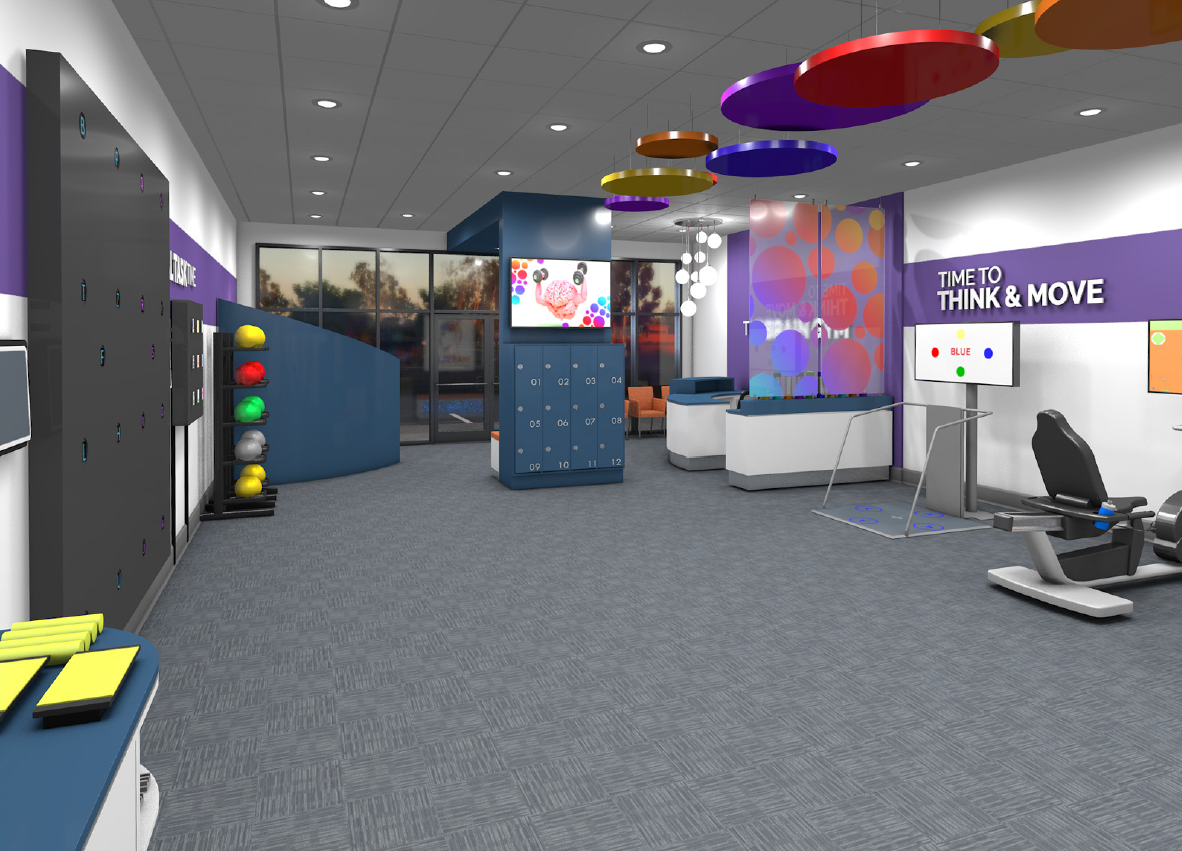
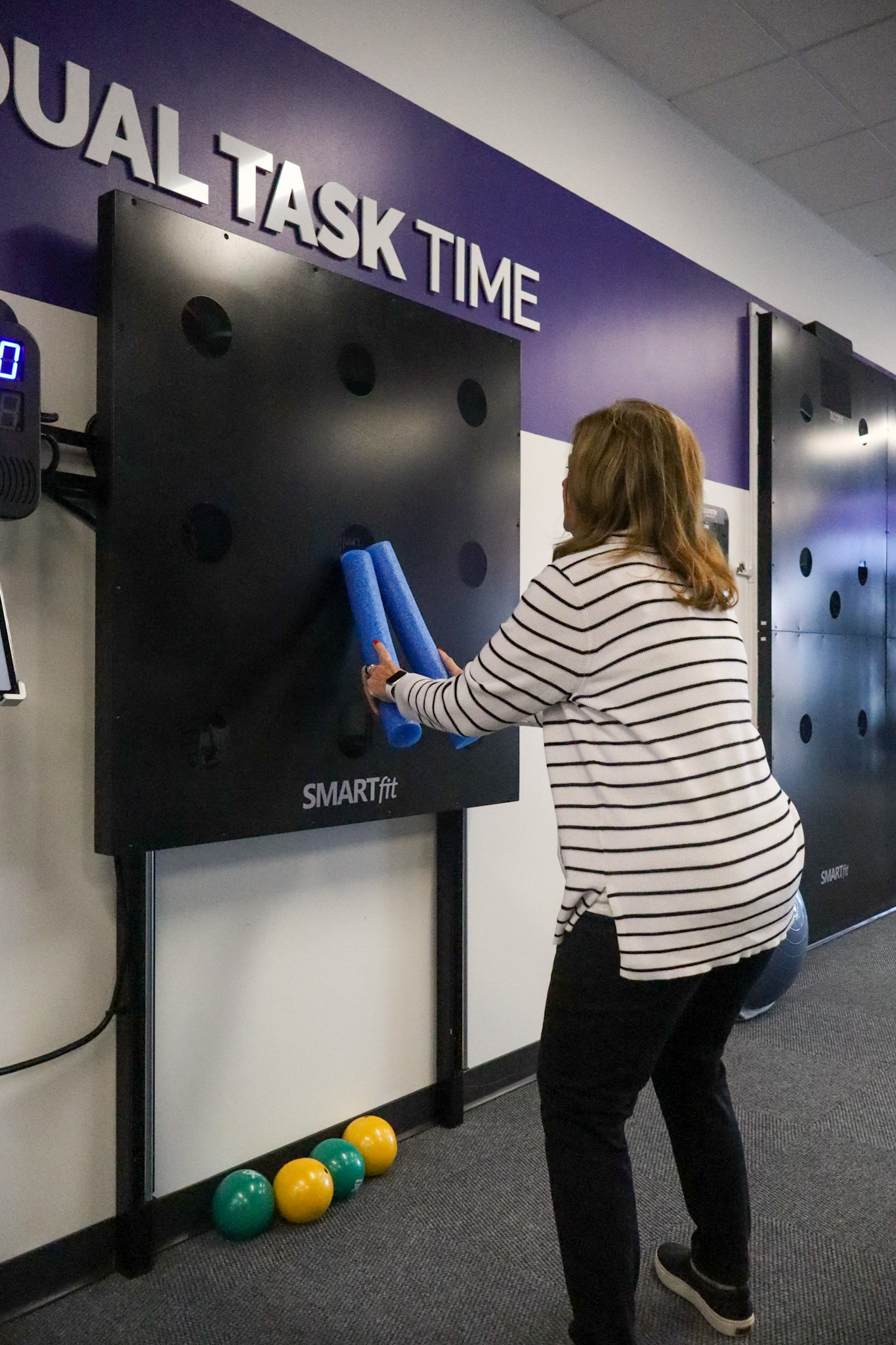
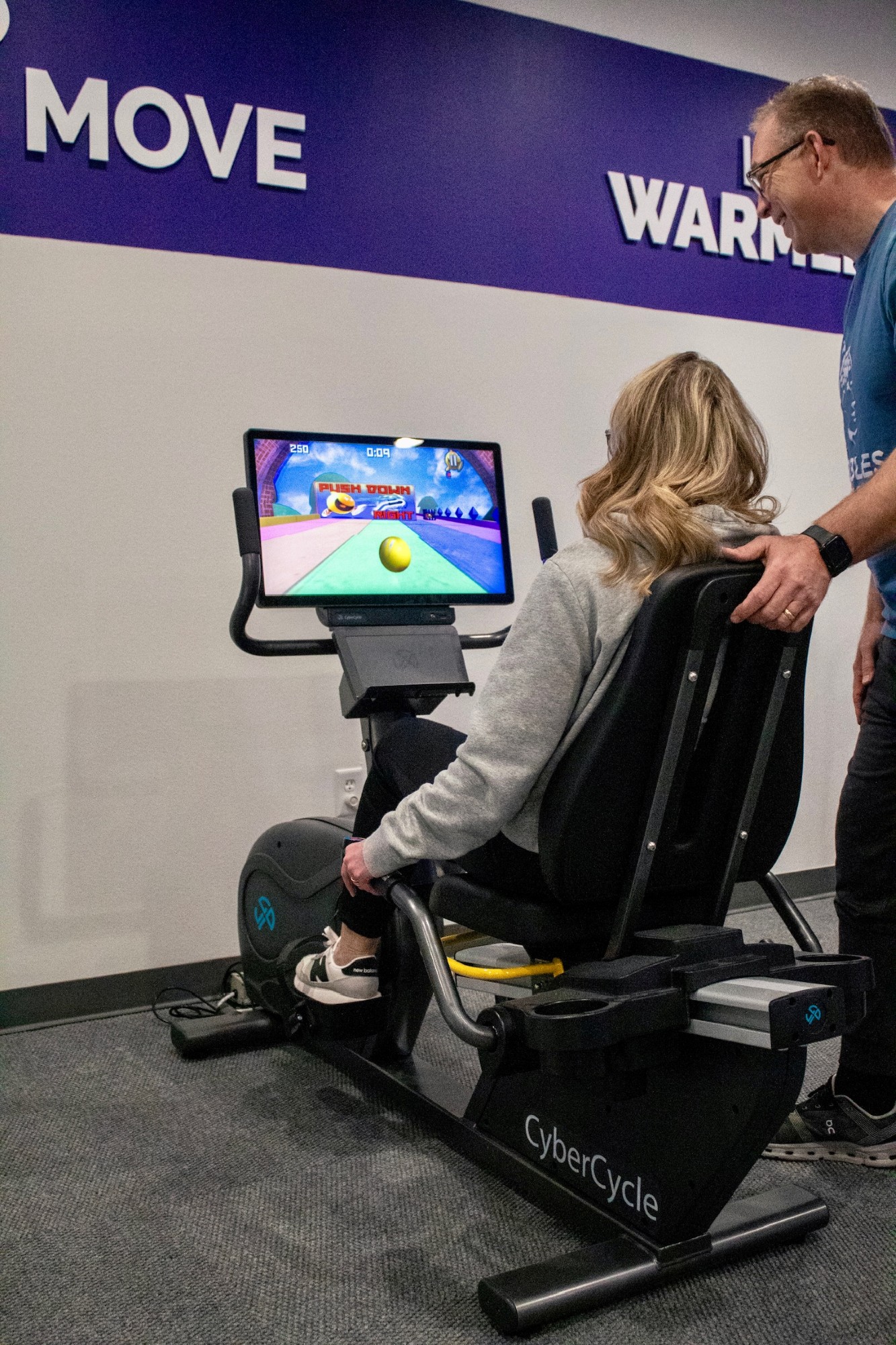
At our gym near Noblesville, we guide adults through physical activities that include a novel mental layer, like stepping in a pattern while reacting to unpredictable prompts. These challenges keep the brain on alert. Focus isn’t just encouraged, it’s required. And the more the brain practices focus under pressure, the better it gets at holding attention in everyday life.
Why They Boost Memory
How: By engaging multiple brain systems at once
Memory loss isn’t just forgetting names. It’s losing threads mid-thought. It’s blanking out halfway through a task. Brain-body training helps by requiring memory in motion.
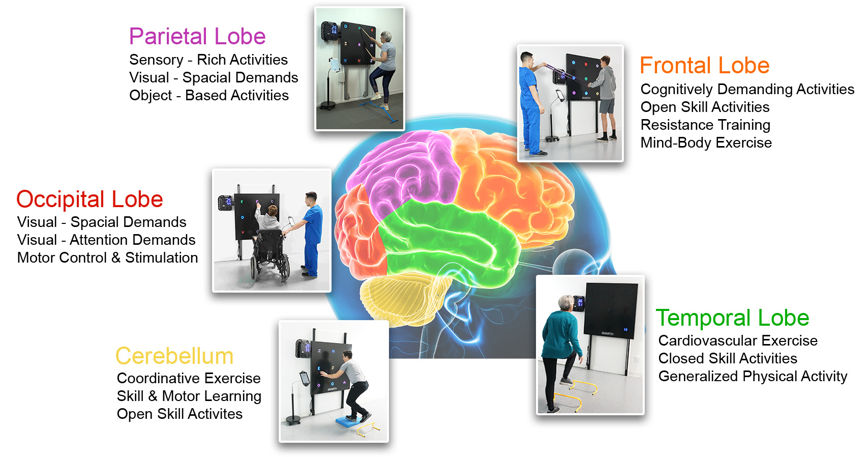
Someone might be asked to remember a short sequence of steps and repeat them while moving. Or they may complete an activity, then answer questions about what just happened. It sounds simple, but it lights up multiple areas of the brain at once—sensory, spatial, and verbal. That cross-activation supports better recall and retention, even outside the gym.
Why They Improve Reaction Time
How: By training the brain to respond to real-time cues
As cognition slows, so do physical responses. That might show up as delayed braking in traffic, missing a step on the stairs, or struggling to adjust to a sudden change in routine.
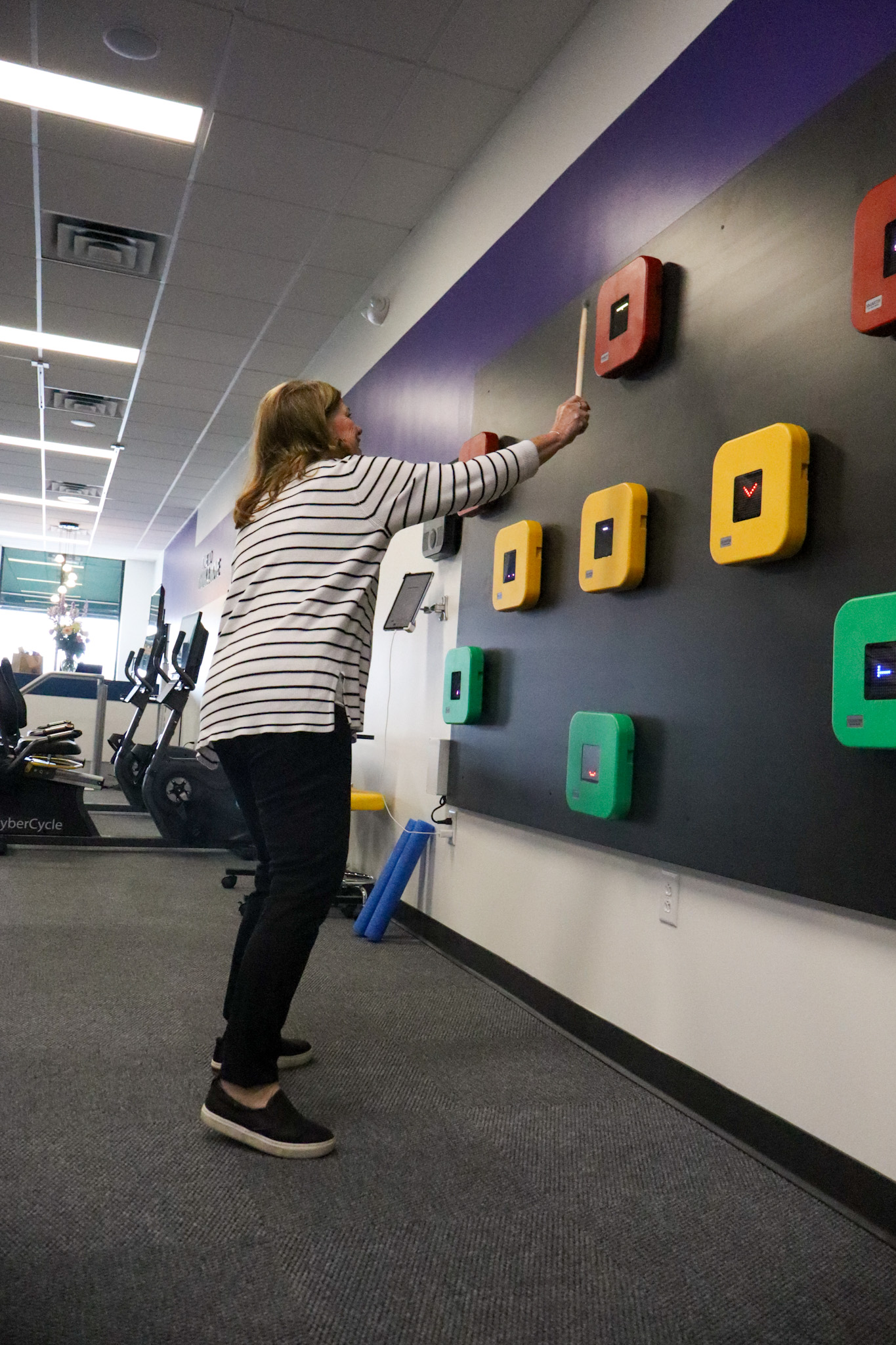
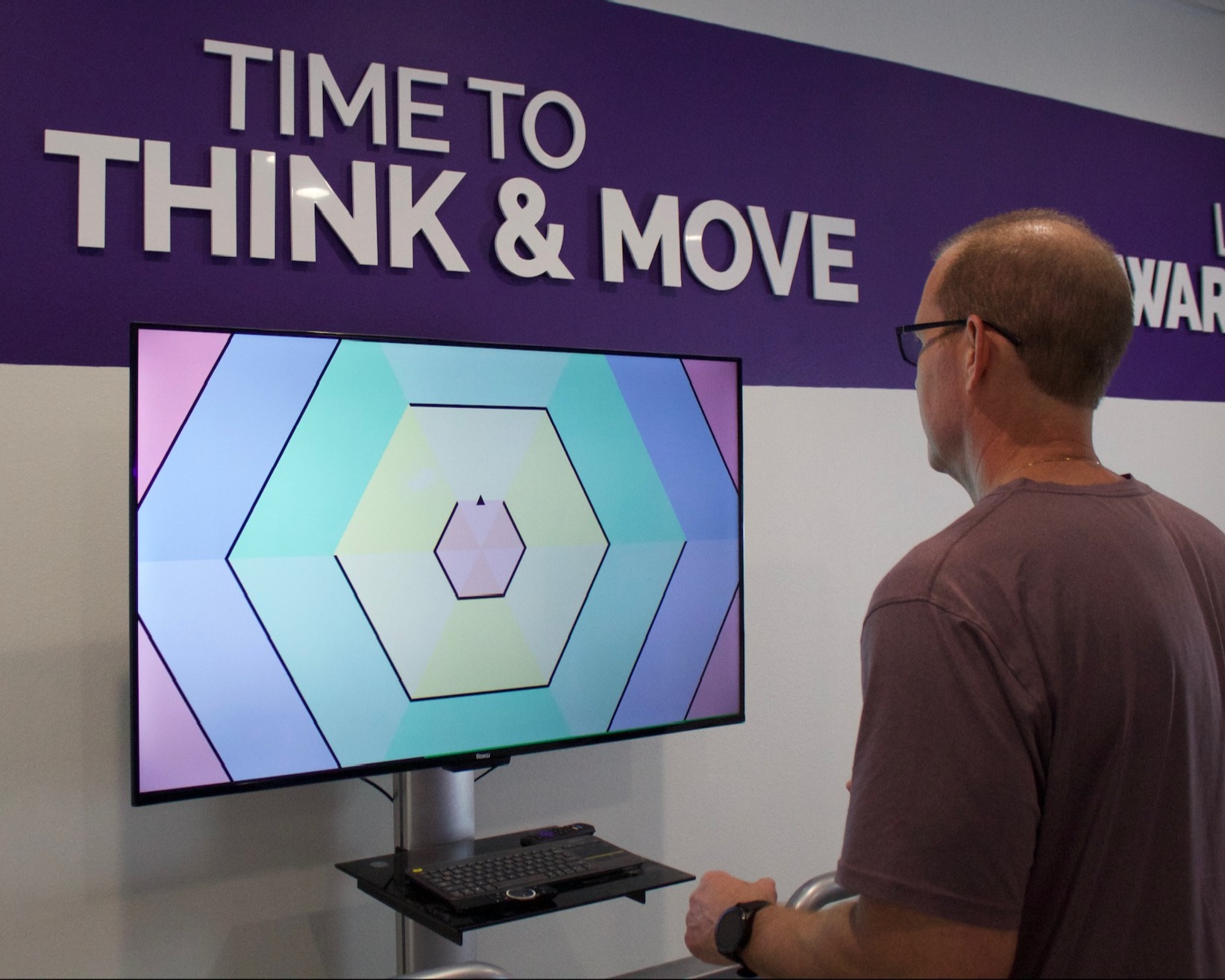
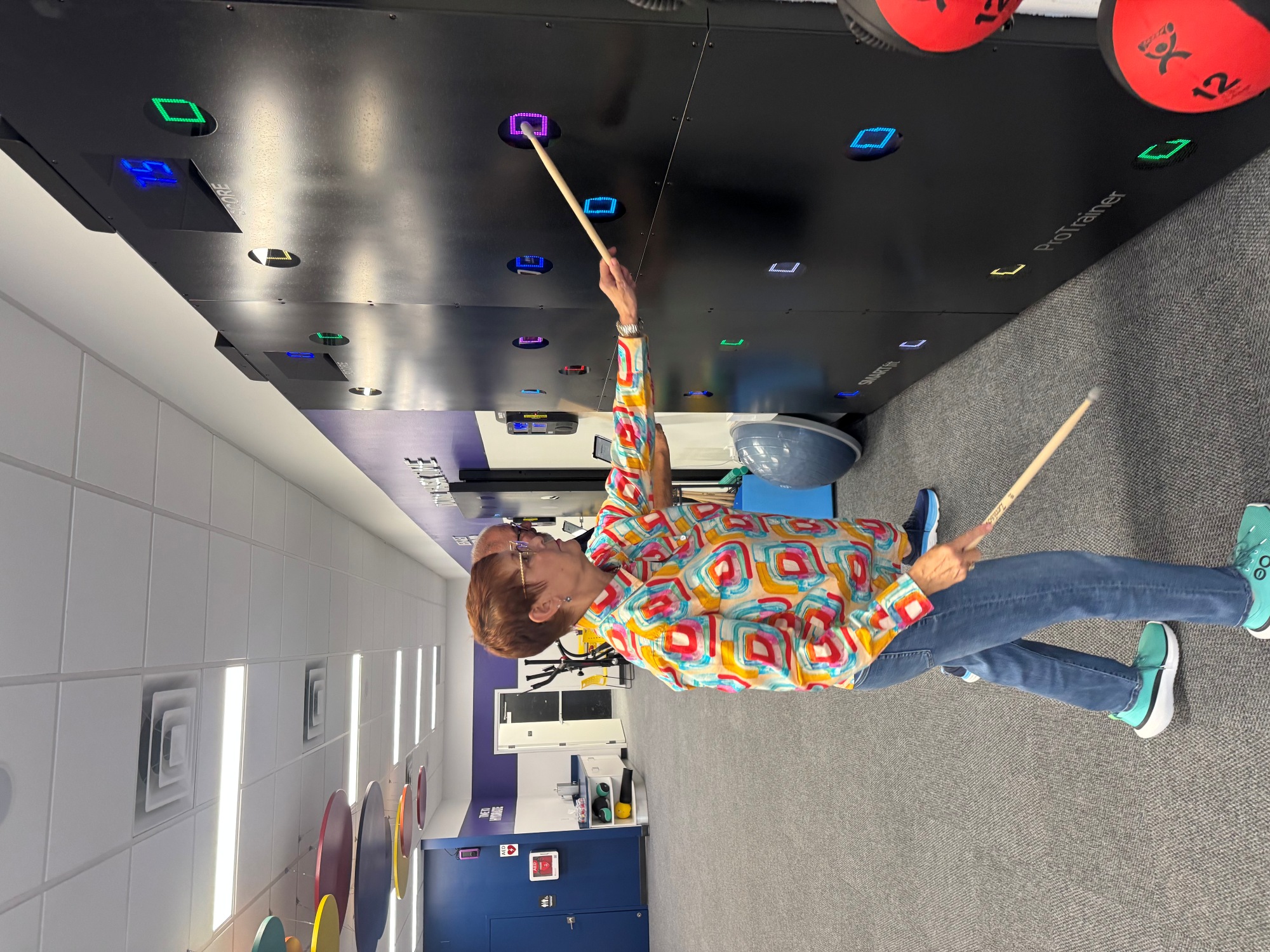
Brain-body exercises create controlled moments of unpredictability. Lights shift, prompts change, instructions evolve. The participant has to think fast and move with purpose. These split-second adjustments strengthen the brain’s ability to process incoming information and respond quickly—skills that matter in everyday life.
Why They Help With Emotional Resilience
How: By building confidence through accomplishment
Cognitive decline can quietly chip away at self-esteem. Tasks that used to feel easy suddenly feel overwhelming. That loss of confidence can lead to isolation, frustration, and a reluctance to try new things.
Brain-body workouts flip that narrative. The challenges are real, but so are the wins. Finishing a drill, solving a problem while moving, or remembering a sequence under pressure feels empowering. And when someone starts believing in their ability again, that emotional lift carries over into life beyond the gym.
Why They Support Everyday Independence
How: By reinforcing real-world cognitive and physical skills
Staying independent means more than just being able to walk or stand. It means remembering appointments, reacting quickly in conversation, managing time, and moving with confidence through a busy day.
Brain-body exercises simulate many of those demands in a safe, structured environment. Tasks challenge the brain to coordinate, remember, react, and solve problems while in motion, just like real life. The more often the brain practices those patterns, the stronger they become.
Train Smarter at Marbles Brain Body Fitness in Fishers
Located just a short drive from Noblesville, Marbles Brain Body Fitness offers adults a safe, science-backed space to strengthen the mind through movement. Our workouts are built specifically to help with cognitive decline, without judgment, pressure, or confusion.
Want to stay sharp, steady, and confident? Call today to learn more about how we help adults maintain independence through brain-first fitness.
Why Brain-Body Exercises Improve Focus
How: By combining physical activity with new cognitive tasks
As cognitive decline progresses, staying focused becomes harder. Distractions creep in. Conversations blur. Simple tasks require more concentration than they used to. Brain-body exercises target that directly.
At our gym near Noblesville, we guide adults through physical activities that include a novel mental layer, like stepping in a pattern while reacting to unpredictable prompts. These challenges keep the brain on alert. Focus isn’t just encouraged, it’s required. And the more the brain practices focus under pressure, the better it gets at holding attention in everyday life.
Why They Boost Memory
How: By engaging multiple brain systems at once
Memory loss isn’t just forgetting names. It’s losing threads mid-thought. It’s blanking out halfway through a task. Brain-body training helps by requiring memory in motion.
Someone might be asked to remember a short sequence of steps and repeat them while moving. Or they may complete an activity, then answer questions about what just happened. It sounds simple, but it lights up multiple areas of the brain at once—sensory, spatial, and verbal. That cross-activation supports better recall and retention, even outside the gym.
Why They Improve Reaction Time
How: By training the brain to respond to real-time cues
As cognition slows, so do physical responses. That might show up as delayed braking in traffic, missing a step on the stairs, or struggling to adjust to a sudden change in routine.
Brain-body exercises create controlled moments of unpredictability. Lights shift, prompts change, instructions evolve. The participant has to think fast and move with purpose. These split-second adjustments strengthen the brain’s ability to process incoming information and respond quickly—skills that matter in everyday life.
Why They Help With Emotional Resilience
How: By building confidence through accomplishment
Cognitive decline can quietly chip away at self-esteem. Tasks that used to feel easy suddenly feel overwhelming. That loss of confidence can lead to isolation, frustration, and a reluctance to try new things.
Brain-body workouts flip that narrative. The challenges are real, but so are the wins. Finishing a drill, solving a problem while moving, or remembering a sequence under pressure feels empowering. And when someone starts believing in their ability again, that emotional lift carries over into life beyond the gym.
Why They Support Everyday Independence
How: By reinforcing real-world cognitive and physical skills
Staying independent means more than just being able to walk or stand. It means remembering appointments, reacting quickly in conversation, managing time, and moving with confidence through a busy day.
Brain-body exercises simulate many of those demands in a safe, structured environment. Tasks challenge the brain to coordinate, remember, react, and solve problems while in motion, just like real life. The more often the brain practices those patterns, the stronger they become.
Train Smarter at Marbles Brain Body Fitness in Fishers
Located just a short drive from Noblesville, Marbles Brain Body Fitness offers adults a safe, science-backed space to strengthen the mind through movement. Our workouts are built specifically to help with cognitive decline, without judgment, pressure, or confusion.
Want to stay sharp, steady, and confident? Call today to learn more about how we help adults maintain independence through brain-first fitness.
Noblesville, IN - How Brain Body Exercises Help With Cognitive Decline in Adults
SYNOPSIS: This article covers why brain-body exercises help adults experiencing cognitive decline and how the structure, novelty, and dual-task nature of the workouts make them effective.
How Brain and Body Exercises Help the Mind
BY: ,
Why Brain-Body Exercises Improve Focus
How: By combining physical activity with new cognitive tasks
As cognitive decline progresses, staying focused becomes harder. Distractions creep in. Conversations blur. Simple tasks require more concentration than they used to. Brain-body exercises target that directly.
At our gym near Noblesville, we guide adults through physical activities that include a novel mental layer, like stepping in a pattern while reacting to unpredictable prompts. These challenges keep the brain on alert. Focus isn’t just encouraged, it’s required. And the more the brain practices focus under pressure, the better it gets at holding attention in everyday life.
Why They Boost Memory
How: By engaging multiple brain systems at once
Memory loss isn’t just forgetting names. It’s losing threads mid-thought. It’s blanking out halfway through a task. Brain-body training helps by requiring memory in motion.
Someone might be asked to remember a short sequence of steps and repeat them while moving. Or they may complete an activity, then answer questions about what just happened. It sounds simple, but it lights up multiple areas of the brain at once—sensory, spatial, and verbal. That cross-activation supports better recall and retention, even outside the gym.
Why They Improve Reaction Time
How: By training the brain to respond to real-time cues
As cognition slows, so do physical responses. That might show up as delayed braking in traffic, missing a step on the stairs, or struggling to adjust to a sudden change in routine.
Brain-body exercises create controlled moments of unpredictability. Lights shift, prompts change, instructions evolve. The participant has to think fast and move with purpose. These split-second adjustments strengthen the brain’s ability to process incoming information and respond quickly—skills that matter in everyday life.
Why They Help With Emotional Resilience
How: By building confidence through accomplishment
Cognitive decline can quietly chip away at self-esteem. Tasks that used to feel easy suddenly feel overwhelming. That loss of confidence can lead to isolation, frustration, and a reluctance to try new things.
Brain-body workouts flip that narrative. The challenges are real, but so are the wins. Finishing a drill, solving a problem while moving, or remembering a sequence under pressure feels empowering. And when someone starts believing in their ability again, that emotional lift carries over into life beyond the gym.
Why They Support Everyday Independence
How: By reinforcing real-world cognitive and physical skills
Staying independent means more than just being able to walk or stand. It means remembering appointments, reacting quickly in conversation, managing time, and moving with confidence through a busy day.
Brain-body exercises simulate many of those demands in a safe, structured environment. Tasks challenge the brain to coordinate, remember, react, and solve problems while in motion, just like real life. The more often the brain practices those patterns, the stronger they become.
Train Smarter at Marbles Brain Body Fitness in Fishers
Located just a short drive from Noblesville, Marbles Brain Body Fitness offers adults a safe, science-backed space to strengthen the mind through movement. Our workouts are built specifically to help with cognitive decline, without judgment, pressure, or confusion.
Want to stay sharp, steady, and confident? Call today to learn more about how we help adults maintain independence through brain-first fitness.