Pavers add value, beauty, and character to homes across Cape Coral. Whether on driveways, pool decks, or patios, they’re an essential part of your home’s curb appeal. But after months of sun, rain, algae growth, and general wear, sealing becomes critical to protect and restore these surfaces. Many homeowners try to tackle sealing themselves—often learning the hard way that it’s more complicated than it looks.
At Under Pressure Cleaning & Sealing Services, we regularly help homeowners fix DIY sealing mistakes. Here are the most common errors people make when trying to seal pavers on their own—and how to avoid them.
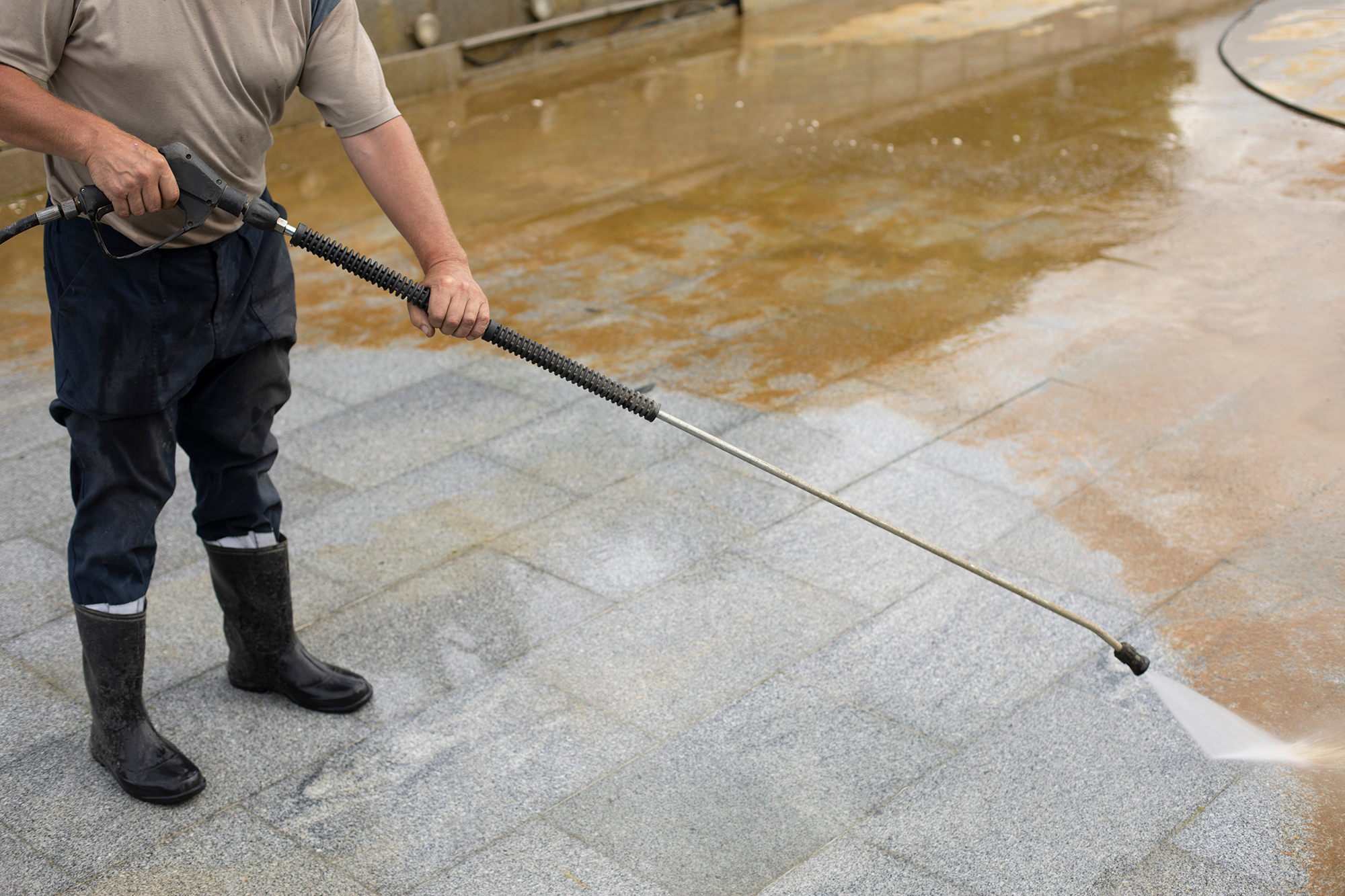
1. Not Cleaning the Pavers Thoroughly Before Sealing
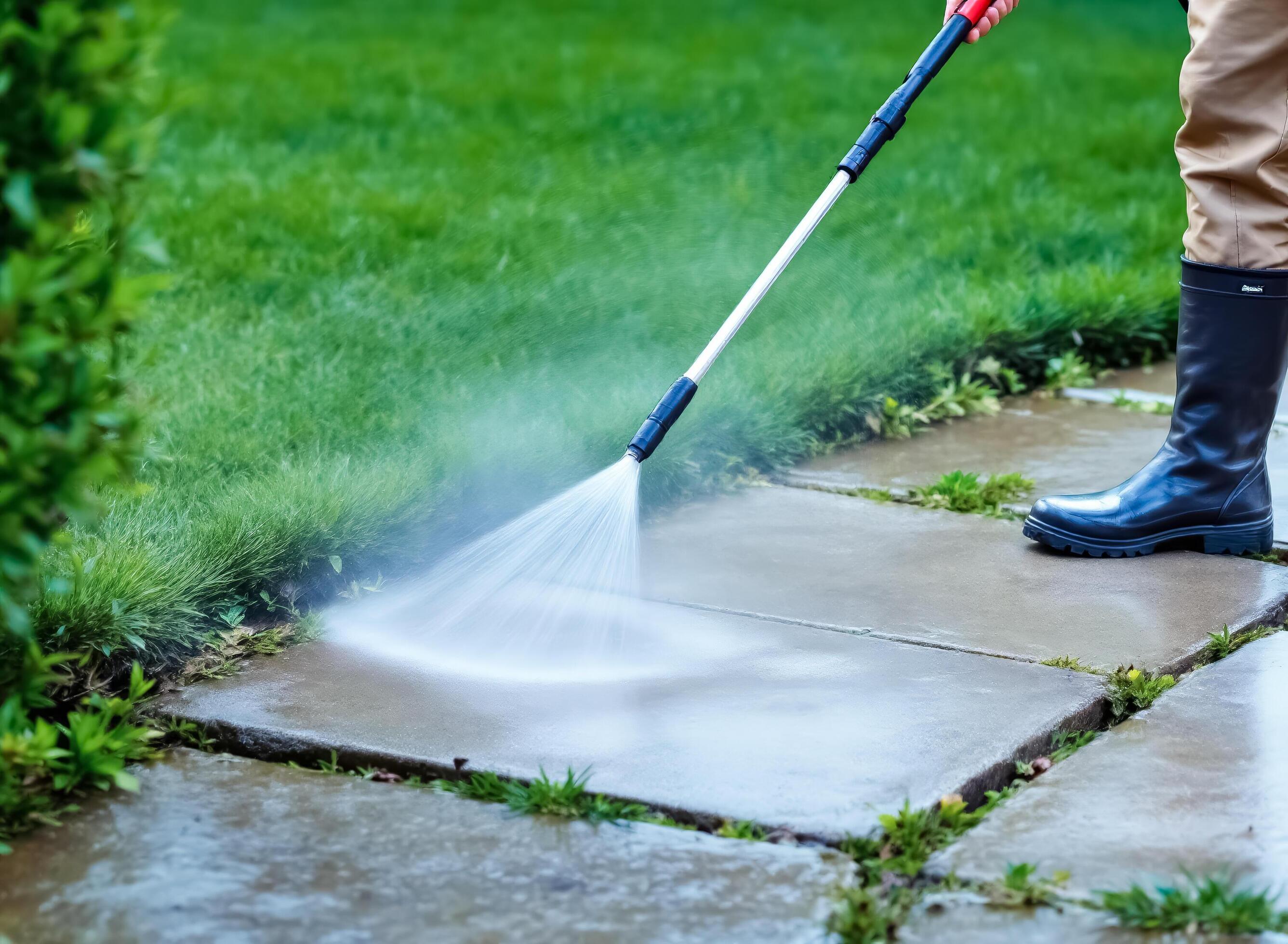
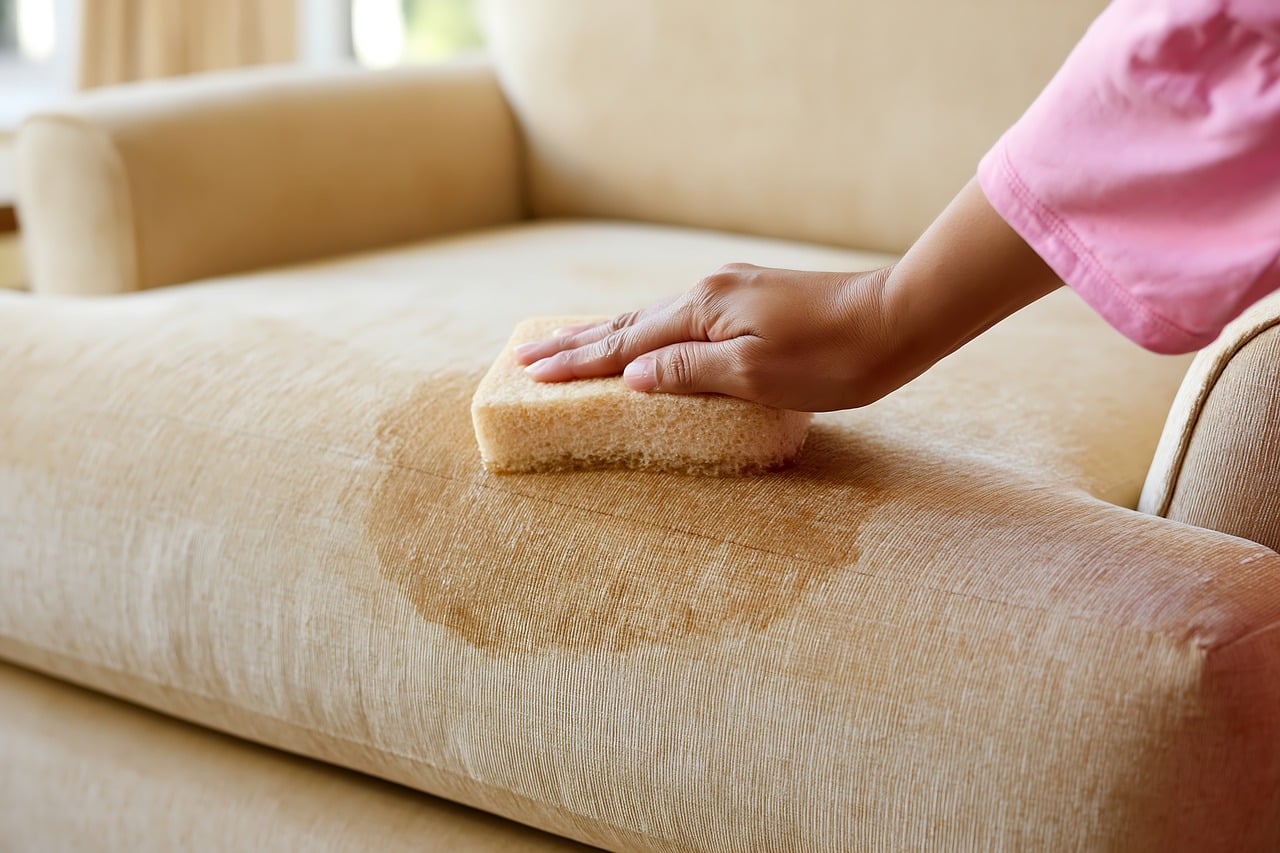
One of the biggest mistakes is applying the Sealer over dirty or stained pavers. Any dirt, algae, or residue left on the surface becomes trapped under the new coating, leading to:
- Permanent discoloration
- Uneven patches
- Sealer bonding issues
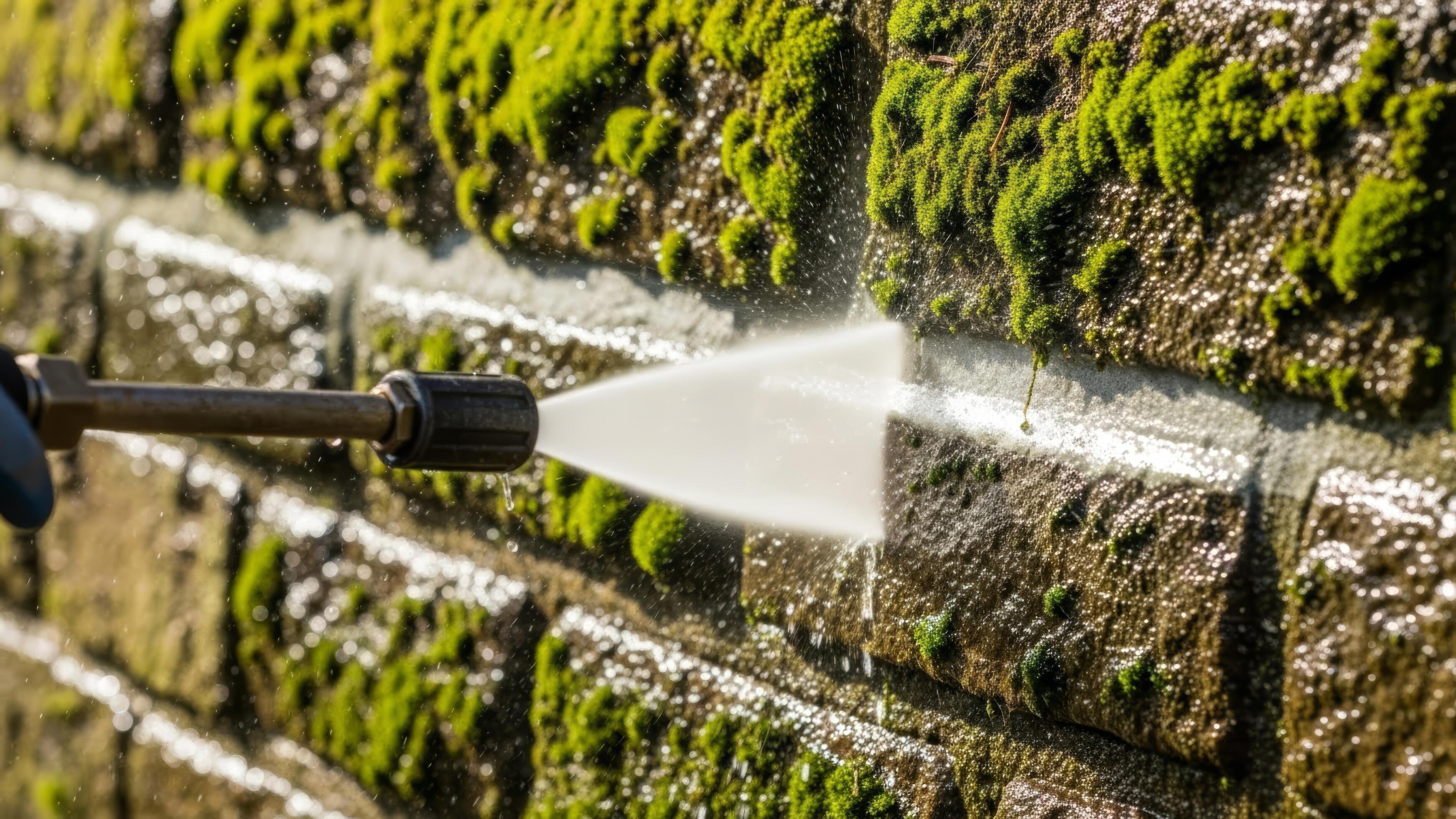
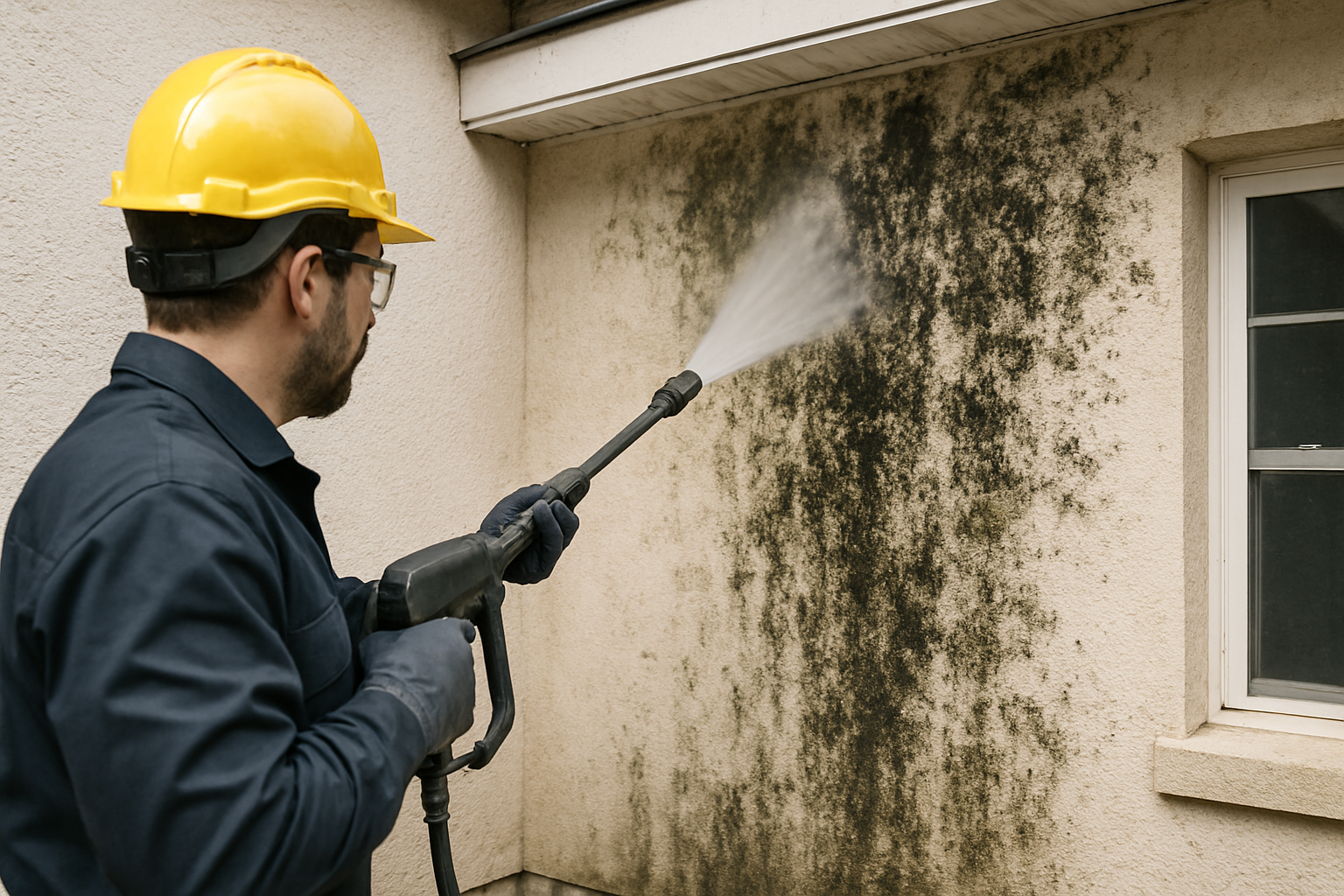
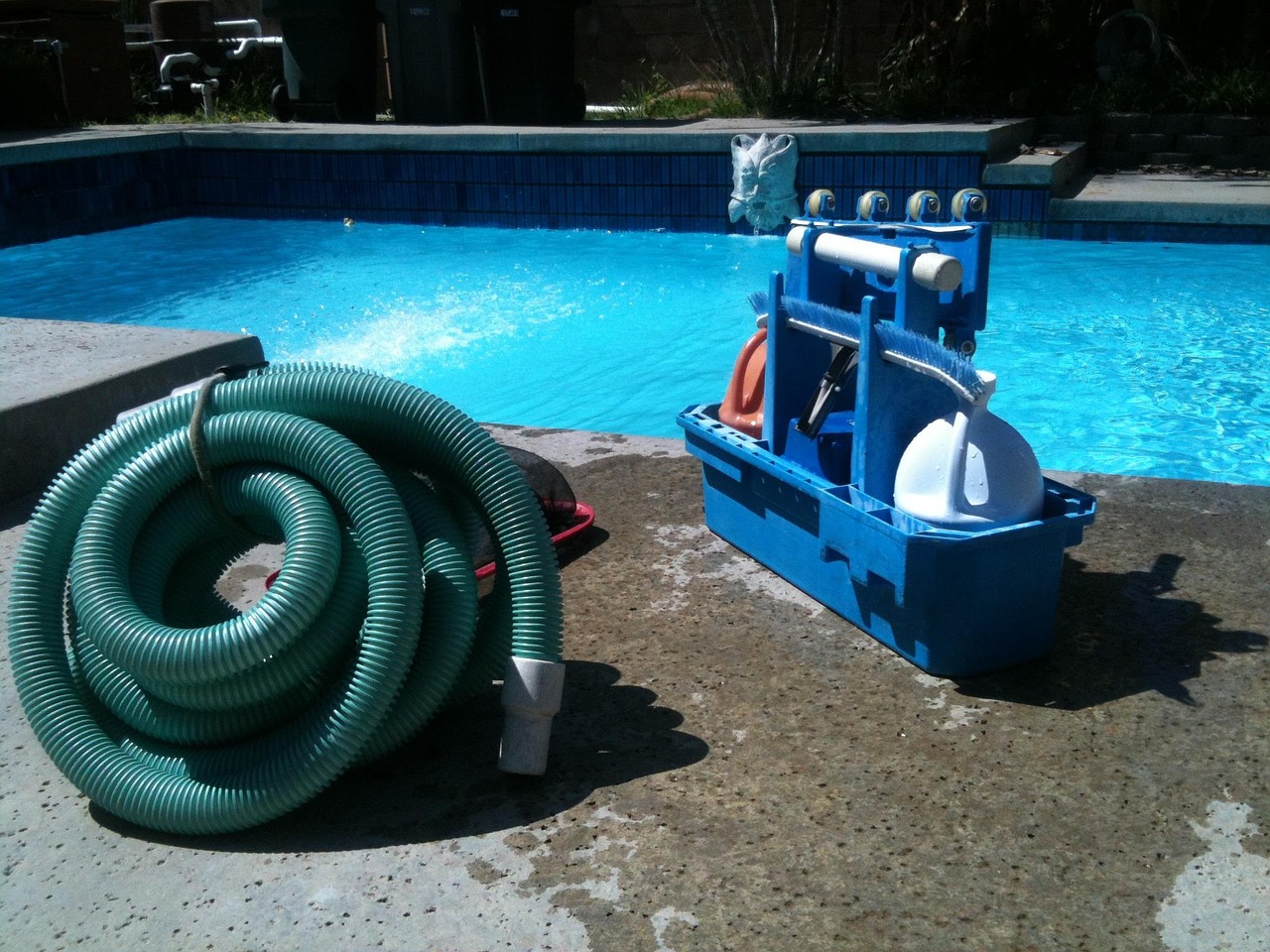
Florida’s humidity creates ideal conditions for algae and mildew, so deep cleaning is essential. Professional equipment penetrates paver pores more effectively than household tools.
2. Sealing Over Old, Failing Sealer
If a previous sealer is peeling, yellowing, or turning milky, applying new Sealer on top won’t fix the issue. In fact, it often makes things worse by:
- Locking in haze or streaks
- Creating blotchy areas
- Causing the new Sealer to fail prematurely
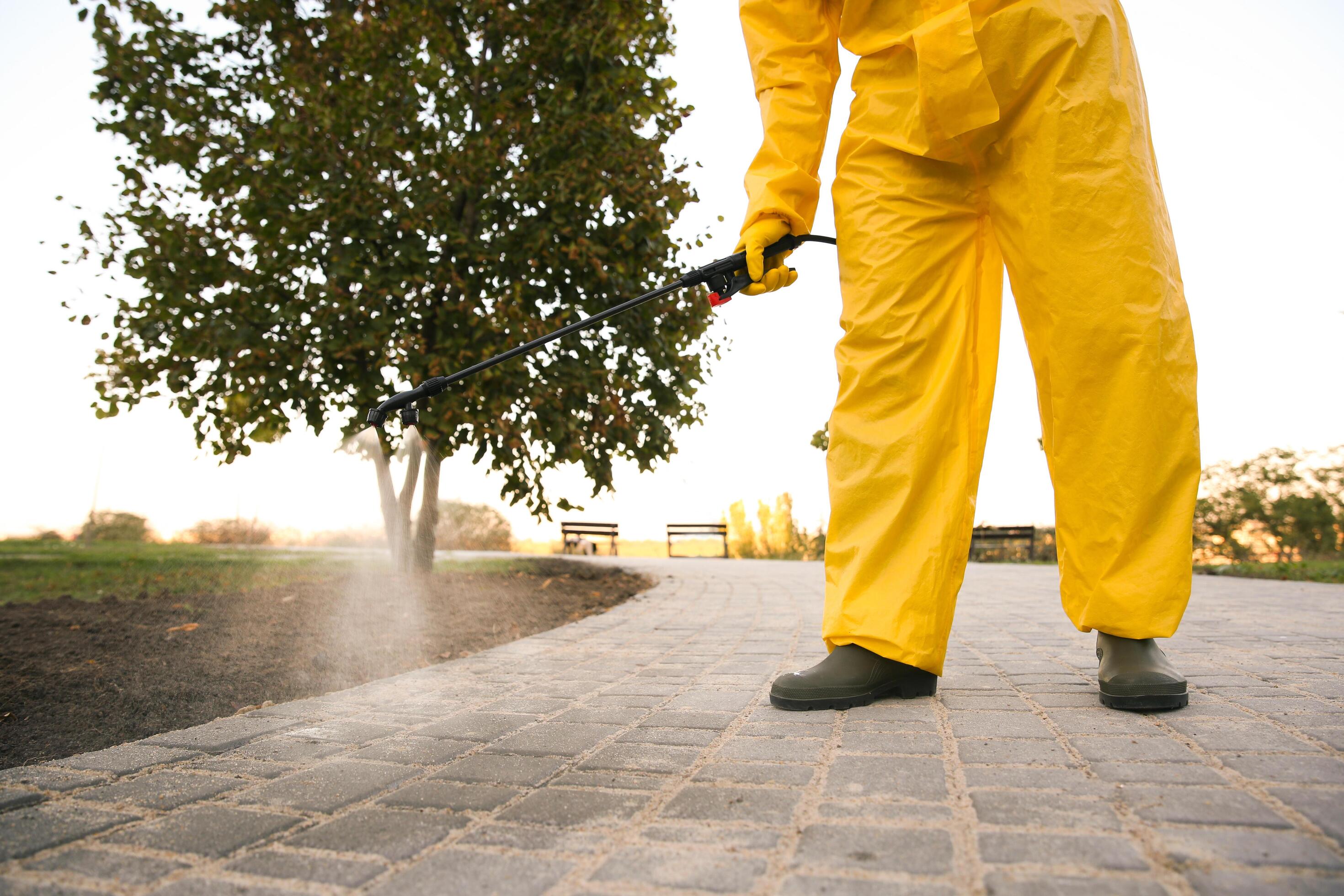
Old or damaged Sealer usually must be stripped before applying a fresh coat. This is one of the most challenging parts of DIY paver care and is best handled with professional tools and chemicals.
3. Using the Wrong Type of Sealer
Not all sealers are created equal. Homeowners often choose a product based on color enhancement alone, without considering:
- Climate conditions
- Paver material
- UV exposure
- Traffic level
- Moisture retention
Using the wrong Sealer can lead to a slippery surface, excessive shine, fading, or white spots caused by trapped water. Professional-grade sealers are specifically designed for Florida’s unique challenges.
4. Overapplying or Underapplying the Sealer
It’s easy to think “more is better,” but too much Sealer can suffocate the pavers, leading to a cloudy or sticky finish. Too little, and the surface remains unprotected.
Most DIY mistakes involve:
- Pooling Sealer
- Uneven shine
- Sticky or tacky texture
- Roller marks or streaks
Professionals use sprayers or commercial applicators that guarantee even, controlled coverage.
5. Sealing Pavers That Are Still Wet
Moisture is the most common reason paver sealing fails. Florida’s humidity, afternoon thunderstorms, and morning dew all complicate timing. Even if the surface looks dry, moisture may still be trapped inside the pavers.
Applying Sealer to damp pavers can cause:
- Whitening
- Bubbling
- Flaking
- Premature failure
Professionals use moisture meters and industry timing guidelines to avoid costly mistakes.
6. Ignoring the Joints Between Pavers
Joint sand plays a critical role in stabilizing pavers and preventing weed growth. Many DIY projects skip re-sanding entirely or use the wrong sand.
Polymeric sand must be installed correctly, or it can:
- Harden unevenly
- Leave a cloudy residue
- Wash out after the first rain
A proper sealing job locks the sand in place, but only if the joints are prepared correctly.
7. Not Accounting for Weather Conditions
Sealing during the bad weather—too hot, too humid, or before a rainstorm—can ruin an otherwise good application. Cape Coral’s climate requires careful timing to ensure the sealer cures properly.
Professionals monitor weather windows to ensure the job is done under ideal conditions.
Avoid the Hassle—Choose a Professional Instead
DIY paver sealing may seem simple, but in reality, it requires precision, experience, and the right tools. At Under Pressure Cleaning & Sealing Services, we help Cape Coral homeowners restore their pavers with expert cleaning, stripping, and sealing techniques that deliver long-lasting, beautiful results.
If your pavers are looking dull or stained—or if a previous DIY job didn’t turn out as expected—contact us today. We’ll restore your outdoor space and protect your investment with a finish that stands up to Florida’s climate.