The Danger You Can't Always See
A pool deck gets slippery before it looks slippery. That's the tricky part. The green stuff creeps in slow, and by the time you notice it, you've probably already had a close call barefoot.
Wet feet plus a thin film of algae is how people go down. It happens fast. Kids run, someone slips climbing out, and a fun afternoon turns into a trip to urgent care.
What Actually Makes a Deck Slick
It's rarely just water. Water alone dries and drains. The problem is what water leaves behind and feeds.
- Algae growing in the pores of the concrete or pavers
- Mildew in the shaded corners the sun never reaches
- Sunscreen and body oils that build into a greasy film
- Pollen and organic dust that turns to slime when it's wet
- Calcium and mineral scale near the waterline and jets
That mix is what kills the grip. A textured pool deck is supposed to give your feet something to hold. Fill those grooves with slime and you've basically got a wet tile floor.
How Cleaning Brings the Grip Back
The whole point of that rough deck finish is traction. When buildup packs into the texture, the surface goes smooth and slick even though it doesn't look any different.
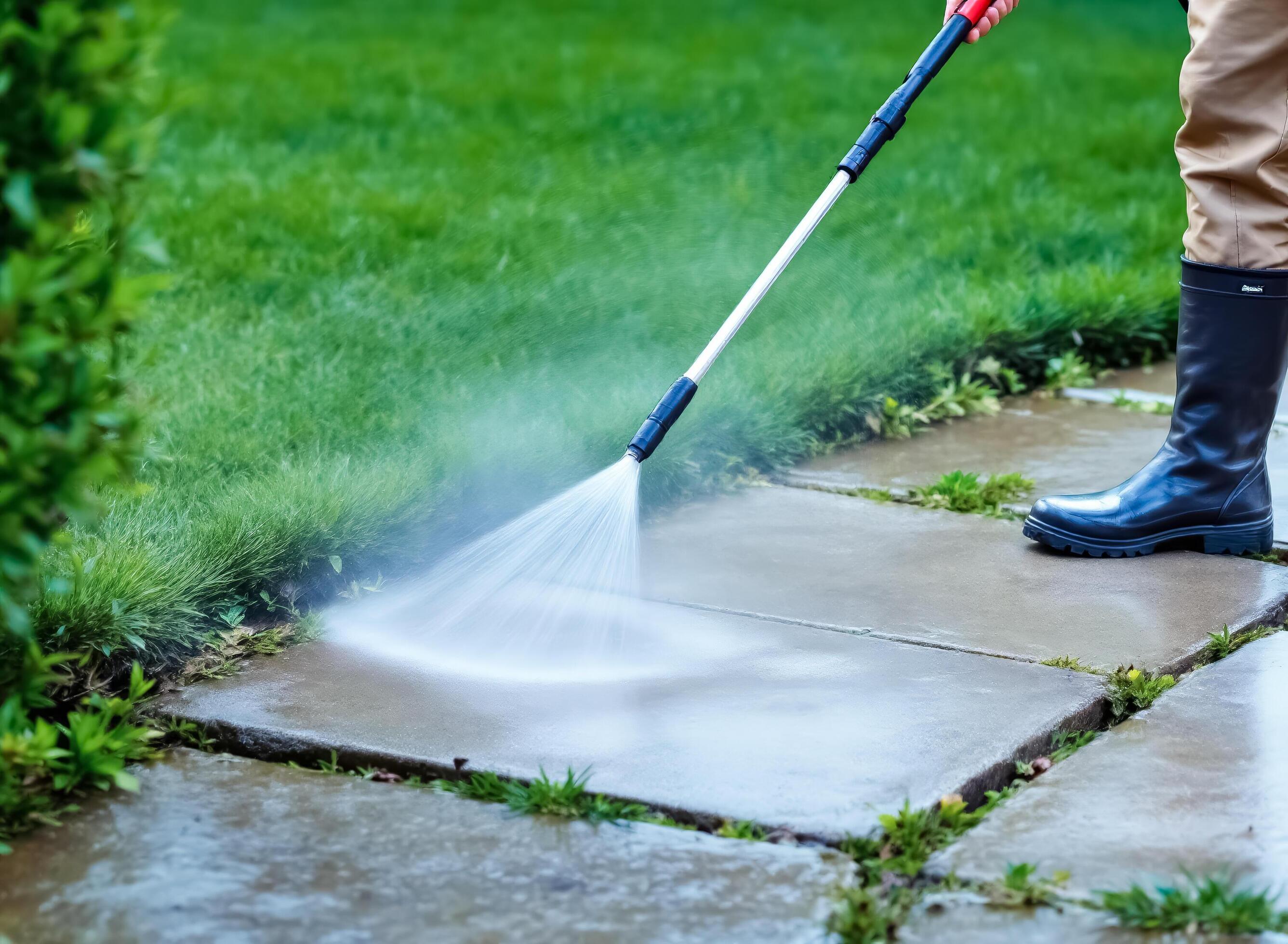
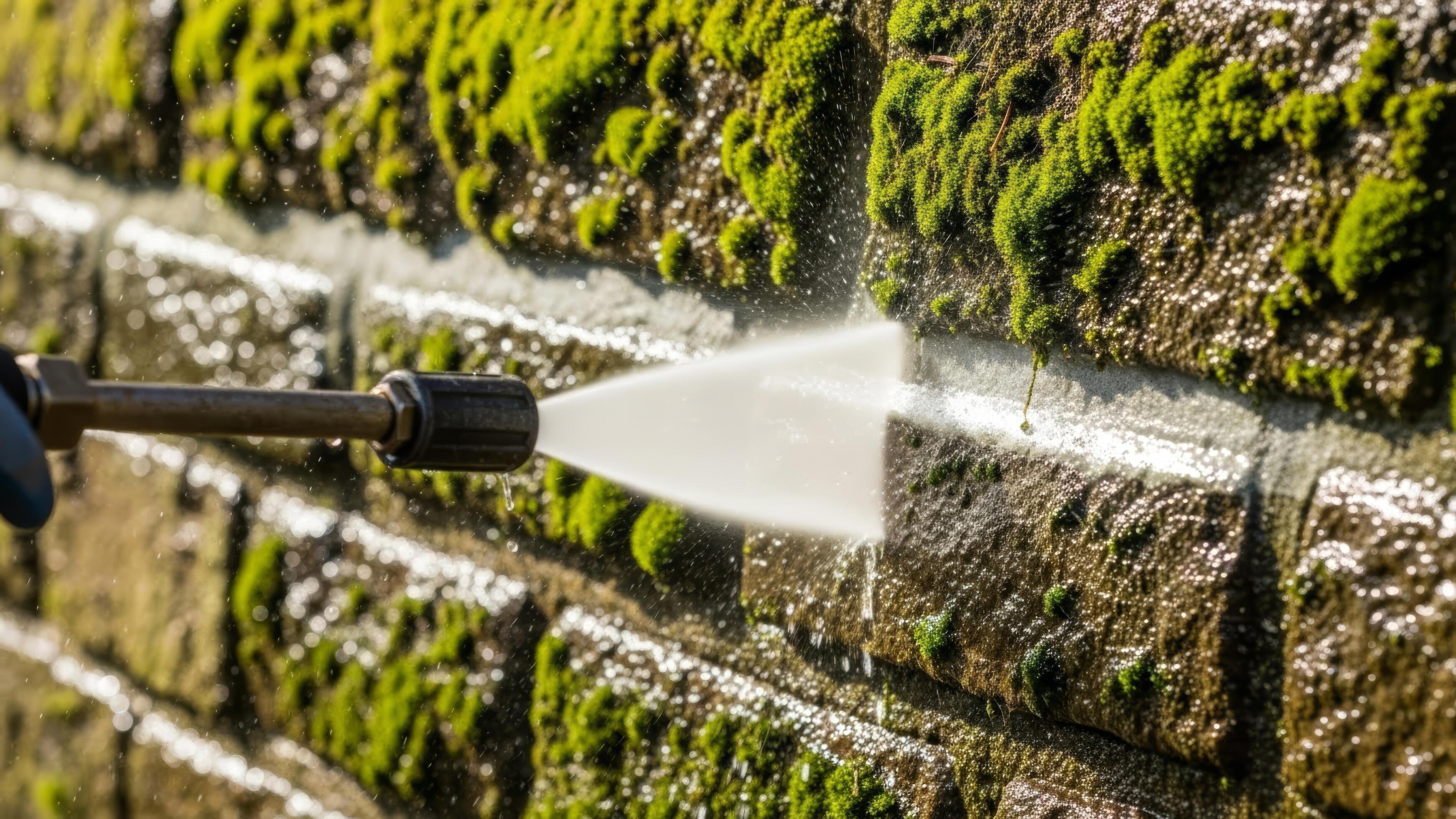
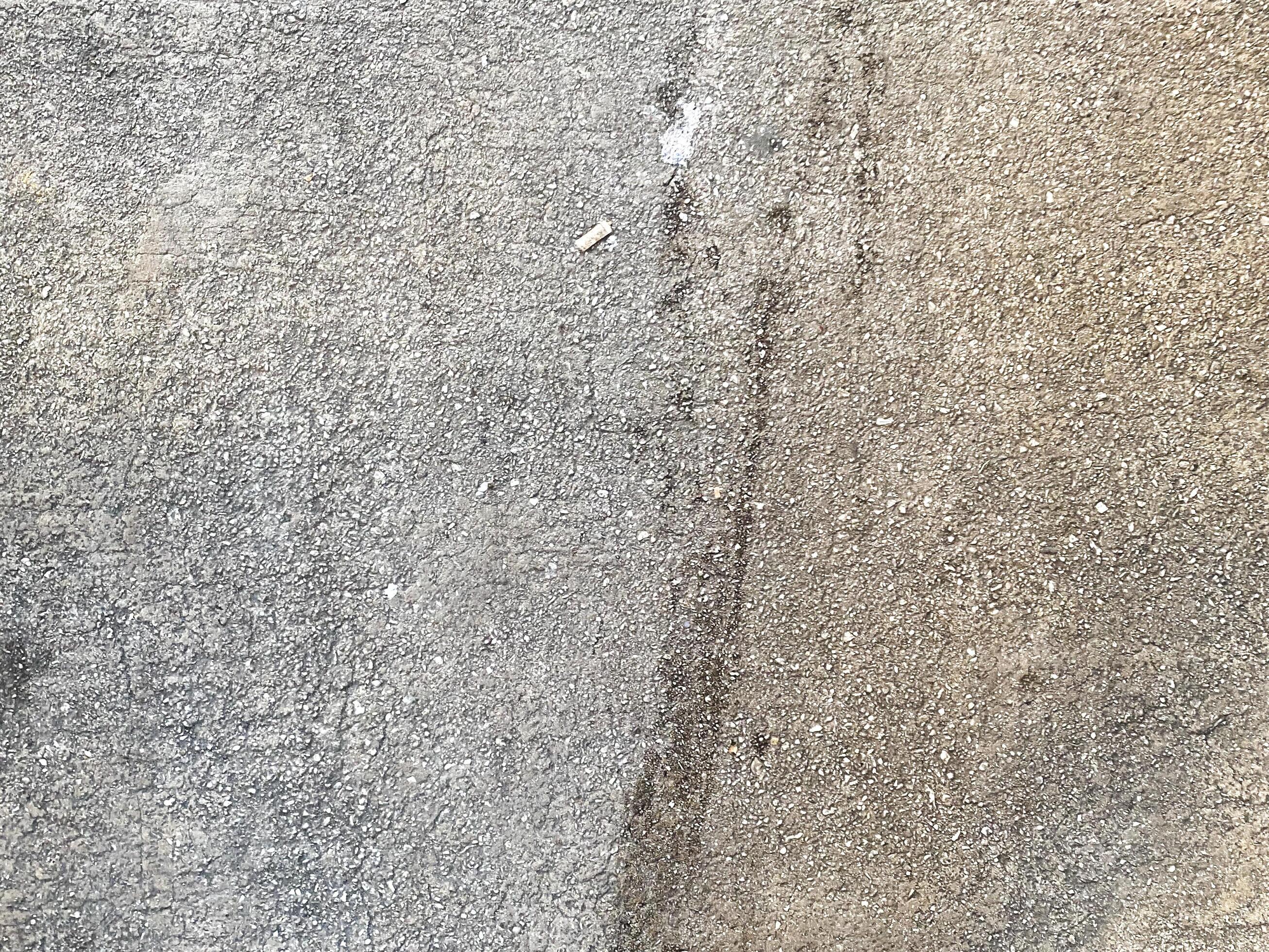
A proper cleaning clears the pores out. It strips the algae, the oils, and the film right down to the bare surface, so the texture can do its job again. Barefoot feet grab the deck the way they're meant to. The difference underfoot is something people notice the first time they walk on it after.
Why Pressure Alone Isn't the Fix
Blasting a pool deck at full pressure is a mistake. Too much force chews up the surface, especially on pavers and older concrete, and a chewed-up deck holds even more grime later.
The better approach uses the right pressure paired with a cleaning solution that kills growth at the root. That way the algae doesn't just get pushed around. It dies off, so it stays gone longer instead of creeping back in a few weeks.
Pavers get special care. The sand in the joints can wash out under heavy pressure, so a crew that knows pool decks works around that instead of blowing it all loose.
How Often It Needs Doing
More than you'd think in Estero. The heat, the humidity, and the constant splashing keep the surface damp, and damp grows algae fast.
Most pool decks do well cleaned once a year. Shaded ones, or decks under screen cages where air doesn't move much, sometimes need it twice. If your deck feels different underfoot than it used to, that film is already there.
Keeping the Deck Safe in Estero
If your pool deck has gone slick and you're tired of watching your step, a good cleaning brings the traction back. At Under Pressure Cleaning & Sealing Services, we clean pool decks and pavers all over Southwest Florida. Give us a call and let us make your deck safe to walk again.