Most people in Estero don't think about the roof until the streaks show up. Dark lines running down from the ridge. Patches that look like dirt but won't rinse away in a storm. By the time it's that visible, it's been working on the surface for a while.
Roofs here get dirtier faster than roofs in most parts of the country. The heat, the long rainy stretch, the humidity that hangs around for months. All of it feeds what grows up top.
What Those Black Streaks Really Are
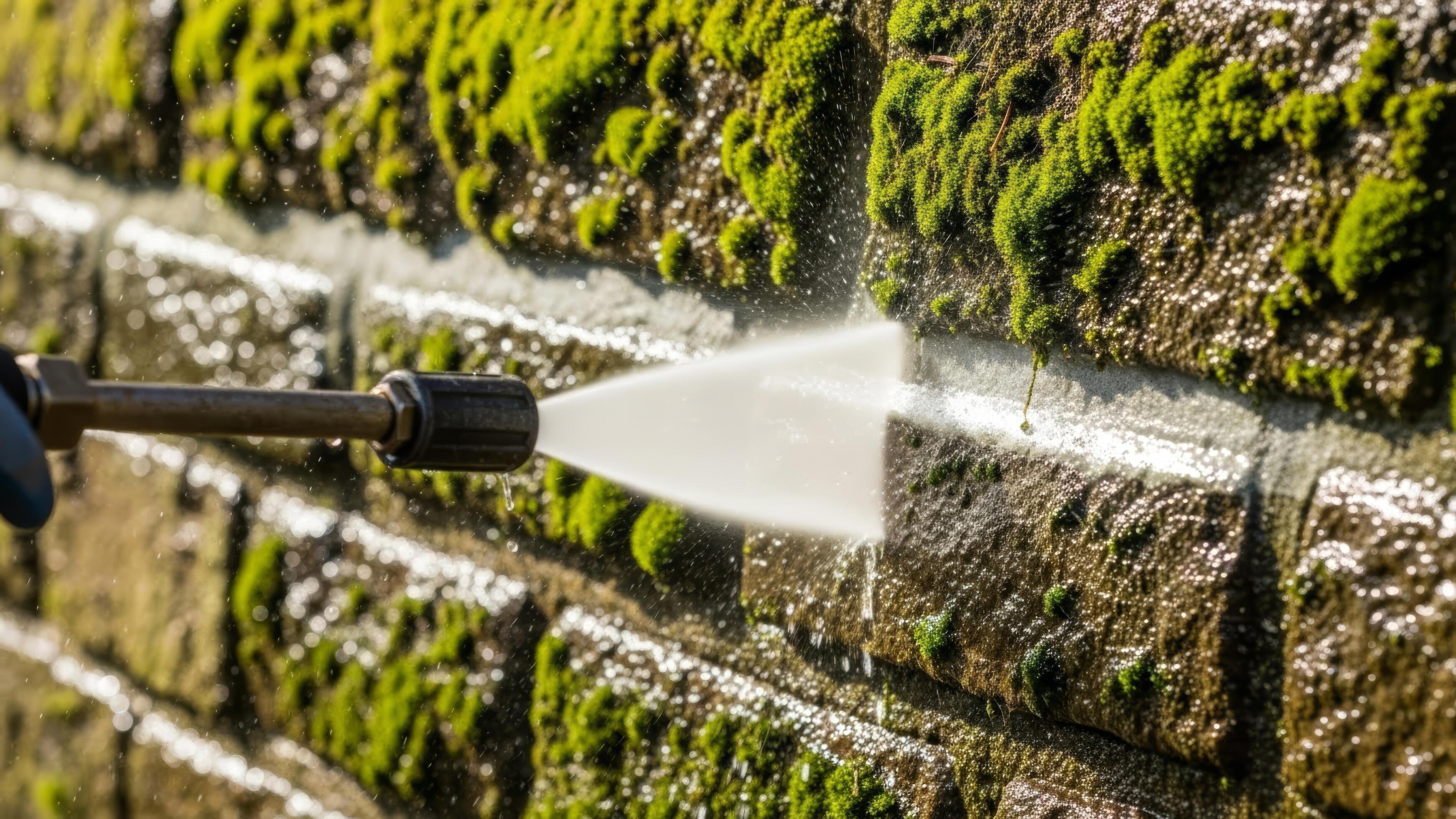
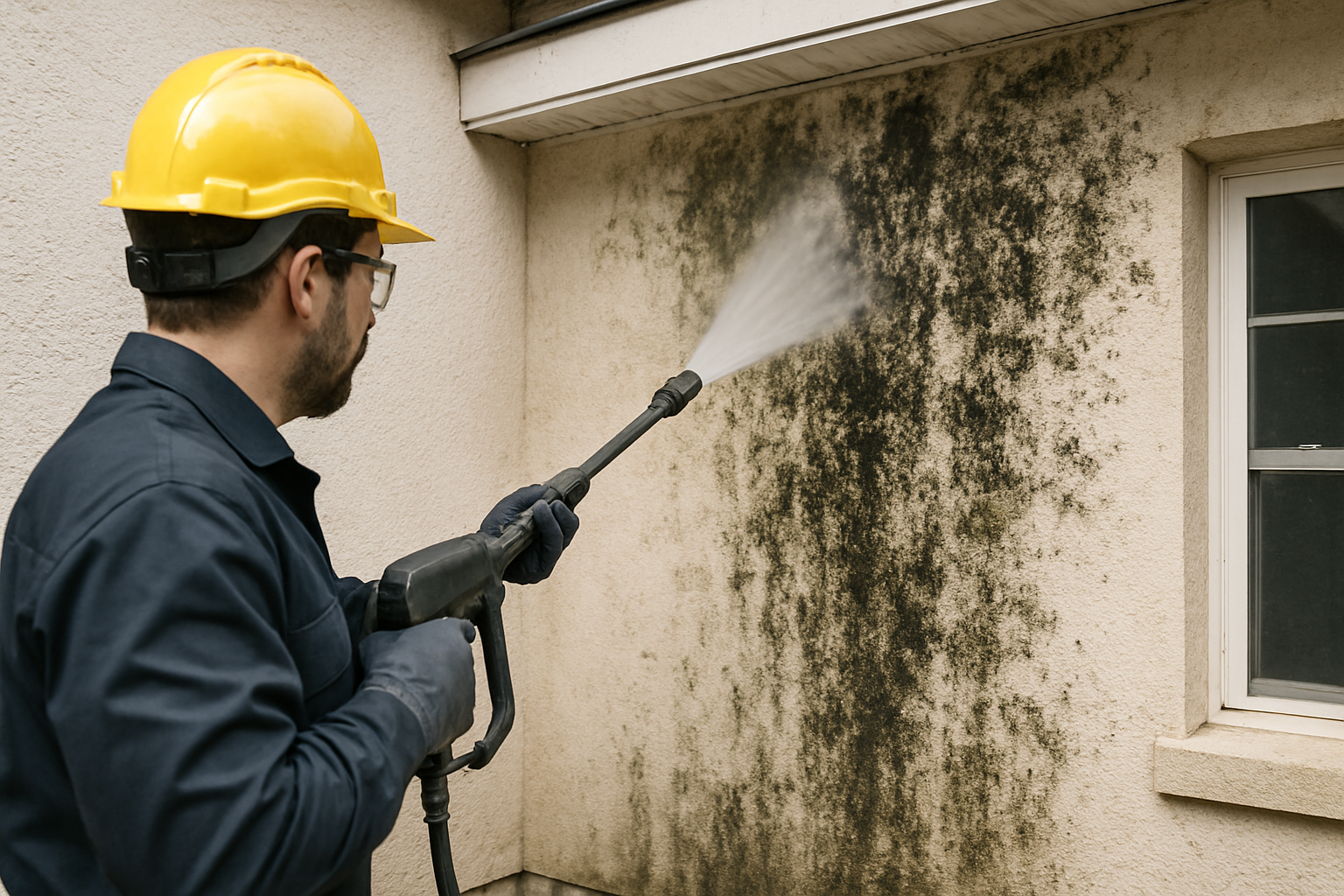
The dark streaking is algae. It feeds on the limestone filler in shingles and the porous surface of tile, and the Florida climate keeps it fed almost year-round. Left alone, it spreads. It also holds moisture against the roof, and moisture sitting on a surface is never doing it any favors.
So this isn't only about looks. A clean roof tends to last closer to the years it was supposed to.
A Schedule That Works for Most Homes
There's no single number that fits every house. Still, a rough starting point helps.
Most Estero roofs do well with a cleaning every one to two years. Some need it sooner. A few can stretch a little longer. What pushes a home toward the shorter end usually comes down to a handful of things:
- Big trees dropping shade and debris over the roof
- A north-facing slope that stays damp and rarely fully dries
- Gutters or valleys that trap leaves and hold water
- Streaks that came back fast after the last cleaning
If a couple of those describe your place, lean toward the once-a-year side.
When to Move It Up
Sometimes you don't wait for the calendar. You watch the roof instead.
Streaks creeping down from the peak. Green fuzz starting in the shaded corners. Spots that get darker each rainy season. Those are signs the growth is winning, and waiting another year just gives it more room.
A quick look every few months tells you most of what you need. You don't have to climb up there. Standing in the yard and actually looking is enough to catch it early.
Why Timing Beats Scrubbing
Here's the part people miss. A roof cleaned on a sensible schedule barely needs anything aggressive. The buildup never gets a real foothold, so the job stays gentle and the surface stays in good shape.
Let it go for five or six years, and that changes. Now there's thick growth, deep staining, and a roof that's been under that load the whole time. Regular cleaning is the easier road by a wide margin.
Soft Washing, Not Blasting
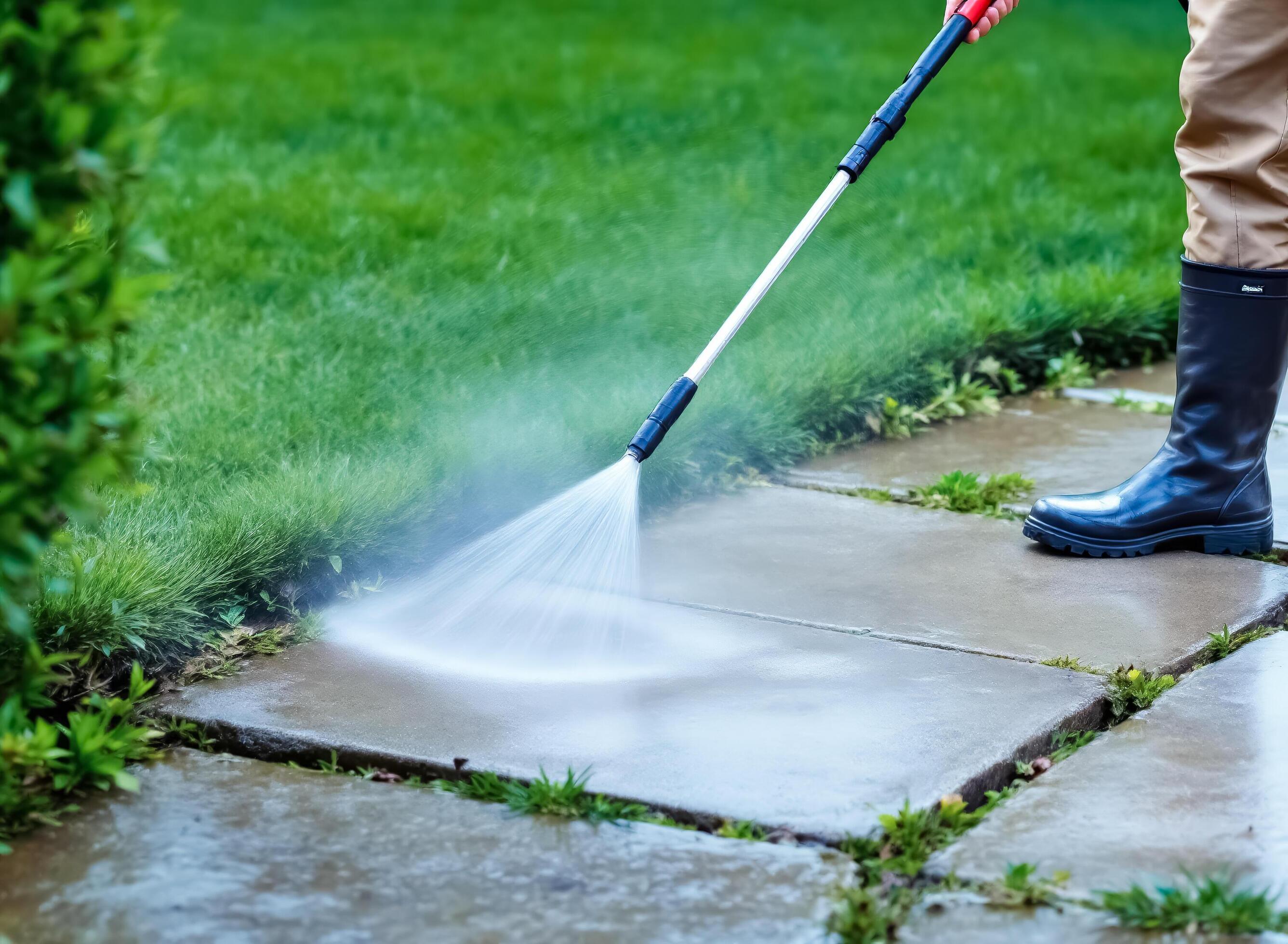
One thing worth knowing. Roofs in this area are usually cleaned with a low-pressure, soft wash method rather than a hard blast. Shingles and tile don't react well to heavy pressure, and the goal is to treat the algae at the source, not strip the surface. Done right, the roof comes clean and stays clean longer.
That's the difference between a roof that looks fresh for a season and one that holds up.
If your roof in Estero is starting to streak, or you just can't remember the last time it was cleaned, Under Pressure Cleaning & Sealing Services can take a look and set you up on a schedule that makes sense.