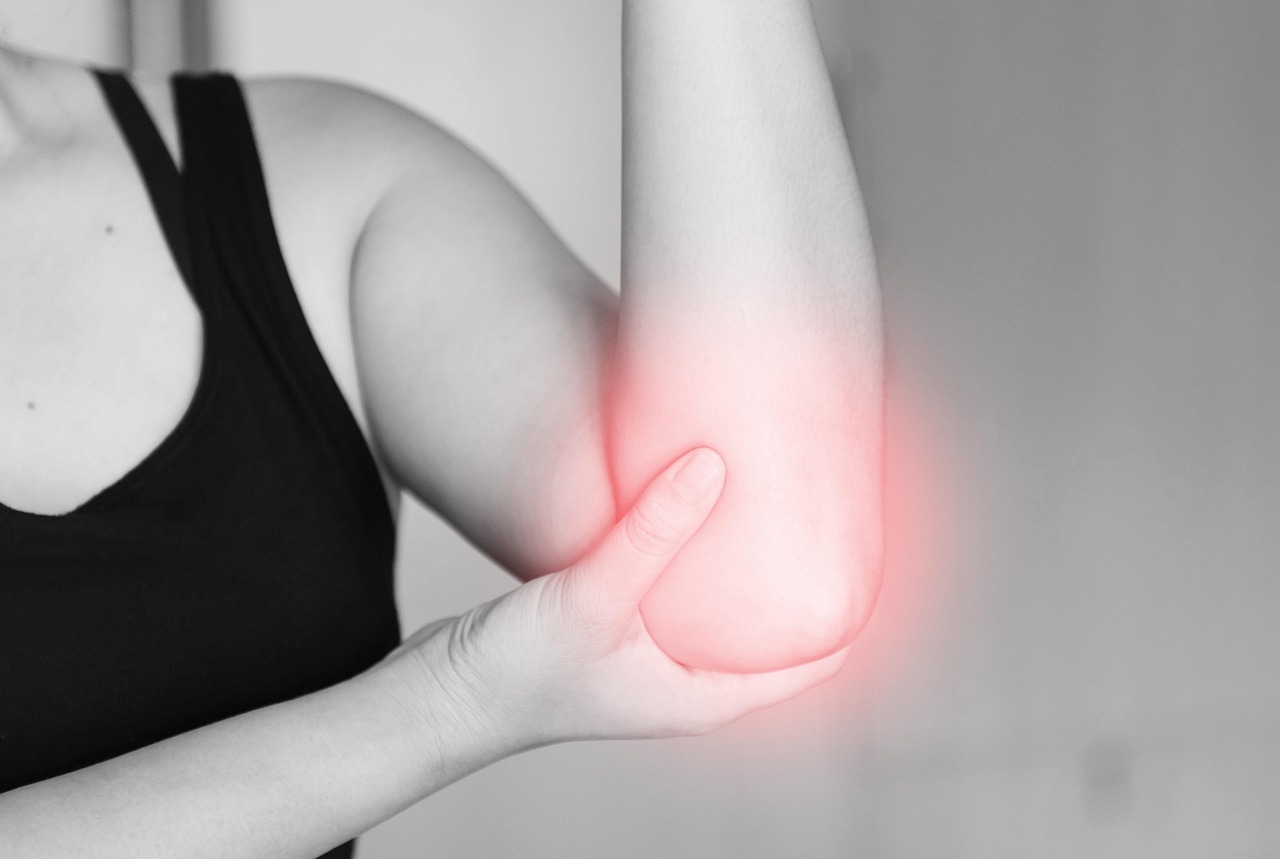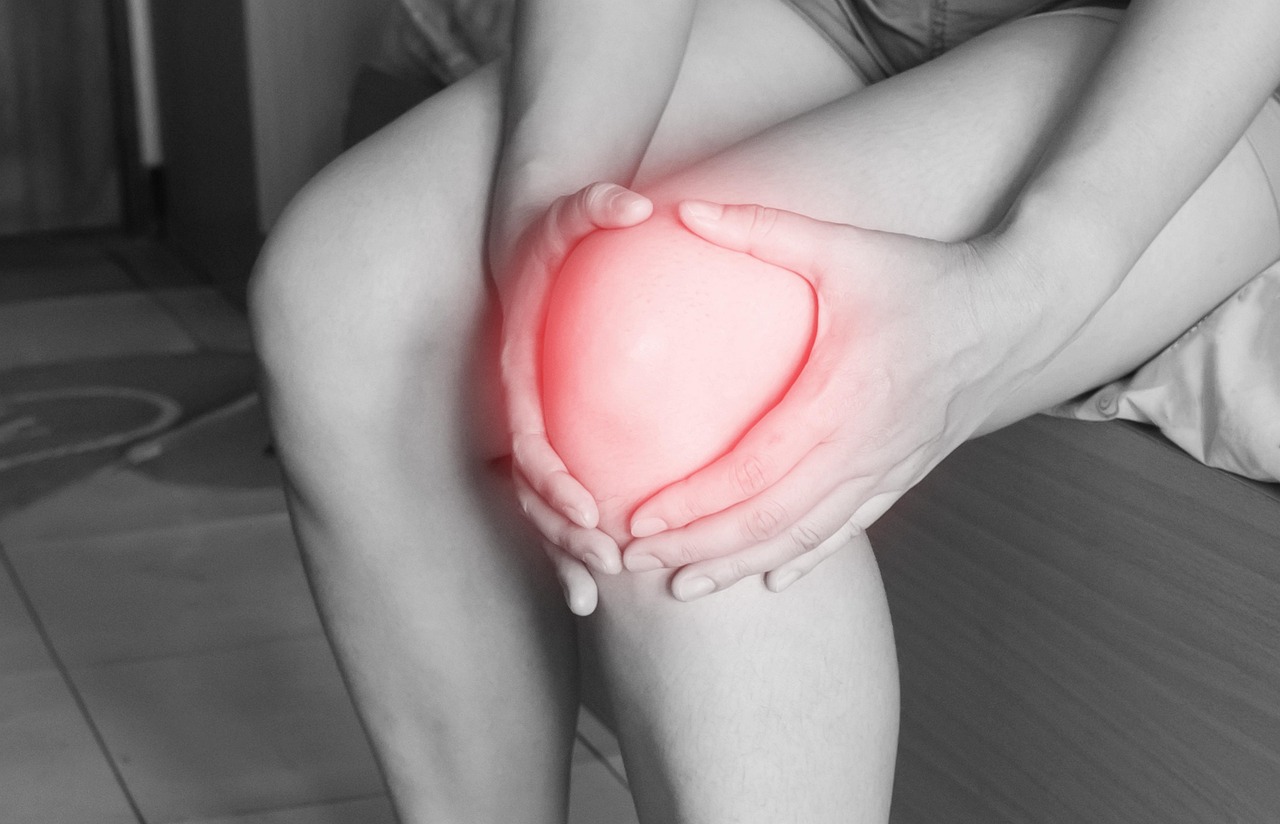
Not all hip pain comes from the joint. That's worth stating plainly, because people with persistent hip pain often assume arthritis and get discouraged. A meaningful share of it comes from the muscles around the hip, and muscle pain responds to different treatment entirely.
Trigger point injections target that muscular source specifically.
When Muscles Are The Culprit
The hip is surrounded by substantial muscles, the glutes, the deep rotators, the muscles along the outer hip. When those develop trigger points, tight bands of contracted fibers, they generate real pain, and they often refer it to places that make you think the joint is involved.
A knot in the gluteal muscles can send pain into the outer hip and down the thigh. One in the deep rotators can produce pain in the buttock that mimics sciatica. That referral pattern is why muscular hip pain gets misattributed so often.
How To Tell It Might Be Muscular
- Pain that's tender to firm pressure over a specific spot
- Pain that changes with position and activity rather than staying constant
- A deep ache that hasn't matched what imaging shows
- Symptoms that flare after certain activities and settle with others
- Pain that's persisted despite treatment aimed at the joint
None of those are definitive alone, but together they point toward looking at the muscles.
What The Injection Does
A thin needle goes directly into the trigger point, usually delivering a small amount of local anesthetic. That interrupts the loop keeping those fibers contracted and irritated, which lets the muscle release.
It's quick and done in the office. Most people feel a brief cramp as the needle finds the spot, then looseness afterward, with some soreness for a day or two.
The Diagnostic Value
There's something useful here beyond the relief. If an injection into a specific muscle substantially relieves your hip pain, that tells you the muscle was a real contributor. That information shapes the rest of your treatment.
What It Doesn't Address
There's a familiar limitation. An injection releases the knot, not the reason it formed. Hip muscles develop trigger points because of weakness, poor mechanics, gait patterns that overload one side, or compensating for another problem.
Leave all that in place and the knots reform. That's why injections work best as part of a plan rather than as the plan.
Using The Window Well
The productive approach uses the relief to do the work that lasts. Strengthening the glutes and hip stabilizers, correcting gait patterns, addressing whatever's overloading that side. That's what keeps the pain from returning in a few months.
Hip pain that hasn't matched the usual explanations? Modern Medicine of East Mesa, AZ can figure out whether muscle is the source. Call or book through the online form.