Frozen shoulder is strange in that it usually arrives with no story behind it. No fall, no wrench, no obvious injury. The shoulder just gets tighter and tighter until one day you reach for something and realize how much motion has quietly slipped away. Restoring that range is the whole goal, and the smart approach depends on where you are in the process.
What's Actually Happening
The capsule that wraps the shoulder joint thickens and tightens, and scar-like tissue draws the whole thing down until the joint is genuinely stuck. The medical name is adhesive capsulitis. Everyday things start to go, reaching behind your back, fastening a seatbelt, washing your hair.
It shows up more often after a stretch of not using the arm, and more in people over forty, in women, and in those with diabetes or thyroid issues. Sometimes there's simply no clear reason.
The Phases Change The Plan
Frozen shoulder isn't one steady state. It moves through stages, and treating it right means matching the care to the stage:
- The painful phase, where the ache dominates and motion slowly slips
- The frozen phase, where pain eases but stiffness peaks
- The thawing phase, where motion gradually returns
Push hard for range during the painful phase and you'll flare it and set yourself back. Timing matters as much as effort here.
How We Work The Range Back
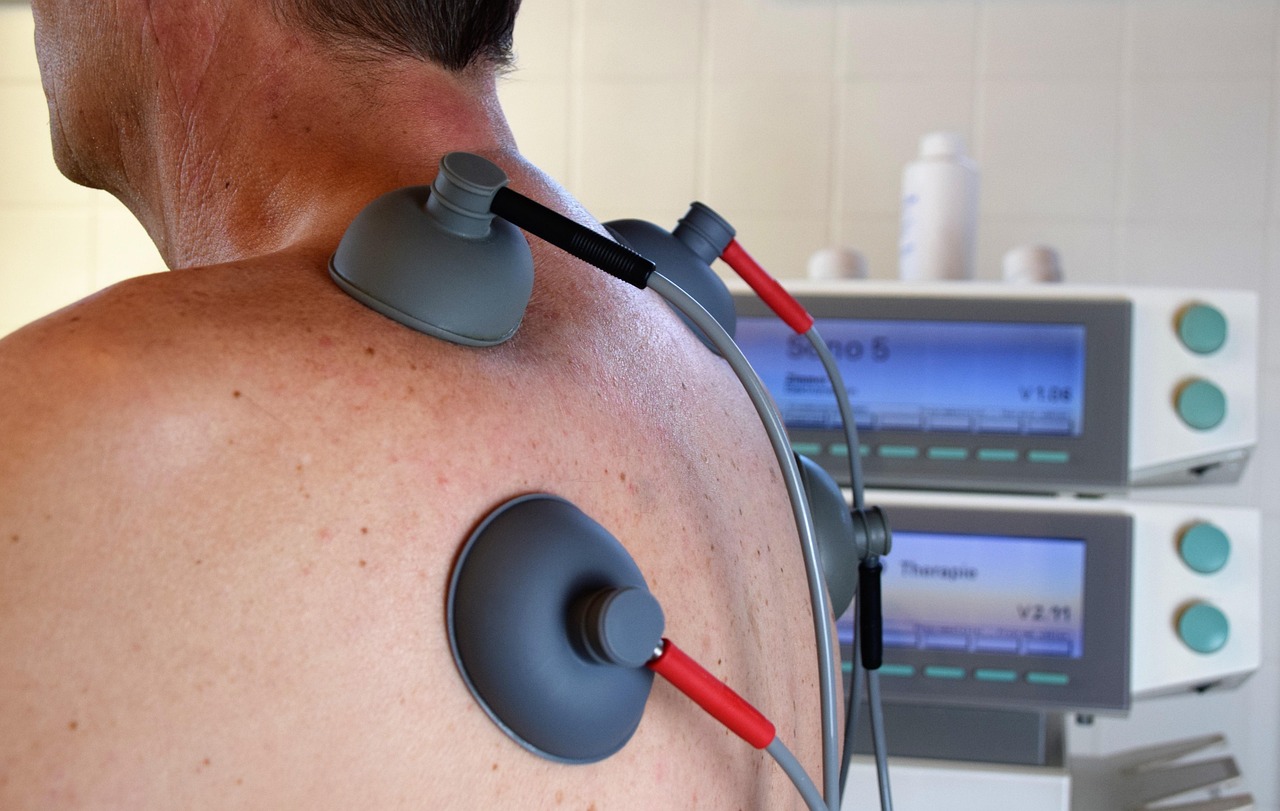
The approach shifts as you move through the phases. Early, it's gentle motion and calming the pain. As the pain settles, hands-on techniques loosen the tight capsule and the stretching gets more assertive. Once the joint starts opening up, strengthening comes in. Throughout, a daily home program is what keeps the momentum going, since this shoulder responds to frequent, gentle work far more than to one hard session a week.
Why "Quickly" Has Limits
Honesty matters here. Frozen shoulder tests your patience by nature. Even done right, it takes time to move through the phases. What good care does is shorten that road and keep you from losing more motion than you have to. Doing nothing usually drags it out longer and leaves you stiffer. So "quickly" really means "as efficiently as the condition allows," not overnight.
Getting The Diagnosis Right First
A stiff, painful shoulder isn't always frozen shoulder. A rotator cuff problem or arthritis can mimic it, and they call for different care. Frozen shoulder has a telltale sign, motion that's limited whether you move the arm yourself or someone moves it for you. We confirm that pattern before building the plan.
Shoulder quietly stiffening up on you? Modern Medicine of East Mesa, AZ can match the care to your phase and work the range back. Reach us by phone or the online booking form.