The moment most people finally deal with carpal tunnel is the moment it stops being occasional. It's no longer a hand that falls asleep now and then. It's waking up night after night, or fumbling things during the day, or a grip you can't quite trust. When it reaches that point, a local orthopedic clinic can sort it out, and the encouraging part is that surgery is usually the last resort, not the first.
What's Behind The Symptoms
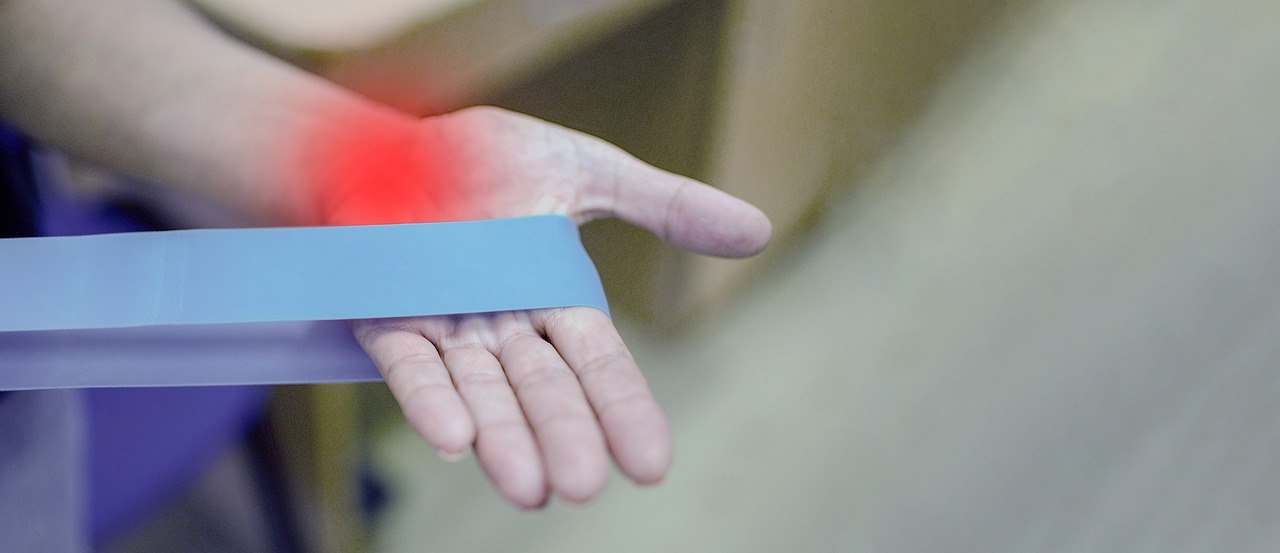
On the palm side of your wrist sits a tight passage where a main nerve travels into the hand next to the tendons that bend your fingers. When that passage gets too crowded, the nerve is the part that pays for it. You feel that as tingling and numbness in the thumb, index, and middle fingers, a grip that fumbles, and symptoms that tend to peak overnight.
The nighttime spike happens because we sleep with the wrist bent, which squeezes the nerve harder.
Why Conservative Care Comes First
For early and moderate carpal tunnel, the smartest move is easing pressure off the nerve and dealing with whatever's crowding the passage. That works often enough that surgery stays in reserve.
- A wrist splint, worn mainly at night, to keep the wrist straight while you sleep
- Adjustments to daily habits and your workspace so the wrist isn't bent for hours
- Nerve and tendon gliding to keep things moving freely
- Stretching and strengthening for the wrist and forearm
- Handling any swelling that's contributing
For a lot of people, the night splint alone is the turning point. Keeping the wrist neutral through the night stops the wake-ups and finally lets the nerve rest.
The Value Of A Proper Look
Part of what a clinic adds is confirming it's actually carpal tunnel. Numb, tingling fingers can also come from a nerve pinched up in the neck or from a different nerve irritated at the elbow, and those don't respond to a wrist splint. Carpal tunnel has a specific signature: the thumb-side fingers, worse at night, so we make sure the picture fits before building a plan around it. Treating the wrong thing wastes your time.
Don't Let It Coast Too Long
Timing is the thing to respect. Early on, the gentle approach works well. Let it run unchecked and the nerve can sustain lasting damage, and the small muscles it controls can start to shrink, both far harder to undo. If the numbness has become constant or the hand is clearly losing strength, that's the signal to get seen rather than keep pushing through.
Hand going numb or waking you at night? Modern Medicine of East Mesa, AZ can pin down what's happening and start settling it. Call or book through the online form.