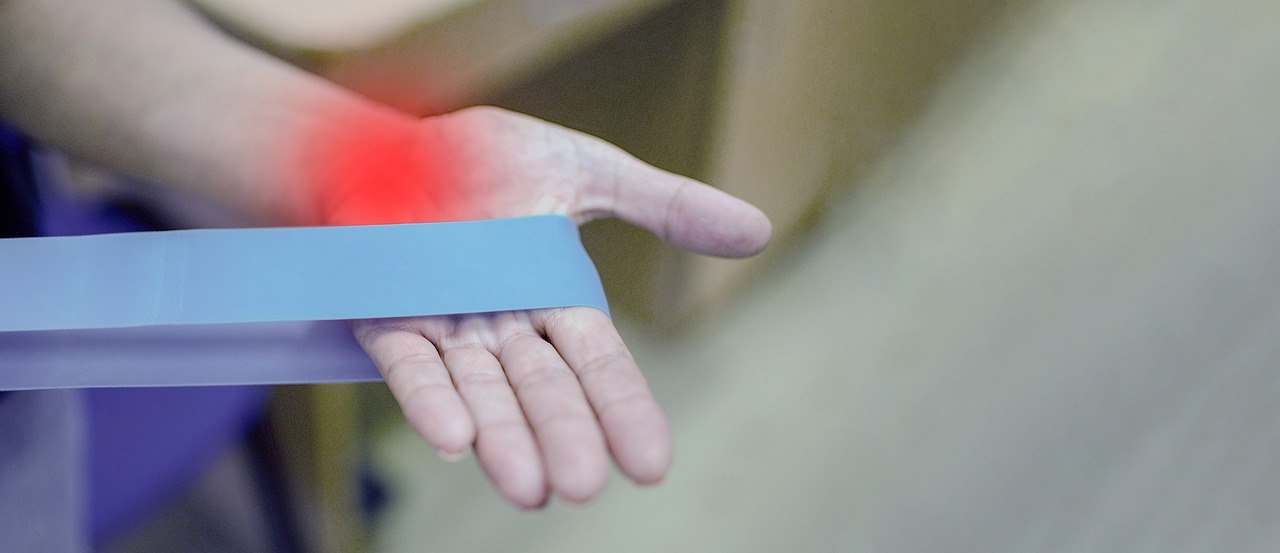
Mesa, AZ — How Do Orthopedic Clinics Treat Shoulder and Rotator Cuff Injuries?
People tend to talk about shoulder problems like they’re all one thing. My shoulder’s messed up. My rotator cuff’s acting up. But under that umbrella sit several different injuries, and they don’t get treated the same way. Getting the specific diagnosis right is the part that decides whether treatment works, because the plan for one shoulder problem can be the wrong plan for another. That’s the first real job when you walk into a clinic with a bad shoulder.
What “Shoulder Injury” Actually Covers
The shoulder is a busy joint with a lot of parts, and trouble can show up in any of them. A few of the common culprits:
- Rotator cuff tendonitis, where one of the cuff tendons gets irritated and inflamed
- Impingement, where the tendons get pinched in the joint as you raise the arm
- A rotator cuff tear, partial or full, in one of those tendons
- Bursitis, where the cushioning sac in the joint gets irritated
- Instability, where the joint moves more than it should and things get aggravated
- A frozen shoulder, where the joint stiffens and locks down over time
These can feel similar from the outside. Pain reaching overhead, trouble sleeping on that side, a shoulder that won’t do what you ask. But what’s actually wrong is different in each, and so is the fix.
Why the Diagnosis Decides the Plan
Here’s why the specific answer matters so much. Treat an impingement like a frozen shoulder and you’ll push motion the wrong way. Treat a frozen shoulder like a tear and you’ll baby it when it needs the opposite. The right work for one is sometimes the exact wrong work for another.
Take frozen shoulder versus a cuff tear. A frozen shoulder needs steady work to restore lost motion, pushing into the stiffness. A fresh cuff tear needs the motion protected early while strength builds carefully. Do those backward and you make each worse. That’s why a clinic that skips a careful diagnosis and hands everyone the same shoulder routine tends to get mixed results.
How a Clinic Sorts It Out
A real shoulder assessment digs past the general soreness. The therapist or doctor takes a history of how it started and what makes it worse, then watches how the shoulder moves and tests it in specific positions. Certain movements and tests point toward specific problems, an arc of pain here suggesting impingement, a loss of both active and passive motion there pointing to frozen shoulder. Imaging gets added when it’s needed to confirm a tear or rule something out.
That workup is what turns “bad shoulder” into a specific diagnosis you can actually build a plan around.
When to Get It Looked At
Worth getting checked when shoulder pain has hung on past a couple of weeks, when reaching overhead catches or weakens, when it’s wrecking your sleep, or when you’re steadily losing range. Catching it earlier means less stiffness to undo.
If your shoulder’s been giving you trouble, Modern Medicine of East Mesa, AZ can pin down exactly what’s wrong and build the plan around it.