A hamstring strain usually announces itself. One second you're sprinting for a ball or pushing the last stretch of a run, the next there's a sharp grab in the back of your thigh that stops you cold. Some people swear they felt a pop. You pull up, limp off, and within an hour, the back of the leg is tight, sore, and not happy about bending or straightening all the way.
The strain itself is bad enough. The real headache is what comes after, because hamstrings have a nasty habit of re-tearing if you rush them. That part trips up more people than the original injury does.
Why Hamstrings Are So Easy to Re-Injure
Here's the trap. A hamstring starts feeling decent well before it's actually healed. The pain backs off, you test it, it holds, so you figure you're good and jump back into running or cutting. Then it goes again, often worse than the first time.
The muscle needs more than the absence of pain. It needs its strength back and its ability to handle a sudden stretch under load, which is exactly what running and sprinting demand. Skip that, and you're rebuilding on a weak spot.
A few things make the muscle more likely to give in the first place:
- Cold or under-warmed muscles sprinting
- Weak hamstrings that can't keep up with strong quads
- Tight hips that change how the leg loads
- Fatigue late in a game or run, when form slips
- An older strain that never fully rehabbed
What Treatment Looks Like
The first day or two is about settling things down. Calming the swelling, protecting the muscle, keeping off it enough to let the worst of it ease. But total rest doesn't last long here. Hamstrings respond better to controlled, early movement than to sitting still for weeks.
From there, a sports medicine plan builds up in stages:
- Gentle range-of-motion work to get the leg moving without straining the tear
- Progressive strengthening, easing into the loads the muscle will face again
- Eccentric work, especially, which trains the hamstring to handle a stretch under tension
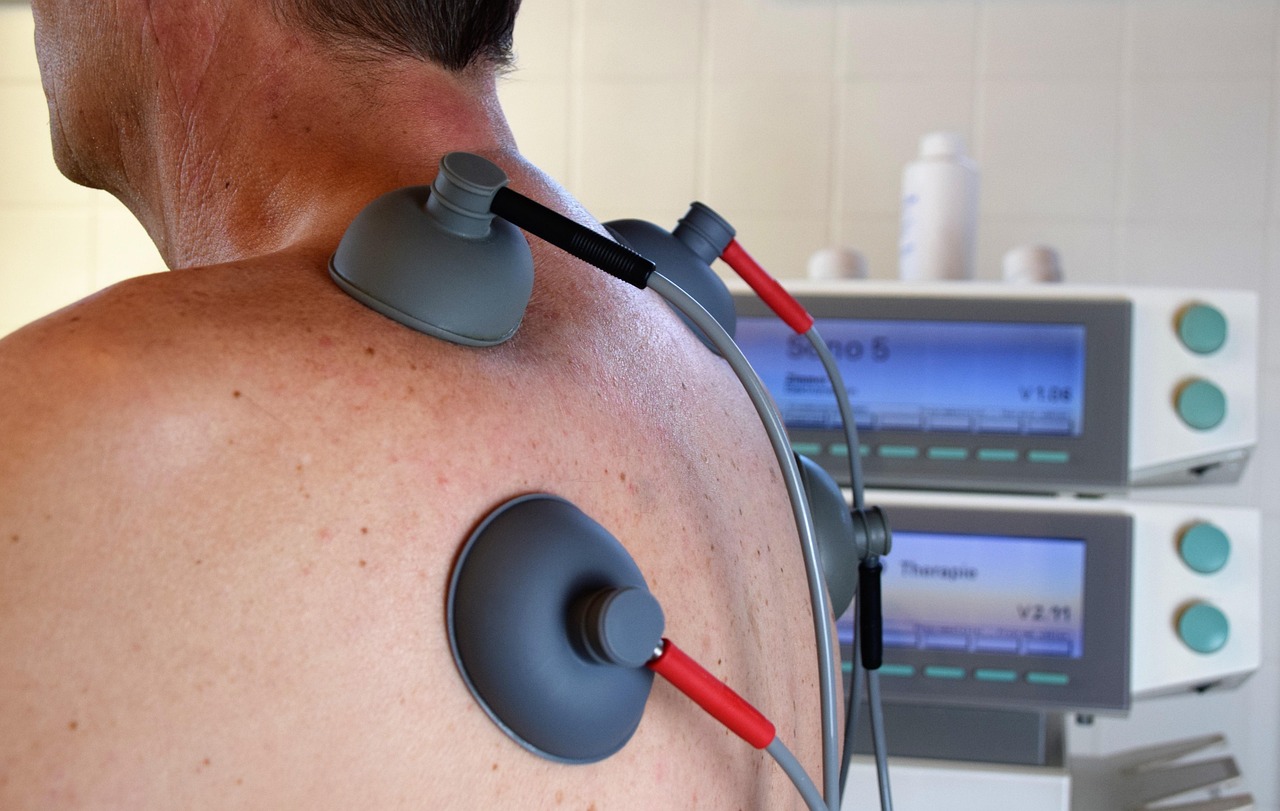
- Hands-on therapy to keep scar tissue from laying down tightly and restricting movement
- Attention to the hips and core, since weakness there often sets up the strain
When to Get It Looked At
A mild tweak might settle on its own. A real strain is worth having checked, especially if you felt a pop, if there's bruising down the back of the thigh, if it hurts to walk, or if it's tight and weak more than a few days out. Pain that keeps you from straightening the leg counts too.
Getting it assessed early means a return plan built around your leg instead of a guess, and that's usually the difference between healing once and healing three times.
If a hamstring strain has you sidelined and you want to come back without re-tearing it, the team at Modern Medicine of East Mesa, AZ can take a look and map out the way back.