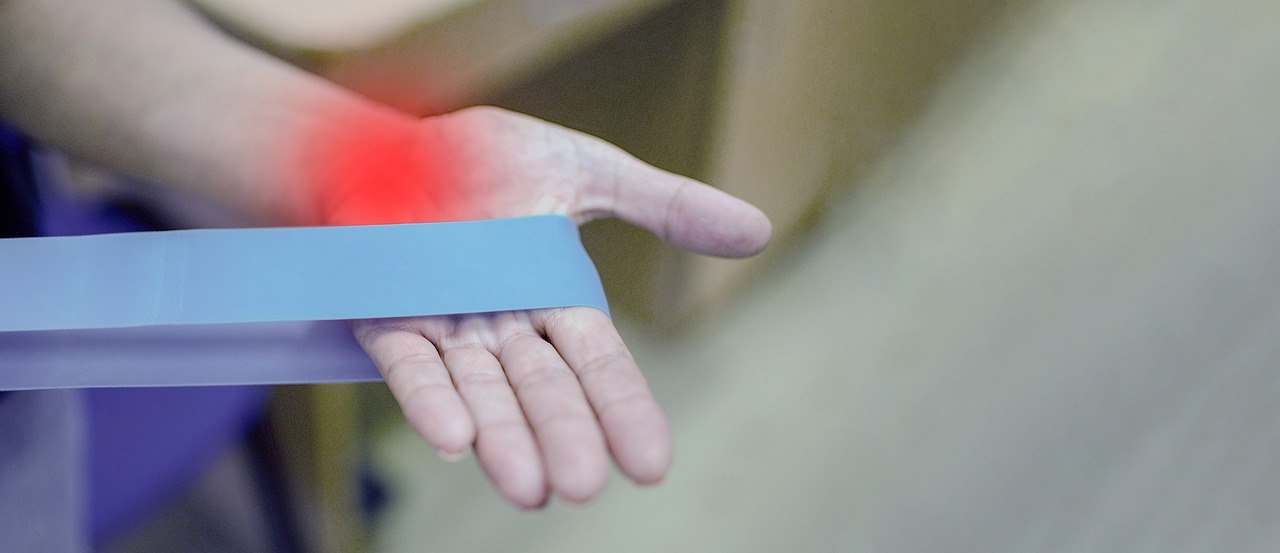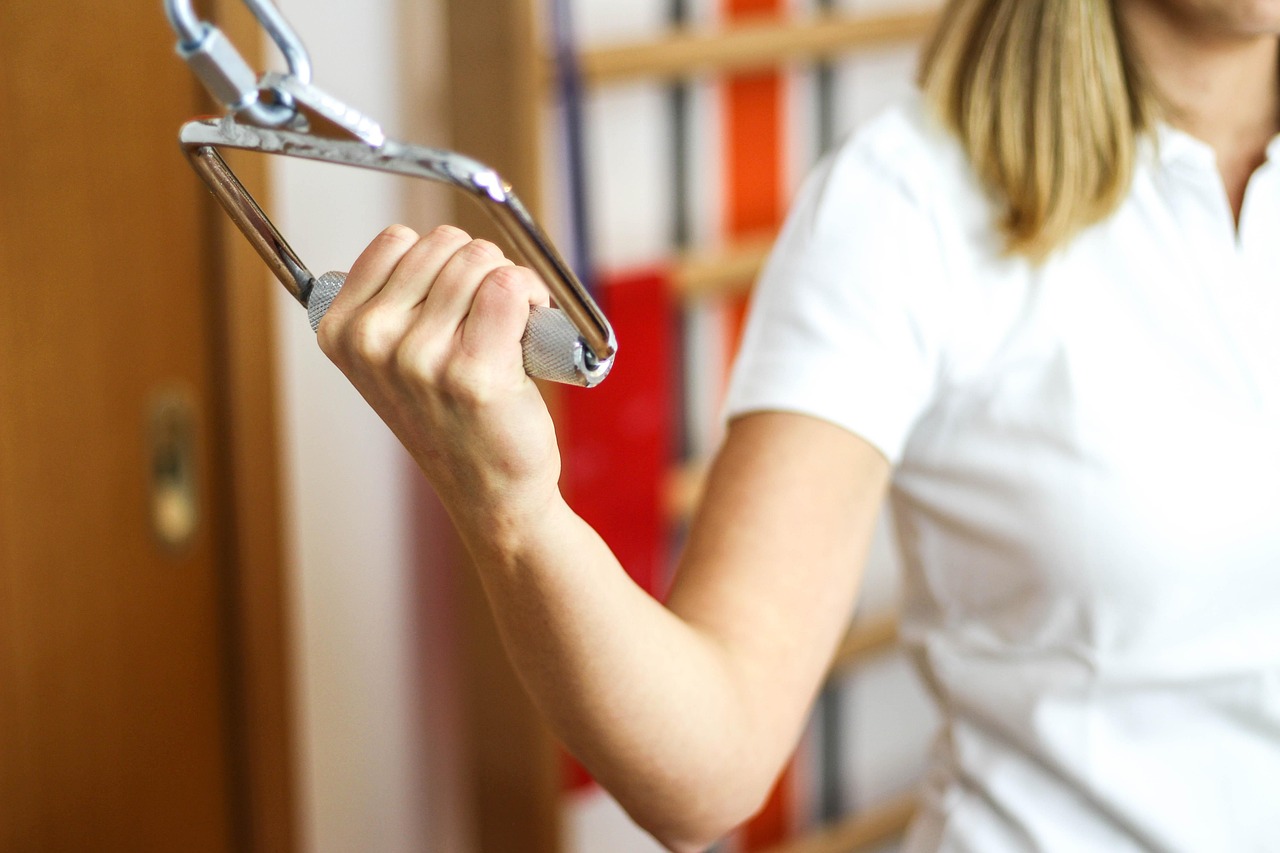
Pickleball gets its hooks in fast. One open-gym invite, and a few weeks later, you're playing four mornings a week and checking the weather to see if the courts are dry. It's social, it's quick, and it's easier on the body than tennis. Right up until something starts to ache.
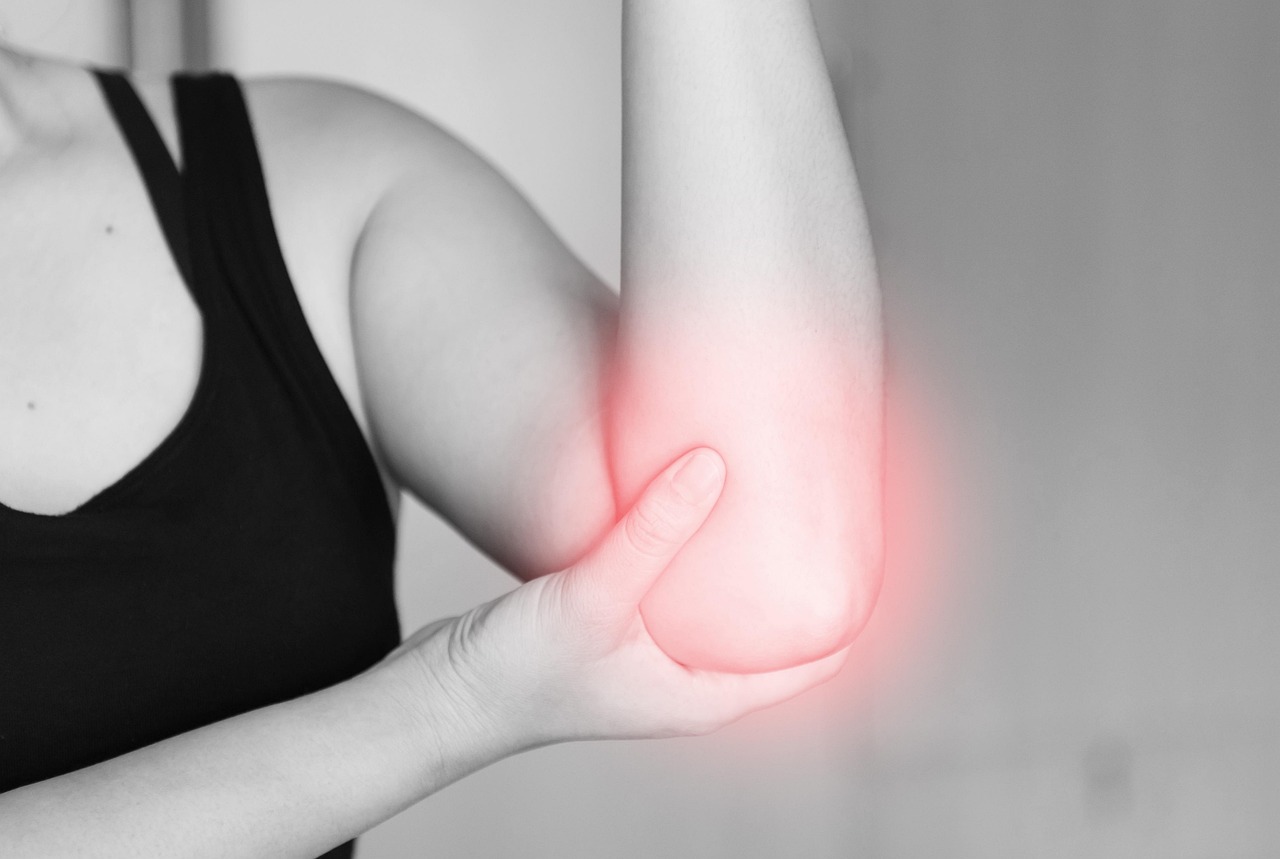
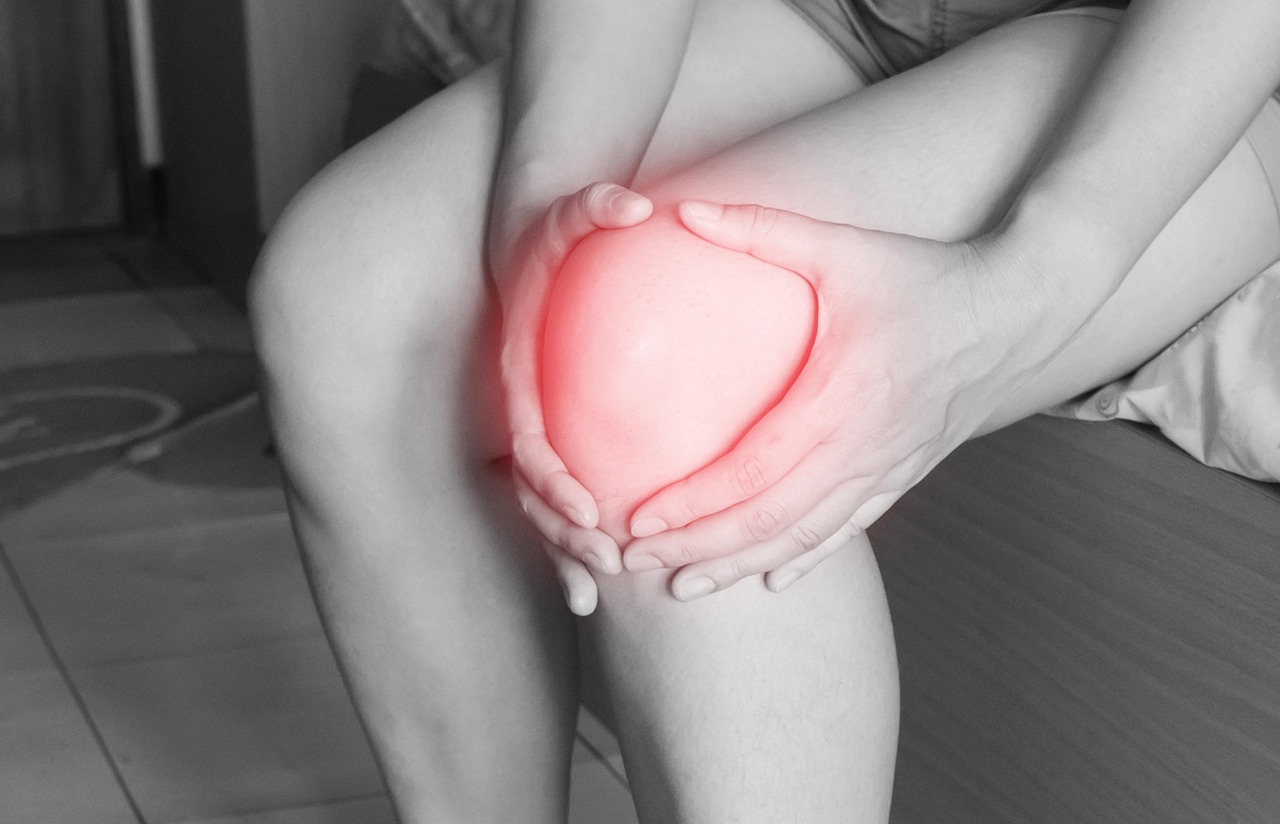
Then it's the knee on every lunge. Or the shoulder when you reach for an overhead. Or the elbow that lights up each time you snap a shot. The fun part doesn't change. The joints just start sending bills for it.
Why a "Low-Impact" Sport Still Hurts
People are caught off guard by pickleball injuries because it looks gentle. The court is small, the paddle is light, nobody's running miles. The catch is in how the body actually moves out there.
The game is built on quick, sharp actions. Sudden starts and stops. Lateral shuffles. Hard pivots on a planted foot. Quick reaches and reactive lunges to dink a ball that just clears the net. Those bursts load the joints in fast, jerky ways, and that's where the trouble shows up:
- Knees that take the brunt of all the stopping and pivoting
- Shoulders worn down by repeated overheads and serves
- Elbows that flare from the same paddle motion over and over
- Ankles rolled or strained on a quick lateral push
- Achilles and calf trouble from the constant stop-start
A lot of players are also over fifty, returning to real activity after years away. The enthusiasm shows up before the conditioning does, and the joints feel the gap.
Where Sports Medicine Fits
This is the useful part. Sports medicine isn't only for serious athletes with dramatic injuries. A recreational player with a sore knee that won't quit is squarely the kind of person it helps.
The approach goes past quieting the pain. It digs into why the joint is complaining, which is usually some mix of how you move, what's weak, and how much you're playing:
- Finding the real source, since elbow pain might start at a weak shoulder, and knee pain at the hips
- Strengthening the muscles that protect the aching joint so it stops absorbing everything
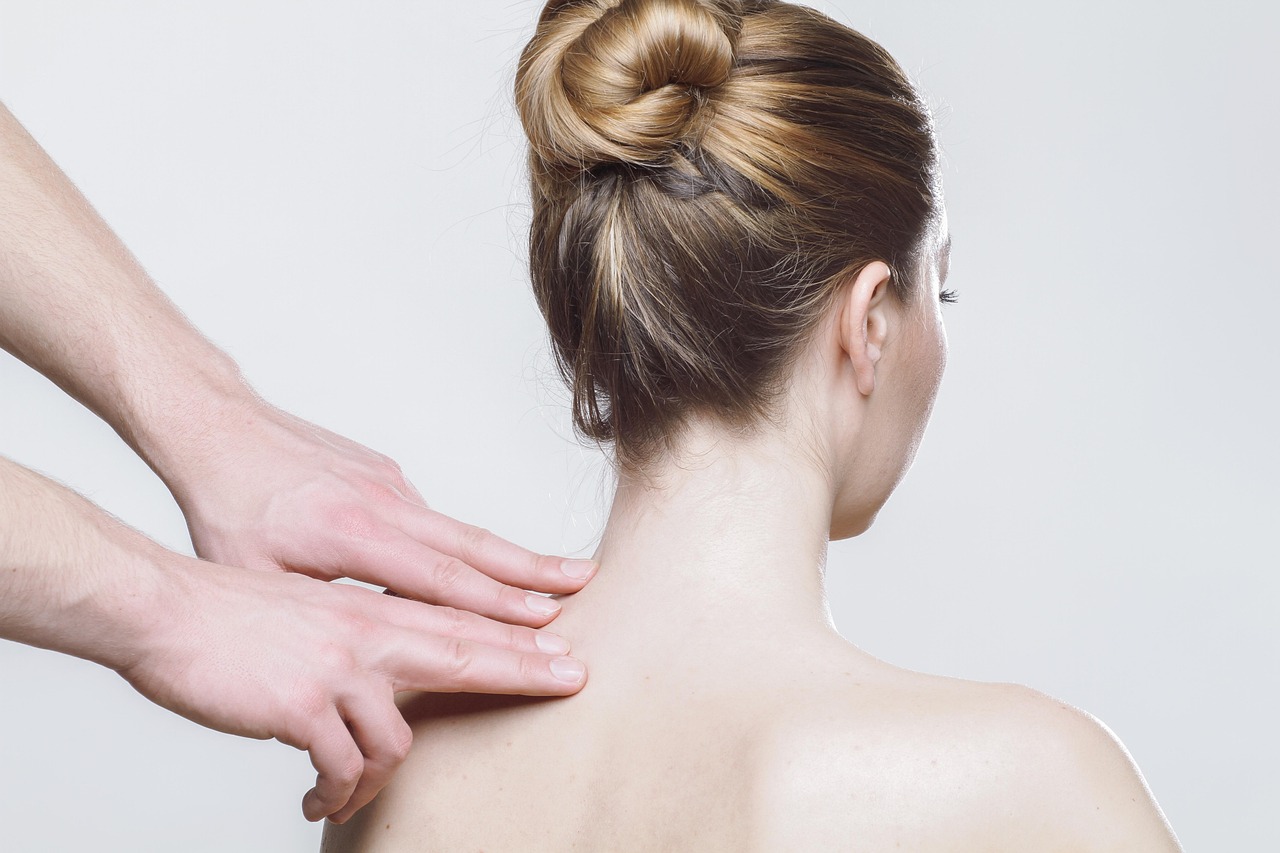
- Hands-on work to loosen tight areas that are throwing off how you move
- A look at your mechanics, since small tweaks to a swing or a stride spare a joint a lot of wear
- A plan to keep playing through it where possible, instead of parking you on the couch
That last part lands well with pickleball players. Most don't want to hear stop playing. They want to keep playing without the ache, and a good plan usually finds a way to thread that.
Staying in the Game
It starts with sorting out what's actually behind the pain, then a plan to settle the joint, shore up the weak spots, and keep you on the court as much as the injury allows. For most players, that beats the alternative of pushing through until something forces a real break.
Come see us at Modern Medicine of East Mesa, AZ. We'll take a look at what's bugging you and put together a plan to keep you on the court. Give us a call to set up a visit.