SYNOPSIS: This article covers the feeling of hip arthritis stiffness, how it affects daily life, and how orthopedic services help the hip move better without rushing toward surgery.
Orthopedic Care And PT for Hip Arthritis Stiffness
BY: Josh Adams, Modern Medicine of East Mesa, AZ
What Stiff Hips Actually Feel Like
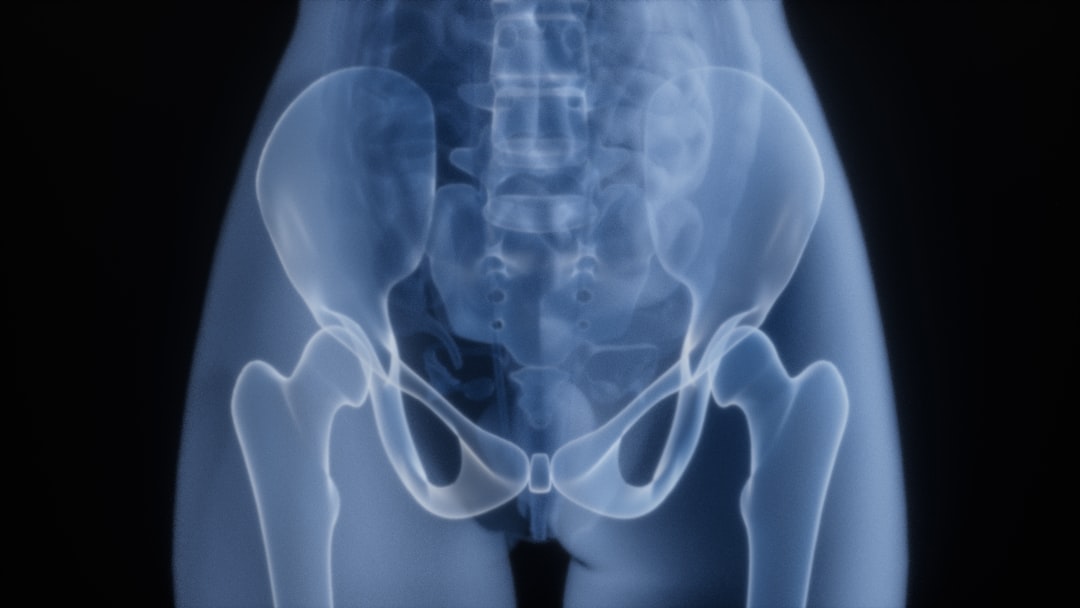
Hip arthritis does not come on loud. It starts quietly. A locked-up feeling in the morning that loosens after a few minutes. Pain in the groin or the outside of the hip that shows up on longer walks. A click or a grind rotating the leg. Trouble getting comfortable in bed because no side works. Standing up after sitting too long, then moving like a rusty hinge.
Some people feel worse after a movie or a long drive across town. Others notice it on stairs or when stepping into the shower. The stiffness usually wins before the pain does.
Why the Hip Stops Moving Right
Arthritis wears down the cartilage in the joint, leaving the bone with less of a buffer. The body tightens the muscles around the hip to protect it. That guarding is what makes the joint feel locked up. Over time, the surrounding muscles weaken, which throws off how the hip handles weight.
The bigger problem is everything else adjusting to it. The low back picks up slack. The other hip pulls extra duty. The knee on that side starts compensating with every step. What started as a stiff hip turns into pain in three or four places.
What Orthopedic Care Actually Does For You
Orthopedic care for arthritis stiffness gets the joint moving better and takes pressure off it, so daily life feels easier.
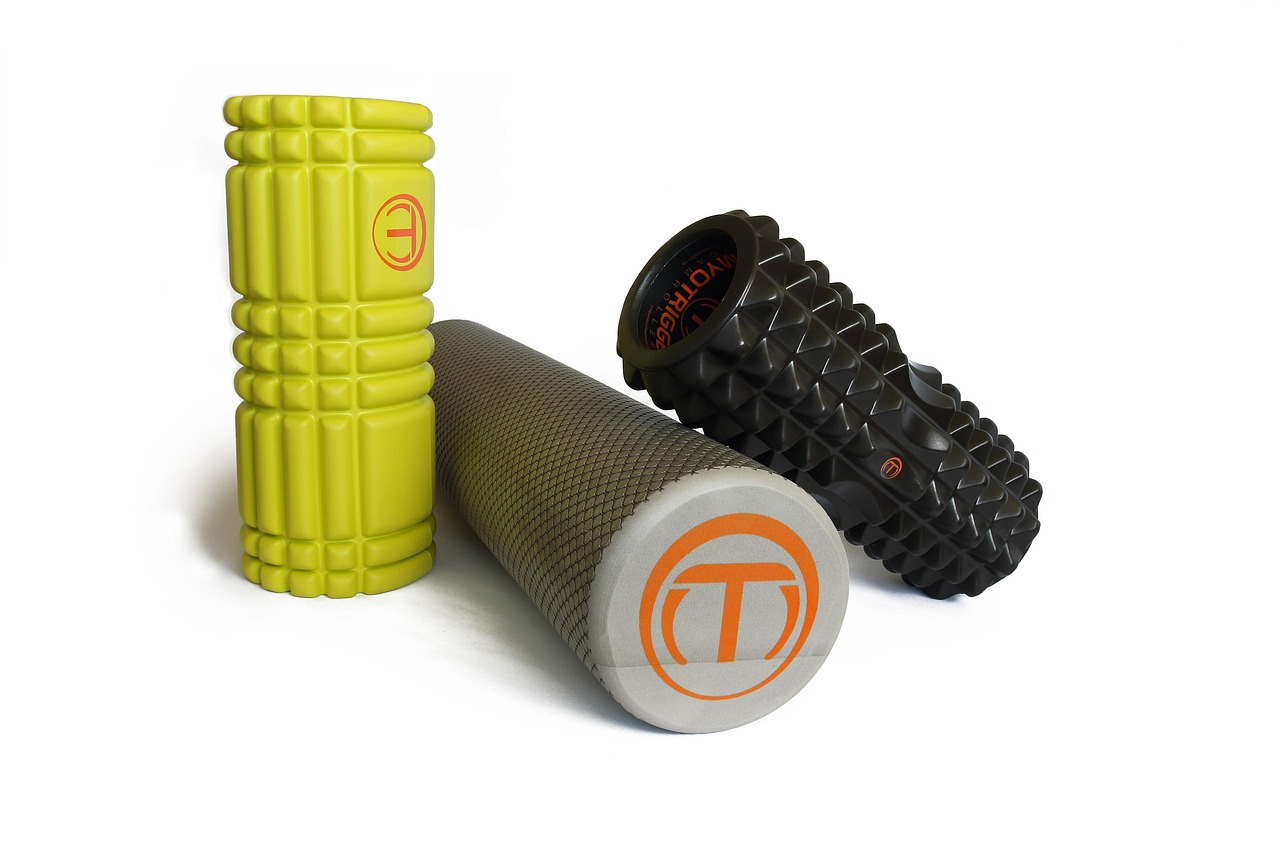
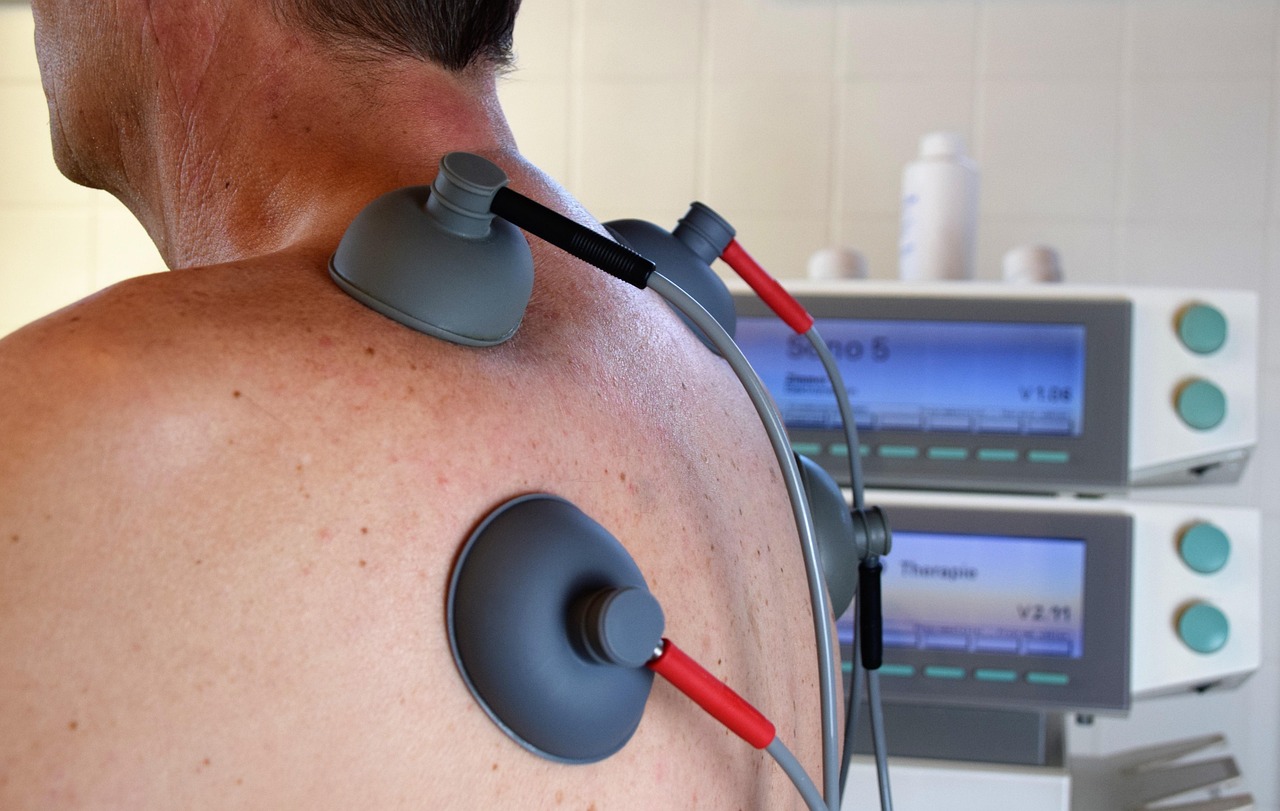
That means a few things working together. Hands-on work to free up the joint capsule and the muscles guarding it. Strength work for the glutes, deep hip muscles, and core. A strong hip handles the load instead of dumping it onto the cartilage. Mobility work that fits the joint, not generic stretches that miss the mark. Walking pattern coaching to undo the limp and the compensations. Activity advice so you can keep moving without flaring the hip up every couple of days.
When inflammation gets loud, injections can quiet it down enough for the real work to start. The injection is not the fix. It opens the door.
What Can Slow People Down
A few habits stall progress with hip arthritis:
Sitting too long in soft, low chairs, the hip has to push out of
Skipping strength work because the pain is not bad enough yet
Walking through pain instead of changing the pattern
Going to one or two appointments and quitting before anything sets in
Ignoring the back and the other hip, which usually share the problem
The hip gets better when the whole pattern shifts. One piece on its own rarely moves the needle.
When Surgery Comes Up
Some hips do hit the point where replacement makes sense. Pain that does not respond to anything. Real loss of function. Sleep wrecked for months. An orthopedic team will tell you straight when that line is close. Most hips never reach it, especially when care starts before the joint is fully worn. The ones that do tend to recover better when the surrounding muscles are already strong going in.
If hip stiffness has been part of your day for more than a few weeks, or it is changing how you walk, sleep, or move, reach out to Modern Medicine of East Mesa to get the hip evaluated and start working on the pattern, keeping it from getting stuck.
“Best Orthopedic Surgeon in Mesa, AZ”
Top Rated Local Orthopedic Surgeon / Doctor / Clinic / Specialist
Phoenix Valley : Emesa, Mesa, Apache Junction, Gold Canyon, AZ
This article covers trigger point injection therapy for persistent hip pain, how muscle knots around the hip refer pain in ways that mimic joint probl…
This article covers vestibular physical therapy for vertigo and balance disorders, why so many people endure dizziness instead of treating it, and the…
This article covers dry needling treatment for chronic neck pain and muscle tension, how it differs from acupuncture, what actually happens to a trigg…
This article covers non-surgical sciatica treatment for lasting lower back relief, why so many people beat an episode only to have it return, and what…
This article covers non-surgical meniscus tear treatment for active adults, how the injury behaves, and the care that gets you back to your activities…
“Best Orthopedic Surgeon in Mesa, AZ”
Top Rated Local Orthopedic Surgeon / Doctor / Clinic / Specialist
Phoenix Valley : Emesa, Mesa, Apache Junction, Gold Canyon, AZ
CityScoop is the top ranked local business news network in the United States. Established in 2008, CityScoop has been providing local communities with high quality news about local businesses and their most recent projects.