 How Chronic Low Back Pain Starts To Affect Daily Life
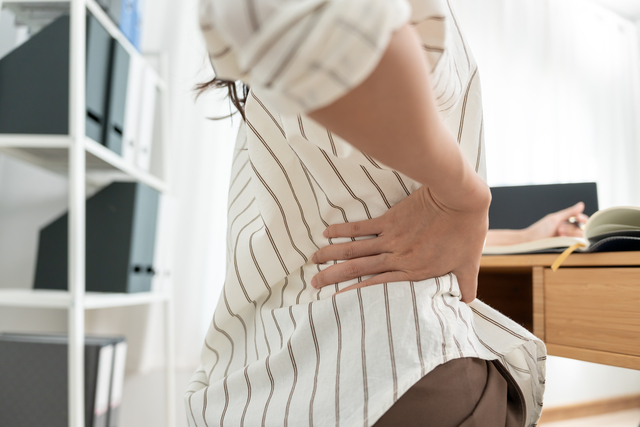
Chronic low back pain usually does not take over all at once. It works its way in. Some patients know exactly when it began. They lifted something wrong. They spent a whole weekend doing yard work. They twisted, felt it pull, and never quite got back to normal. Others do not have one clear story. Their back just started acting up more often, then stopped settling down.
After a while, it becomes part of the day. You plan around it. You think about it before simple things. That is usually the point when people get tired of waiting.
Why The Pain Keeps Hanging Around
One of the hardest parts about chronic low back pain is how it changes the way people move without them even noticing. They brace before bending. They shift their weight. They avoid long walks. They move more slowly getting out of a chair or out of the car. In the short run, that can feel helpful. Over time, it usually does the opposite. The back gets stiff. The muscles around it stop helping enough. Then it takes even less to stir the pain up again.
Sometimes the problem is joint irritation. Sometimes it is a strain that never fully settles. Sometimes weak hips, limited movement, or poor support through the middle of the body keep extra stress on the lower back every day.
A few patterns show up a lot:
- Pain after long periods of sitting
- Stiffness when standing up
- Soreness with bending or lifting
- Flare-ups after busy days
- Pain that comes back even after resting
That last one says a lot. When rest helps for a day or two but the pain returns, the body is usually asking for a better plan.
What Non-Surgical Orthopedic Doctors Actually Do
A non-surgical orthopedic doctor is there to sort through the problem, not rush you toward surgery. That matters because low back pain can look simple from the outside, but it usually is not. The painful spot is only part of the story.
The visit often starts with the basics that people actually care about. When did this begin? What makes it worse? What makes it calm down? Does it flare after sitting, walking, lifting, or standing? From there, the doctor looks at how the back is moving and whether nearby areas may be adding more strain than they should. Hips, walking mechanics, posture, and trunk support all matter more than people think.
A good visit should leave you with something useful. A clearer idea of why the pain has been hanging on and what to do next.
Treatment Options That May Help
The next step depends on what the exam points to. Some people need to loosen up stiff areas and move more. Some need better strength through the core and hips so the lower back is not doing all the work. Some need to change a few habits that keep poking the same problem over and over.
Treatment may include:
- Physical therapy
- Strength work for the core and hips
- Mobility exercises
- Activity changes
- Anti-inflammatory treatment when needed
- Injections in some cases
At Modern Medicine of East Mesa, AZ, we help patients get clear answers and practical care for chronic low back pain. To get started, call the clinic or fill out the online form to request an appointment.