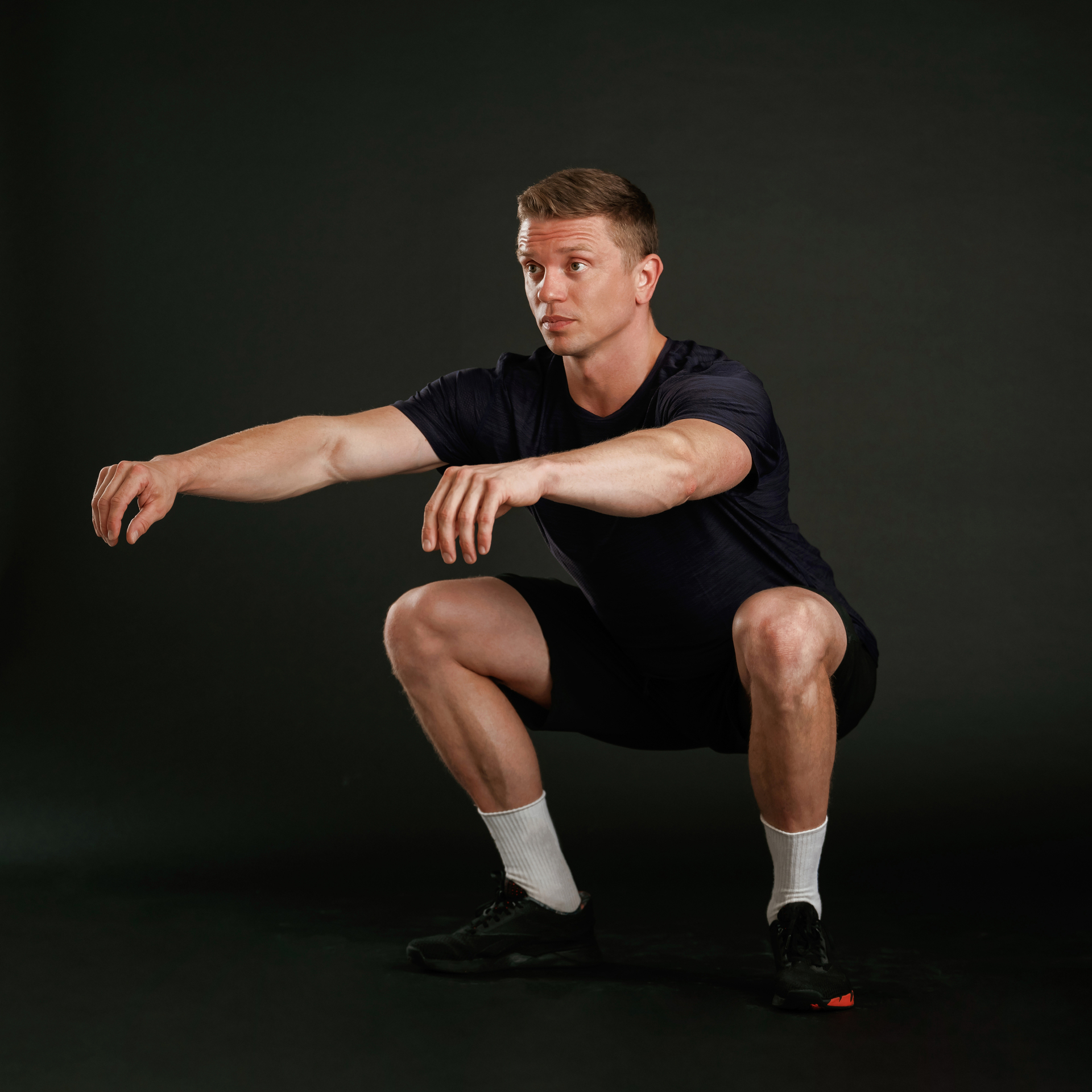
A lot of people think strength alone fixes everything, but few know how much the two work hand in hand. Strength is your ability to produce force. Coordination is how well your body uses that force at the right time. You can have strong muscles and still move poorly if timing is off. We see this after injuries, long inactivity, and even after a busy stretch of life where you stopped moving as much. Coordination issues often show up as wobbliness, poor balance, or that “my body doesn’t listen” feeling during stairs, quick turns, or getting up from the floor.
How PT Clinics Measure What You Actually Need
In PT, we don’t just look at one muscle group. We watch how you move. We test strength, balance, and control during real tasks, like sit-to-stand, step-ups, walking, reaching, and single-leg work. We also look for compensation. If one hip is weak, the knee may collapse inward. If the core isn’t supporting, the back takes over. These patterns are common, and they are fixable with the right progression.
Strength Gains That Carry Into Daily Life
PT strength work is not random. It targets the muscles that protect joints and support movement, like glutes, core, shoulders, and legs. We build strength in a way that matches what you need, whether that’s standing longer at work, carrying groceries, lifting a child, or returning to the gym. We also focus on quality. Better form usually means less joint stress and fewer flare-ups while you build.
Coordination Training That Reduces Falls And Setbacks
Coordination work helps your body react, stabilize, and stay controlled. This matters for everyone, not only older adults. Poor coordination can lead to repeat ankle sprains, knee pain that keeps returning, and shoulder irritation that flares with reaching. PT often includes balance training, controlled stepping drills, directional changes, and exercises that challenge timing without overwhelming you. As coordination improves, movement feels smoother and less cautious.
What A Typical Progression Looks Like
Most plans follow a logical build. We start with control and comfort, then add load and complexity as your body adapts. That approach helps you avoid the pattern of doing too much too soon, then flaring up. A progression often includes:
- Improving the range of motion so you can move without compensating
- Activating key support muscles that may be “offline”
- Building strength with steady, repeatable exercises
- Adding balance and timing drills for coordination
- Practicing real tasks like stairs, lifting, and carrying
- Increasing challenge safely so gains hold outside the clinic
Who Benefits Most From This Type OfTherapy
People often seek this care after injury, surgery, or illness, but it also helps when nothing dramatic happened, and you just feel weaker or less steady than you used to. We commonly see it help people who have had repeated falls, athletes returning to sport, adults getting back into fitness, and anyone whose balance or coordination has declined after long sitting or reduced activity.
Get A Strength And Coordination Plan
If you feel weaker, less steady, or out of sync during everyday movement, PT can help you rebuild both strength and coordination. Call Modern Physical Therapy & Sports Medicine of East Mesa, AZ, to set up an evaluation and get a plan you can stick with.