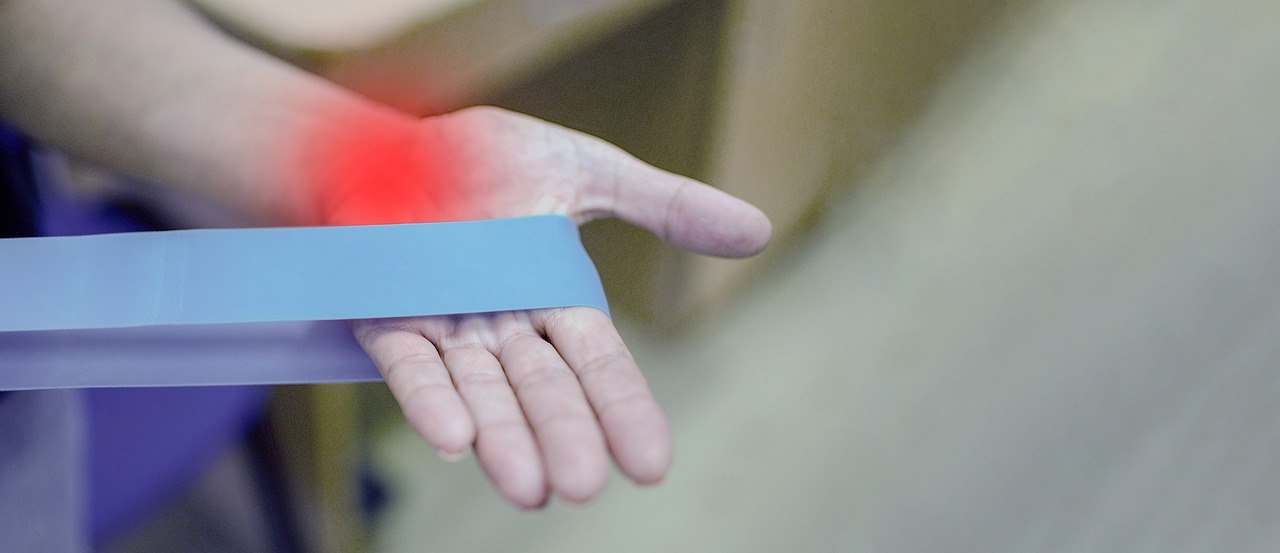
 How Injury Risk Builds
Injury risk increases when the body absorbs more stress than it can recover from. This often comes from uneven strength, limited mobility, or poor movement habits. Fatigue hides early warning signs. By the time pain appears, tissue tolerance is already low. Prevention care addresses this gap before breakdown occurs.
Who Does Prevention Care Support?
Sports injury prevention is not limited to elite athletes. It supports anyone who moves with intensity or repetition.
Prevention plans often help
- Recreational athletes train several days per week
- Youth athletes during growth and development
- Adults returning to sport after time off
- Active adults with a history of recurring injuries
- Workers whose jobs involve lifting, running, or repetitive motion
Movement Screening and Risk Review
Prevention starts with assessment. Sports medicine doctors review posture, joint motion, strength, balance, and movement control. Running, lifting, and change of direction patterns reveal where stress builds. The goal is to find weak links before they lead to injury.
Strength Planning for Joint Support
Strength protects joints when built correctly. Prevention plans focus on controlled strength that supports sport demands. Load increases only after movement quality improves.
Common strength focus areas include
- Hips and core for trunk control
- Shoulders and upper back for overhead stability
- Legs and ankles for impact absorption
Mobility Strategies That Reduce Strain
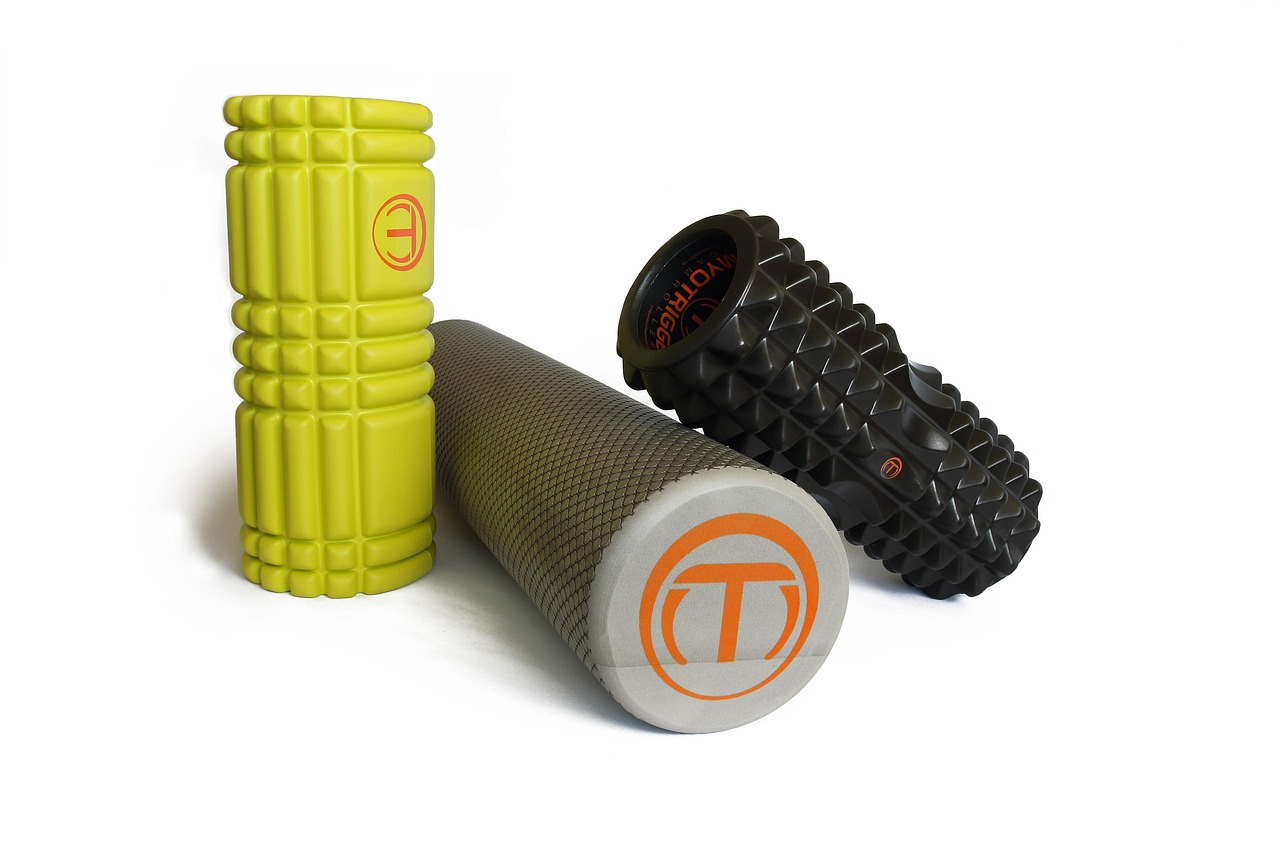
Limited mobility shifts stress into vulnerable joints. Prevention care includes targeted mobility work tied to sport and training needs. Stretching stays purposeful and controlled. Improved mobility supports smoother movement under load.
Technique Refinement and Skill Control
Poor technique increases injury risk even in strong athletes. Prevention care includes movement coaching with real-time feedback. Athletes refine lifting form, running mechanics, or sport-specific movements to reduce strain during training and competition.
Balance and Reaction Development
Sports demand quick reactions. Balance and reaction training improve joint awareness and control during sudden movement. These drills reduce the risk of sprains, strains, and awkward landings.
Managing Load and Recovery
Injury risk rises when recovery does not match workload. Prevention plans address training volume, rest periods, and pacing. Athletes learn how to adjust early instead of pushing through warning signs.
Knowledge Can Prevent Setbacks
Prevention includes education on early signs of overload. Lingering soreness. Tightness that does not resolve. Reduced control or speed. Recognizing these signs allows for changes before injury occurs.
Begin Sports Injury Prevention Today
If staying active matters to you, preventive care can help protect your progress. Our sports medicine team supports Scottsdale patients with structured injury prevention plans. Contact our clinic to schedule an evaluation and start prevention care.