Why Pilates Sculpt Feels Effective So Fast
Pilates sculpt can surprise people because the movements often appear smaller than those in traditional strength exercises. Then the muscles start shaking, and the mystery disappears. At SALTVAULT of Del Mar, our mat Pilates formats use controlled movement, steady resistance, core engagement, and purposeful sequencing to challenge the body without relying on heavy machines or high-impact drills.
Guests work several muscle groups throughout the class rather than isolating a single area for extended periods. This creates a full-body training experience in which the core, glutes, legs, hips, shoulders, and arms remain engaged throughout much of the session.
Slow Movement Keeps Muscles Working Longer
Speed is not always the quickest route to strength. Pilates often slows movement so that muscles remain under tension throughout the exercise.
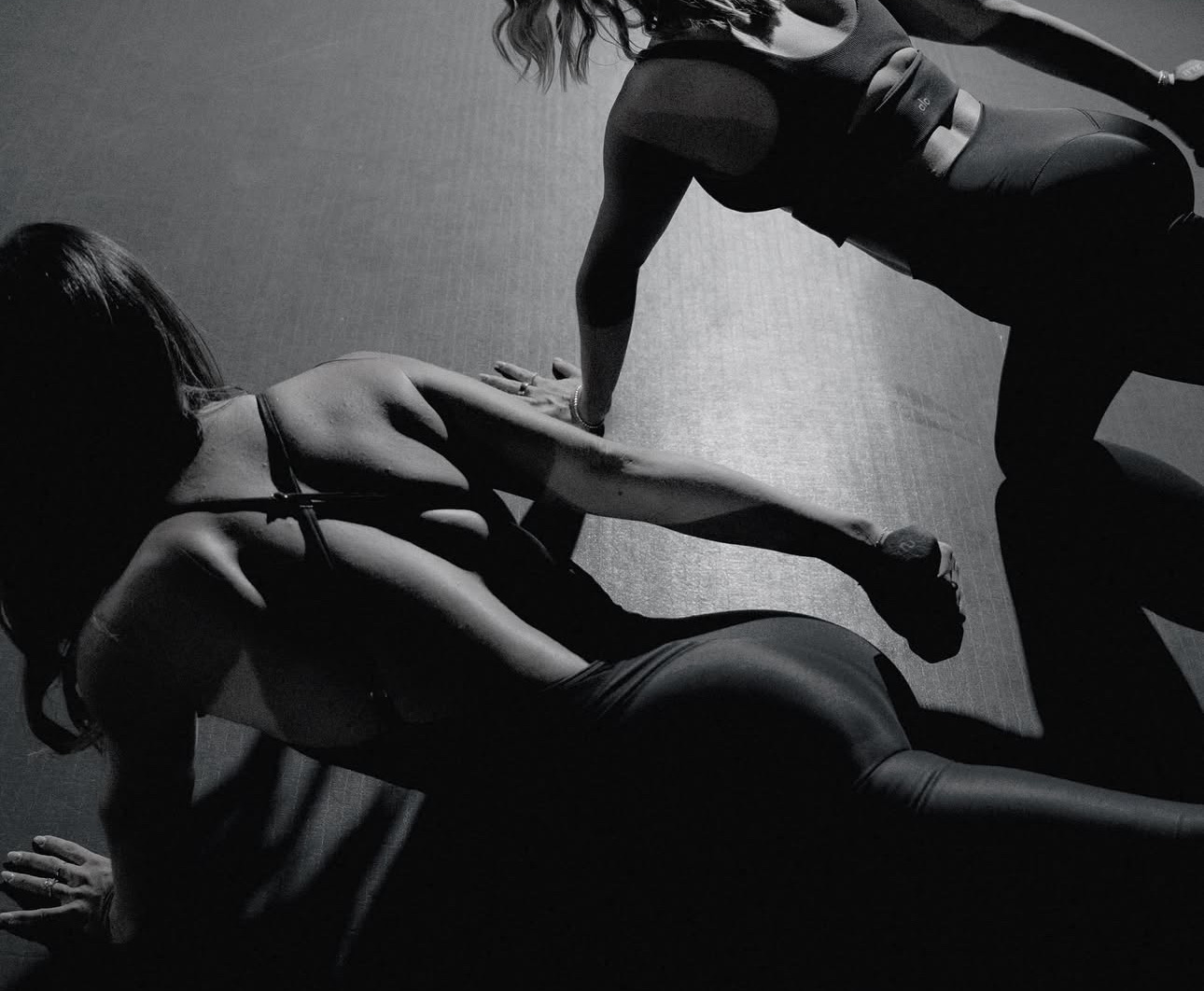
Instead of dropping quickly out of a squat, leg lift, or abdominal movement, guests control both directions of movement. This forces muscles to keep working through the lowering and lifting phases. Holds, pulses, and deliberate transitions add more time under tension without requiring heavier loads.
The result is a workout that feels intense even with relatively small movements. Better control also helps guests focus on form rather than relying on momentum to finish repetitions.
Core Engagement Connects the Whole Body
Pilates sculpt does not treat the core as one separate portion of class. The trunk helps stabilize nearly every movement.
When guests move the arms or legs while maintaining alignment, deeper abdominal and stabilizing muscles work to keep the body controlled. This means a leg exercise may also challenge the core, while an upper-body movement may require the hips and trunk to stay steady.
Over time, this full-body coordination will support better posture, balance, and movement control along with visible muscular definition.
Props Add Resistance Without Complicated Equipment
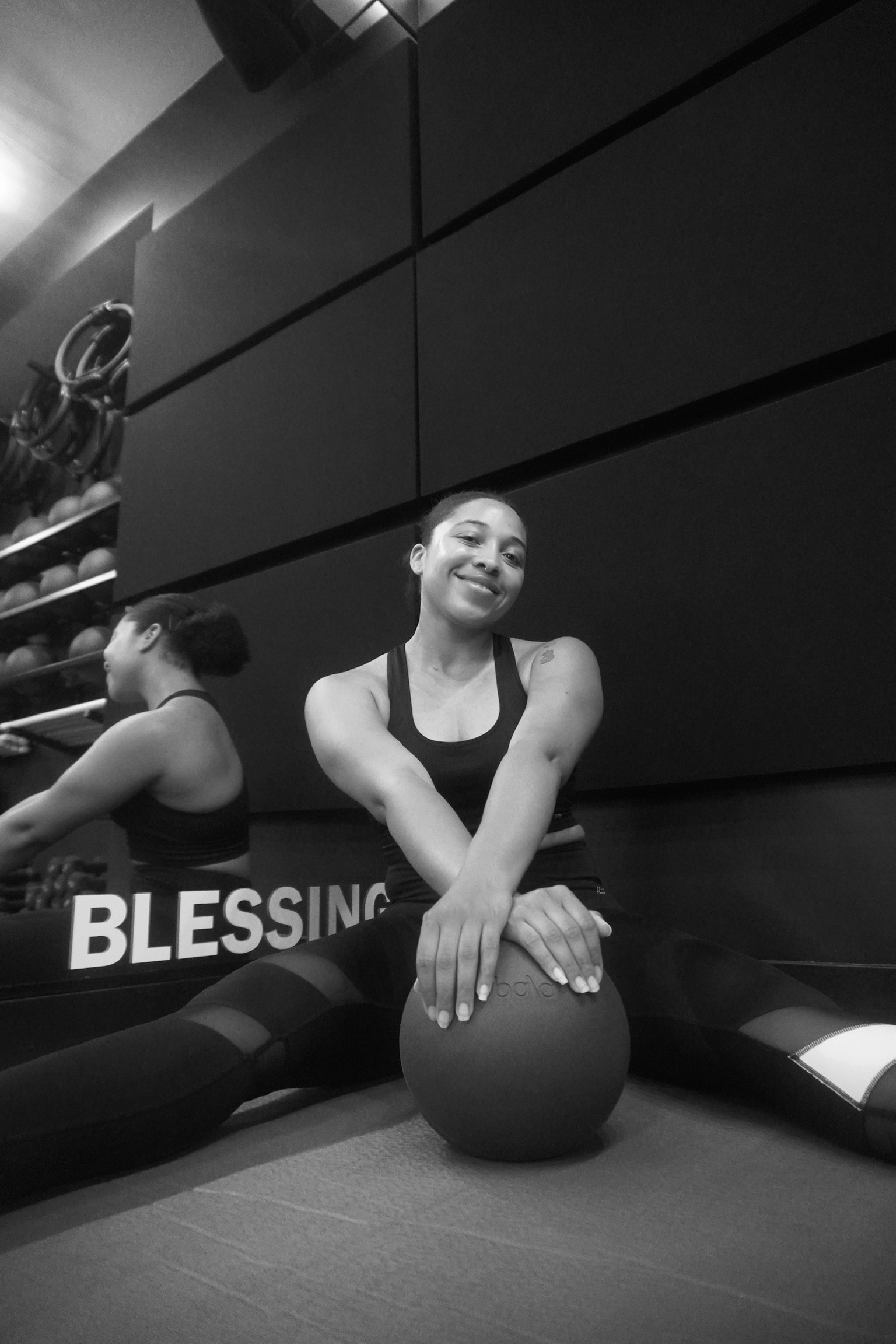
SALTVAULT classes use purposeful props to increase challenge and variety. Depending on the format, guests may work with light weights, resistance bands, exercise balls, Pilates balls, or the magic circle.
These tools change how familiar exercises feel. A resistance band adds tension through a leg sequence. Light weights increase upper-body demand. A Pilates ball can challenge stability and make the core work harder.
SPICE combines props with infrared heat and flowing intermediate-to-advanced mat work. SAVOR uses repeating exercise sequences to build momentum, endurance, and control. ZEST removes the heat and focuses more closely on precision, trunk strength, breath, and clean movement.
Infrared Heat Adds Another Layer
Our heated classes use infrared temperatures ranging from 85 to 105 degrees. The warmth helps create an environment where muscles feel ready to move, and guests build a strong sweat as the workout progresses.
Heat does not create muscle tone by itself. The strengthening comes from resistance, repetition, control, and consistency. However, a warm environment can help guests settle into movement and stay engaged through flowing sequences.
Consistency Creates the Visible Changes
One Pilates sculpt class can deliver a serious muscular challenge, but lasting results come from consistent return visits. As movements become more familiar, guests will improve control, increase resistance, hold positions longer, and move through advanced variations with greater confidence.
At SALTVAULT of Del Mar, we combine mat Pilates, purposeful props, music-driven flow, and heated or unheated class options to help guests build strength progressively.
If you want a workout designed to sculpt, strengthen, and challenge the entire body through focused movement, visit our website to explore SPICE, SAVOR, ZEST, and our other Pilates options.