Why Reformer Pilates Demands Total Control
Reformer Pilates builds strength by adding spring resistance and a moving carriage to controlled Pilates exercises. The equipment may assist an exercise, increase its difficulty, or expose small changes in balance and alignment. At SALTVAULT of Del Mar, we specialize in musically driven, infrared-heated mat Pilates rather than reformer classes. However, both methods share an important foundation: strength grows when the body moves with precision instead of momentum.
For Del Mar guests comparing Pilates formats, understanding this shared foundation makes choosing a class much easier. Reformer work uses equipment to create resistance, while our mat classes use body weight, props, heat, and carefully paced sequences to challenge the same qualities of control, stability, and focused strength.
How Spring Resistance Builds Full-Body Strength
A reformer uses adjustable springs attached to a sliding carriage. During pushing and pulling exercises, the springs create resistance through each phase of movement. The legs, arms, hips, back, and core must work together to move the carriage and return it without letting it slam or drift.
This controlled return is where reformer Pilates earns its reputation. Guests cannot simply complete a repetition and relax. They must manage the equipment through the full range of motion. As a result, large muscles create movement while smaller stabilizing muscles keep the body aligned.
Why the Core Controls the Carriage
The reformer carriage moves whenever force is applied, so the core must remain active. Exercises performed while lying, sitting, kneeling, or standing require the trunk to stabilize the spine as the arms or legs move independently.
This builds more than abdominal strength. It trains coordination between the core, hips, shoulders, and back. Over time, guests may notice better balance, posture, and awareness of how their body moves. Total control comes from learning when to brace, when to release tension, and how to breathe without losing position.
How Mat Pilates Trains the Same Principles
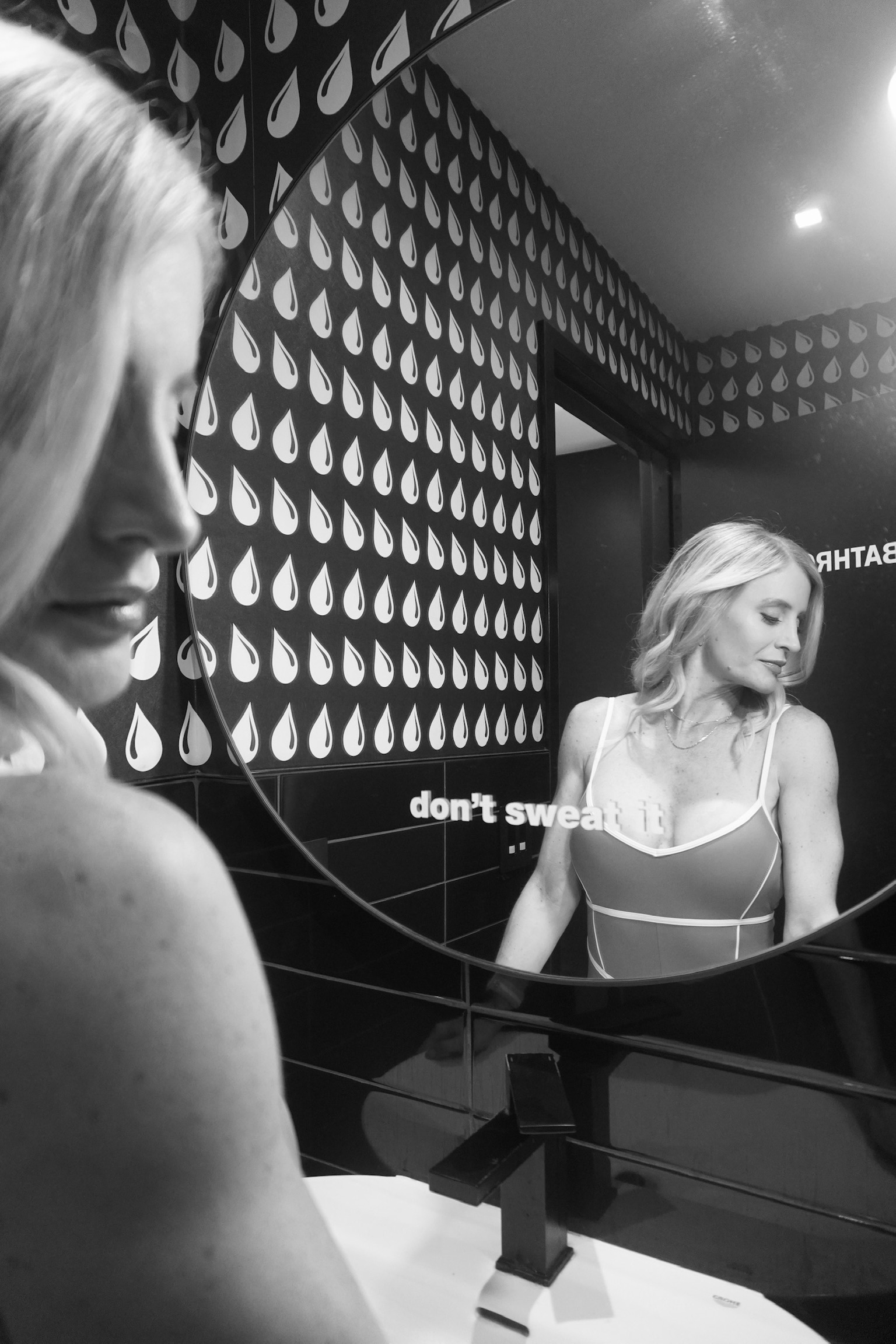
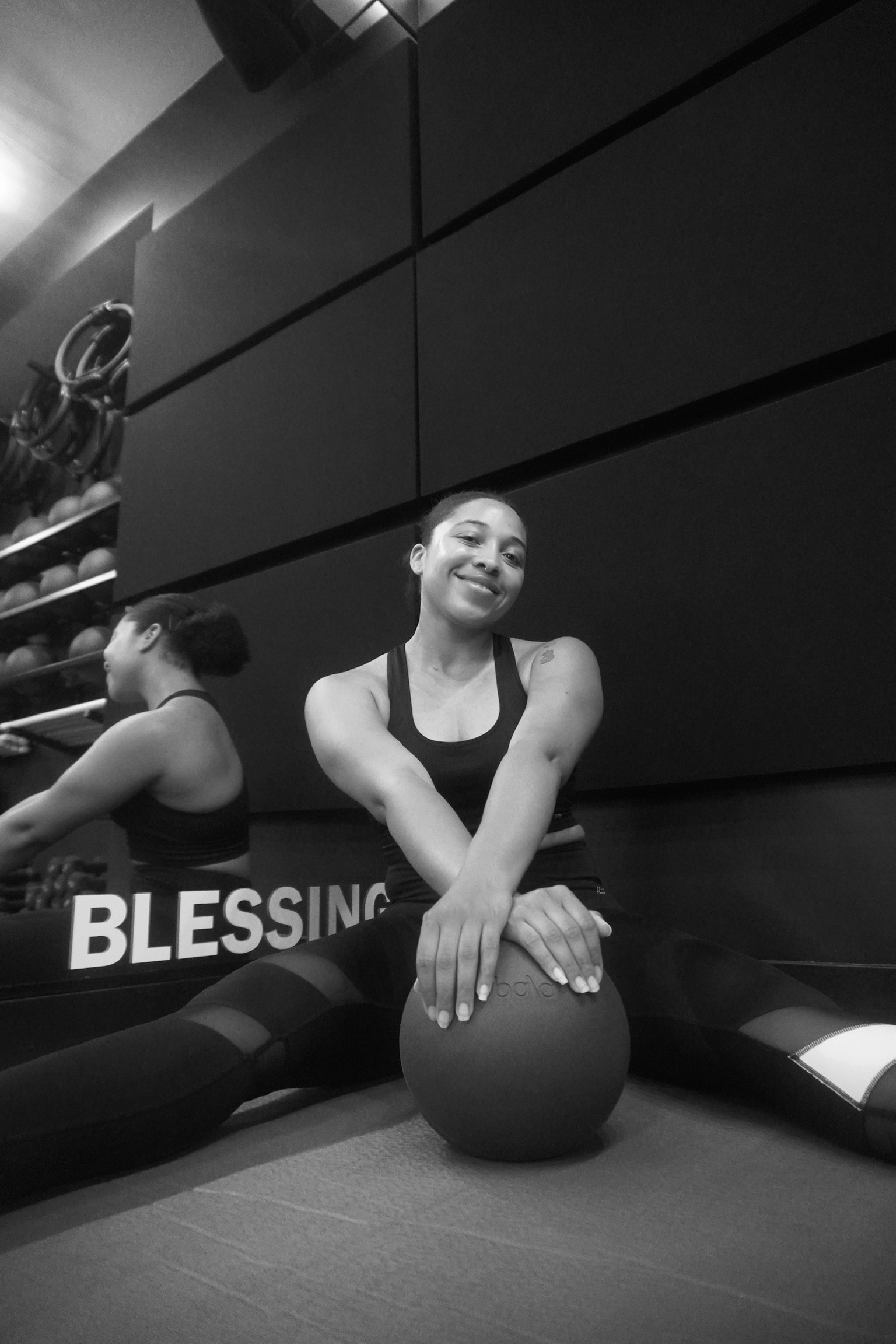
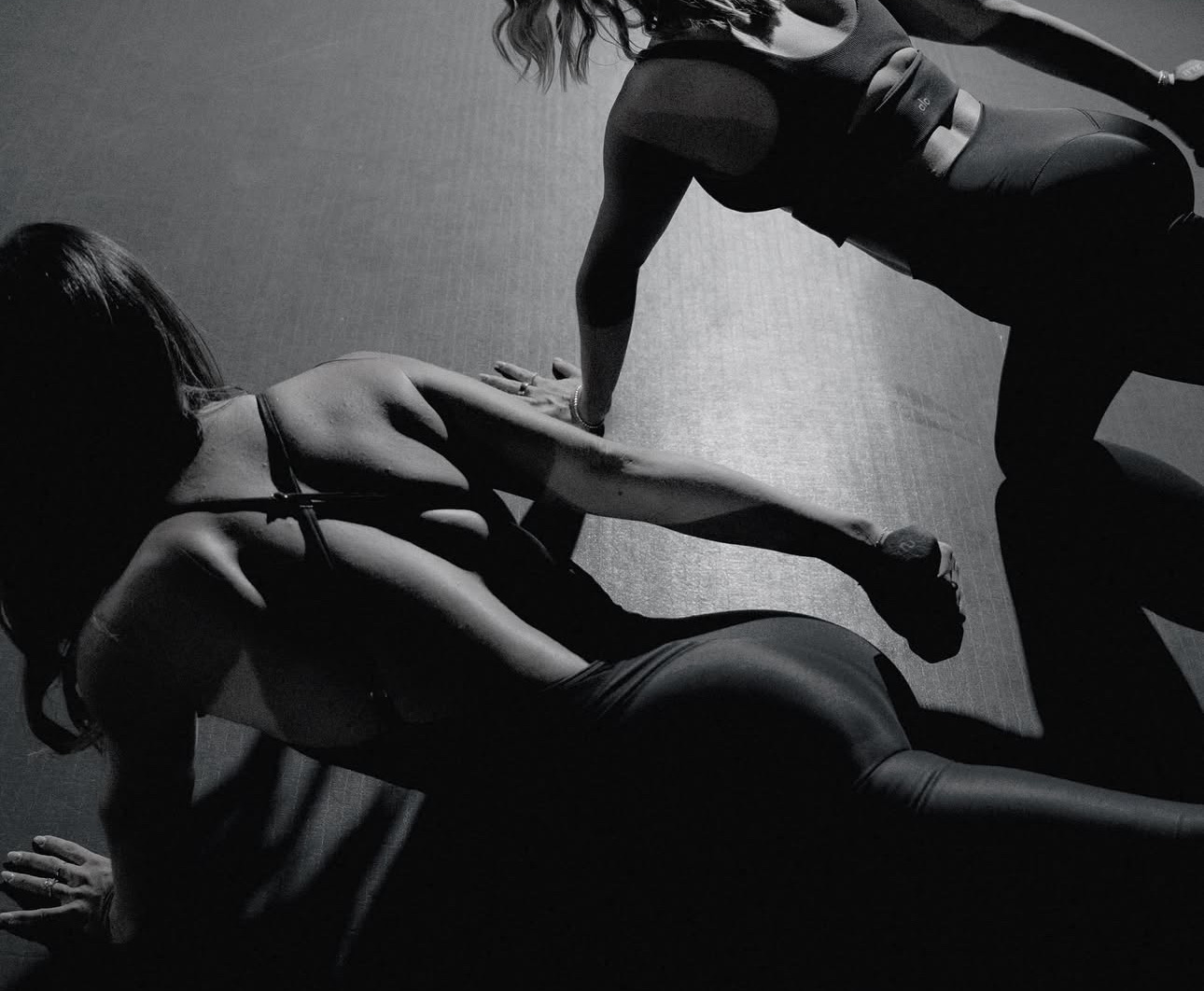
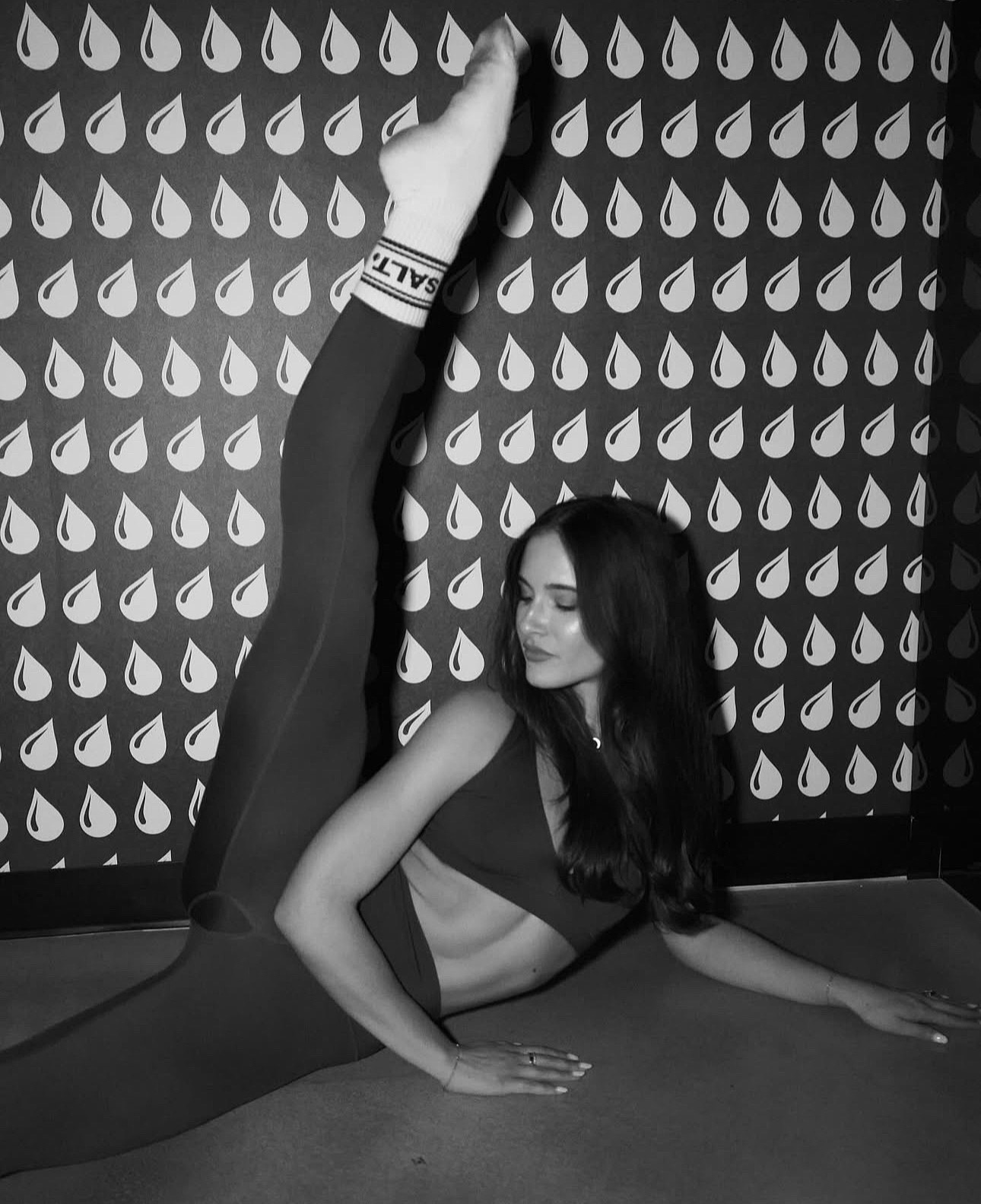
A reformer is not the only path to stronger, more controlled movement. In our SALTVAULT classes, the mat removes support from the machine and asks guests to create stability using their own body. Infrared heat keeps the environment warm, music guides the pace, and props add resistance or challenge.
SPICE uses 95-105 degree heat with weights, resistance bands, exercise balls, and the magic circle during intermediate and advanced mat work. SAVOR combines Pilates with HIIT-style pacing and full-body resistance. ZEST removes the heat and focuses on spinal movement, trunk strength, centering, concentration, precision, breath, and flow.
These formats train many of the same skills people seek from reformer Pilates: core engagement, muscular endurance, alignment, balance, and deliberate movement. The tools differ, but control remains central.
Choosing the Right Pilates Experience
Reformer Pilates may appeal to guests who enjoy equipment-based resistance and adjustable spring settings. Heated mat Pilates may suit people who prefer group energy, music-driven flow, infrared warmth, and a workout built around body weight and props.
At SALTVAULT of Del Mar, we help guests strengthen their bodies through purposeful movement. Our studio does not rely on reformer machines, but our classes still demand focus, stability, and full-body control. Visit our website to explore SPICE, SAVOR, and ZEST, and choose the format that matches your goals.