 But for smaller, water-related disasters, there are a couple things you can do to minimize the damages.
Here are a few.
But for smaller, water-related disasters, there are a couple things you can do to minimize the damages.
Here are a few.
1. Safety first.
Your safety is always the most important. With water spills and floods come dangers with electricity and the risk of electrocution. The first step is to make sure the power is off, and only if you know it is safe to turn it off. If you have any doubts, call a professional. Another safety concern is the risk of slipping and falling whenever a floor is wet. Some floors become very slippery. Navigate wet floors with caution.2. Get everything out.
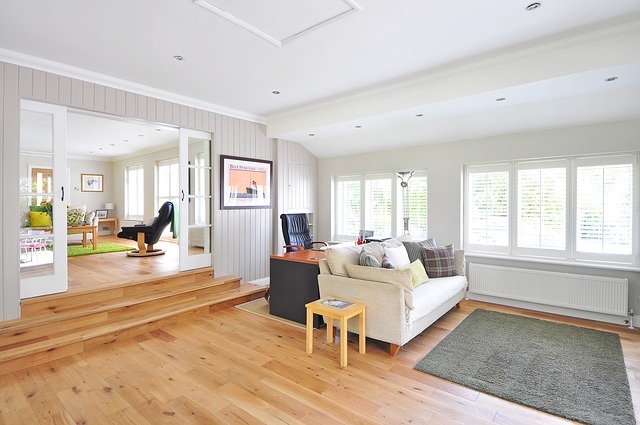
If you have had a flood in a room, you want to make it easy for things to dry out. Things like furniture and rugs can trap moisture underneath them, which can lead to damage to your floors and other surfaces (and to the furniture in the space). If you have throw rugs, get them out. Furniture in a flooded room? Get it out too. And if you have carpeting in a room that has been flooded, you may need to take the carpet out. it all depends on the sanitation level, how fast professional drying techniques are begun, and how long the water has been sitting.3. Let the air get to it.
To get your possessions and your space to dry out fast, you want to make sure air gets to the moisture. For a couch or sofa, remove and prop the cushions up on end. If you have no options other than a DYI effort (not recommended), you might move furniture outside if the weather is dry and items will be exposed to wind and sunlight. Leaving the couch cushions in the couch will slow down the drying process, and potentially lead to mold issues. For a space that has been flooded, evaporation is not going to be enough to do the job properly and quickly enough (shy of living in the Sahara desert). Dry to the touch is one thing, but drying a structure quickly enough to avoid mold growth is another thing entirely. Dehumidification and major air movement is required. Bad news or not, a "shop vac" is virtually useless when combatting quantities of water and the levels of humidity that fill the air in these situations. Getting to a flood quickly, removing the water and getting the space dried out as fast as possible can be the difference between low or high repair costs and, more importantly, leaving the room clean and sanitary, without any fungal growth such as mildew or mold. If you have any questions about water damage, or you have had a flood in your home or other property, give us a call. We are here to help, and we offer 24/7 emergency services, 365 days a year.