 In the residential and commercial property restoration industry, we use a lot of different types of tools and equipment in order to complete our tasks and restore homes and properties to their pre-loss condition.
One of those tools is the moisture meter.
This is a very important tool that has applications for many different situations. Being able to detect where there is moisture can tell us a lot of things and give us insight as to what problems may be lurking behind the walls, beneath floorcovering, and in the ceiling.
A moisture meter can help a property restoration technician detect the presence of water and steer him in the right direction in finding water leaks. We can also follow the trail of water to detect areas that may have or be susceptible to mold.
There are basically two different types of moisture meters - pinless meters and those with pins (pinned).
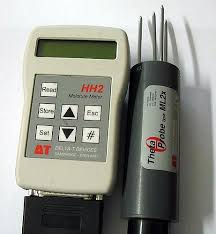
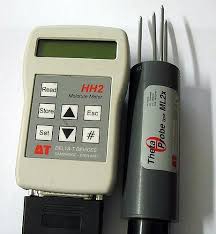
A pinned meter typically has two pins on the tip or top of the meter. The user or operator of the meter puts the pins in contact with the surface where he or she wants to measure the moisture. An electrical current is passed through a wall or floor board, etc, passing an electrical current from one pin to another. The electrical current strength is how the meter determines the level of moisture present in the material being measured.
Pinless meters, on the other hand, use a completely different method that involves electromagnetic waves that are generated from sensors on the rear or back side of the meter.
Moisture meters are typically very accurate and can help determine the moisture content of wood, drywall ("sheetrock"), and other common building materials that absorb water. Typically, a reading of 5 to 40% moisture is what is detectable by a standard moisture meter. Usually, a moisture reading of 5% to 12% is considered an optimal range. Anything up to 17% is usually considered moderate though, and an acceptable level of moisture.
Moisture meters are also good for other things besides detecting water damage and property restoration issues. They can also be used to help a painter tell if wood is dry enough to be painted.
If you have any questions about water damage or other property restoration services, give us a call. We would be more than happy to help in any way we can, even if it's just to answer a few questions.
In the residential and commercial property restoration industry, we use a lot of different types of tools and equipment in order to complete our tasks and restore homes and properties to their pre-loss condition.
One of those tools is the moisture meter.
This is a very important tool that has applications for many different situations. Being able to detect where there is moisture can tell us a lot of things and give us insight as to what problems may be lurking behind the walls, beneath floorcovering, and in the ceiling.
A moisture meter can help a property restoration technician detect the presence of water and steer him in the right direction in finding water leaks. We can also follow the trail of water to detect areas that may have or be susceptible to mold.
There are basically two different types of moisture meters - pinless meters and those with pins (pinned).
A pinned meter typically has two pins on the tip or top of the meter. The user or operator of the meter puts the pins in contact with the surface where he or she wants to measure the moisture. An electrical current is passed through a wall or floor board, etc, passing an electrical current from one pin to another. The electrical current strength is how the meter determines the level of moisture present in the material being measured.
Pinless meters, on the other hand, use a completely different method that involves electromagnetic waves that are generated from sensors on the rear or back side of the meter.
Moisture meters are typically very accurate and can help determine the moisture content of wood, drywall ("sheetrock"), and other common building materials that absorb water. Typically, a reading of 5 to 40% moisture is what is detectable by a standard moisture meter. Usually, a moisture reading of 5% to 12% is considered an optimal range. Anything up to 17% is usually considered moderate though, and an acceptable level of moisture.
Moisture meters are also good for other things besides detecting water damage and property restoration issues. They can also be used to help a painter tell if wood is dry enough to be painted.
If you have any questions about water damage or other property restoration services, give us a call. We would be more than happy to help in any way we can, even if it's just to answer a few questions.
Coeur d'Alene, ID - Water Damage Repair Tools: Moisture Detection Meter (Overview)
SYNOPSIS: Today we are talking about water damage and how to detect moisture in a home or any other building.
In the residential and commercial property restoration industry, we use a lot of different types of tools and equipment in order to complete our ta
BY: ,
Today we are talking about water damage and how to detect moisture in a home or any other building.
In the residential and commercial property restoration industry, we use a lot of different types of tools and equipment in order to complete our tasks and restore homes and properties to their pre-loss condition.
One of those tools is the moisture meter.
This is a very important tool that has applications for many different situations. Being able to detect where there is moisture can tell us a lot of things and give us insight as to what problems may be lurking behind the walls, beneath floorcovering, and in the ceiling.
A moisture meter can help a property restoration technician detect the presence of water and steer him in the right direction in finding water leaks. We can also follow the trail of water to detect areas that may have or be susceptible to mold.
There are basically two different types of moisture meters - pinless meters and those with pins (pinned).
A pinned meter typically has two pins on the tip or top of the meter. The user or operator of the meter puts the pins in contact with the surface where he or she wants to measure the moisture. An electrical current is passed through a wall or floor board, etc, passing an electrical current from one pin to another. The electrical current strength is how the meter determines the level of moisture present in the material being measured.
Pinless meters, on the other hand, use a completely different method that involves electromagnetic waves that are generated from sensors on the rear or back side of the meter.
Moisture meters are typically very accurate and can help determine the moisture content of wood, drywall ("sheetrock"), and other common building materials that absorb water. Typically, a reading of 5 to 40% moisture is what is detectable by a standard moisture meter. Usually, a moisture reading of 5% to 12% is considered an optimal range. Anything up to 17% is usually considered moderate though, and an acceptable level of moisture.
Moisture meters are also good for other things besides detecting water damage and property restoration issues. They can also be used to help a painter tell if wood is dry enough to be painted.
If you have any questions about water damage or other property restoration services, give us a call. We would be more than happy to help in any way we can, even if it's just to answer a few questions.
In the residential and commercial property restoration industry, we use a lot of different types of tools and equipment in order to complete our tasks and restore homes and properties to their pre-loss condition.
One of those tools is the moisture meter.
This is a very important tool that has applications for many different situations. Being able to detect where there is moisture can tell us a lot of things and give us insight as to what problems may be lurking behind the walls, beneath floorcovering, and in the ceiling.
A moisture meter can help a property restoration technician detect the presence of water and steer him in the right direction in finding water leaks. We can also follow the trail of water to detect areas that may have or be susceptible to mold.
There are basically two different types of moisture meters - pinless meters and those with pins (pinned).
A pinned meter typically has two pins on the tip or top of the meter. The user or operator of the meter puts the pins in contact with the surface where he or she wants to measure the moisture. An electrical current is passed through a wall or floor board, etc, passing an electrical current from one pin to another. The electrical current strength is how the meter determines the level of moisture present in the material being measured.
Pinless meters, on the other hand, use a completely different method that involves electromagnetic waves that are generated from sensors on the rear or back side of the meter.
Moisture meters are typically very accurate and can help determine the moisture content of wood, drywall ("sheetrock"), and other common building materials that absorb water. Typically, a reading of 5 to 40% moisture is what is detectable by a standard moisture meter. Usually, a moisture reading of 5% to 12% is considered an optimal range. Anything up to 17% is usually considered moderate though, and an acceptable level of moisture.
Moisture meters are also good for other things besides detecting water damage and property restoration issues. They can also be used to help a painter tell if wood is dry enough to be painted.
If you have any questions about water damage or other property restoration services, give us a call. We would be more than happy to help in any way we can, even if it's just to answer a few questions.