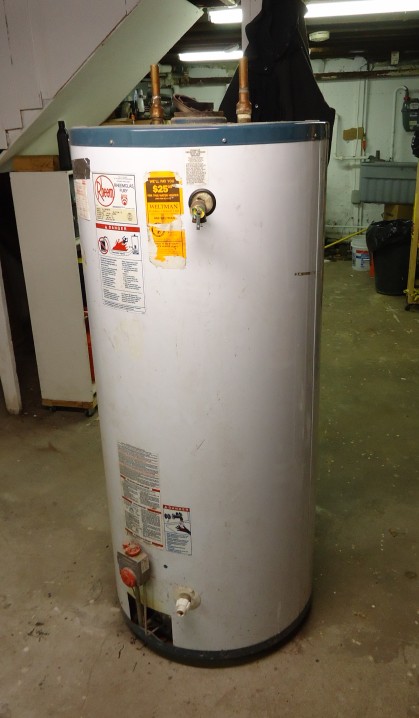
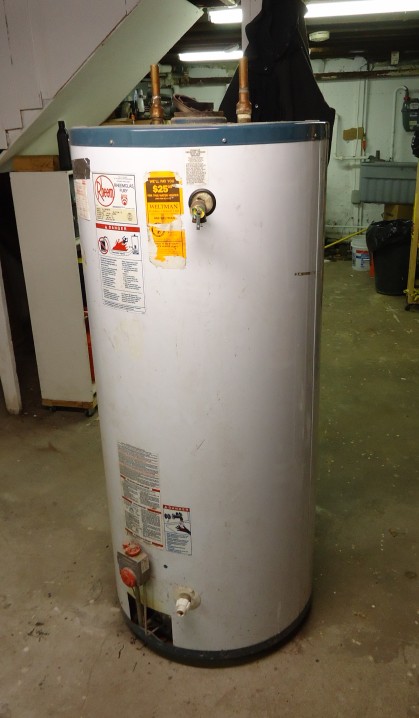
 When it comes to water damage, one thing you can do to protect yourself is to shut down your water heater. Some people have water heaters that have lived past their predictable service life and probably should be replaced. You never know when a water heater can burst or leak. It is possible, in some situations, to install a pan and drain hose just in case your water heater does spring a leak or rust causes a hole. Depending on where in your house the water heater is located, it could cause extensive damage.
Below are instructions for turning off your water heater and draining it. Again, this is recommended if you plan on leaving your home or business for an extended period of time.
Water Heater Shut Down Instructions
STEP 1
Turn off the gas or electricity. If you have a gas water heater, you will need to twist the dial on top of the thermostat from the on position to the off position. Just look around the front of your water heater, usually towards the bottom, for a box or a valve to be poking out. You should see a knob or dial that says ‘on’, ‘off’ and ‘pilot’. For an electric water heater, switch the circuit breaker for the water heater to the off position. If any of this is confusing, we recommend you consult and/or hire a professional for the job.
STEP 2
Turn off the water supply to the water heater. Turn the handle or knob on the water valve clockwise until the valve has been shut all the way off. Some valves move only 90 degrees between on and off. These are convenient. It’s a good idea to turn off the main water line to the home, business or property as well when leaving for an extended period of time.)
STEP 3
Drain the water heater. You can attach a hose to the drain at the bottom of the hot water heater. You should see a place where you can connect a hose. The water that comes out could be rusty and very hot, so be careful when you are draining the water. Gravity will draw the water into and through the hose as long as the hose is lower than the water heater. Depending where your water heater is located, you will need to find a place to run your hose - like outside your home or business, or to a drain, like a tub or shower.
STEP 4
Open the relief valve and turn on a hot water faucet in your house or business. The relief valve handle on your water heater should be facing up or straight out. Be careful for hot water that could potentially burn you. Then go into your house or business and turn on a hot water faucet in order to let air into the water heater tank as it is draining.
If you have any questions about water damage repair or restoration services for your home, business or property, give us a call. We are here to help.
When it comes to water damage, one thing you can do to protect yourself is to shut down your water heater. Some people have water heaters that have lived past their predictable service life and probably should be replaced. You never know when a water heater can burst or leak. It is possible, in some situations, to install a pan and drain hose just in case your water heater does spring a leak or rust causes a hole. Depending on where in your house the water heater is located, it could cause extensive damage.
Below are instructions for turning off your water heater and draining it. Again, this is recommended if you plan on leaving your home or business for an extended period of time.
Water Heater Shut Down Instructions
STEP 1
Turn off the gas or electricity. If you have a gas water heater, you will need to twist the dial on top of the thermostat from the on position to the off position. Just look around the front of your water heater, usually towards the bottom, for a box or a valve to be poking out. You should see a knob or dial that says ‘on’, ‘off’ and ‘pilot’. For an electric water heater, switch the circuit breaker for the water heater to the off position. If any of this is confusing, we recommend you consult and/or hire a professional for the job.
STEP 2
Turn off the water supply to the water heater. Turn the handle or knob on the water valve clockwise until the valve has been shut all the way off. Some valves move only 90 degrees between on and off. These are convenient. It’s a good idea to turn off the main water line to the home, business or property as well when leaving for an extended period of time.)
STEP 3
Drain the water heater. You can attach a hose to the drain at the bottom of the hot water heater. You should see a place where you can connect a hose. The water that comes out could be rusty and very hot, so be careful when you are draining the water. Gravity will draw the water into and through the hose as long as the hose is lower than the water heater. Depending where your water heater is located, you will need to find a place to run your hose - like outside your home or business, or to a drain, like a tub or shower.
STEP 4
Open the relief valve and turn on a hot water faucet in your house or business. The relief valve handle on your water heater should be facing up or straight out. Be careful for hot water that could potentially burn you. Then go into your house or business and turn on a hot water faucet in order to let air into the water heater tank as it is draining.
If you have any questions about water damage repair or restoration services for your home, business or property, give us a call. We are here to help.
Coeur d'Alene, ID - Preventing Water Damage - Water Heater Shut Down Instructions
SYNOPSIS: Preventing Water Damage
The best way to fix water damage problems in homes and businesses is to avoid them altogether.
If you are planning to leave town for an extended period of time, either on vacation or out of town for work, it's a good id
BY: ,
Preventing Water Damage
The best way to fix water damage problems in homes and businesses is to avoid them altogether.
If you are planning to leave town for an extended period of time, either on vacation or out of town for work, it's a good idea to take certain measures to protect your home or business from unwanted damage.
When it comes to water damage, one thing you can do to protect yourself is to shut down your water heater. Some people have water heaters that have lived past their predictable service life and probably should be replaced. You never know when a water heater can burst or leak. It is possible, in some situations, to install a pan and drain hose just in case your water heater does spring a leak or rust causes a hole. Depending on where in your house the water heater is located, it could cause extensive damage.
Below are instructions for turning off your water heater and draining it. Again, this is recommended if you plan on leaving your home or business for an extended period of time.
Water Heater Shut Down Instructions
STEP 1
Turn off the gas or electricity. If you have a gas water heater, you will need to twist the dial on top of the thermostat from the on position to the off position. Just look around the front of your water heater, usually towards the bottom, for a box or a valve to be poking out. You should see a knob or dial that says ‘on’, ‘off’ and ‘pilot’. For an electric water heater, switch the circuit breaker for the water heater to the off position. If any of this is confusing, we recommend you consult and/or hire a professional for the job.
STEP 2
Turn off the water supply to the water heater. Turn the handle or knob on the water valve clockwise until the valve has been shut all the way off. Some valves move only 90 degrees between on and off. These are convenient. It’s a good idea to turn off the main water line to the home, business or property as well when leaving for an extended period of time.)
STEP 3
Drain the water heater. You can attach a hose to the drain at the bottom of the hot water heater. You should see a place where you can connect a hose. The water that comes out could be rusty and very hot, so be careful when you are draining the water. Gravity will draw the water into and through the hose as long as the hose is lower than the water heater. Depending where your water heater is located, you will need to find a place to run your hose - like outside your home or business, or to a drain, like a tub or shower.
STEP 4
Open the relief valve and turn on a hot water faucet in your house or business. The relief valve handle on your water heater should be facing up or straight out. Be careful for hot water that could potentially burn you. Then go into your house or business and turn on a hot water faucet in order to let air into the water heater tank as it is draining.
If you have any questions about water damage repair or restoration services for your home, business or property, give us a call. We are here to help.
When it comes to water damage, one thing you can do to protect yourself is to shut down your water heater. Some people have water heaters that have lived past their predictable service life and probably should be replaced. You never know when a water heater can burst or leak. It is possible, in some situations, to install a pan and drain hose just in case your water heater does spring a leak or rust causes a hole. Depending on where in your house the water heater is located, it could cause extensive damage.
Below are instructions for turning off your water heater and draining it. Again, this is recommended if you plan on leaving your home or business for an extended period of time.
Water Heater Shut Down Instructions
STEP 1
Turn off the gas or electricity. If you have a gas water heater, you will need to twist the dial on top of the thermostat from the on position to the off position. Just look around the front of your water heater, usually towards the bottom, for a box or a valve to be poking out. You should see a knob or dial that says ‘on’, ‘off’ and ‘pilot’. For an electric water heater, switch the circuit breaker for the water heater to the off position. If any of this is confusing, we recommend you consult and/or hire a professional for the job.
STEP 2
Turn off the water supply to the water heater. Turn the handle or knob on the water valve clockwise until the valve has been shut all the way off. Some valves move only 90 degrees between on and off. These are convenient. It’s a good idea to turn off the main water line to the home, business or property as well when leaving for an extended period of time.)
STEP 3
Drain the water heater. You can attach a hose to the drain at the bottom of the hot water heater. You should see a place where you can connect a hose. The water that comes out could be rusty and very hot, so be careful when you are draining the water. Gravity will draw the water into and through the hose as long as the hose is lower than the water heater. Depending where your water heater is located, you will need to find a place to run your hose - like outside your home or business, or to a drain, like a tub or shower.
STEP 4
Open the relief valve and turn on a hot water faucet in your house or business. The relief valve handle on your water heater should be facing up or straight out. Be careful for hot water that could potentially burn you. Then go into your house or business and turn on a hot water faucet in order to let air into the water heater tank as it is draining.
If you have any questions about water damage repair or restoration services for your home, business or property, give us a call. We are here to help.