Chandler, AZ — How the Local Orthopedic Clinic Treats Rotator Cuff Injuries
If you've got a rotator cuff problem and you're picturing surgery, here's some reassuring news. Most cuff injuries never get there. The bulk of them are handled through a clear, step-by-step process that has nothing to do with an operating room. Knowing what that process looks like takes some of the worry out of it, so here's how a clinic actually works through a rotator cuff injury, start to finish.
Step One: Figure Out What's Actually Wrong
Cuff problems aren't all the same, and the treatment depends on which one you've got. It could be tendonitis, where a cuff tendon is irritated and inflamed. Impingement, where the tendons get pinched as you raise the arm. A partial tear, or a full one. Or bursitis riding alongside any of them.
So the first step is a real assessment. The clinic takes the history of how it started, watches how the shoulder moves, and tests it in specific positions that point toward specific problems. Imaging gets added when it's needed to confirm a tear. That workup turns "bad shoulder" into a specific diagnosis they can build a plan around.
Step Two: Calm It Down
Early on, the shoulder is usually irritated and guarding. Sharp pain on certain moves, trouble sleeping on that side, an arm that fights going overhead. Pushing hard here just stirs it up.
So the first treatment job is settling it. Easing the inflammation, protecting the cuff, and keeping the joint gently moving so it doesn't stiffen. An injection sometimes comes in here, not as a fix on its own, but to quiet the pain enough that the real rehab work becomes possible.
Step Three: Rebuild the Strength
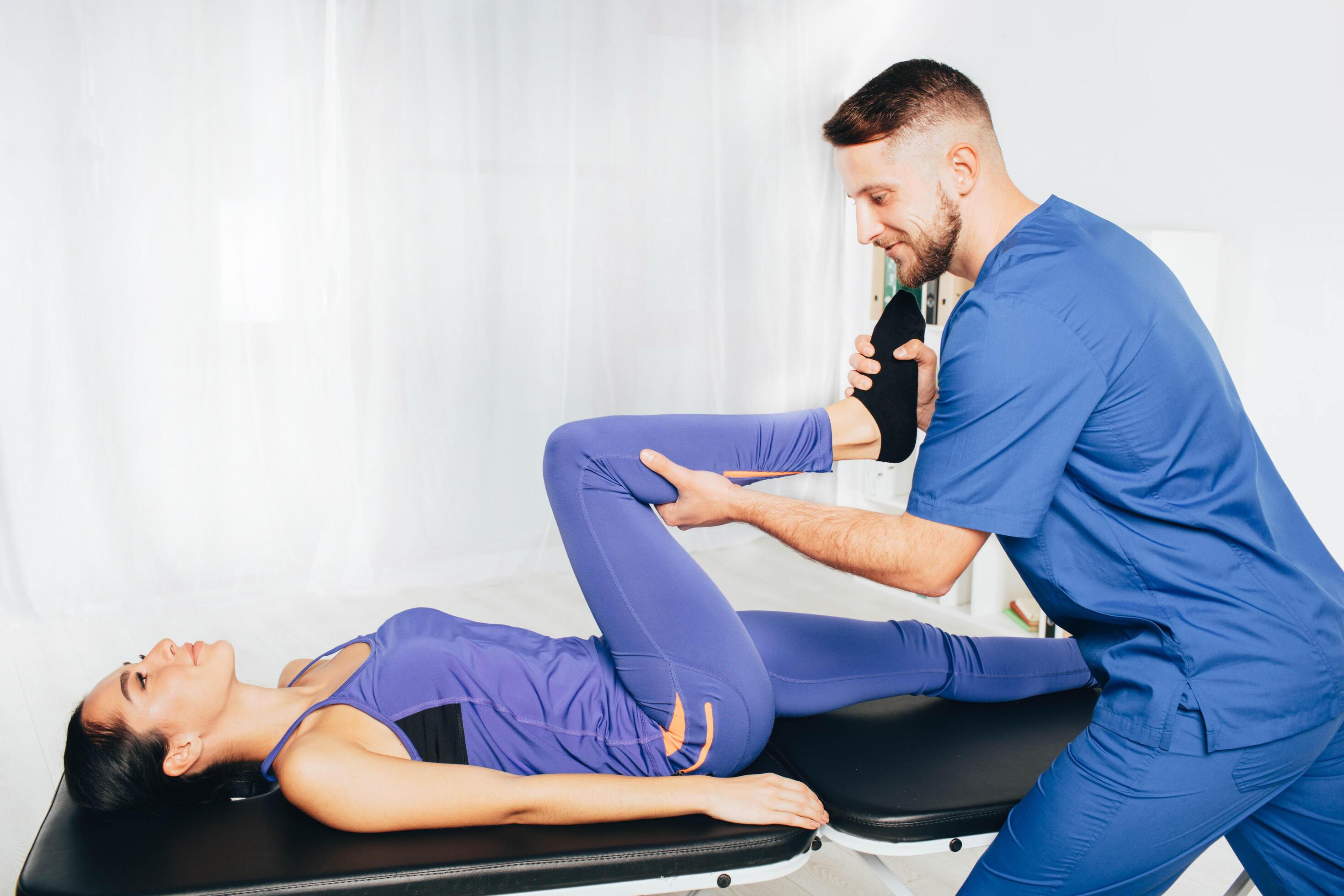
This is where the actual fixing happens. An irritated or torn cuff needs the muscles around it to take up the slack and protect the joint, and that only comes from specific, progressive strengthening.
The focus is the cuff itself plus the muscles around the shoulder blade, since they steady the joint together. Posture and the upper back get worked too, because a rounded back jams the cuff into a tighter space and makes every motion harder. Hands-on work keeps loosening the stiffness while strength builds underneath.
Step Four: Load It for Real Life
Strength alone isn't the finish line. The shoulder has to handle what your actual day asks of it, reaching, lifting, carrying, whatever you need. So the later work builds the cuff up under heavier, more realistic loads, in the positions you actually use it. Skip this and the shoulder feels fine doing nothing but gives out when you ask something real of it.
When Surgery Enters It
Some shoulders do need a surgeon. A large or complete tear in someone who needs full overhead strength, or a cuff that's genuinely had its run of rehab without responding. Even then, surgery is followed by its own rehab. But for most cuff problems, working through these steps is the whole recovery.
If your shoulder's been nagging, Modern Medicine of Chandler, AZ can pin down what's wrong and work through the steps to get it back. One phone call gets you in.