You know the one. That first step out of bed, heel hits the floor, and a sharp jolt shoots up from underneath. Like stepping on a stone that isn't there. A few minutes of walking, and it eases off. Then you sit for a while at your desk, stand back up, and it's right there waiting again.
That pattern is the tell. Plantar fasciitis is the thin band of tissue along the bottom of your foot getting irritated where it anchors at the heel. It hurts most when the foot has been still, then loads up cold. Morning. After a long meeting. Getting out of the car.
Why It Sticks Around
The annoying thing about this one is how patient it is. People figure a sore heel will fade in a week. Sometimes it does. More often, it settles in and overstays.
A few reasons it digs in:
- The tissue keeps getting re-strained before it has a chance to calm down
- Tight calves pull on the whole chain and add load to the heel
- Shoes with no support let the arch collapse with every step
- Standing or walking all day on hard floors never gives it a break
Every step you take keeps poking the spot that's trying to heal. That's the trap. You can't exactly stop walking.
Can Orthopedic Care Actually Fix It
Short answer, yes, and most people never need anything close to surgery. The bulk of plantar fasciitis clears with the right plan and a little patience.
Care usually pulls from a few directions at once:
- Stretching the calf and the bottom of the foot to take tension off the heel
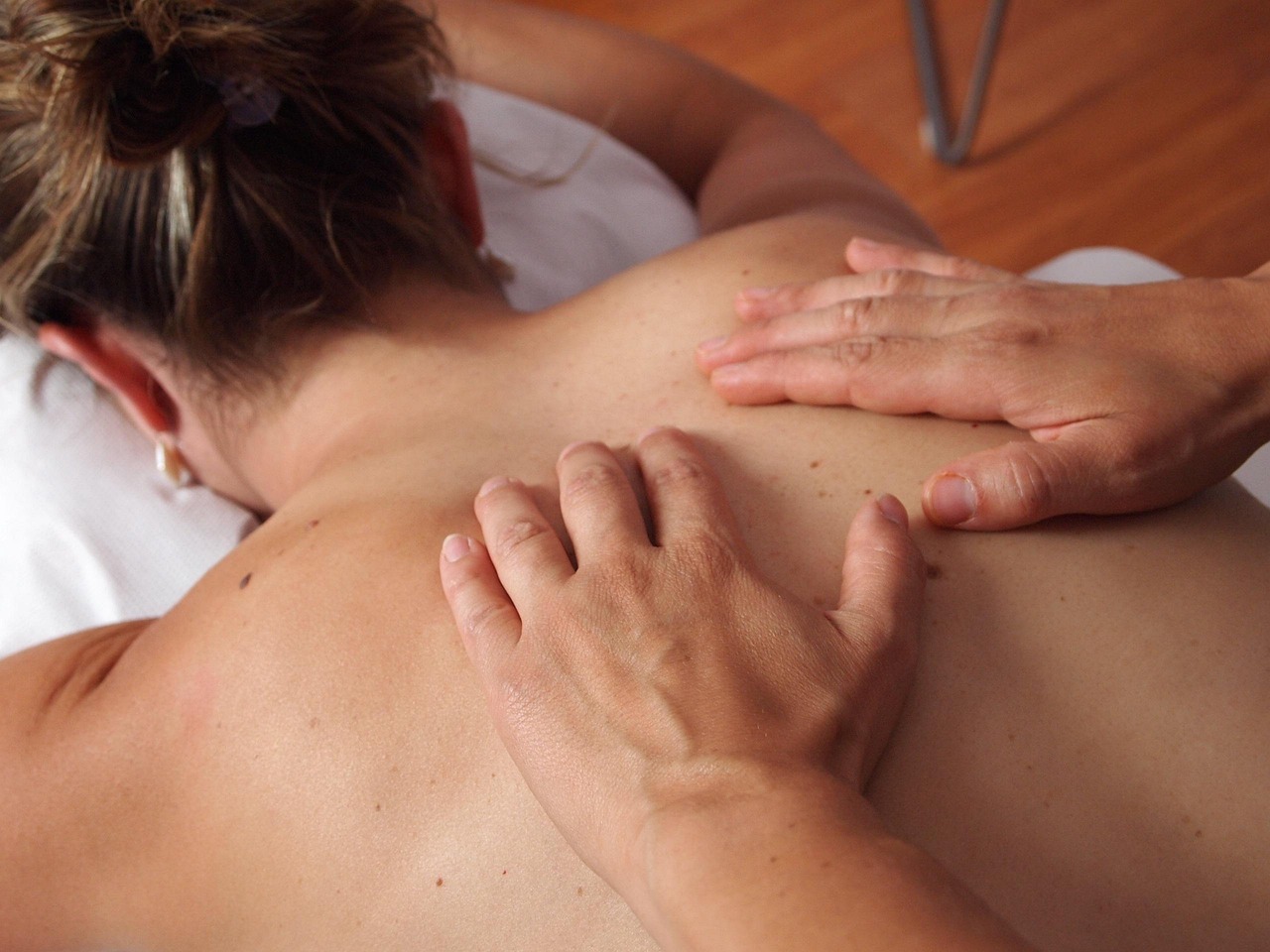
- Hands-on therapy to loosen the tight tissue feeding the pain
- Strength work for the foot and lower leg so the arch gets real support
- Guidance on shoes, inserts, and how long you're on your feet
- Targeted treatment to settle the inflammation when it won't quiet down
The reason a plan beats winging it is timing. Knowing when to push the stretch and when to back off is most of the battle, and that's hard to judge on your own.
When to Quit Pushing Through It
A lot of people limp along for months hoping it just goes. It usually doesn't reward the wait. Worth getting it checked when:
- The heel pain has hung around longer than a few weeks
- It's changing how you walk or what shoes you'll wear
- The first steps each morning are still rough, no matter what you try
- Resting and ice help for a day, then it's back
- You're avoiding walks, errands, or workouts to dodge the pain
None of that means something is torn. It mostly means the foot needs a real plan instead of more hoping.
What Treatment Might Look Like For You
It starts with someone watching how you walk and pressing on where it actually hurts. From there, you get a plan built around your foot, your shoes, and how much you're on it during the day. Early on, the work is calming the area and easing the strain. Then comes strength, so the heel stops carrying everything alone.
If that first step in the morning has you bracing for it, the team at Modern Medicine of Chandler, AZ, can take a look and put together a plan to settle it down. Give them a call to set up a visit.