 When the Shoulder Stops Cooperating
Reaching overhead becomes rough. Sleeping on that side stops working. Something catches or aches after lifting anything above shoulder height and it lingers longer than it should.
People adjust. They stop reaching that high. They switch sides. They skip the activity that sets it off. By the time most people come in, the shoulder has been a problem for months, and the workarounds have become habits.
What the Rotator Cuff Is Doing
Four muscles with one job. Keep the humeral head sitting properly in the socket while the arm moves in every direction.
When any of those muscles weaken, tear, or stop firing at the right moment, the whole system shifts. The arm starts moving from a position it was not designed for. Other structures compensate. Pain builds. Strength drops. The shoulder becomes unreliable.
Impingement feels different from a partial tear. A partial tear feels different from tendinopathy. The diagnosis shapes the treatment. Treating the wrong thing wastes time and sometimes makes the actual problem worse.
Physical Therapy
This is where most rotator cuff recovery happens. The work targets the specific muscles that have stopped doing their job. External rotator strengthening. Subscapularis activation. The scapular stabilizer works to control how the shoulder blade moves during arm elevation. That last part gets skipped in generic programs and it is usually the piece that keeps people stuck.
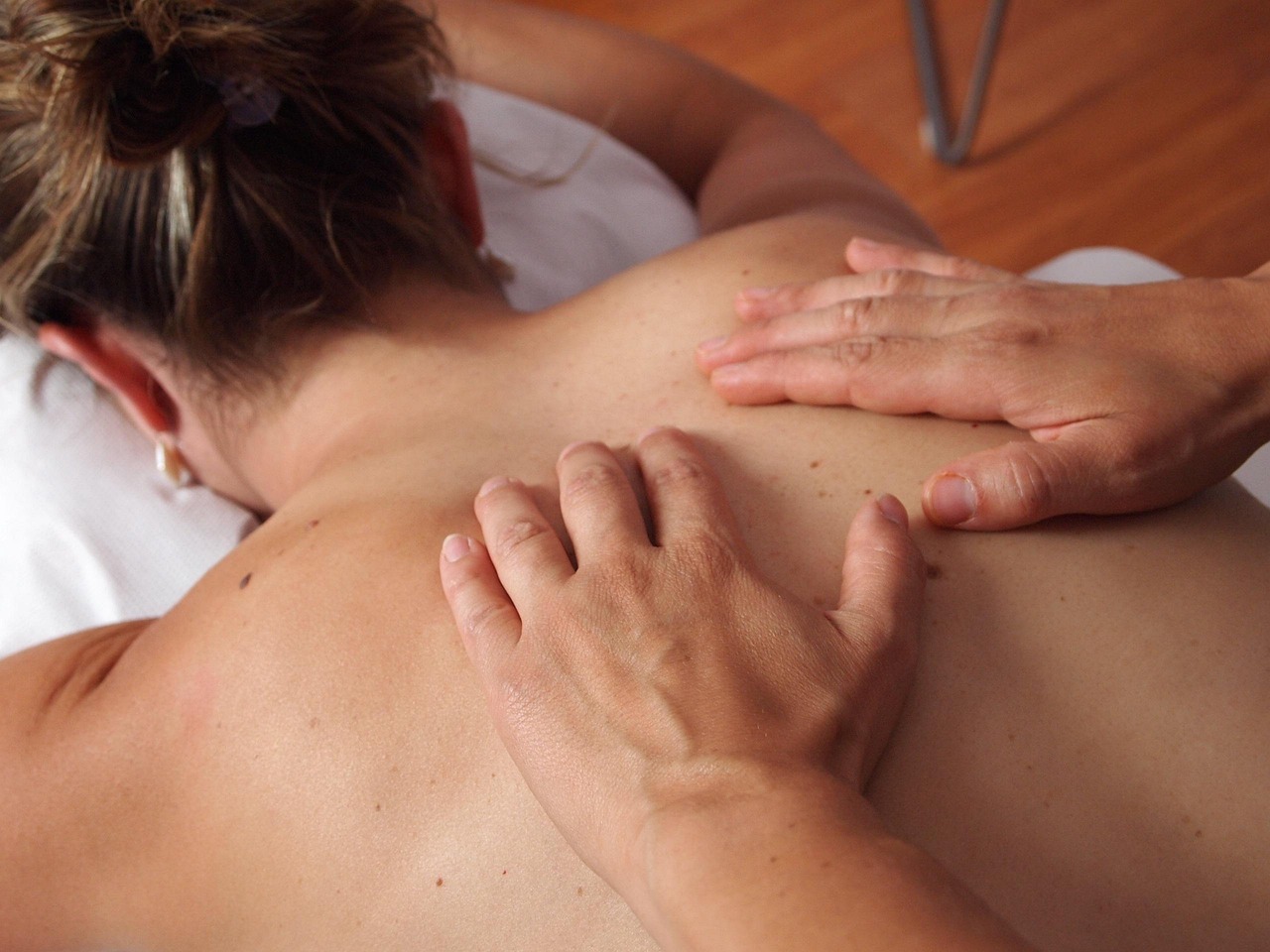
A shoulder that has been guarded for months also develops capsular tightness. Manual therapy and dry needling address that directly. Mobilizing the joint and releasing the posterior shoulder tension before loading it makes the exercise work significantly more effectively.
Injections
Corticosteroids work well when inflammation is the primary barrier to progress. A shoulder too swollen and irritated to move through a full range cannot respond to physical therapy the way it needs to. The injection settles things down. Rehab does the rest.
PRP is a different conversation. Partial tears and degenerative tendinopathy that have not responded to other care are the best candidates. It takes longer to show results but it targets the tissue itself rather than just managing the inflammation around it.
Daily Habits That Change the Outcome
Sleeping on the affected shoulder compresses the rotator cuff for hours every night. Most people do not connect this to why the shoulder feels worse in the morning. Switching to the opposite side or sleeping on the back takes that load off entirely.
Desk setup matters more than people expect. A monitor that sits too low rounds the upper back. That rounds the shoulders forward. Every arm movement for the next eight hours happens from that compromised position.
Carrying a bag on the affected side, lifting with the arm away from the body, and reaching across repeatedly throughout the day. None of these feels significant in the moment. They add up.
If shoulder pain or weakness has been a problem, contact Modern Medicine of Chandler, AZ to schedule an orthopedic evaluation.
When the Shoulder Stops Cooperating
Reaching overhead becomes rough. Sleeping on that side stops working. Something catches or aches after lifting anything above shoulder height and it lingers longer than it should.
People adjust. They stop reaching that high. They switch sides. They skip the activity that sets it off. By the time most people come in, the shoulder has been a problem for months, and the workarounds have become habits.
What the Rotator Cuff Is Doing
Four muscles with one job. Keep the humeral head sitting properly in the socket while the arm moves in every direction.
When any of those muscles weaken, tear, or stop firing at the right moment, the whole system shifts. The arm starts moving from a position it was not designed for. Other structures compensate. Pain builds. Strength drops. The shoulder becomes unreliable.
Impingement feels different from a partial tear. A partial tear feels different from tendinopathy. The diagnosis shapes the treatment. Treating the wrong thing wastes time and sometimes makes the actual problem worse.
Physical Therapy
This is where most rotator cuff recovery happens. The work targets the specific muscles that have stopped doing their job. External rotator strengthening. Subscapularis activation. The scapular stabilizer works to control how the shoulder blade moves during arm elevation. That last part gets skipped in generic programs and it is usually the piece that keeps people stuck.
A shoulder that has been guarded for months also develops capsular tightness. Manual therapy and dry needling address that directly. Mobilizing the joint and releasing the posterior shoulder tension before loading it makes the exercise work significantly more effectively.
Injections
Corticosteroids work well when inflammation is the primary barrier to progress. A shoulder too swollen and irritated to move through a full range cannot respond to physical therapy the way it needs to. The injection settles things down. Rehab does the rest.
PRP is a different conversation. Partial tears and degenerative tendinopathy that have not responded to other care are the best candidates. It takes longer to show results but it targets the tissue itself rather than just managing the inflammation around it.
Daily Habits That Change the Outcome
Sleeping on the affected shoulder compresses the rotator cuff for hours every night. Most people do not connect this to why the shoulder feels worse in the morning. Switching to the opposite side or sleeping on the back takes that load off entirely.
Desk setup matters more than people expect. A monitor that sits too low rounds the upper back. That rounds the shoulders forward. Every arm movement for the next eight hours happens from that compromised position.
Carrying a bag on the affected side, lifting with the arm away from the body, and reaching across repeatedly throughout the day. None of these feels significant in the moment. They add up.
If shoulder pain or weakness has been a problem, contact Modern Medicine of Chandler, AZ to schedule an orthopedic evaluation.
Tempe, AZ - Orthopedic Treatments for Rotator Cuff Pain and Shoulder Weakness
SYNOPSIS: This article covers rotator cuff pain and shoulder weakness, including what drives the problem, what treatment options exist, and more. There are daily habits that can change your outcome.
Rotator Cuff Pain Relief With Orthopedic Care
BY: Josh Adams, Modern Medicine of Chandler, AZ
When the Shoulder Stops Cooperating
Reaching overhead becomes rough. Sleeping on that side stops working. Something catches or aches after lifting anything above shoulder height and it lingers longer than it should.
People adjust. They stop reaching that high. They switch sides. They skip the activity that sets it off. By the time most people come in, the shoulder has been a problem for months, and the workarounds have become habits.
What the Rotator Cuff Is Doing
Four muscles with one job. Keep the humeral head sitting properly in the socket while the arm moves in every direction.
When any of those muscles weaken, tear, or stop firing at the right moment, the whole system shifts. The arm starts moving from a position it was not designed for. Other structures compensate. Pain builds. Strength drops. The shoulder becomes unreliable.
Impingement feels different from a partial tear. A partial tear feels different from tendinopathy. The diagnosis shapes the treatment. Treating the wrong thing wastes time and sometimes makes the actual problem worse.
Physical Therapy
This is where most rotator cuff recovery happens. The work targets the specific muscles that have stopped doing their job. External rotator strengthening. Subscapularis activation. The scapular stabilizer works to control how the shoulder blade moves during arm elevation. That last part gets skipped in generic programs and it is usually the piece that keeps people stuck.
A shoulder that has been guarded for months also develops capsular tightness. Manual therapy and dry needling address that directly. Mobilizing the joint and releasing the posterior shoulder tension before loading it makes the exercise work significantly more effectively.
Injections
Corticosteroids work well when inflammation is the primary barrier to progress. A shoulder too swollen and irritated to move through a full range cannot respond to physical therapy the way it needs to. The injection settles things down. Rehab does the rest.
PRP is a different conversation. Partial tears and degenerative tendinopathy that have not responded to other care are the best candidates. It takes longer to show results but it targets the tissue itself rather than just managing the inflammation around it.
Daily Habits That Change the Outcome
Sleeping on the affected shoulder compresses the rotator cuff for hours every night. Most people do not connect this to why the shoulder feels worse in the morning. Switching to the opposite side or sleeping on the back takes that load off entirely.
Desk setup matters more than people expect. A monitor that sits too low rounds the upper back. That rounds the shoulders forward. Every arm movement for the next eight hours happens from that compromised position.
Carrying a bag on the affected side, lifting with the arm away from the body, and reaching across repeatedly throughout the day. None of these feels significant in the moment. They add up.
If shoulder pain or weakness has been a problem, contact Modern Medicine of Chandler, AZ to schedule an orthopedic evaluation.