Most people wouldn’t guess that the clinic down the street that fixes knees also treats bladder leaks. Say the word orthopedic and they think of knee braces and shoulder exercises. Pelvic floor therapy is often down the same hallway, though, and it’s run by physical therapists.
That’s because the pelvic floor is a group of muscles. Getting muscles to work right is our whole job.
A Quick Look at the Muscles Down There
The bottom of your pelvis is lined with a layer of muscle. Your bladder and bowel sit on top of it. It squeezes when you cough so you don’t leak, and it’s supposed to let go when you use the bathroom. Sometimes it gets too weak. Sometimes it gets clenched and tight. Either one can cause trouble.
People We See for It
All kinds of people come in for this. Here’s a short list:
- New moms who leak when they sneeze or jump on the trampoline with their kids
- Women going through menopause who suddenly have to pee all the time
- Men who had prostate surgery and are dealing with leaking afterward
- Runners and lifters who notice leaks during workouts
- Anyone with pain during sex, tailbone pain, or an ache deep in the pelvis that no one has explained
Guys especially tend to sit on this for years before saying a word. There’s no need to wait that long.
So Why an Orthopedic Clinic?
The pelvic floor is wired into a lot of other things. Your hips matter, your lower back matters, and believe it or not, so does the way you breathe. A stiff back or weak hips can leave those muscles doing extra work. Orthopedic therapists are used to looking at all of that together, which helps.
If you’re calling around, ask one thing: does the clinic have a therapist with specific pelvic health training? Plenty of PTs don’t do this work, so it’s a fair question.
What Happens the First Time
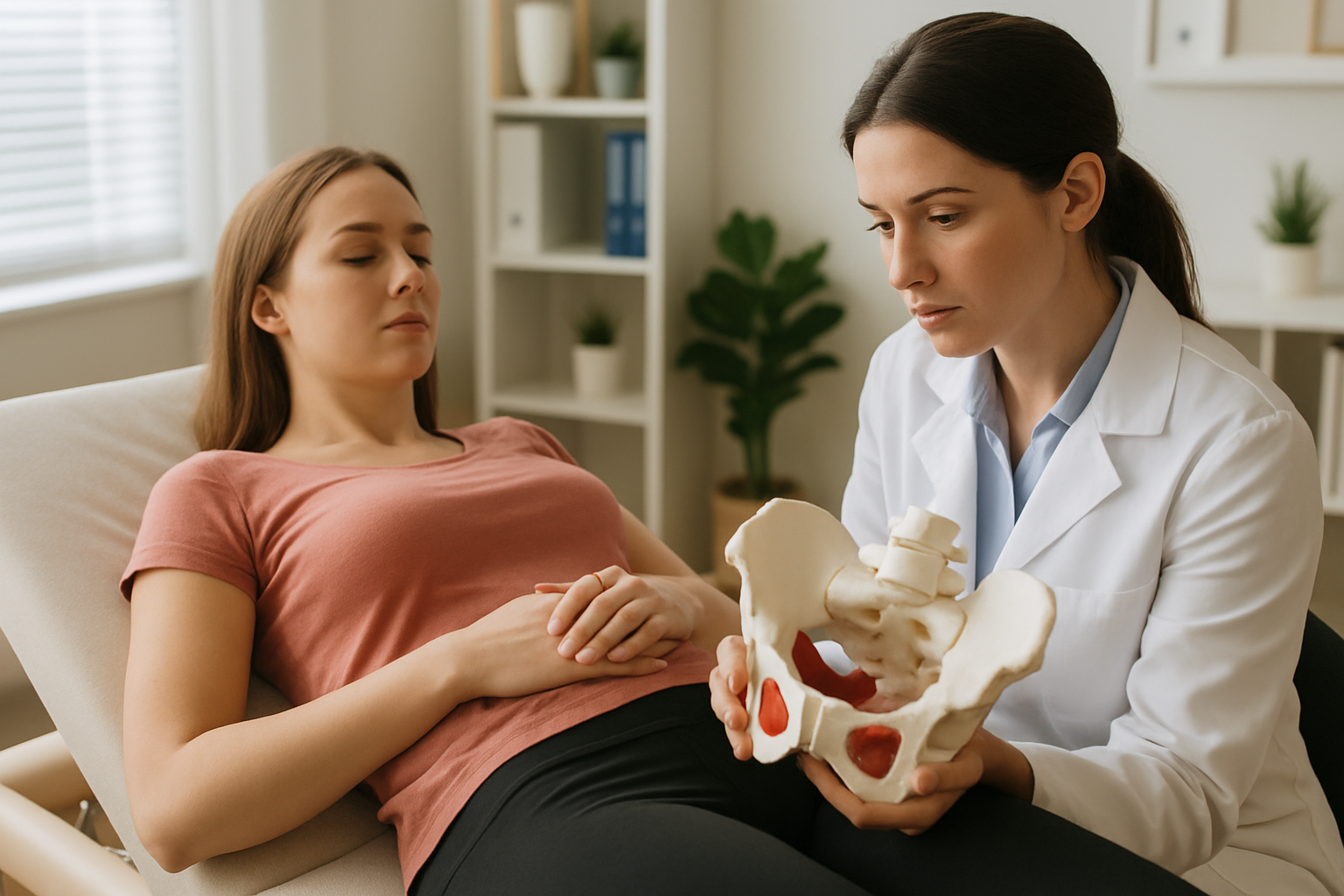
You’ll be in a private room, and we’ll mostly talk at first. How often are you going to the bathroom? Do you leak, and when? Have you had any pregnancies or surgeries we should know about? After that, we look at your breathing, posture, hips, and core. Some people choose to have an internal exam because it tells us more. Others don’t, and that’s completely fine.
From there you might learn how to tighten the right muscles, or how to relax ones that never let go. Most people start noticing changes after a few weeks of practice at home.
We know this isn’t the easiest thing to bring up. Call us at Modern Medicine of Chandler, AZ, and we’ll make the first visit as comfortable as we can.