Ahwatukee, AZ — Why the Orthopedic Clinic Uses Dry Needling for Chronic Pain
You might wonder why an orthopedic clinic keeps a treatment like dry needling in the toolkit at all. It looks a little unusual next to strengthening and hands-on care. But there’s a specific reason it’s there, and it comes down to a kind of chronic pain that other treatments struggle to reach. When that’s what you’re dealing with, dry needling does a job the rest of the toolkit can’t quite manage.
The Problem It Solves
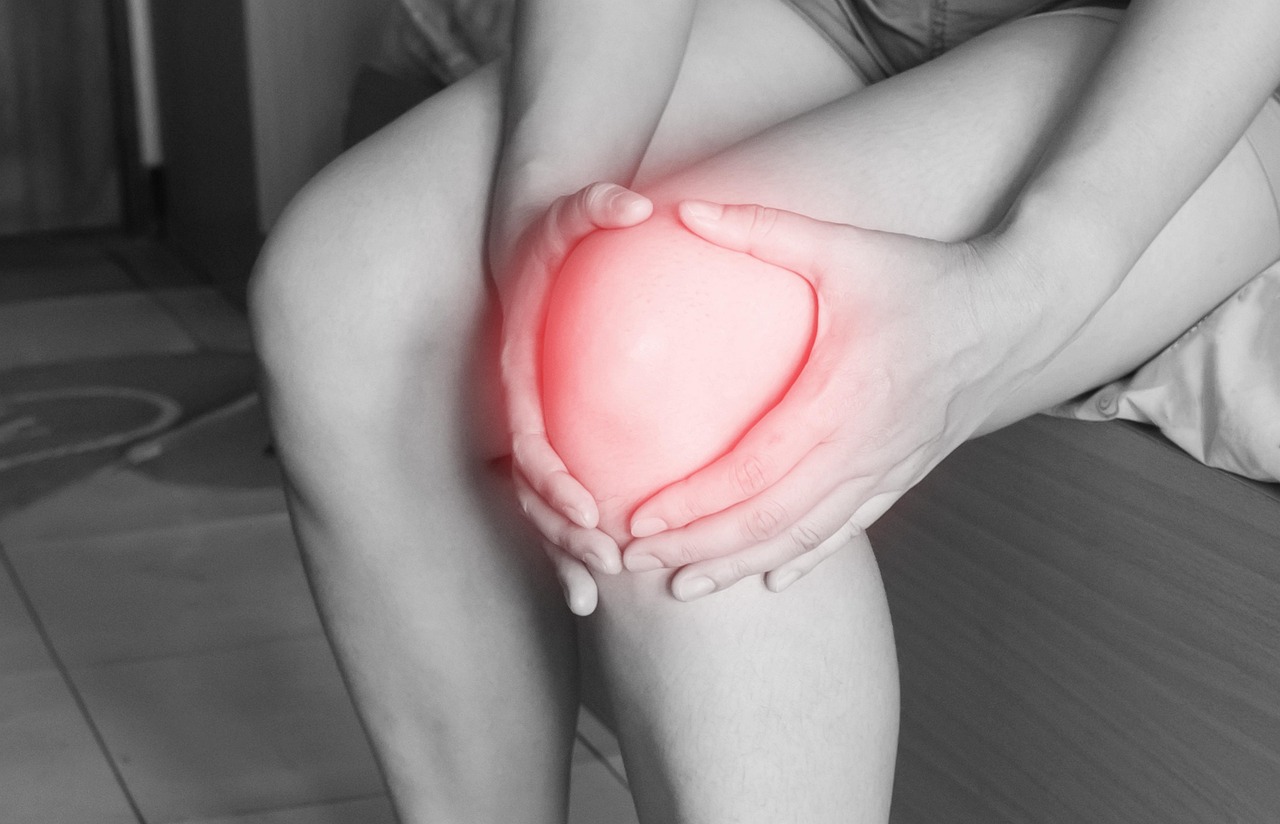
A lot of chronic pain comes from trigger points: tight, ropey knots buried in a muscle that clamp down and won’t release. They stay tender, they stiffen the area, and they refer pain to other spots, so where it hurts isn’t always where the knot sits.
Here’s the gap. These knots sit deep in the muscle. Stretching works it broadly and often can’t reach them. Massage works the surface. Even skilled hands-on work sometimes can’t get deep enough to release a stubborn one. So you can do everything right and still have a knot quietly driving your pain. That’s the exact gap dry needling fills.
What It Does That Other Treatments Can’t
Dry needling puts a thin needle straight into the knot, reaching it at its actual depth. Nothing’s injected, which is where the dry part comes from. It’s the one tool that gets right to the trigger point instead of working around it.
When the needle hits the spot, the muscle gives a quick twitch. That twitch is the knot releasing. Blood flows back in, the tightness drops, and the pain it was referring tends to ease with it. For a deep knot that’s shrugged off stretching and massage for months, that direct release is often the thing that finally moves it.
Why It’s Not Used Alone
A good clinic doesn’t treat dry needling as a standalone fix. The needle releases the knot. But if whatever created it is still there — a weak muscle, a posture habit, a movement pattern — it can reform. So the needling gets paired with strengthening and movement work that handles the underlying cause. The release opens the door. The follow-up work keeps the knot from coming back.
When It’s the Right Tool
Dry needling isn’t for every kind of pain, and a clinic won’t reach for it blindly. It fits muscle pain driven by trigger points, like months-long neck and shoulder tension, lower back pain with knots referring into the hip, tension headaches from a tight neck, or stubborn hip and hamstring tightness that won’t stretch loose. It won’t fix arthritis, a tear, or nerve pain, which is why an evaluation comes first.
When to Look Into It
It’s worth asking about when pain’s parked in the same spot for weeks, when nothing at home reaches it for long, or when it loosens with massage then tightens right back up.
If chronic muscle pain has outlasted everything else, Modern Medicine of Chandler, AZ can check whether trigger points are behind it and whether dry needling fits your plan. Give us a call to get started.