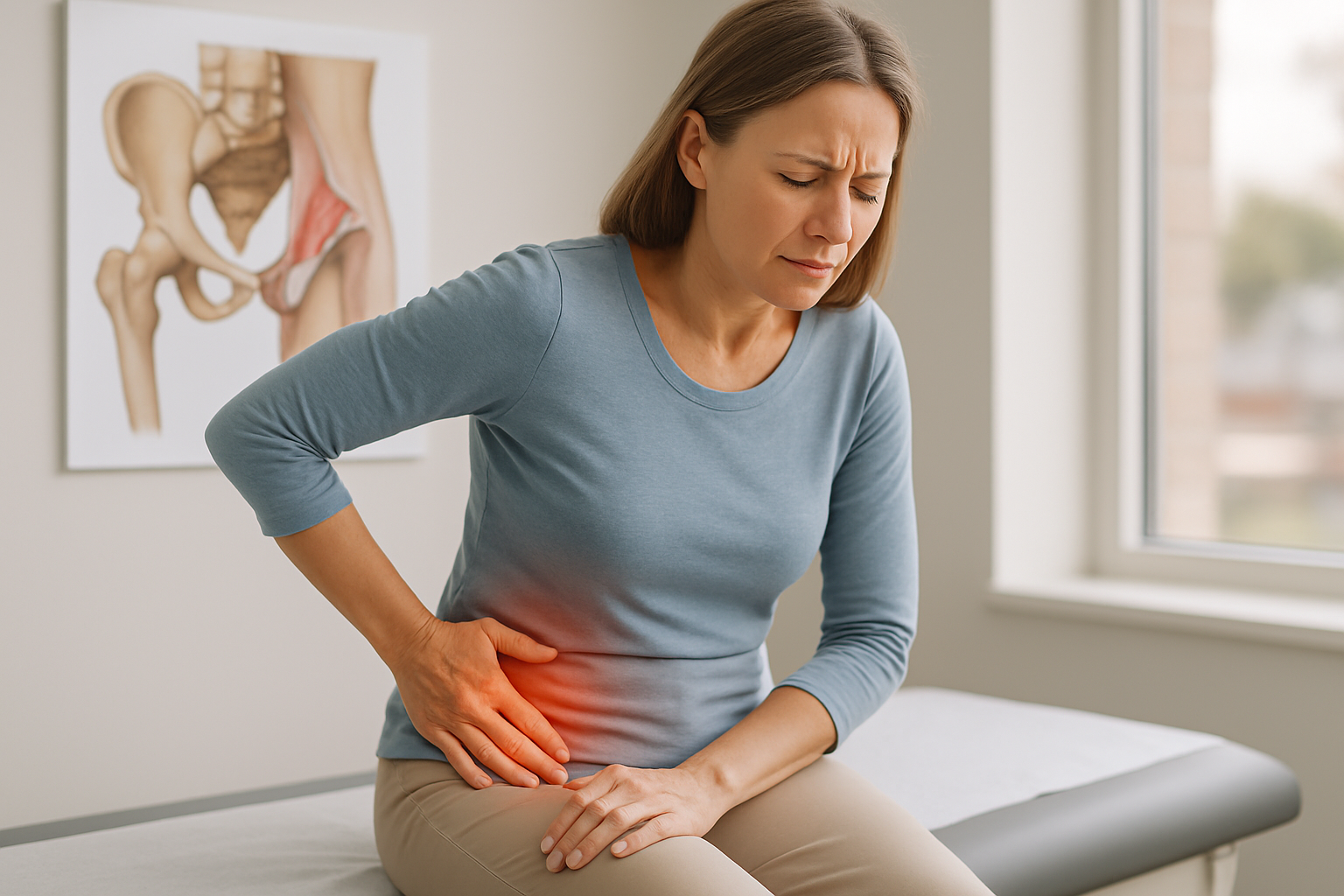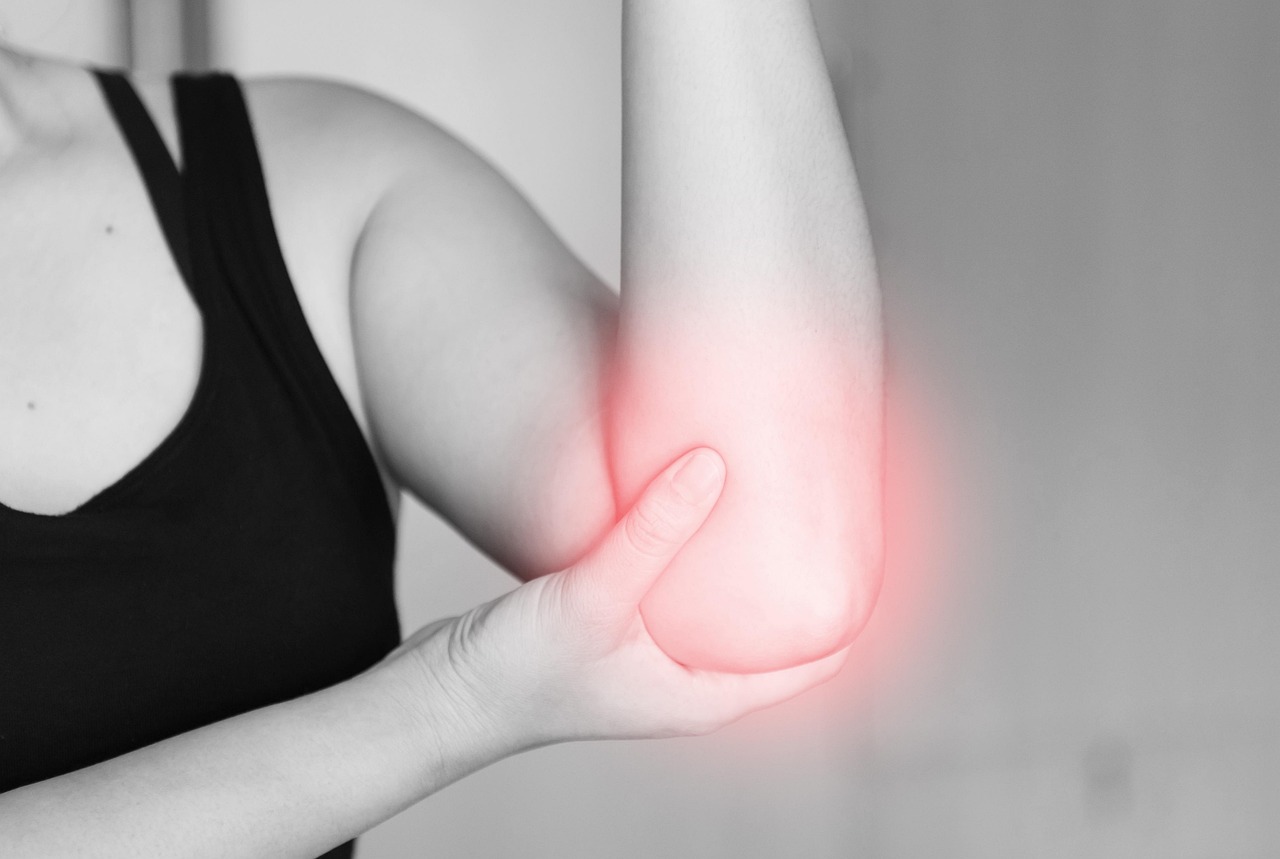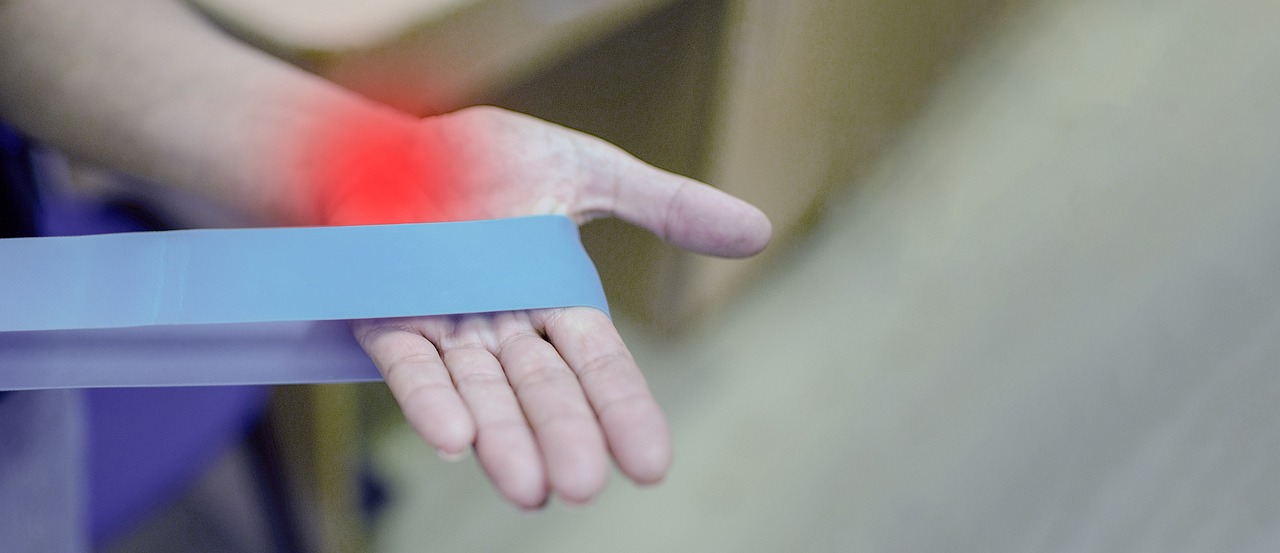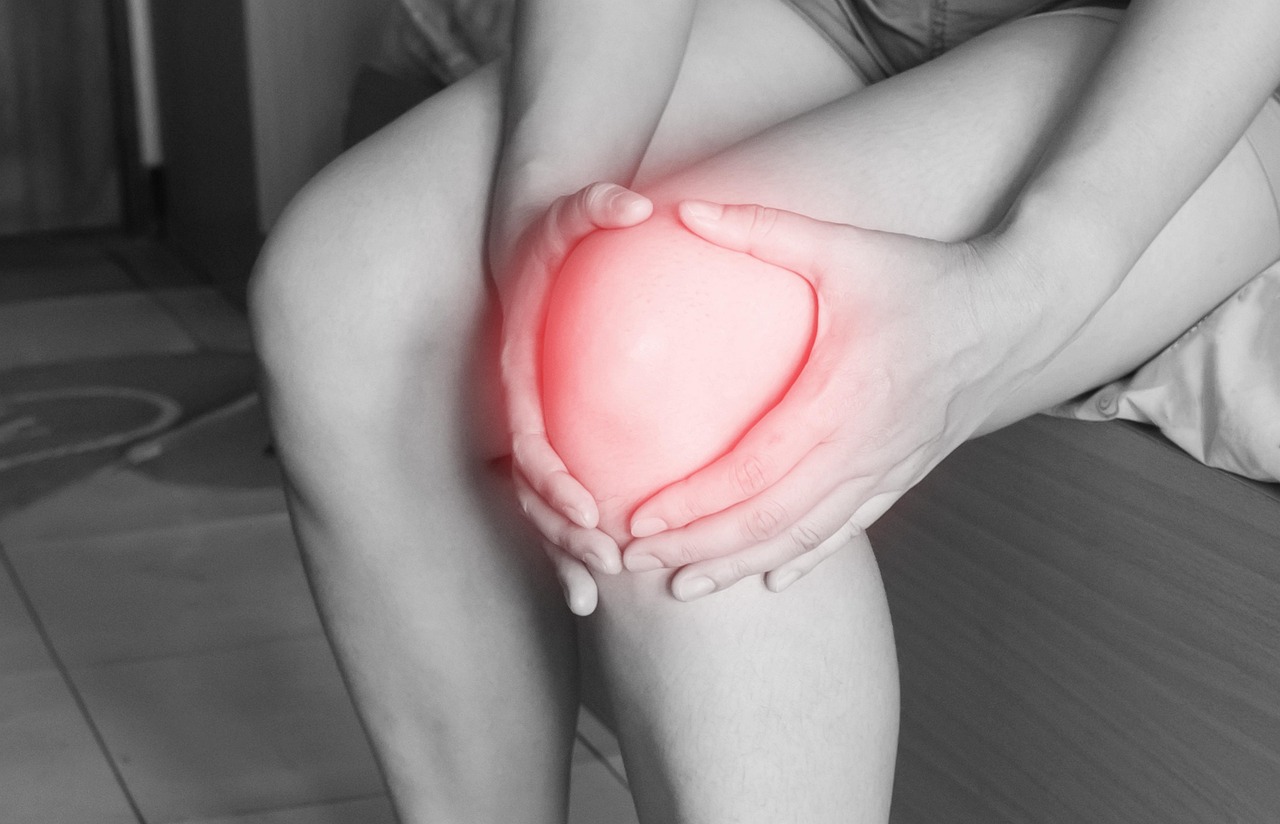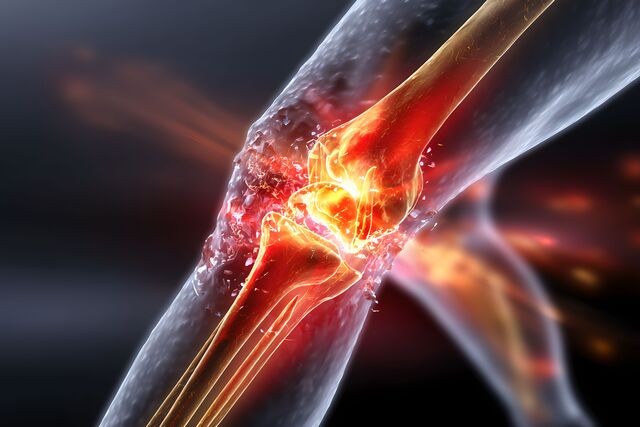
There is a difference between a joint that flares up after a hard weekend and one that is just always there. Chronic joint pain is the second kind. It shows up when getting out of bed. It builds through a normal day. It is there after dinner, interrupting sleep, factoring into every decision about what to do and whether the payback will be worth it.
Most people dealing with chronic joint pain have already tried the obvious things. Anti-inflammatories. Rest. Cutting back on activity. These take the edge off temporarily. They do not change what is happening in the joint.
What Is Actually Going On
Chronic joint pain has layers. The structural problem, cartilage wear, tendon breakdown, and ligament laxity, creates the initial irritation. The body responds by guarding the area. Muscles tighten. Movement decreases. The joint stiffens further. Surrounding muscles weaken from reduced use and put more load on already compromised surfaces.
That cycle runs quietly. Pain leads to less movement. Less movement leads to more weakness. More weakness accelerates the deterioration. By the time most patients come in, they are dealing with the original problem and everything that has built up around it.
Why It Does Not Settle on Its Own
The structural changes driving chronic joint pain do not reverse with rest. Cartilage does not regenerate. Tendon tissue that has degenerated does not repair itself without specific loading. The muscle weakness that developed around the painful joint does not come back without targeted work.
What rest does is reduce the immediate irritation just enough to feel like progress. Then the activity resumes, and the cycle starts again from the same broken baseline.
Non-Surgical Options That Make a Difference
Non-surgical orthopedic care covers real ground for chronic joint pain. The right combination depends on what the joint needs and how far the degeneration has progressed.
Options include:
- Corticosteroid injections to reduce acute inflammation directly inside the joint when flare-ups limit function
- Hyaluronic acid injections to restore lubrication in joints where cartilage loss has made movement rough and painful
- PRP injections to drive tissue repair in tendons and early cartilage damage, where the goal is healing rather than symptom management
- Physical therapy to rebuild the muscle support that takes the load off the damaged joint surfaces
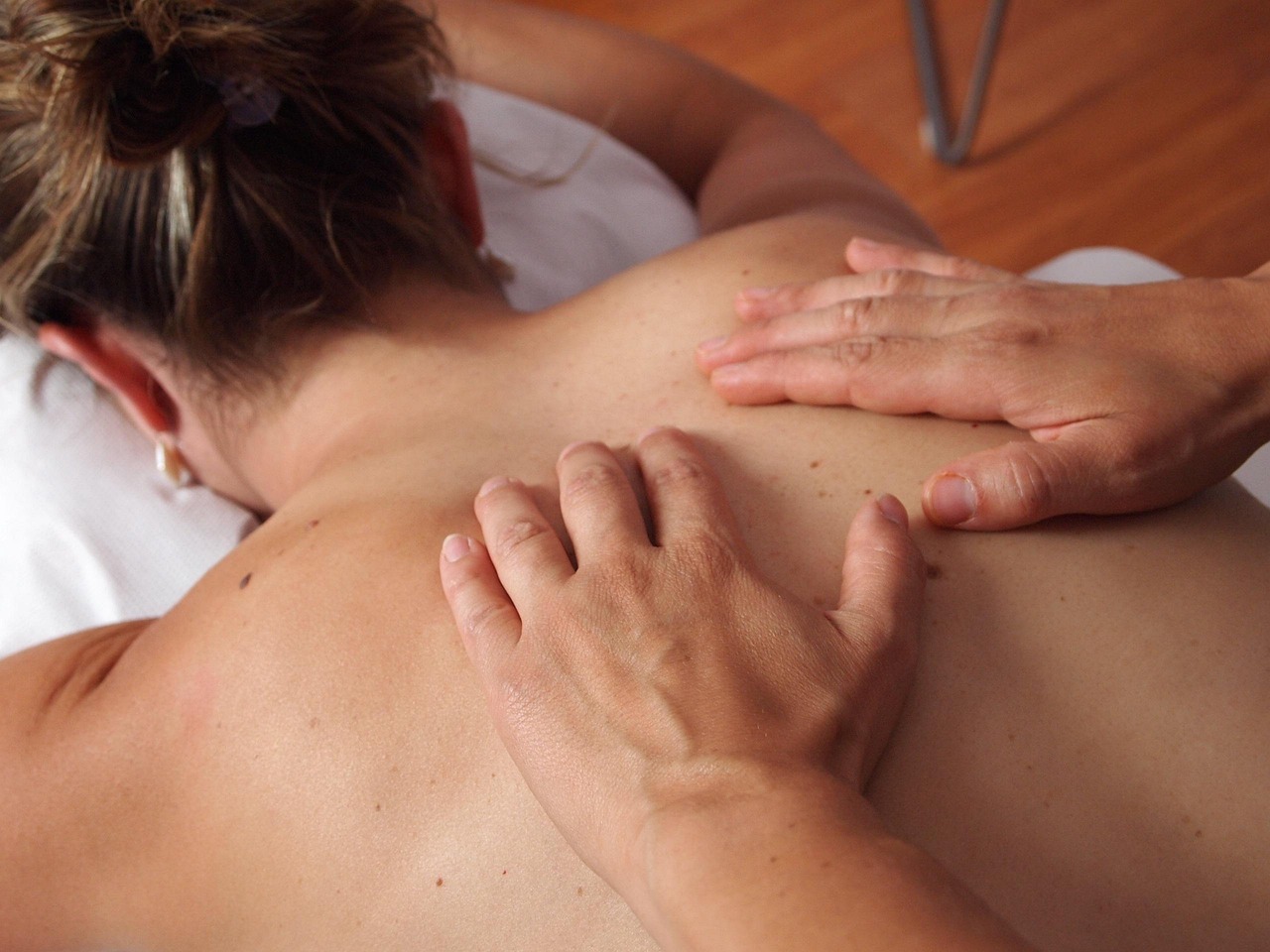
- Manual therapy to restore mobility in joints that have stiffened due to chronic inflammation
These are not temporary fixes layered on top of an unaddressed problem. Used properly, they interrupt the cycle. Pain decreases. Movement improves. The joint stops deteriorating at the rate it was.
What the Evaluation Looks At
Two people with the same diagnosis on paper can be in completely different situations.
One has early cartilage wear and significant muscle weakness. Another has moderate degeneration but good surrounding strength and a movement fault loading the joint unevenly. The care looks different for each.
A proper evaluation at Modern Medicine of Chandler, AZ, looks at joint function, strength, movement patterns, and daily life impact. Let us help you today.