 Still Active But Differently
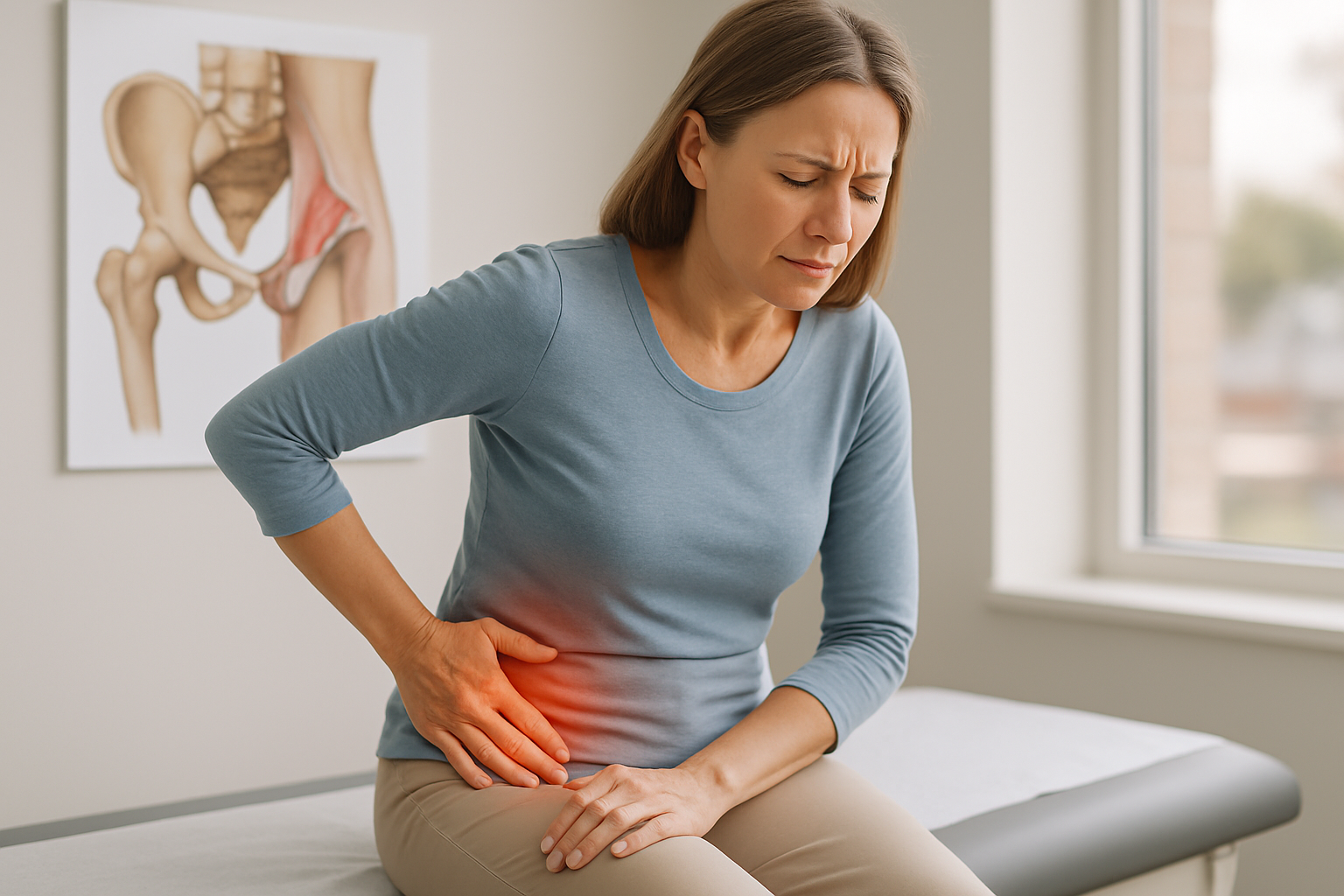
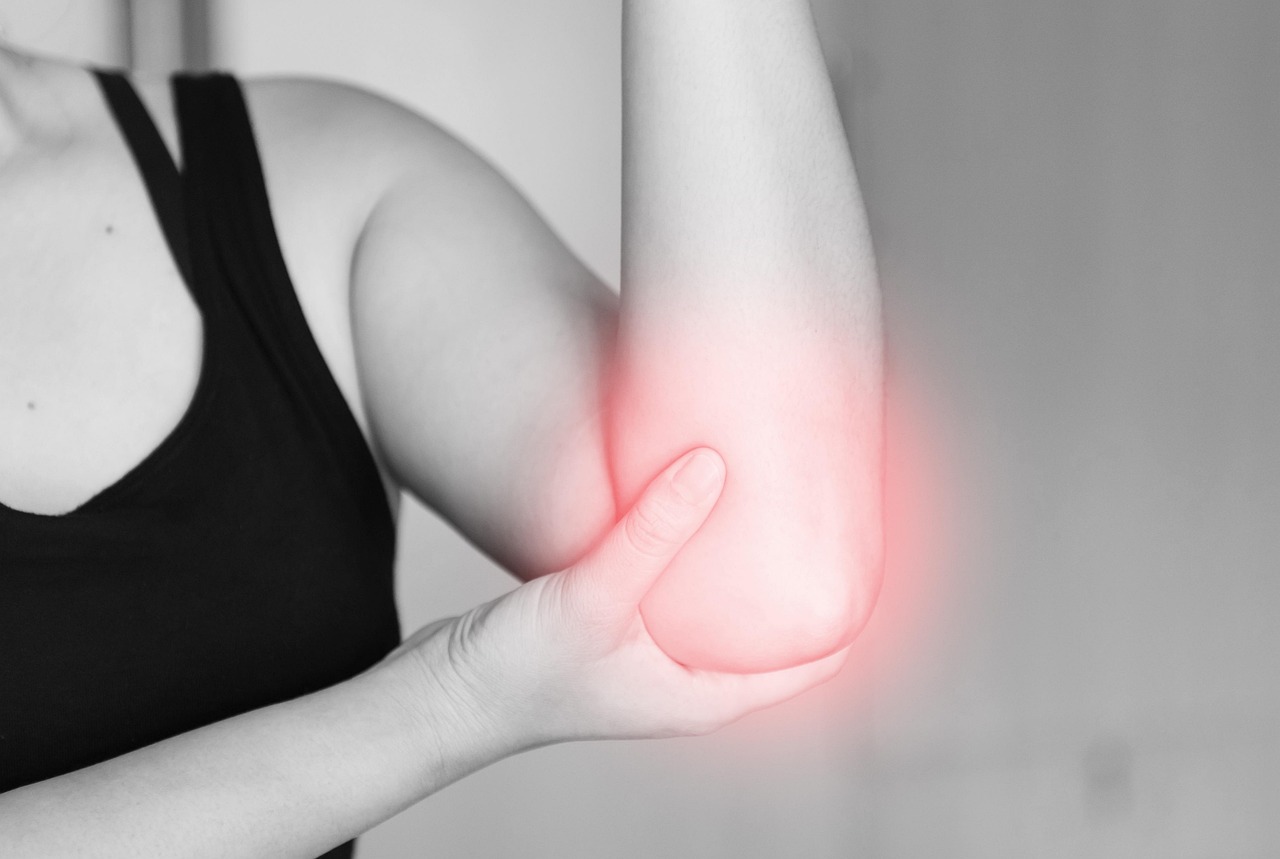
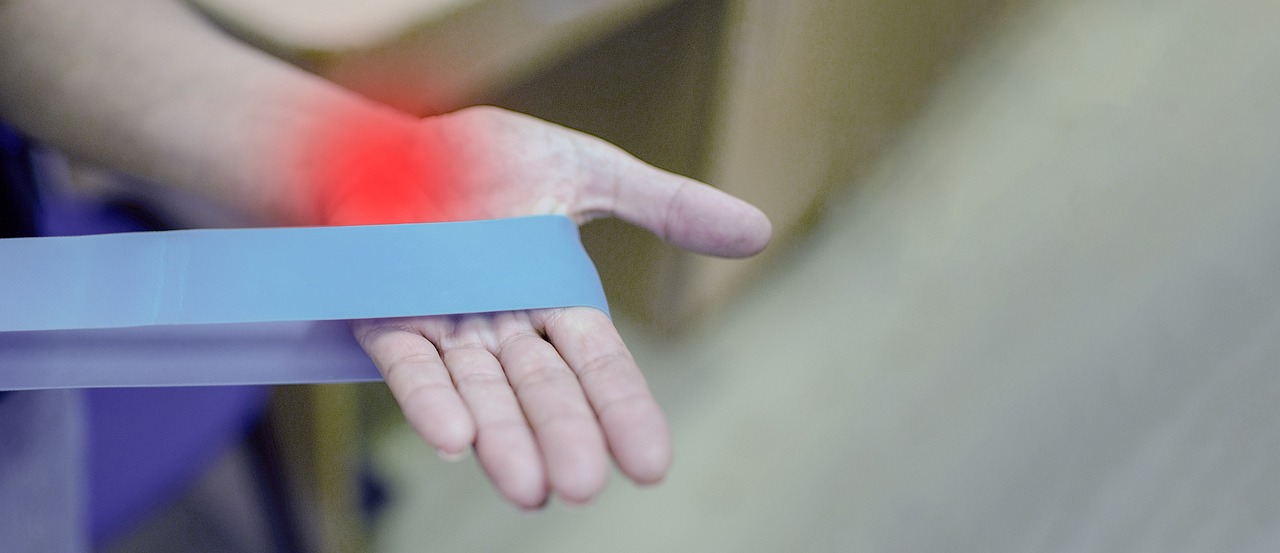
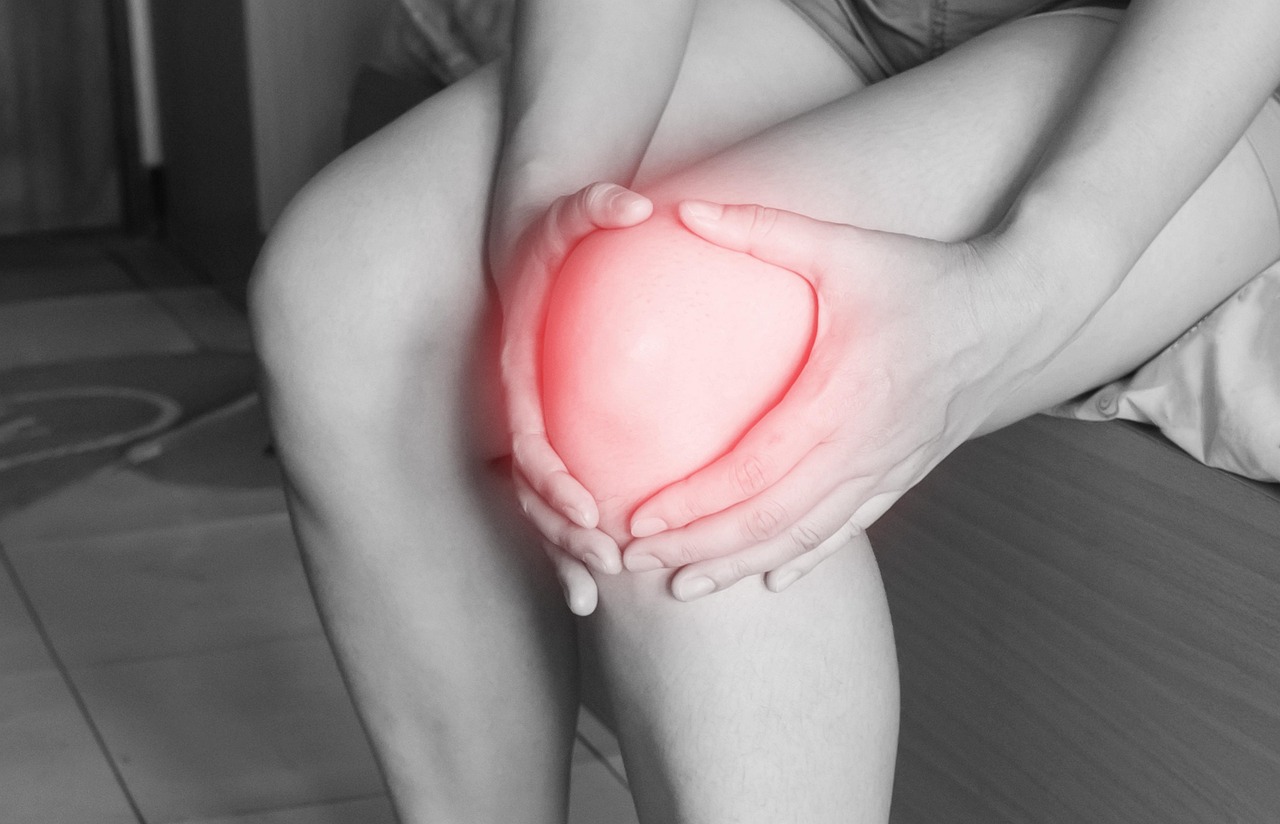
The Saturday hike that used to feel fine by Monday is still sore on Wednesday. The shoulder that settled in two weeks after a tough workout now takes six. The knee that twisted during pickleball three weeks ago is still not right.
Most active adults in Ahwatukee are not slowing down by choice. They are managing a gap between what they want to do and how long the body needs to recover from doing it.
What Changes After Forty
Muscle mass drops gradually after forty. Tendons get stiffer and less forgiving of sudden load spikes. Cartilage that has been accumulating wear for decades has less reserve than it did ten years ago. Recovery that used to happen in the background now requires actual attention.
It does not show up all at once. Just enough to notice. Just enough that the approach that worked for years starts producing different results. The active adults who manage this best are not the ones training less. They are the ones paying attention to how they load tissue and what they do when something goes wrong.
What Sports Medicine Looks At
A 48-year-old who hikes South Mountain on weekends, plays doubles tennis twice a week, and lifts in between is not the same patient as a younger athlete returning to a single sport. The injury has to be understood in the context of the full weekly load.
What is the total demand on the tissue? Where has stress been building quietly before the current problem showed up? What old injuries are still influencing how the body moves?
A sports medicine evaluation looks at all of that. The presenting injury and the pattern around it.
What Recovery Looks Like
Tissue needs more time at each phase before the next load gets added. Pushing too fast does not just slow healing. It pulls adjacent structures into the problem that were already managing more than their share.
Treatment for active adults typically involves:
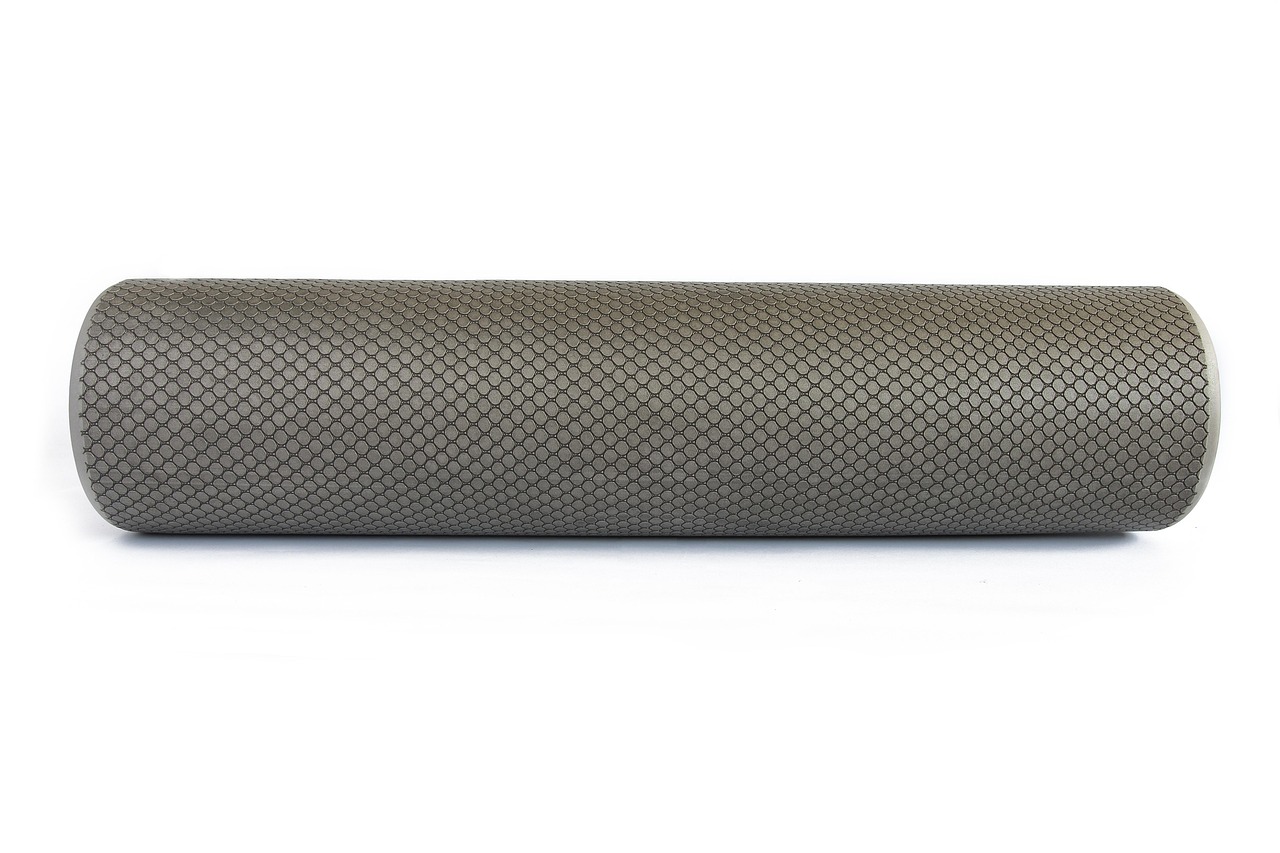
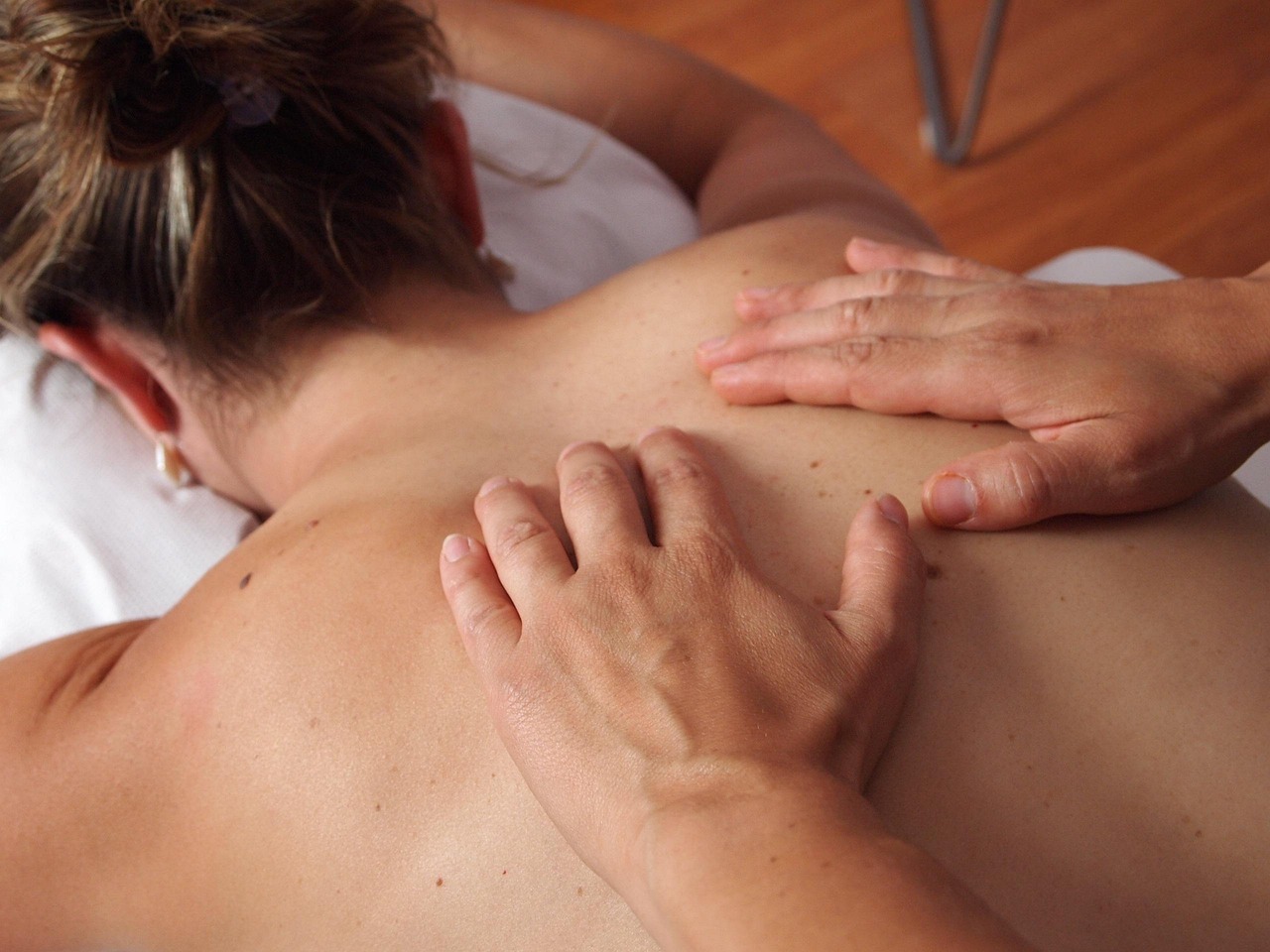
- Soft tissue work to address the stiffness and tissue quality changes that accumulate over years of activity
- Progressive strength work targeting the specific muscles supporting the injured area
- Load management across all activities, not just the one that caused the injury
- Movement retraining to correct patterns that developed around old injuries nobody fully addressed
The goal is not a scaled-back version of the previous activity level. It is the full version without the body feeling one step from the next problem.
If you are dealing with an injury or recurring pain, contact Modern Medicine of Chandler, AZ to schedule a sports medicine evaluation.