 The Injury That Feels Fine Until It Is Not
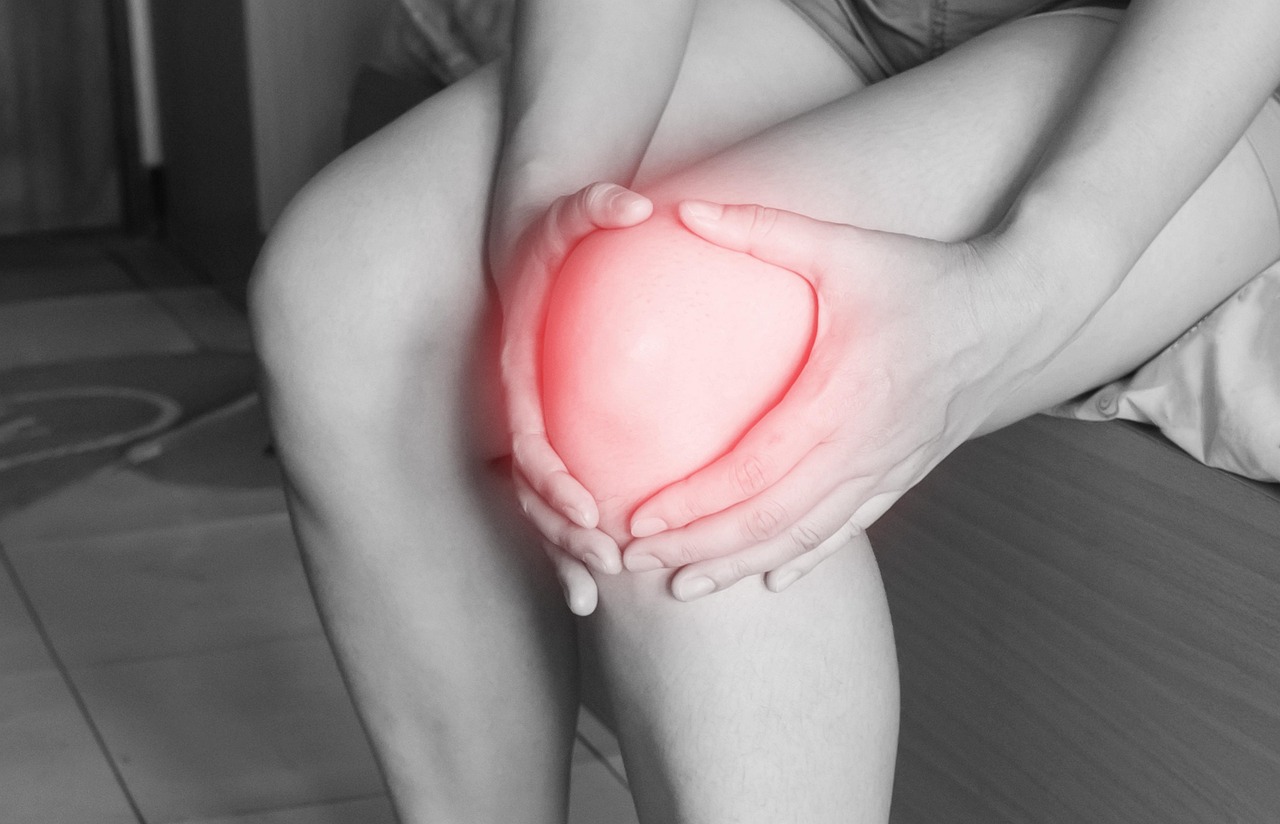
A rolled ankle stepping off a curb. A hamstring that pulled during a Saturday game. A shoulder that felt off while reaching for something overhead.
People walk it off. Rest for a few days. Go back to normal. Then the same thing happens three weeks later, or something nearby gives out because it was covering for the original injury the whole time. The injury was not the whole problem. What did not happen after it was the real issue.
Sprains and Strains Are Not the Same
Worth saying clearly because the words get mixed up constantly.
A sprain is a ligament injury. Ligaments hold joints together, bone to bone. Force the joint past its range and the ligament stretches or tears. Ankles go first most often. Knees, wrists, and shoulders are close behind.
A strain is muscle or tendon tissue tearing under load. Sprinting too hard. Reaching too far. A sudden push-off the body was not ready for. Hamstrings, calves, rotator cuffs.
Grades matter for both:
- Grade one means mild disruption, structure still holding, pain manageable
- Grade two is a partial tear, real swelling, and real functional loss
- Grade three is a full rupture, sometimes surgical
Why the Same Spot Keeps Getting Hurt
Ligaments are packed with nerve endings. Those endings track joint position and feed that information to the brain constantly. A sprain tears some of those tendons along with the tissue. The ligament scars over. The nerve endings do not fully recover without specific work. The joint starts feeling unstable on uneven ground or during direction changes. Not weakness exactly. A sensory gap.
Muscle strains leave scar tissue behind. Stiffer than the original fiber. Less able to handle the load at the end range. The next hard sprint or overhead reach hits that stiff spot and tears it again. Same location. Different day. Incomplete rehab almost every time.
What Treatment Does For You
Early on, the focus is on protecting the repair. Swelling down. Range maintained in surrounding joints. Light activation of the injured area so strength does not fall off a cliff while the tissue heals.
The middle phase is where sprains and strains split.
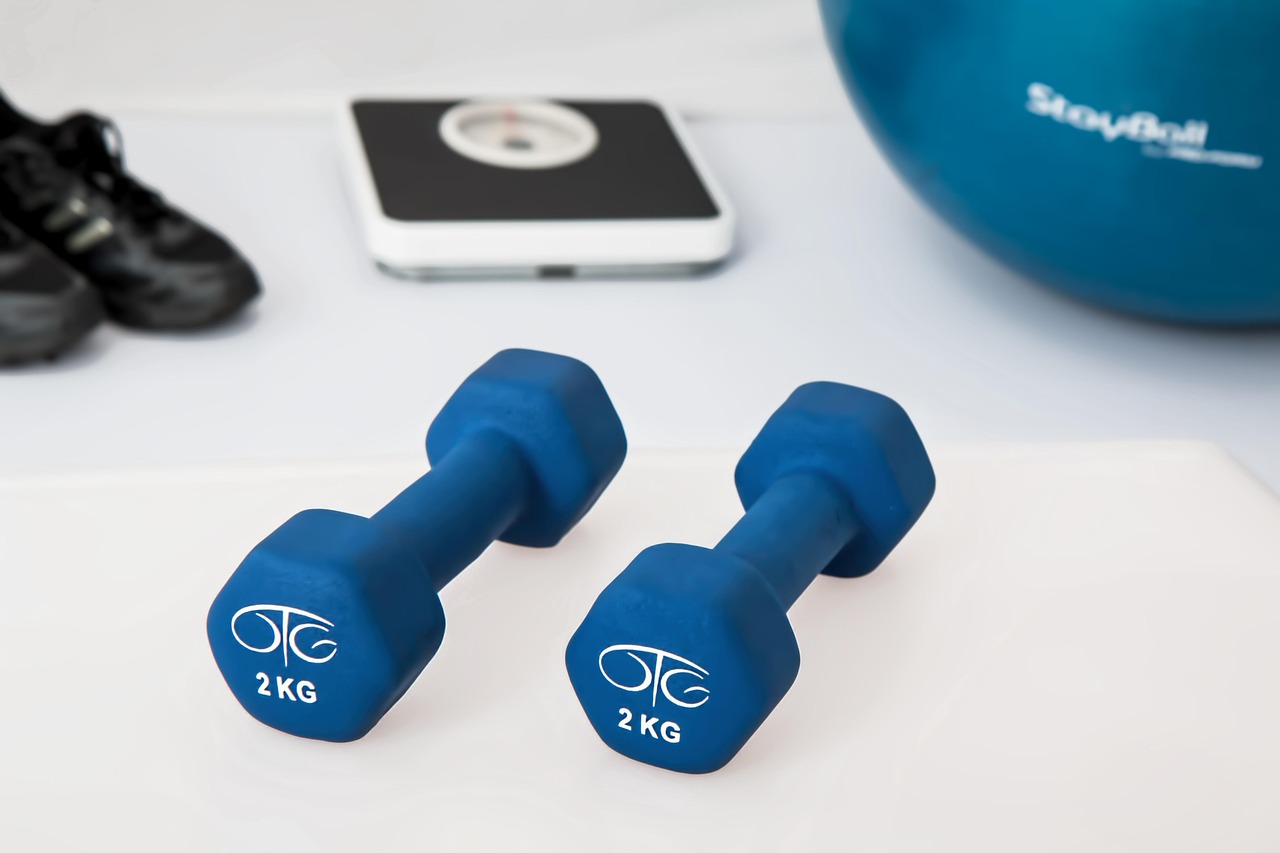
Sprain rehab needs balance and proprioception work. Single-leg drills. Unstable surfaces. Reactive training. The sensory system has to be retrained, or the joint keeps giving way.
Strain rehab needs eccentric loading. The muscle lengthens under resistance. This drives proper fiber repair and reduces scar tissue buildup. Most people never do this phase when managing on their own. Most recurring strains trace directly back to skipping it.
The late phase is about proving the tissue is ready. Not just feeling fine. Actually handling the load, speed, and direction change the patient is going back to.
Contact Modern Medicine of Chandler, AZ to schedule a sports medicine evaluation if a sprain or strain has not fully resolved or keeps coming back.