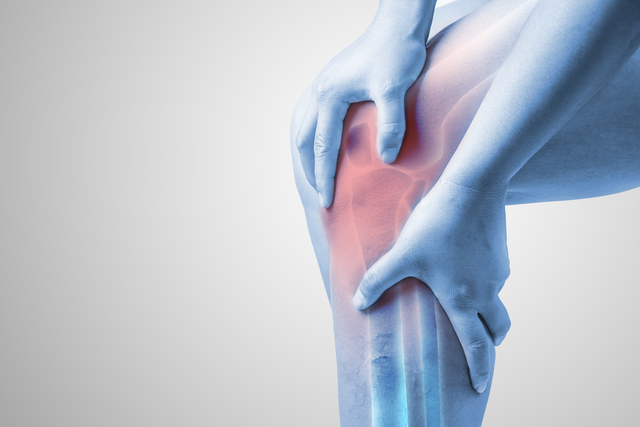
 Overuse Knee Pain Usually Builds Slowly
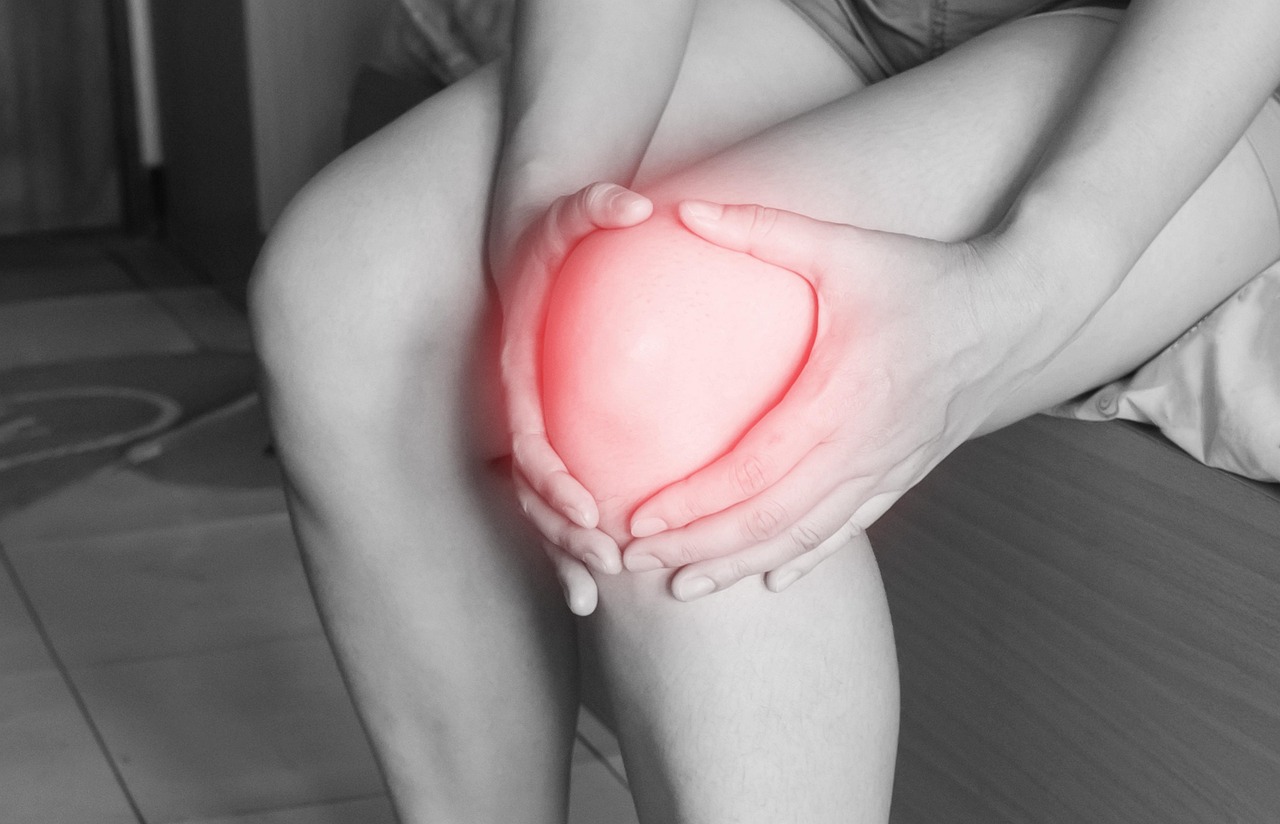
A lot of knee injuries do not start with one bad twist or one hard fall. They build over time.That is how overuse pain often works. The tissue gets stressed again and again without enough support or recovery.
At first, many active adults try to work through it. They stretch a little, rest for a day or two, then get back to the same routine. That often keeps the cycle going. The pain settles down just enough to stay active, but not enough to truly clear up.
What Physical Therapists Look At First
A sore knee does not always mean the knee is the only problem. The hip, ankle, foot, and even trunk control can all affect how force moves through the joint.
The first visit usually looks at how the knee moves, where the pain starts, and what activities trigger it. We also check what the body is doing around the joint. That may include:
- Range of motion
- Swelling or tenderness
- Hip and leg strength
- Balance
- Walking pattern
- Squat form
- Step down control
- Training or activity habits
This part matters since two people can have knee pain and need very different treatment. One patient may have patellofemoral pain from poor hip control. Another may have patellar tendon overload from repeated jumping or squatting. Another may have irritation tied to a quick jump in running volume. Good treatment starts with sorting that out.
Why These Injuries Keep Coming Back
Overuse injuries usually have more than one cause. Here are a few common issues which show up often:
- Weak hip support
- Poor landing or squat mechanics
- Limited ankle mobility
- Sudden jump in training load
- Poor recovery between activities
- Old injuries that changed movement patterns
This is why rest alone rarely fixes the problem for long.
How Physical Therapy Helps
Treatment usually starts by calming the irritated tissue and reducing the activities that keep feeding the pain. That does not always mean full rest. In many cases, it means changing the load so the knee gets a chance to settle while the patient keeps moving.
Physical therapy often includes:
- Strength work for the quads and hips
- Balance drills
- Mobility work for the ankle and hip
- Movement retraining
- Step and squat training
- Activity changes during recovery
- Return to sport or exercise progressions
What is Treatment Like?
Good knee rehab should connect to the way you actually move. A person who hikes needs something different from a person who plays tennis. A warehouse worker needs something different from someone whose pain shows up during gym workouts. The goal is not just to make the knee quieter in the clinic. The goal is to help it hold up better in daily life.
That is why progress often involves both pain relief and better control. Patients usually want to get back to walking, workouts, sports, or work tasks without thinking about the knee every few steps. That takes more than stretching. It takes a plan that builds support around the joint.
At Modern Medicine of Chandler, AZ, we treat overuse knee pain with physical therapy that looks at movement, strength, and the demands of your routine. Schedule a visit with Modern Medicine of Chandler, AZ if knee pain has started changing the way you train, work, or move through the day.