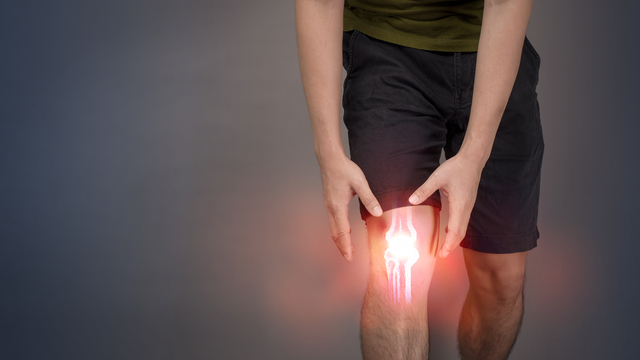
 Surgery gets mentioned early for practical reasons. Imaging reports sound final, and that can steer the whole visit. Many people walk in tired of pain and want a quick fix. Specialists also see patients later, once stairs, sleep, and work feel harder. A short appointment can limit time for a full rehab plan. Insurance rules can push imaging and specialist visits to the front of the line.
What Non-Surgical Care Tries To Do Instead
Non-surgical care aims to calm irritation and build joint support. Doctors focus on what you can and cannot do right now. They match pain to real tasks like getting out of a car, climbing stairs, or standing to cook. Then they pick treatments that improve those tasks in measurable steps. The goal is less pain and better movement, not a perfect scan.
Treatment Type: Targeted Physical Therapy
PT is a core tool for many joint problems. It builds strength in the muscles that protect the joint. It restores motion that gets lost through guarding and stiffness. It also retrains movement, so you stop loading the same painful angle all day. A good plan ties exercises to your routine, like stairs, desk work, grocery runs, or gym goals.
Treatment Type: Injections Used With A Rehab Plan
Injections can lower pain and swelling for a period of time. That window can help you sleep and move with less guarding. Doctors often use that window to push rehab forward. The injection alone rarely fixes the driver, so the follow-up plan matters. Your doctor sets clear goals for the next four to eight weeks.
Treatment Type: Bracing And Foot Support
Braces and shoe supports can change joint stress fast. A knee brace can reduce pain during longer walks. A brace for the wrist or thumb can help with gripping tasks. Foot support can reduce strain through the arch and heel. These tools work best when paired with strength and mobility work.
Treatment Type: Medication And Pain Control Planning
Doctors may use medication for short-term symptom control. The goal is better sleep and steadier movement. Your doctor reviews your health history and current meds first. Ice, heat, and simple pacing rules often sit in the same plan. Those basics can lower flare-ups when you stick with them.
Treatment Type: Load Changes That You Can Repeat
Joint pain often flares after a big jump in activity. Doctors help you set a weekly plan that avoids sharp swings. That may mean shorter walks spread across the day. It can mean swapping one high impact workout for a bike or pool session. Small changes that you repeat each week often beat one rest week, then a hard restart.
Visit Modern Physical Therapy & Sports Medicine of Chandler, AZ
Set up an appointment with us today. We can help you decide if surgery really is needed and schedule sessions to begin PT today.
Surgery gets mentioned early for practical reasons. Imaging reports sound final, and that can steer the whole visit. Many people walk in tired of pain and want a quick fix. Specialists also see patients later, once stairs, sleep, and work feel harder. A short appointment can limit time for a full rehab plan. Insurance rules can push imaging and specialist visits to the front of the line.
What Non-Surgical Care Tries To Do Instead
Non-surgical care aims to calm irritation and build joint support. Doctors focus on what you can and cannot do right now. They match pain to real tasks like getting out of a car, climbing stairs, or standing to cook. Then they pick treatments that improve those tasks in measurable steps. The goal is less pain and better movement, not a perfect scan.
Treatment Type: Targeted Physical Therapy
PT is a core tool for many joint problems. It builds strength in the muscles that protect the joint. It restores motion that gets lost through guarding and stiffness. It also retrains movement, so you stop loading the same painful angle all day. A good plan ties exercises to your routine, like stairs, desk work, grocery runs, or gym goals.
Treatment Type: Injections Used With A Rehab Plan
Injections can lower pain and swelling for a period of time. That window can help you sleep and move with less guarding. Doctors often use that window to push rehab forward. The injection alone rarely fixes the driver, so the follow-up plan matters. Your doctor sets clear goals for the next four to eight weeks.
Treatment Type: Bracing And Foot Support
Braces and shoe supports can change joint stress fast. A knee brace can reduce pain during longer walks. A brace for the wrist or thumb can help with gripping tasks. Foot support can reduce strain through the arch and heel. These tools work best when paired with strength and mobility work.
Treatment Type: Medication And Pain Control Planning
Doctors may use medication for short-term symptom control. The goal is better sleep and steadier movement. Your doctor reviews your health history and current meds first. Ice, heat, and simple pacing rules often sit in the same plan. Those basics can lower flare-ups when you stick with them.
Treatment Type: Load Changes That You Can Repeat
Joint pain often flares after a big jump in activity. Doctors help you set a weekly plan that avoids sharp swings. That may mean shorter walks spread across the day. It can mean swapping one high impact workout for a bike or pool session. Small changes that you repeat each week often beat one rest week, then a hard restart.
Visit Modern Physical Therapy & Sports Medicine of Chandler, AZ
Set up an appointment with us today. We can help you decide if surgery really is needed and schedule sessions to begin PT today.
Tempe, AZ - Non-Surgical Orthopedic Doctors Helping Avoid Joint Surgery
SYNOPSIS: This article covers why joint surgery gets suggested by surgeons early, what non-surgical orthopedic care looks like for you, and the main treatment types doctors use instead.
Non-Surgical Care That Targets Pain And Function
BY: Josh Adams, Modern Medicine of Chandler, AZ
Surgery gets mentioned early for practical reasons. Imaging reports sound final, and that can steer the whole visit. Many people walk in tired of pain and want a quick fix. Specialists also see patients later, once stairs, sleep, and work feel harder. A short appointment can limit time for a full rehab plan. Insurance rules can push imaging and specialist visits to the front of the line.
What Non-Surgical Care Tries To Do Instead
Non-surgical care aims to calm irritation and build joint support. Doctors focus on what you can and cannot do right now. They match pain to real tasks like getting out of a car, climbing stairs, or standing to cook. Then they pick treatments that improve those tasks in measurable steps. The goal is less pain and better movement, not a perfect scan.
Treatment Type: Targeted Physical Therapy
PT is a core tool for many joint problems. It builds strength in the muscles that protect the joint. It restores motion that gets lost through guarding and stiffness. It also retrains movement, so you stop loading the same painful angle all day. A good plan ties exercises to your routine, like stairs, desk work, grocery runs, or gym goals.
Treatment Type: Injections Used With A Rehab Plan
Injections can lower pain and swelling for a period of time. That window can help you sleep and move with less guarding. Doctors often use that window to push rehab forward. The injection alone rarely fixes the driver, so the follow-up plan matters. Your doctor sets clear goals for the next four to eight weeks.
Treatment Type: Bracing And Foot Support
Braces and shoe supports can change joint stress fast. A knee brace can reduce pain during longer walks. A brace for the wrist or thumb can help with gripping tasks. Foot support can reduce strain through the arch and heel. These tools work best when paired with strength and mobility work.
Treatment Type: Medication And Pain Control Planning
Doctors may use medication for short-term symptom control. The goal is better sleep and steadier movement. Your doctor reviews your health history and current meds first. Ice, heat, and simple pacing rules often sit in the same plan. Those basics can lower flare-ups when you stick with them.
Treatment Type: Load Changes That You Can Repeat
Joint pain often flares after a big jump in activity. Doctors help you set a weekly plan that avoids sharp swings. That may mean shorter walks spread across the day. It can mean swapping one high impact workout for a bike or pool session. Small changes that you repeat each week often beat one rest week, then a hard restart.
Visit Modern Physical Therapy & Sports Medicine of Chandler, AZ
Set up an appointment with us today. We can help you decide if surgery really is needed and schedule sessions to begin PT today.