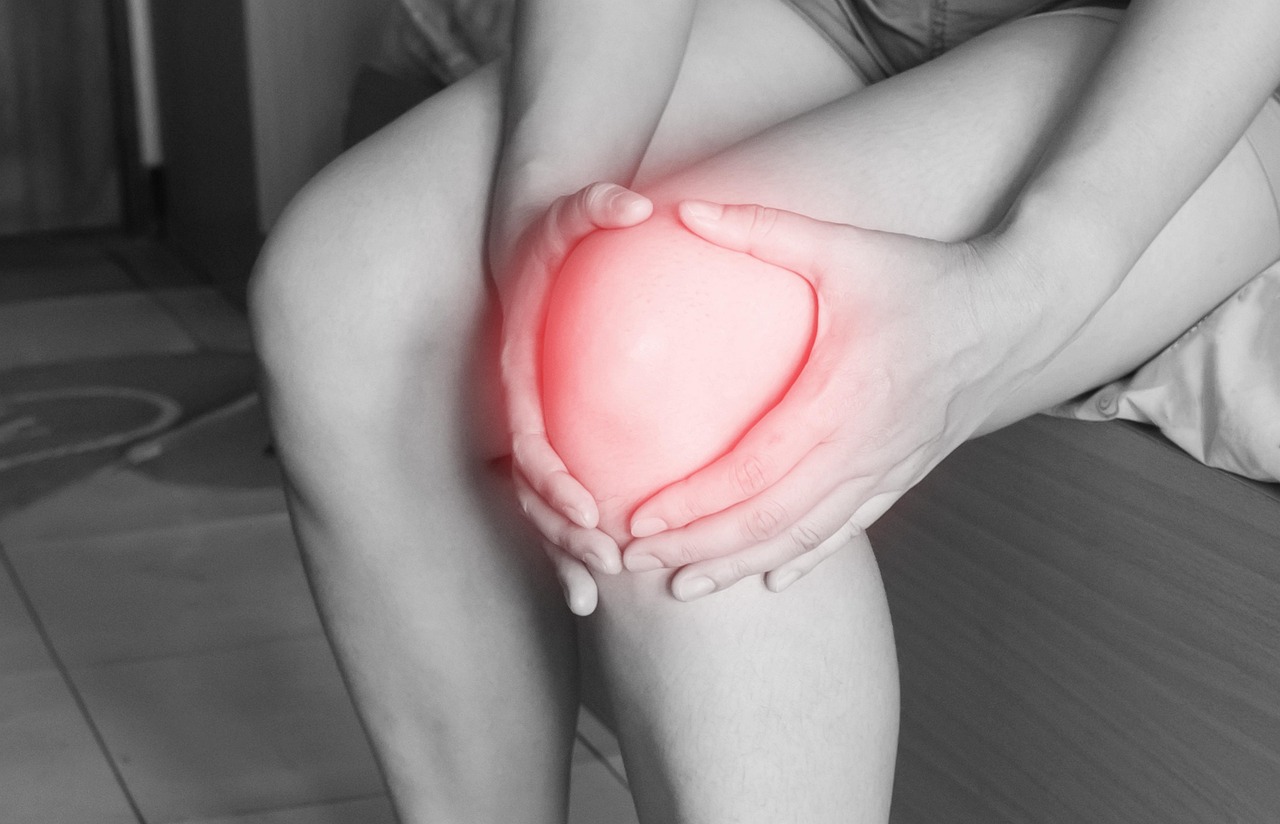
Surgery changes the joint, but rehab changes function. Swelling, pain, and weakness can block normal movement. Many patients walk with a limp at first. That limp can stress the lower back and the other hip or knee. PT focuses on smooth steps, safer transfers, and a steady range of motion so daily life feels manageable again.
Week 1 Tip: Make Swelling Control A Daily Routine
Swelling can limit motion and slow strength gains. Use short blocks of elevation and ice after activity. Keep the ankle above heart level during rest. Add ankle pumps during elevation. Walk in short bouts through the day so swelling stays calmer. Track swelling at the same time each evening so you notice trends.
Week 2 Tip: Protect Full Straightening And Safe Bending
Full straightening supports a normal gait. Bending supports sitting, stairs, and car rides. PT uses gentle range work that fits your pain level. You repeat short sessions many times, not one long stretch. Your therapist checks motion each visit and adjusts home drills. This keeps you moving forward without sharp pain spikes.
Week 3 Tip: Fix The Limp Before You Build Speed
Many patients try to walk faster too soon. Speed without form often makes the limp stick around. PT coaches step length, heel strike, and push off. Your therapist may use a treadmill, mirror feedback, or simple cues in the hallway. The goal is even steps, then longer walks.
Strength Work
Joint replacement rehab needs strength that matches daily tasks. PT trains quads, glutes, and calves with safe loading. Your therapist picks the right depth and tempo so the joint stays calm. You build strength for chair rises, curb steps, and carrying light loads. Strength work also supports balance, which helps you move with less hesitation.
What A Clinic Tracks To Guide Progress
Rehab plans work best with repeated measures. Clinics track clear markers at each stage. These numbers show when to progress and when to hold steady for another week.
- Walking distance without a limp and without a next-day flare
- Knee or hip range of motion goals tied to daily tasks
- Sit to stand reps from a firm chair with even loading
- Step up and step down control on a low step
- Swelling pattern across the week and stiffness length in the morning
- Sleep interruption and pain levels after activity blocks
What Gets Added In Weeks 4 Through 12
Later rehab focuses on higher-demand tasks. You build endurance for longer errands. You add deeper strength work and longer sets. You practice stairs with better control and less rail use. You may add floor transfers and kneeling practice when your goals require it. Your therapist links drills to your routine, such as standing while cooking, getting in and out of a low car, or returning to golf and gym work.
Schedule Post Joint Replacement Rehab In Chandler
A clear rehab plan helps you recover with fewer stalls. Modern Physical Therapy & Sports Medicine of Chandler, AZ can guide your joint replacement rehab with motion work, gait training, and strength progress tied to stairs, walking, and daily tasks. Call to book a post-surgery session and start your clinic rehab plan.