 What Rotator Cuff Weakness Feels Like
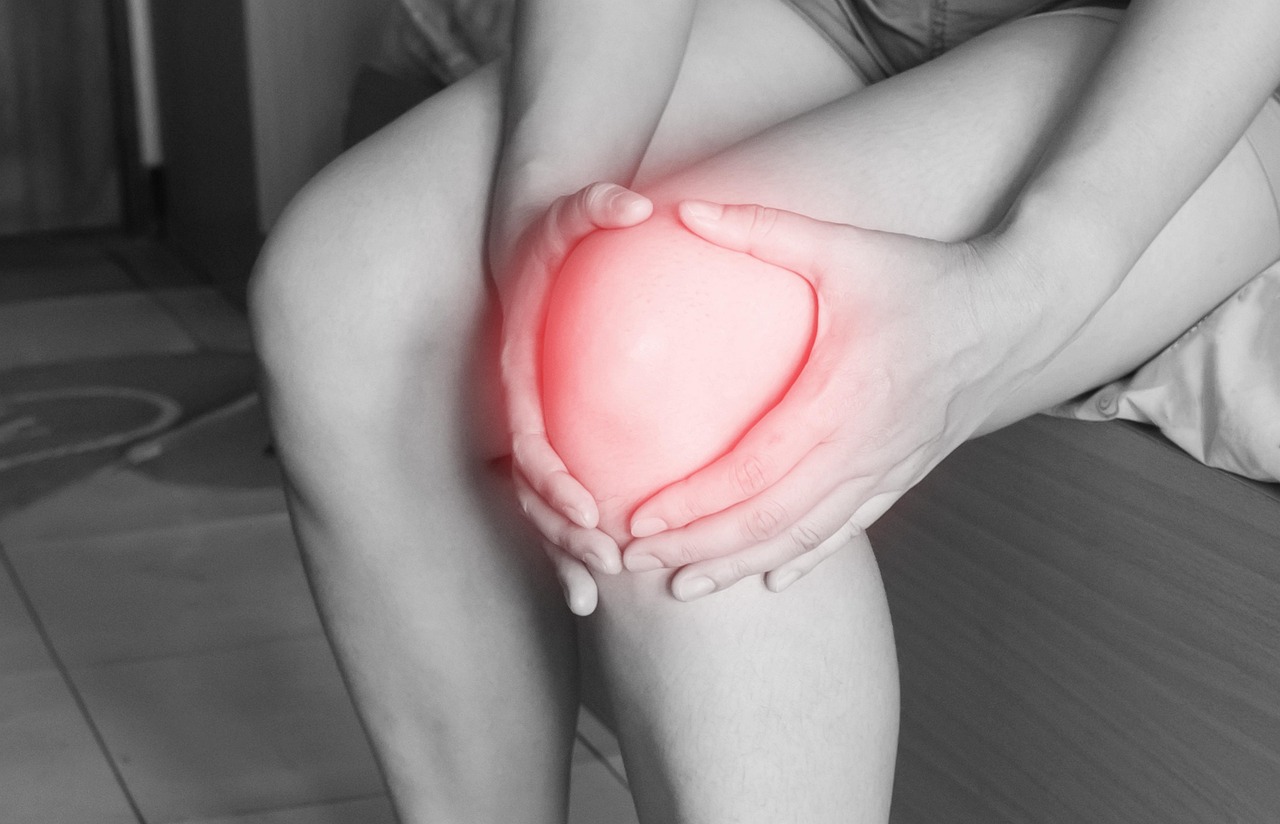
A weak rotator cuff doesn’t always feel “weak” at first. Many people notice it as a pinching pain with overhead reach, a dull ache after workouts, or a shoulder that gets tired fast when carrying bags. Some feel clicking. Some avoid certain angles because they know it will sting. A common complaint is night pain, especially when you roll onto that side.
Why Rotator Cuff Problems Start
Rotator cuff issues usually build from overload, not one dramatic moment. Repeated overhead lifting, throwing, tennis, swimming, and even long hours at a desk can irritate the tendon over time. Sometimes it starts after a strain or a fall. In other cases, the tendon gets cranky because the shoulder blade isn’t doing its job, the upper back is stiff, or the cuff is trying to stabilize a joint that’s getting loaded poorly.
What People Usually Try First
Most people do the same first steps. They rest for a week or two. They avoid overhead work. They ice it. They stretch the shoulder until it feels looser. Then they go right back to the same pressing or pulling routine and the pain comes back.
Another common move is doing random band exercises without a plan. Bands can help, but only if the dosage and angles match what your shoulder needs. Otherwise, it turns into busywork.
How Sports Medicine Services Help Rotator Cuff Injuries
At Modern Physical Therapy & Sports Medicine, rotator cuff care starts with a clear evaluation. We look at range of motion, strength, shoulder blade control, upper back mobility, and the specific movements that trigger symptoms. We also look at how you train, how often you train, and what your shoulder is being asked to tolerate each week.
From there, treatment focuses on reducing irritation and rebuilding capacity. That usually means improving shoulder mechanics, strengthening the cuff and shoulder blade muscles, and easing you back into overhead loading in steps.
What Treatment Can Include
Rotator cuff recovery is usually about doing the right things consistently in the right order. Your plan may include:
- Exercises to restore pain-free motion
- Rotator cuff strength and endurance work that matches your weakness pattern
- Shoulder blade control work so overhead motion feels smoother
- Upper back mobility drills to reduce “pinching” sensations
- Technique changes for pressing, pulling, and overhead lifts
- A gradual return-to-lift or return-to-throw progression
How Long It Takes to Feel Strong Again
Some people notice early wins quickly, like better sleep or less pain with reaching. Strength and confidence take longer, especially if the shoulder has been irritated for months. The biggest factor is consistency and not jumping back to heavy overhead work on the first good day.
Get Expert Rotator Cuff Sports Medicine Care
If your shoulder feels weak, painful, or unreliable during workouts or daily life, we can help. Schedule a sports medicine evaluation with Modern Physical Therapy & Sports Medicine in Tempe, AZ and get a clear plan to rebuild strength and return to the activities you enjoy.