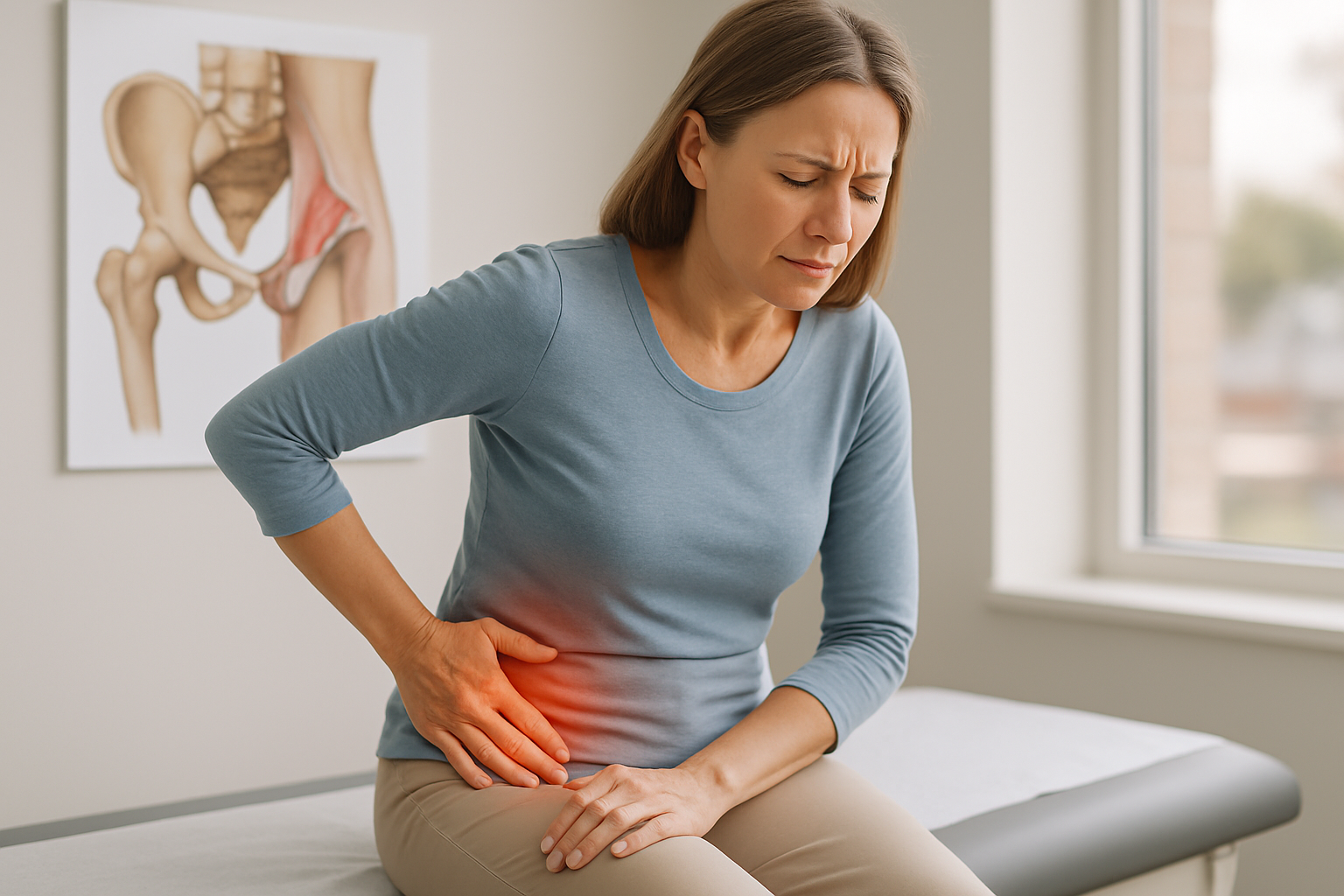
 Pelvic pain isn’t always a sharp “pain” the way people expect. For some, it feels like pressure. For others, it’s a burning spot, a deep ache, or a tight band that never quite lets go. It might show up when you sit at your desk, after a walk, during workouts, or with intimacy. Sometimes it spreads into the hips, low back, tailbone, or lower abdomen, which can make it hard to explain and even harder to Google.
How Pelvic Pain Often Starts
Sometimes there’s a clear moment where everything changed. A birth, a surgery, an injury, a hard workout, a bad fall. Other times it creeps in. Stress ramps up, sleep drops, your body starts bracing, and suddenly, normal movements feel sensitive. Hormonal shifts can play a role too. And yes, plenty of people can’t point to one obvious trigger. That’s common. It still deserves real care.
Why Specialized Physical Therapy Helps Pelvic Pain
Pelvic pain often involves more than one thing at once. Muscles can stay tightened and guarded. Nerves can get irritated. The core, hips, and pelvic floor can stop working as a team. Specialized pelvic PT looks at the whole system, so you’re not stuck treating one spot while the real driver keeps going. The goal is to calm symptoms and rebuild control so you can move without constantly waiting for the next flare.
Overview of a Visit
You start with a conversation. You’ll talk through what you feel, when it hits, what you’ve tried, and what you want back. Then your therapist checks breathing, posture, hip and low back movement, and core control. Pelvic floor testing is discussed clearly. If an internal exam is recommended, it’s optional. You choose what you’re comfortable with, and you can change your mind anytime.
What Pelvic Pain Treatment Can Include
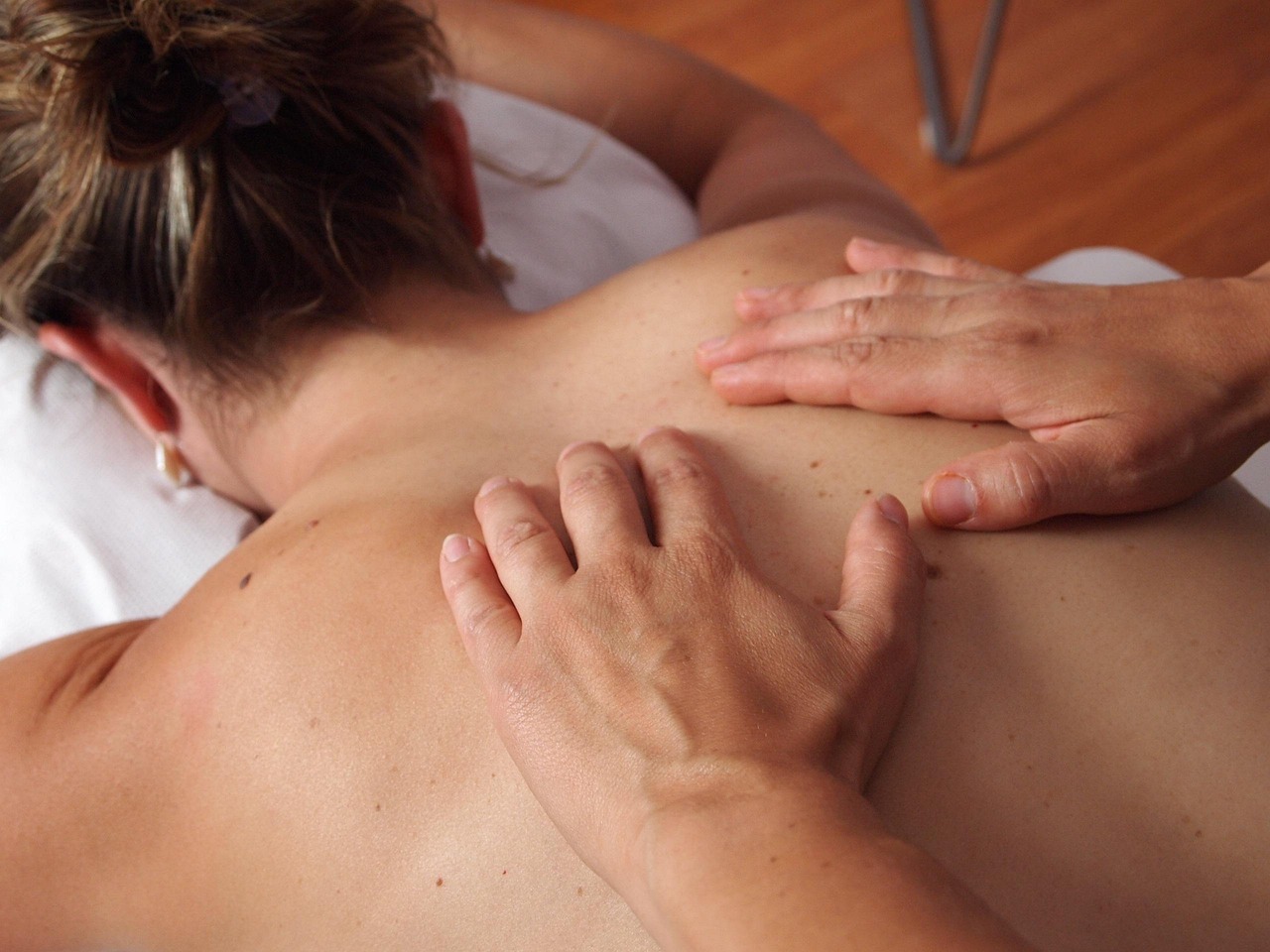
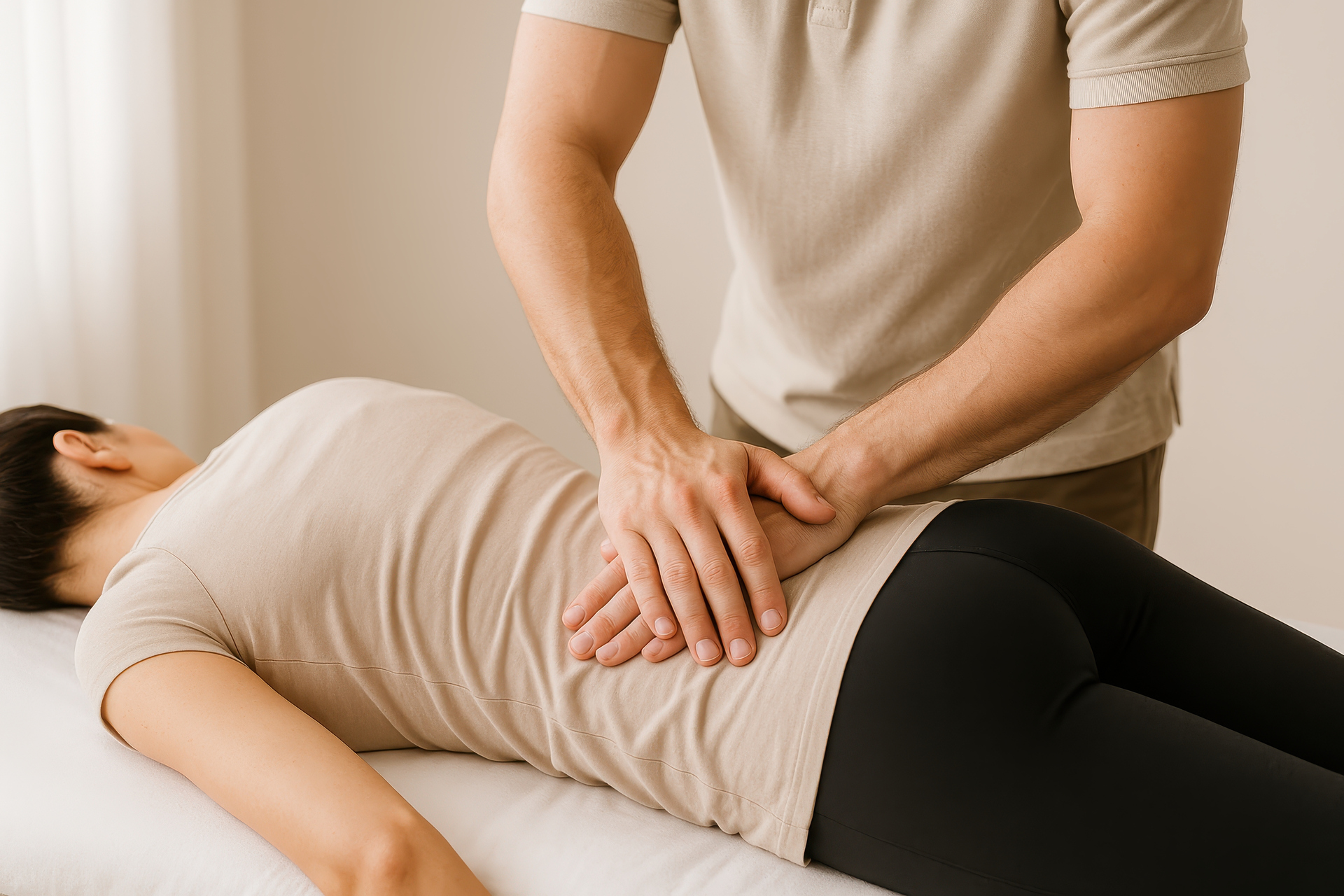
Your plan should feel specific to you. Not generic stretches you found online. Treatment may include gentle movement to reduce guarding, breathing work to settle the nervous system, hands-on treatment for tight or sensitive tissues, and exercises that rebuild coordination and strength through the hips, core, and pelvic floor. You’ll also learn what tends to flare your symptoms and how to respond when it does, so you’re not guessing.
Estimated Recovery Timeline
Some people notice early wins, like less intense pain, fewer spikes, or better tolerance for sitting and walking. Bigger changes take time and consistency. Pelvic pain usually improves best with steady progress, not pushing through pain and hoping it resets.
Why Patients Pick Pelvic Physical Therapy
A lot of patients come in after getting brushed off or told to “wait and see.” Others are tired of living around pain and planning their day around it. Pelvic PT gives you a practical path forward, plus tools you can use outside the clinic. Schedule an evaluation with Modern Physical Therapy & Sports Medicine of Chandler, AZ and get a clear plan toward relief.
Pelvic pain isn’t always a sharp “pain” the way people expect. For some, it feels like pressure. For others, it’s a burning spot, a deep ache, or a tight band that never quite lets go. It might show up when you sit at your desk, after a walk, during workouts, or with intimacy. Sometimes it spreads into the hips, low back, tailbone, or lower abdomen, which can make it hard to explain and even harder to Google.
How Pelvic Pain Often Starts
Sometimes there’s a clear moment where everything changed. A birth, a surgery, an injury, a hard workout, a bad fall. Other times it creeps in. Stress ramps up, sleep drops, your body starts bracing, and suddenly, normal movements feel sensitive. Hormonal shifts can play a role too. And yes, plenty of people can’t point to one obvious trigger. That’s common. It still deserves real care.
Why Specialized Physical Therapy Helps Pelvic Pain
Pelvic pain often involves more than one thing at once. Muscles can stay tightened and guarded. Nerves can get irritated. The core, hips, and pelvic floor can stop working as a team. Specialized pelvic PT looks at the whole system, so you’re not stuck treating one spot while the real driver keeps going. The goal is to calm symptoms and rebuild control so you can move without constantly waiting for the next flare.
Overview of a Visit
You start with a conversation. You’ll talk through what you feel, when it hits, what you’ve tried, and what you want back. Then your therapist checks breathing, posture, hip and low back movement, and core control. Pelvic floor testing is discussed clearly. If an internal exam is recommended, it’s optional. You choose what you’re comfortable with, and you can change your mind anytime.
What Pelvic Pain Treatment Can Include
Your plan should feel specific to you. Not generic stretches you found online. Treatment may include gentle movement to reduce guarding, breathing work to settle the nervous system, hands-on treatment for tight or sensitive tissues, and exercises that rebuild coordination and strength through the hips, core, and pelvic floor. You’ll also learn what tends to flare your symptoms and how to respond when it does, so you’re not guessing.
Estimated Recovery Timeline
Some people notice early wins, like less intense pain, fewer spikes, or better tolerance for sitting and walking. Bigger changes take time and consistency. Pelvic pain usually improves best with steady progress, not pushing through pain and hoping it resets.
Why Patients Pick Pelvic Physical Therapy
A lot of patients come in after getting brushed off or told to “wait and see.” Others are tired of living around pain and planning their day around it. Pelvic PT gives you a practical path forward, plus tools you can use outside the clinic. Schedule an evaluation with Modern Physical Therapy & Sports Medicine of Chandler, AZ and get a clear plan toward relief.
Chandler, AZ – Pelvic Pain Treatment Through Specialized Physical Therapy
SYNOPSIS: This article covers what pelvic pain can feel like, how it often starts, and how specialized physical therapy helps you get relief and move with less fear of intense flare ups.
Physical Therapy for Pelvic Pain Issues and Treatment
BY: Josh Adams, Modern Medicine of Chandler, AZ
Pelvic pain isn’t always a sharp “pain” the way people expect. For some, it feels like pressure. For others, it’s a burning spot, a deep ache, or a tight band that never quite lets go. It might show up when you sit at your desk, after a walk, during workouts, or with intimacy. Sometimes it spreads into the hips, low back, tailbone, or lower abdomen, which can make it hard to explain and even harder to Google.
How Pelvic Pain Often Starts
Sometimes there’s a clear moment where everything changed. A birth, a surgery, an injury, a hard workout, a bad fall. Other times it creeps in. Stress ramps up, sleep drops, your body starts bracing, and suddenly, normal movements feel sensitive. Hormonal shifts can play a role too. And yes, plenty of people can’t point to one obvious trigger. That’s common. It still deserves real care.
Why Specialized Physical Therapy Helps Pelvic Pain
Pelvic pain often involves more than one thing at once. Muscles can stay tightened and guarded. Nerves can get irritated. The core, hips, and pelvic floor can stop working as a team. Specialized pelvic PT looks at the whole system, so you’re not stuck treating one spot while the real driver keeps going. The goal is to calm symptoms and rebuild control so you can move without constantly waiting for the next flare.
Overview of a Visit
You start with a conversation. You’ll talk through what you feel, when it hits, what you’ve tried, and what you want back. Then your therapist checks breathing, posture, hip and low back movement, and core control. Pelvic floor testing is discussed clearly. If an internal exam is recommended, it’s optional. You choose what you’re comfortable with, and you can change your mind anytime.
What Pelvic Pain Treatment Can Include
Your plan should feel specific to you. Not generic stretches you found online. Treatment may include gentle movement to reduce guarding, breathing work to settle the nervous system, hands-on treatment for tight or sensitive tissues, and exercises that rebuild coordination and strength through the hips, core, and pelvic floor. You’ll also learn what tends to flare your symptoms and how to respond when it does, so you’re not guessing.
Estimated Recovery Timeline
Some people notice early wins, like less intense pain, fewer spikes, or better tolerance for sitting and walking. Bigger changes take time and consistency. Pelvic pain usually improves best with steady progress, not pushing through pain and hoping it resets.
Why Patients Pick Pelvic Physical Therapy
A lot of patients come in after getting brushed off or told to “wait and see.” Others are tired of living around pain and planning their day around it. Pelvic PT gives you a practical path forward, plus tools you can use outside the clinic. Schedule an evaluation with Modern Physical Therapy & Sports Medicine of Chandler, AZ and get a clear plan toward relief.