 Most people in Chandler do not think of daily life as something you prepare for physically. You get out of bed, start moving, and expect your body to cooperate. When it does not, stiffness or soreness gets blamed on age, sleep, or a long day ahead.
What is often missing is a transition. The body goes from still to active very quickly. A short warm-up helps close that gap.
Stretching and warm-up routines are not just for workouts. They matter just as much before every day movement.
Why Stiffness Shows Up During Normal Routines
The body stiffens when it stays in one position too long. Sleeping, sitting, driving, and desk work all reduce movement. Muscles cool down. Joints lose some of their easy range.
When movement starts suddenly, the body responds by tightening up. That reaction is protective, but it can feel uncomfortable. Over time, it can lead to recurring aches during tasks that should feel simple.A brief warm-up helps the body shift gears instead of forcing it to react.
What A Daily Warm-Up Actually Looks Like
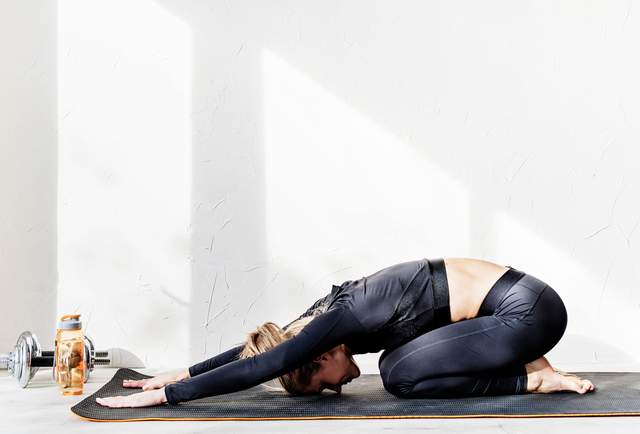
A warm-up does not need to feel like exercise. It is simply a way to ease into movement.For most people, that means a few minutes of controlled motion. Gentle spine movement. Easy hip and shoulder motion. Light stretching that stays comfortable.The goal is not to push range. It is to let joints and muscles know activity is coming.
Stretching Has A Place, But Timing Matters
Stretching often gets treated as the solution to stiffness. On its own, it can feel frustrating.Cold muscles tend to resist stretch. When stretching happens after some movement, it usually feels smoother and more effective. That is why the warm-up comes first.Think of stretching as a follow-up, not the starting point.
What Happens When People Skip Warming Up
When the body is stiff and movement happens fast, certain areas start compensating. The lower back works harder. Shoulders tense up. Hips avoid motion. Those compensations usually go unnoticed at first. Over time, they show up as soreness that keeps returning. Nothing extreme caused it. It just built slowly. Warm-ups help spread movement more evenly, so one area does not take the load every day.
How Physical Therapy Looks At Warm-Ups For Daily Life
In physical therapy, warm-ups are tied to how people actually live. Not gym routines. Not long sequences.At Modern Medicine Physical Therapy & Sports Medicine of Chandler, AZ, warm-ups are shaped around work demands, daily habits, and common stiffness patterns. The focus stays practical so routines are easy to repeat at home.
What People Notice When They Start Warming Up
Most people do not notice one dramatic change. They notice fewer interruptions. Stiffness fades faster. Movement feels less guarded. Tasks that used to trigger soreness feel more manageable.The body feels ready sooner.
Who Daily Warm-Ups Help Most
Daily warm-ups help people at every activity level. Office workers. Retirees. Parents. Anyone who feels stiff before they feel comfortable moving.If your body needs time to catch up each day, a warm-up can make a real difference.
Schedule an evaluation with Modern Medicine Physical Therapy & Sports Medicine of Chandler, AZ, and get guidance on simple movements you can actually use every morning.
Most people in Chandler do not think of daily life as something you prepare for physically. You get out of bed, start moving, and expect your body to cooperate. When it does not, stiffness or soreness gets blamed on age, sleep, or a long day ahead.
What is often missing is a transition. The body goes from still to active very quickly. A short warm-up helps close that gap.
Stretching and warm-up routines are not just for workouts. They matter just as much before every day movement.
Why Stiffness Shows Up During Normal Routines
The body stiffens when it stays in one position too long. Sleeping, sitting, driving, and desk work all reduce movement. Muscles cool down. Joints lose some of their easy range.
When movement starts suddenly, the body responds by tightening up. That reaction is protective, but it can feel uncomfortable. Over time, it can lead to recurring aches during tasks that should feel simple.A brief warm-up helps the body shift gears instead of forcing it to react.
What A Daily Warm-Up Actually Looks Like
A warm-up does not need to feel like exercise. It is simply a way to ease into movement.For most people, that means a few minutes of controlled motion. Gentle spine movement. Easy hip and shoulder motion. Light stretching that stays comfortable.The goal is not to push range. It is to let joints and muscles know activity is coming.
Stretching Has A Place, But Timing Matters
Stretching often gets treated as the solution to stiffness. On its own, it can feel frustrating.Cold muscles tend to resist stretch. When stretching happens after some movement, it usually feels smoother and more effective. That is why the warm-up comes first.Think of stretching as a follow-up, not the starting point.
What Happens When People Skip Warming Up
When the body is stiff and movement happens fast, certain areas start compensating. The lower back works harder. Shoulders tense up. Hips avoid motion. Those compensations usually go unnoticed at first. Over time, they show up as soreness that keeps returning. Nothing extreme caused it. It just built slowly. Warm-ups help spread movement more evenly, so one area does not take the load every day.
How Physical Therapy Looks At Warm-Ups For Daily Life
In physical therapy, warm-ups are tied to how people actually live. Not gym routines. Not long sequences.At Modern Medicine Physical Therapy & Sports Medicine of Chandler, AZ, warm-ups are shaped around work demands, daily habits, and common stiffness patterns. The focus stays practical so routines are easy to repeat at home.
What People Notice When They Start Warming Up
Most people do not notice one dramatic change. They notice fewer interruptions. Stiffness fades faster. Movement feels less guarded. Tasks that used to trigger soreness feel more manageable.The body feels ready sooner.
Who Daily Warm-Ups Help Most
Daily warm-ups help people at every activity level. Office workers. Retirees. Parents. Anyone who feels stiff before they feel comfortable moving.If your body needs time to catch up each day, a warm-up can make a real difference.
Schedule an evaluation with Modern Medicine Physical Therapy & Sports Medicine of Chandler, AZ, and get guidance on simple movements you can actually use every morning.
Chandler, AZ - The Role of Stretching and Warm-Up Before Daily Activities
SYNOPSIS: This article covers why stretching and warm-up routines matter before everyday activities and how simple preparation helps people in Chandler move with less stiffness and strain throughout the day.
Why Your Body Needs A Warm-Up Before A Normal Day
BY: Josh Adams, Modern Medicine of Chandler, AZ
Most people in Chandler do not think of daily life as something you prepare for physically. You get out of bed, start moving, and expect your body to cooperate. When it does not, stiffness or soreness gets blamed on age, sleep, or a long day ahead.
What is often missing is a transition. The body goes from still to active very quickly. A short warm-up helps close that gap.
Stretching and warm-up routines are not just for workouts. They matter just as much before every day movement.
Why Stiffness Shows Up During Normal Routines
The body stiffens when it stays in one position too long. Sleeping, sitting, driving, and desk work all reduce movement. Muscles cool down. Joints lose some of their easy range.
When movement starts suddenly, the body responds by tightening up. That reaction is protective, but it can feel uncomfortable. Over time, it can lead to recurring aches during tasks that should feel simple.A brief warm-up helps the body shift gears instead of forcing it to react.
What A Daily Warm-Up Actually Looks Like
A warm-up does not need to feel like exercise. It is simply a way to ease into movement.For most people, that means a few minutes of controlled motion. Gentle spine movement. Easy hip and shoulder motion. Light stretching that stays comfortable.The goal is not to push range. It is to let joints and muscles know activity is coming.
Stretching Has A Place, But Timing Matters
Stretching often gets treated as the solution to stiffness. On its own, it can feel frustrating.Cold muscles tend to resist stretch. When stretching happens after some movement, it usually feels smoother and more effective. That is why the warm-up comes first.Think of stretching as a follow-up, not the starting point.
What Happens When People Skip Warming Up
When the body is stiff and movement happens fast, certain areas start compensating. The lower back works harder. Shoulders tense up. Hips avoid motion. Those compensations usually go unnoticed at first. Over time, they show up as soreness that keeps returning. Nothing extreme caused it. It just built slowly. Warm-ups help spread movement more evenly, so one area does not take the load every day.
How Physical Therapy Looks At Warm-Ups For Daily Life
In physical therapy, warm-ups are tied to how people actually live. Not gym routines. Not long sequences.At Modern Medicine Physical Therapy & Sports Medicine of Chandler, AZ, warm-ups are shaped around work demands, daily habits, and common stiffness patterns. The focus stays practical so routines are easy to repeat at home.
What People Notice When They Start Warming Up
Most people do not notice one dramatic change. They notice fewer interruptions. Stiffness fades faster. Movement feels less guarded. Tasks that used to trigger soreness feel more manageable.The body feels ready sooner.
Who Daily Warm-Ups Help Most
Daily warm-ups help people at every activity level. Office workers. Retirees. Parents. Anyone who feels stiff before they feel comfortable moving.If your body needs time to catch up each day, a warm-up can make a real difference.
Schedule an evaluation with Modern Medicine Physical Therapy & Sports Medicine of Chandler, AZ, and get guidance on simple movements you can actually use every morning.