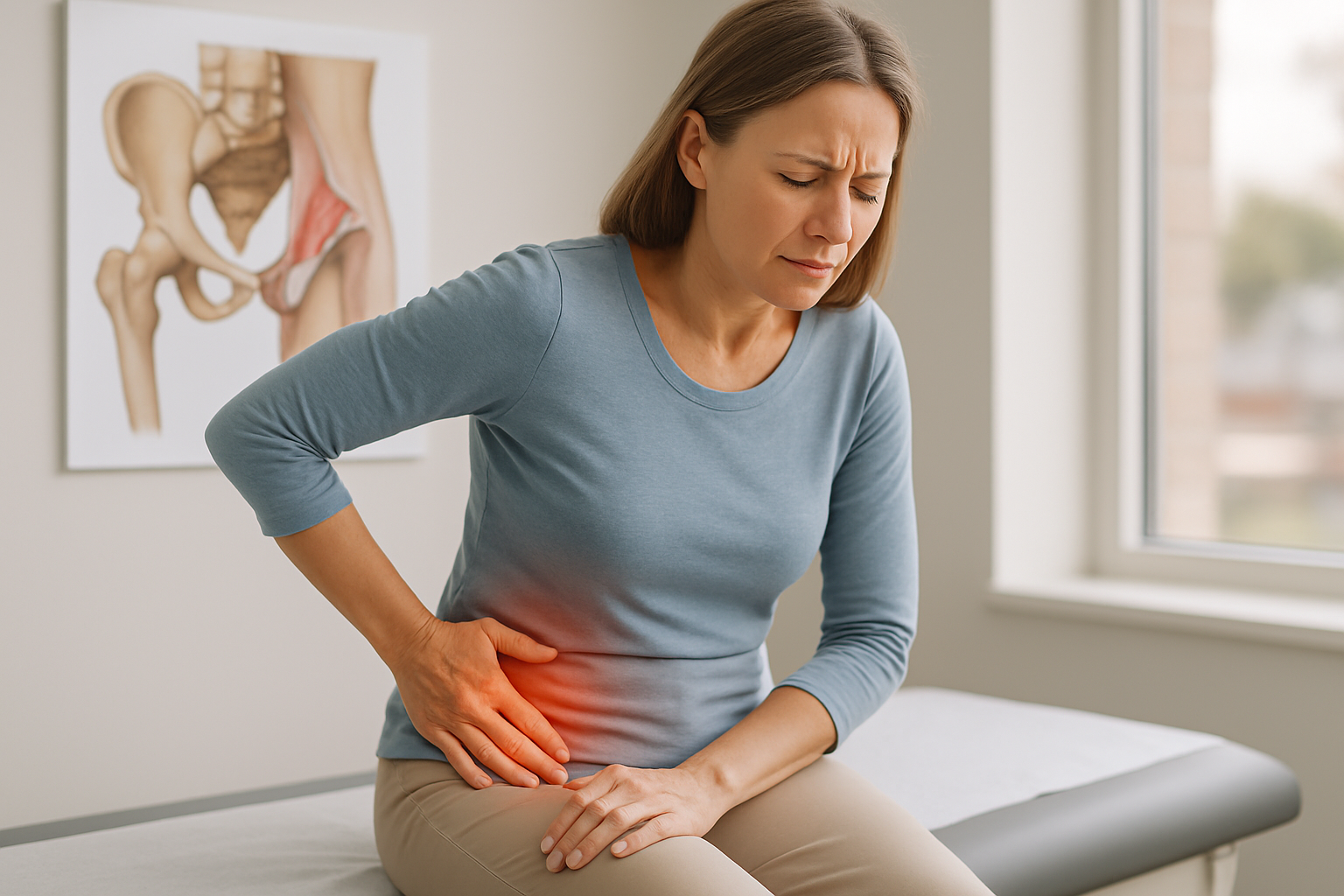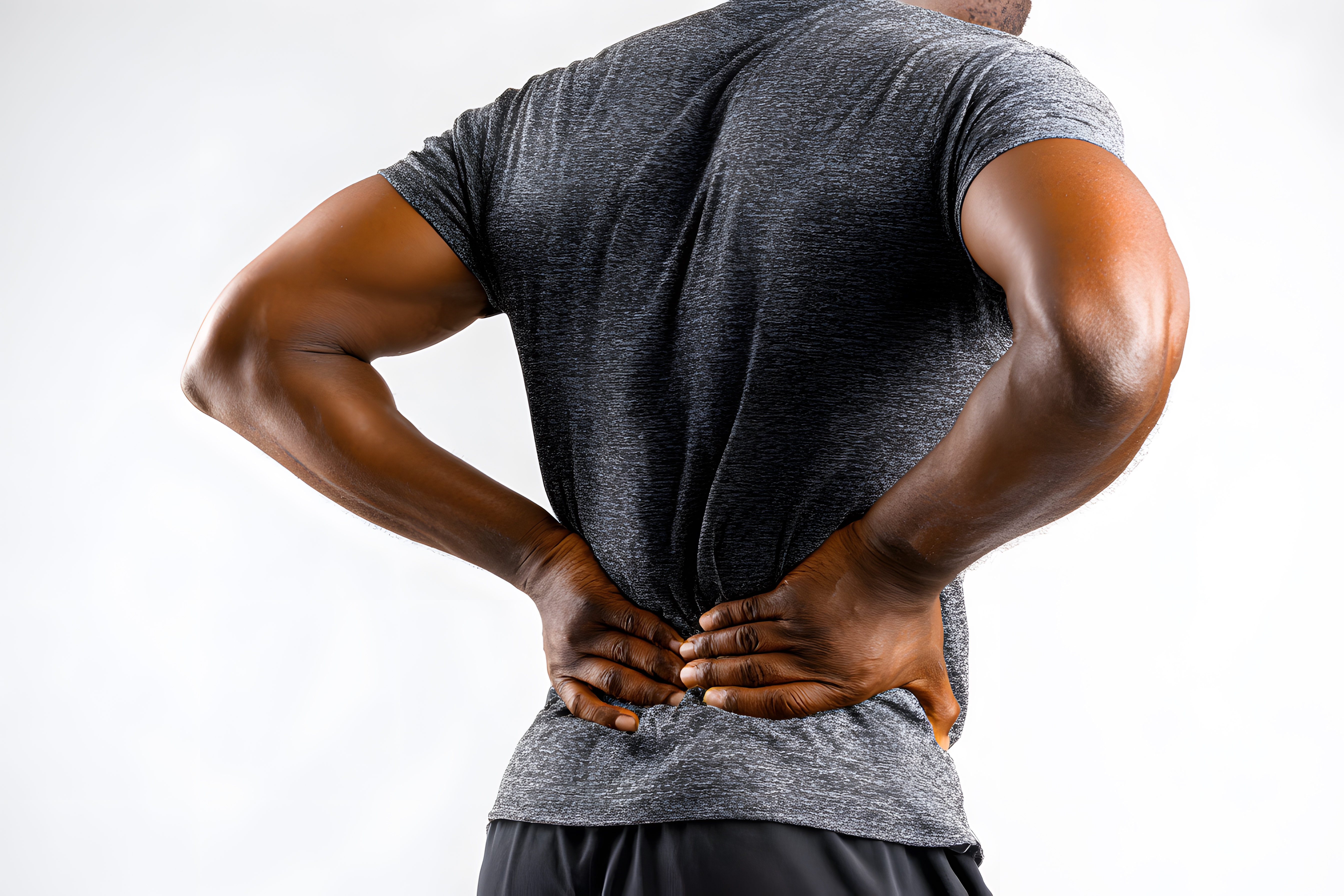
Herniated disc pain can throw off your day fast. One wrong bend and your back locks. For some, the pain shoots down a leg. For others, it feels like a dull, draining ache that settles in and refuses to leave. Sitting can spark it. Standing can spark it. Even basic chores can start feeling like a test. These shifts make people feel stuck and unsure of what movements are safe anymore.
What is a Herniated Disc?
Each disc sits between two vertebrae. It acts like a cushion so the spine can bend and twist. When part of a disc pushes out or tears, it may press on a nerve. That nerve pressure causes the tingling, burning, or weakness people talk about. The exact spot of the disc shapes the symptoms. A disc in the lower back can affect the leg. A disc in the neck may affect the arm or shoulder.
Common signs include:
- Pain in the back or neck
- Pain that spreads into an arm or leg
- Tingling or numbness
- Weakness during simple lifts
- Pain that changes with certain positions
Rehabilitation Options
Rehab aims to calm things down and help the spine move again without setting off the nerve. Most cases do not need surgery. A good plan helps the disc settle and teaches the body how to move without adding more stress.
Options often include:
- Physical therapy to guide safe motion
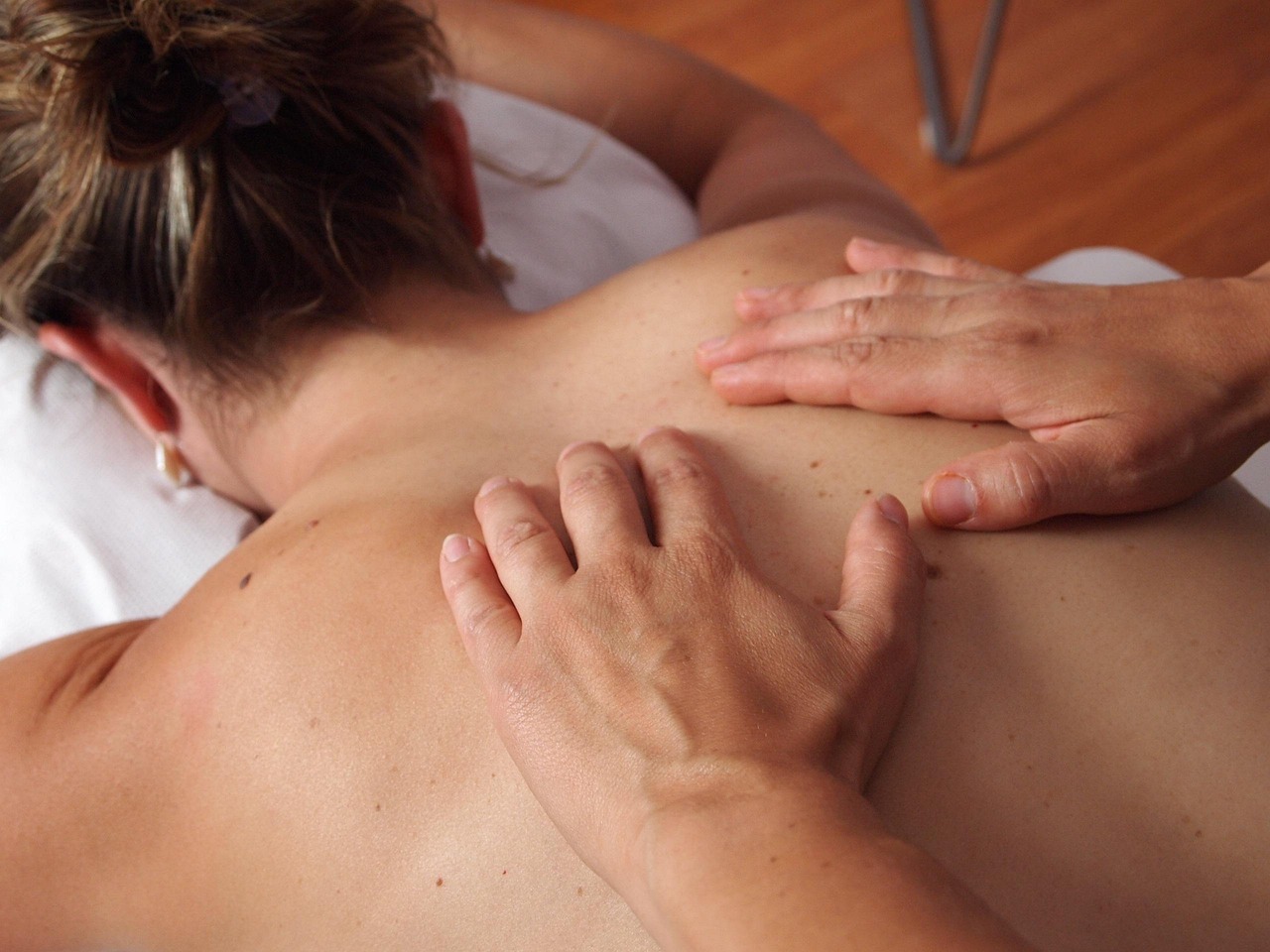
- Soft tissue work to reduce guarding
- Mobility drills to ease nerve tension
- Strength work for the core and hips
- Posture changes for long workdays
- Pacing strategies to prevent flare-ups
Why Non-Surgical Choices Are Often Best
A lot of herniated discs improve with time and the right support. Surgery may remove pressure from the nerve, but it does not fix how you move, lift, or sit. PT does. Conservative care avoids the risks tied to surgery and teaches you how to manage symptoms early if they start creeping back.
Benefits include:
- Lower risk
- More control day to day
- Better support for the spine
- Improved movement patterns
- Fewer setbacks
How Physical Therapy Helps You Recover
PT starts by figuring out what triggers your symptoms. We look at how you bend, how you sit, and how your hips and core handle load. When those pieces work together, the spine carries less tension. Once we see your pattern, we build a plan that matches where you are right now.
A typical plan may include things like:
- Gentle stretching to keep things moving
- Nerve glides for irritation that travels
- Core strengthening
- Hip and glute work
- Mobility for stiff segments
- Safer lifting or bending techniques
Why Strength And Mobility are Important
A herniated disc calms faster when the muscles around it pick up some of the load. Strong hips protect the lower back. A steady core helps during long days at work. Good mobility keeps the spine from locking up. These pieces prevent the small habits that keep feeding the problem.
If you want a plan that makes sense and gives you steady ground again, reach out to Modern Medicine Physical Therapy & Sports Medicine of Chandler, AZ. Book your visit and start moving toward less pain and more control.