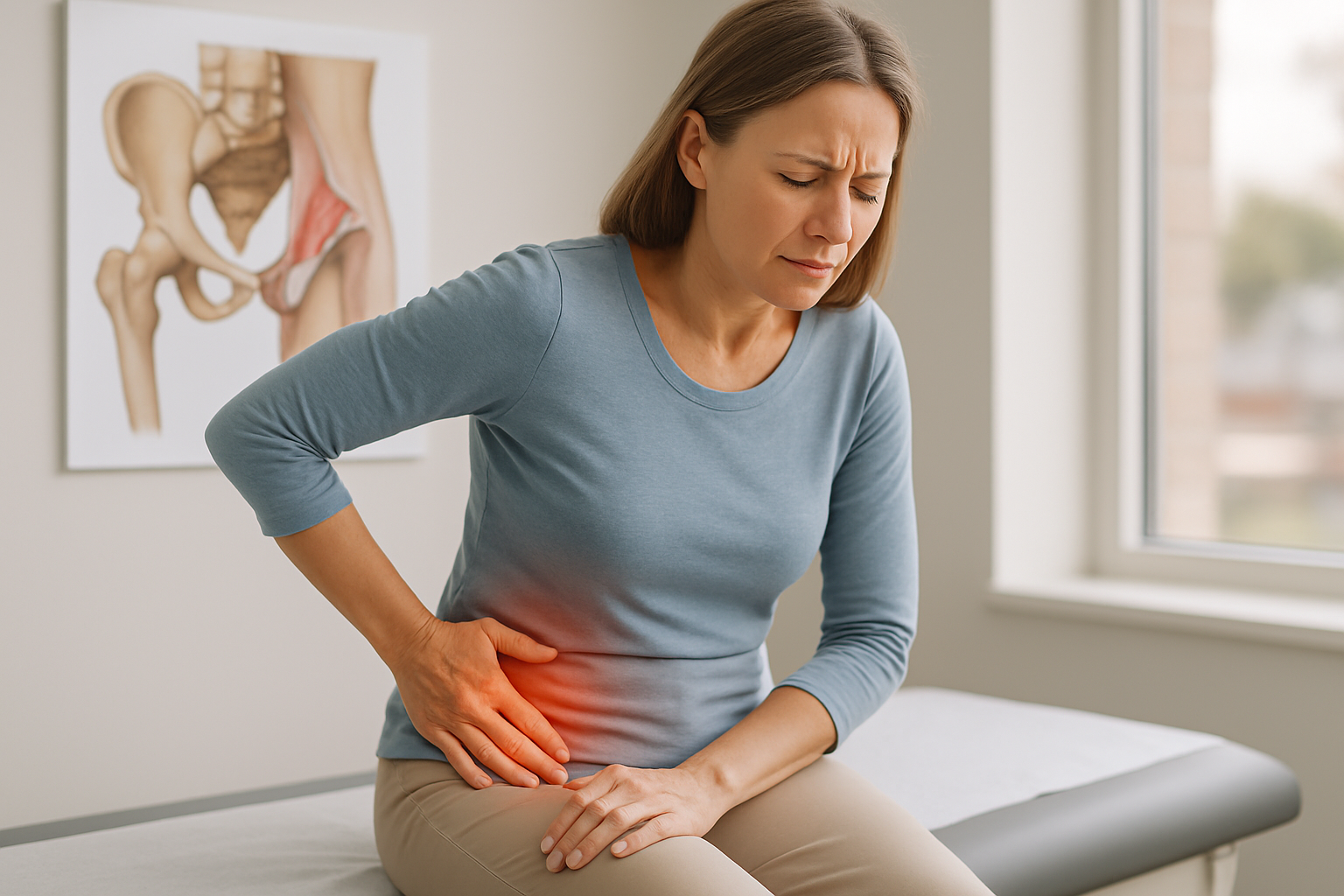
Shoulder surgery changes how the arm moves for a while. Many people feel stiff in the morning. Others feel sharp spots of pain during simple tasks. Reaching, lifting, and getting dressed feel different. Sleeping on one side may be tough. These shifts can feel overwhelming at first, but they are common.
Why The Shoulder Feels So Limited After Surgery
The shoulder relies on many muscles and tendons to stay stable. Surgery protects healing tissue by slowing down movement for a short time. During this phase, stiffness builds. Muscles weaken. The joint becomes sensitive. Even routine movements feel foreign. This does not mean something is wrong. It means the shoulder needs structured care.
Typical early symptoms:
- Stiffness in the front or back of the shoulder
- Weakness during lifts
- Pain during overhead motion
- Difficulty reaching behind the back
- Trouble sleeping comfortably
What Does Post-Surgical Rehab Focus On?
Rehab guides the shoulder back to normal function in safe stages. Each stage builds on the last. Early care aims to reduce swelling and protect the repair. Later stages build strength and stability. We also work on restoring smooth motion so the shoulder feels steady during daily tasks.
Key goals include:
- Improving range of motion without stressing healing tissue
- Reducing muscle guarding
- Strengthening the shoulder blade and cuff muscles
- Supporting safe overhead and reaching movements
- Restoring comfort during sleep and routine tasks
What Rehab Looks Like Week To Week
Your early visits stay calm. We guide your arm through controlled motion. We work around soreness without forcing movement. As healing progresses, exercises shift toward gentle strength and better shoulder blade control. Later phases add load, rotation work, and functional movements so the shoulder handles real-life activity again.
Common pieces of the plan:
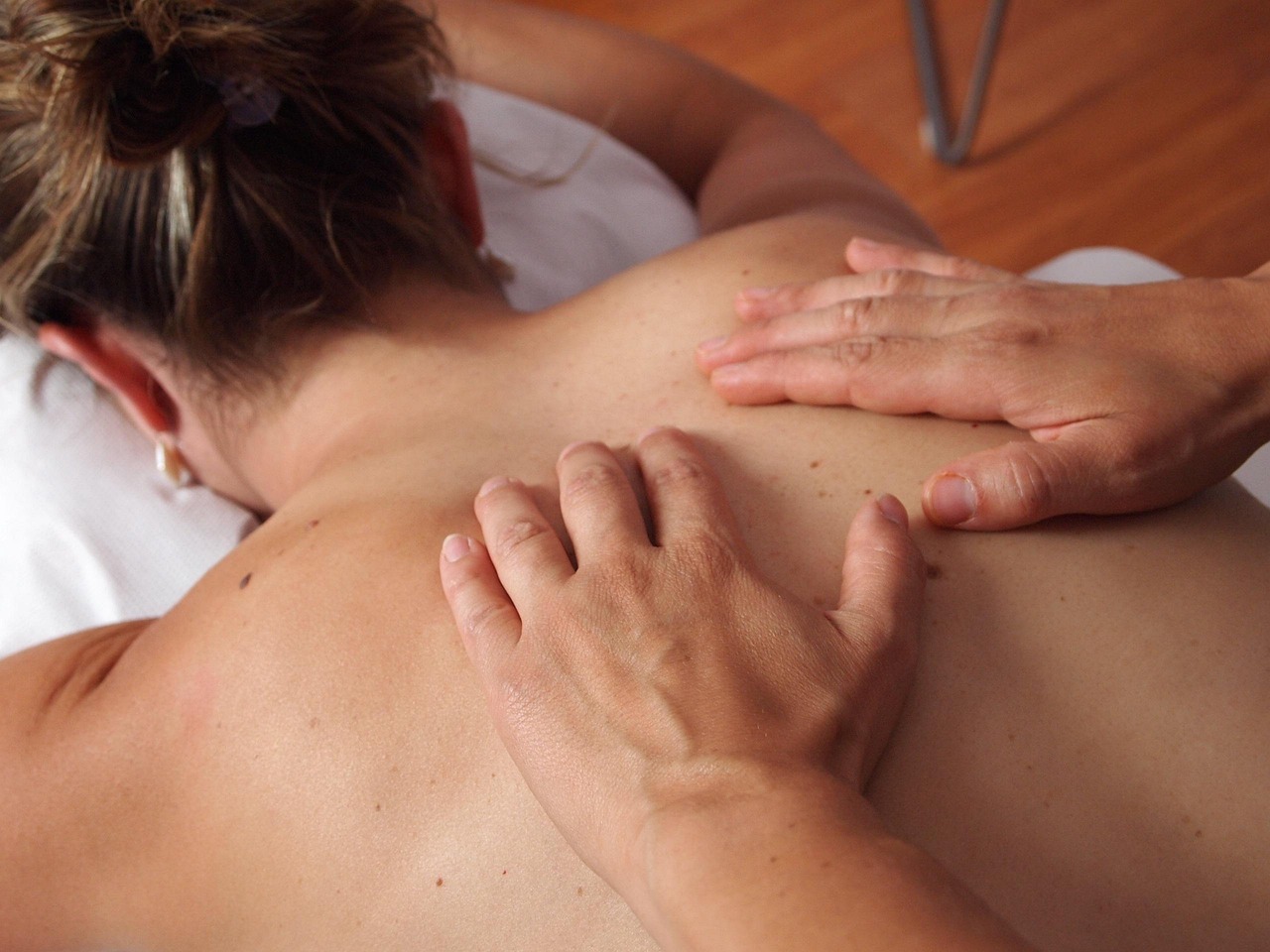
- Soft tissue work to ease stiffness
- Joint mobilization when safe
- Gentle stretching
- Strength drills for the cuff and upper back
- Training for lifting, reaching, and overhead tasks
How PT Helps Prevent Setbacks
After surgery, the shoulder may try to protect itself too much. That guarding creates new tension. Without guidance, people often compensate with the neck or upper back. PT helps break those habits early. You learn what clean movement feels like and how to control the shoulder without strain.
The Power of Long-Term Consistency
Shoulder repairs need time. Progress may feel slow in the beginning. Then things shift quickly. The key is steady work, not big jumps. Each small gain builds confidence. Over time, strength returns and motion feels more natural. Many people reach a point where the shoulder works without constant thinking or worry.
Let Modern Medicine Physical Therapy & Sports Medicine of Chandler, AZ, Help
If you recently had shoulder surgery and need a structured path forward, reach out to Modern Medicine Physical Therapy & Sports Medicine of Chandler, AZ and schedule your visit. We are here to help you heal the right way.