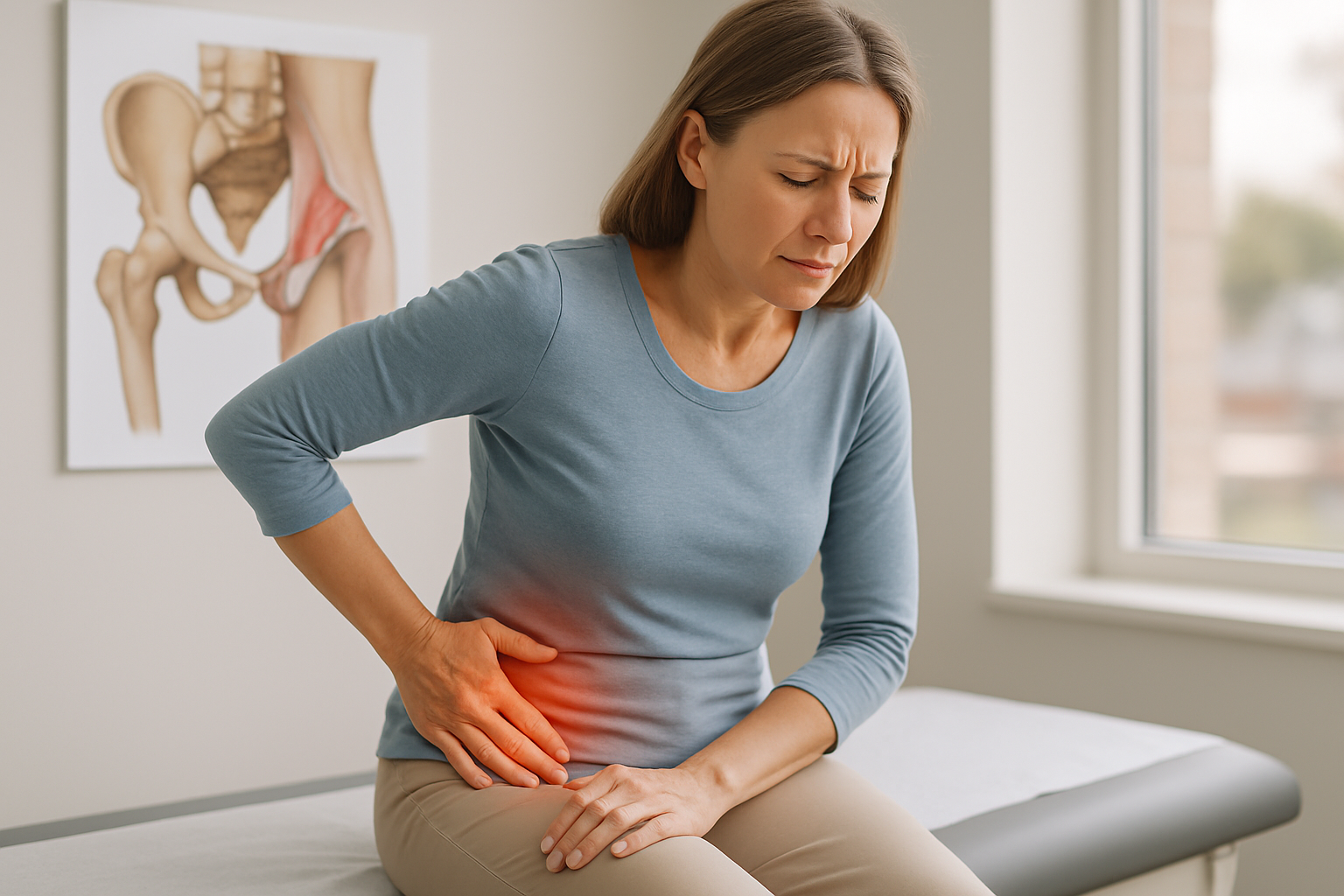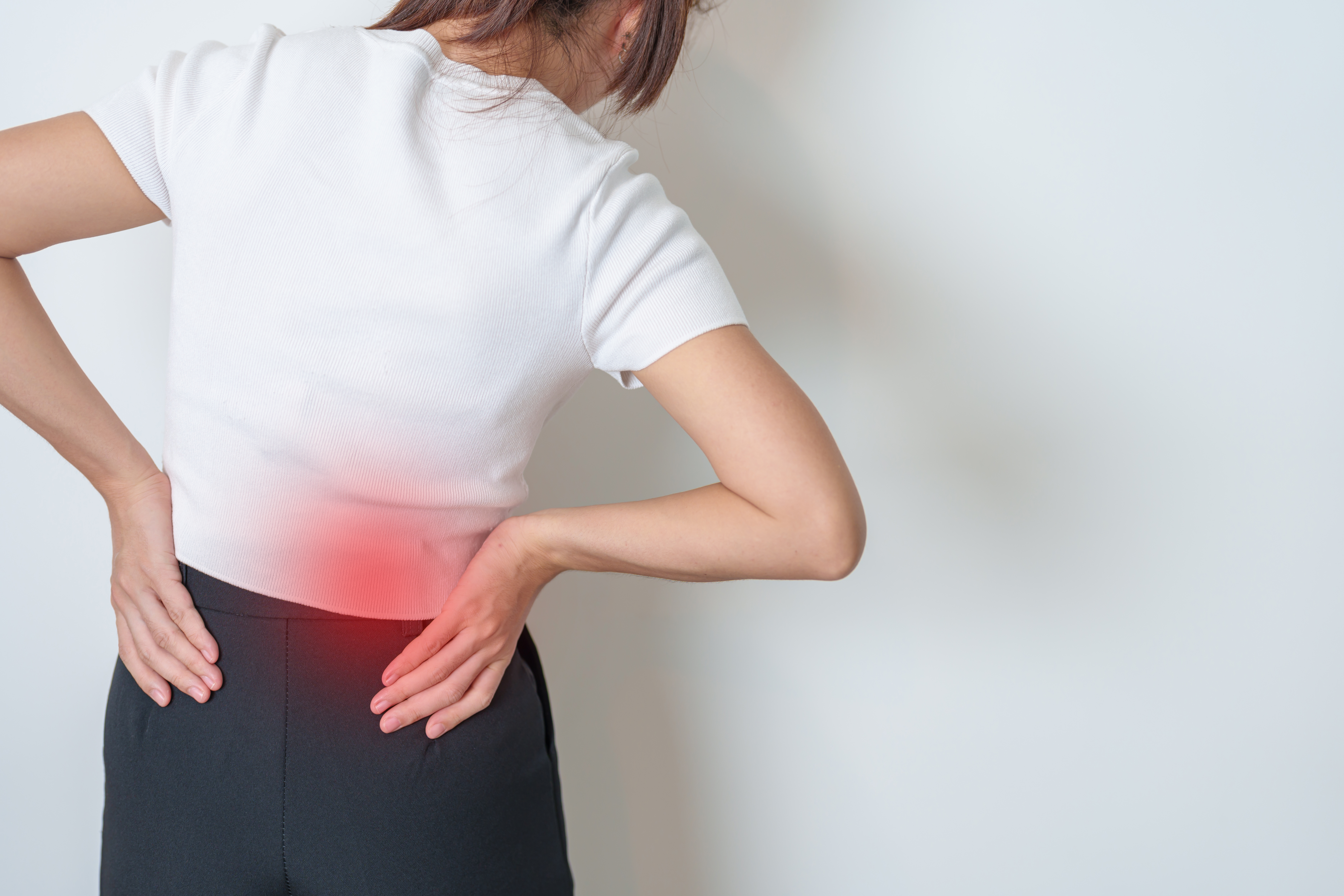
Hip pain can sneak up on people who stay active. You might feel a pinch during a jog. A tight pull after a long hike. A sharp catch when you stand from a chair. Some feel it deep in the front of the hip. Others feel it along the outside. These patterns can stall workouts and make simple routines harder. At Modern Medicine Physical Therapy & Sports Medicine of Chandler, AZ, we see how quickly hip pain disrupts the rhythm of an active week.
Why Hip Pain Shows Up In Active Adults
The hip handles a lot of force. Running, lifting, long walks, and even extended sitting push the joint in different directions. When the load climbs faster than the body can adapt, something starts to hurt. Sometimes the muscles around the hip tighten. Sometimes the joint stiffens. Old injuries can flare when routines shift.
Common triggers include
- Sudden increases in training
- Tight hip flexors or quads
- Weak glutes
- Poor control during squats or lunges
- Long commutes or desk time
- Old strains that were never fully addressed
How Hip Pain Feels Day To Day
People describe it in different ways. A deep ache in the front of the hip. A sharp pinch on the outside. Stiffness after workouts. Limited rotation when tying shoes. Pain during steps that involve lifting the knee. The hip may also make nearby areas work harder. The lower back and thigh often take on extra stress without you noticing.
How PT Helps
Physical therapy identifies the exact pattern causing the pain. Instead of guessing, we check how the hip moves and how the muscles around it support the joint. This guides the plan so you strengthen the right areas and ease the right tensions.
PT often focuses on:
- Improving hip mobility
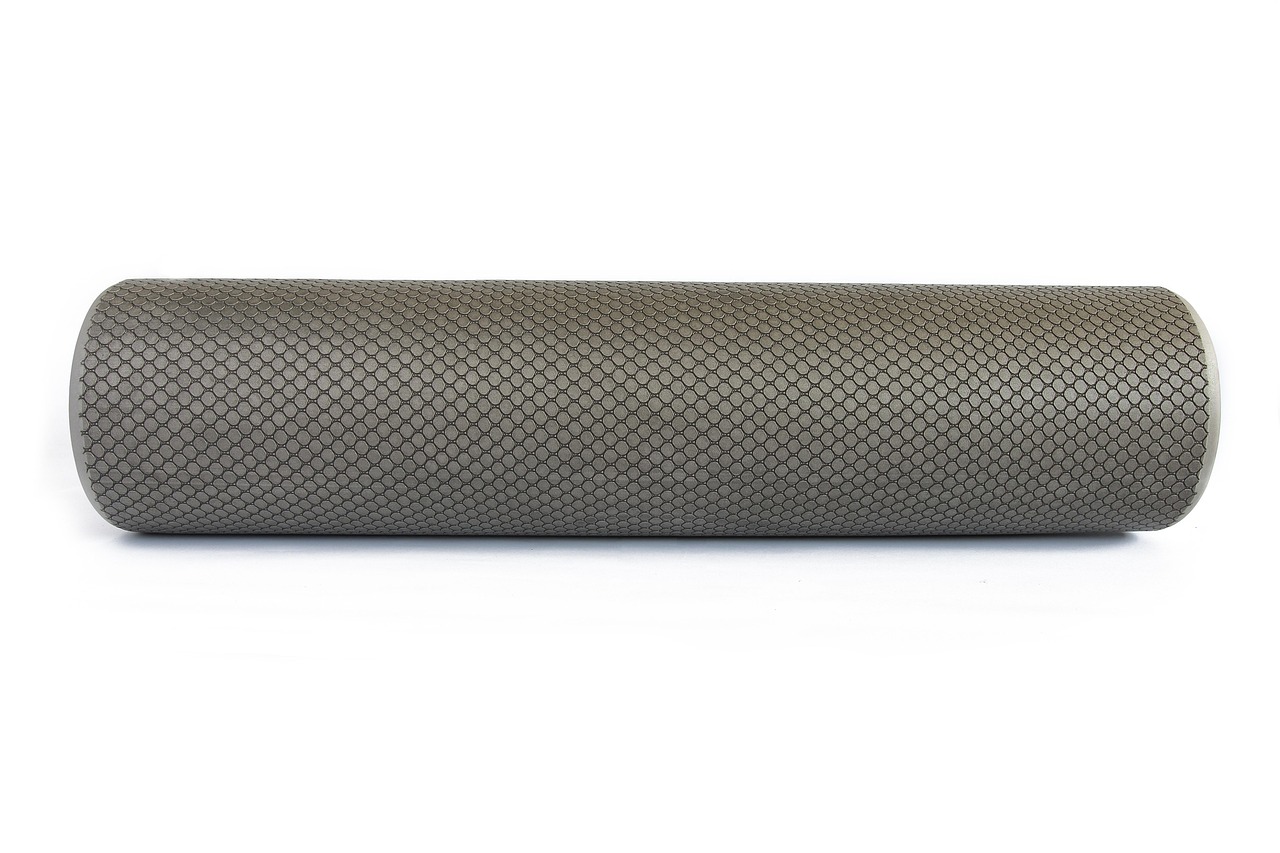
- Releasing tight or overworked muscles
- Building glute strength
- Correcting movement during squats, lunges, and steps
- Supporting better control during daily activity
Why Strength And Mobility Matter
Strength supports joints. Mobility allows movement without strain. When these two pieces fall out of balance, active adults feel it first. The hip starts to compensate. The body shifts weight to avoid pain. These shifts create new problems. PT helps rebuild clean, steady movement so the hip handles load more naturally.
How Our Treatment Works
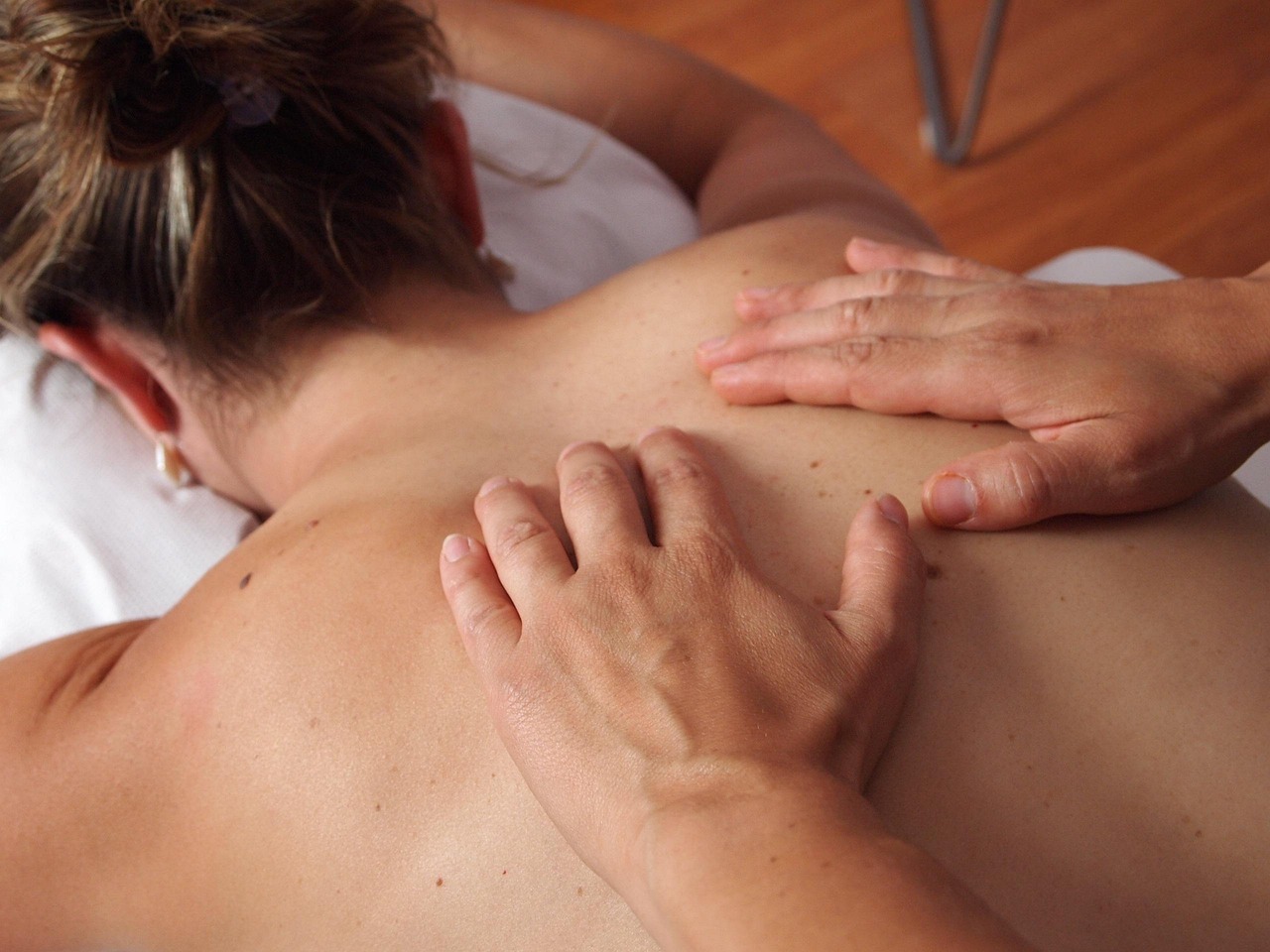
Your first session stays simple. We ask what activities spark the pain. We watch how you move during basic tasks. We check muscle strength and joint motion. Once we see the pattern, we build a plan that fits your routine. Sessions may include soft tissue work, mobility drills, and strength training. The pace stays steady, so the hip can adapt without flaring.
Small changes that often help:
- Adjusting exercise form
- Modifying warm-ups
- Adding glute activation drills
- Breaking up long sitting periods
- Pacing workouts across the week
Why This Helps With Long-Term Hip Pain
Hip pain fades when the joint moves well and the surrounding muscles share the load. PT gives you the tools to manage early signs before they turn into a bigger issue. You learn how to support the hip during workouts, workdays, and weekends. Progress grows from consistent, simple steps that fit your life.
Please reach out to Modern Medicine Physical Therapy & Sports Medicine of Chandler, AZ, to schedule an appointment today and get started on relief.