 One misstep changes plans fast. Confidence drops. Activity shrinks. Strength fades. A simple plan restores control and routine.
How Physical Therapy Helps Prevent Falls
Targeted strength raises leg power for stairs, curbs, and chairs. Balance drills improve steady standing and safe stepping. Gait training cleans up step length, toe clearance, and arm swing. Reaction practice prepares a quick step when footing fails. Endurance work brings back neighborhood walks without frequent rests.
How Physical Therapy Builds Stability
Core and hip control steady each stride. Strong ankles improve push-off and landing. Posture cues keep eyes forward and path clear. Breathing rhythm smooths effort on slopes and stairs. Carry and reach practice prepares grocery runs and household tasks.
What To Expect At The First Visit
Conversation comes first. We discuss typical stumbles, footwear, vision status, medications, and home setup. Testing follows. It could include sit-to-stand five times, timed up-and-go, single-leg stance, blood pressure seated and standing, and short walking speed. Numbers set a clear starting line and goals for the next visits.
Home Safety Wins
Clear walkways in halls and near the bed. Add night lights to the bathroom route. Secure small rugs or remove them. Keep a sturdy chair with arms for daily practice. Store frequently used items between waist and shoulder height. Feed pets before longer walks to avoid underfoot surprises.
Footwear And Vision Basics
Choose grippy soles and a closed heel. Skip loose slippers. Replace worn tread. Schedule yearly eye exams. Use glare control for bright Arizona days. Clean lenses often.
Medication Review
Multiple medications raise fall risk. Sleep aids and some pain drugs matter here. Test results go to the prescribing clinician. Small changes lower dizziness and brain fog.
How To Know When To Seek Help
Near fall or new stumble. Dizziness on standing. Legs feel weaker week over week. Avoidance of stairs or uneven ground. Shrinking walking time. Tension with every step outside. Any of these signs calls for an evaluation.
Simple Tests To Track At Home
Five sit-to-stands, aim under 12 seconds. Timed up-and-go, aim under 12 seconds. Single-leg stance, aim for 10 seconds each side. Continuous walking time, build toward 10 to 20 minutes. Daily steps rise gradually week by week. Record numbers in one place for easy comparison.
Safe Progress Rules
Work in a steady zone. Effort feels moderate, breathing stays controlled. No wild wobbles or near grabs. Soreness fades within one day. Lingering soreness means trimming weight, sets, or time. Change one variable per week, not three.
What Progress Feels Like
Steps feel smoother. Eyes look forward, not down. Stairs bring less tension. Walking lasts longer before a rest. Confidence returns at home and in the community.
How Modern Medicine Of Chandler, AZ Helps
Testing, clear explanations, and training that match daily life around Chandler. We provide a short written plan that goes home after visit one, along with safety rules and next targets. If you are ready for steadier steps and fewer slips. Call or book online. We will walk through this together.
One misstep changes plans fast. Confidence drops. Activity shrinks. Strength fades. A simple plan restores control and routine.
How Physical Therapy Helps Prevent Falls
Targeted strength raises leg power for stairs, curbs, and chairs. Balance drills improve steady standing and safe stepping. Gait training cleans up step length, toe clearance, and arm swing. Reaction practice prepares a quick step when footing fails. Endurance work brings back neighborhood walks without frequent rests.
How Physical Therapy Builds Stability
Core and hip control steady each stride. Strong ankles improve push-off and landing. Posture cues keep eyes forward and path clear. Breathing rhythm smooths effort on slopes and stairs. Carry and reach practice prepares grocery runs and household tasks.
What To Expect At The First Visit
Conversation comes first. We discuss typical stumbles, footwear, vision status, medications, and home setup. Testing follows. It could include sit-to-stand five times, timed up-and-go, single-leg stance, blood pressure seated and standing, and short walking speed. Numbers set a clear starting line and goals for the next visits.
Home Safety Wins
Clear walkways in halls and near the bed. Add night lights to the bathroom route. Secure small rugs or remove them. Keep a sturdy chair with arms for daily practice. Store frequently used items between waist and shoulder height. Feed pets before longer walks to avoid underfoot surprises.
Footwear And Vision Basics
Choose grippy soles and a closed heel. Skip loose slippers. Replace worn tread. Schedule yearly eye exams. Use glare control for bright Arizona days. Clean lenses often.
Medication Review
Multiple medications raise fall risk. Sleep aids and some pain drugs matter here. Test results go to the prescribing clinician. Small changes lower dizziness and brain fog.
How To Know When To Seek Help
Near fall or new stumble. Dizziness on standing. Legs feel weaker week over week. Avoidance of stairs or uneven ground. Shrinking walking time. Tension with every step outside. Any of these signs calls for an evaluation.
Simple Tests To Track At Home
Five sit-to-stands, aim under 12 seconds. Timed up-and-go, aim under 12 seconds. Single-leg stance, aim for 10 seconds each side. Continuous walking time, build toward 10 to 20 minutes. Daily steps rise gradually week by week. Record numbers in one place for easy comparison.
Safe Progress Rules
Work in a steady zone. Effort feels moderate, breathing stays controlled. No wild wobbles or near grabs. Soreness fades within one day. Lingering soreness means trimming weight, sets, or time. Change one variable per week, not three.
What Progress Feels Like
Steps feel smoother. Eyes look forward, not down. Stairs bring less tension. Walking lasts longer before a rest. Confidence returns at home and in the community.
How Modern Medicine Of Chandler, AZ Helps
Testing, clear explanations, and training that match daily life around Chandler. We provide a short written plan that goes home after visit one, along with safety rules and next targets. If you are ready for steadier steps and fewer slips. Call or book online. We will walk through this together.
Chandler, AZ - Physical Therapy for Fall Prevention & Stability in Older Adults
SYNOPSIS: This article covers who faces higher fall risk, how Get Modern Medicine of Chandler, AZ, builds strength and balance, what to expect on day one, simple home fixes, and clear tests to track progress.
How to Get Steady Steps with Fewer Slips
BY: Josh Adams, Modern Medicine of Chandler, AZ
One misstep changes plans fast. Confidence drops. Activity shrinks. Strength fades. A simple plan restores control and routine.
How Physical Therapy Helps Prevent Falls
Targeted strength raises leg power for stairs, curbs, and chairs. Balance drills improve steady standing and safe stepping. Gait training cleans up step length, toe clearance, and arm swing. Reaction practice prepares a quick step when footing fails. Endurance work brings back neighborhood walks without frequent rests.
How Physical Therapy Builds Stability
Core and hip control steady each stride. Strong ankles improve push-off and landing. Posture cues keep eyes forward and path clear. Breathing rhythm smooths effort on slopes and stairs. Carry and reach practice prepares grocery runs and household tasks.
What To Expect At The First Visit
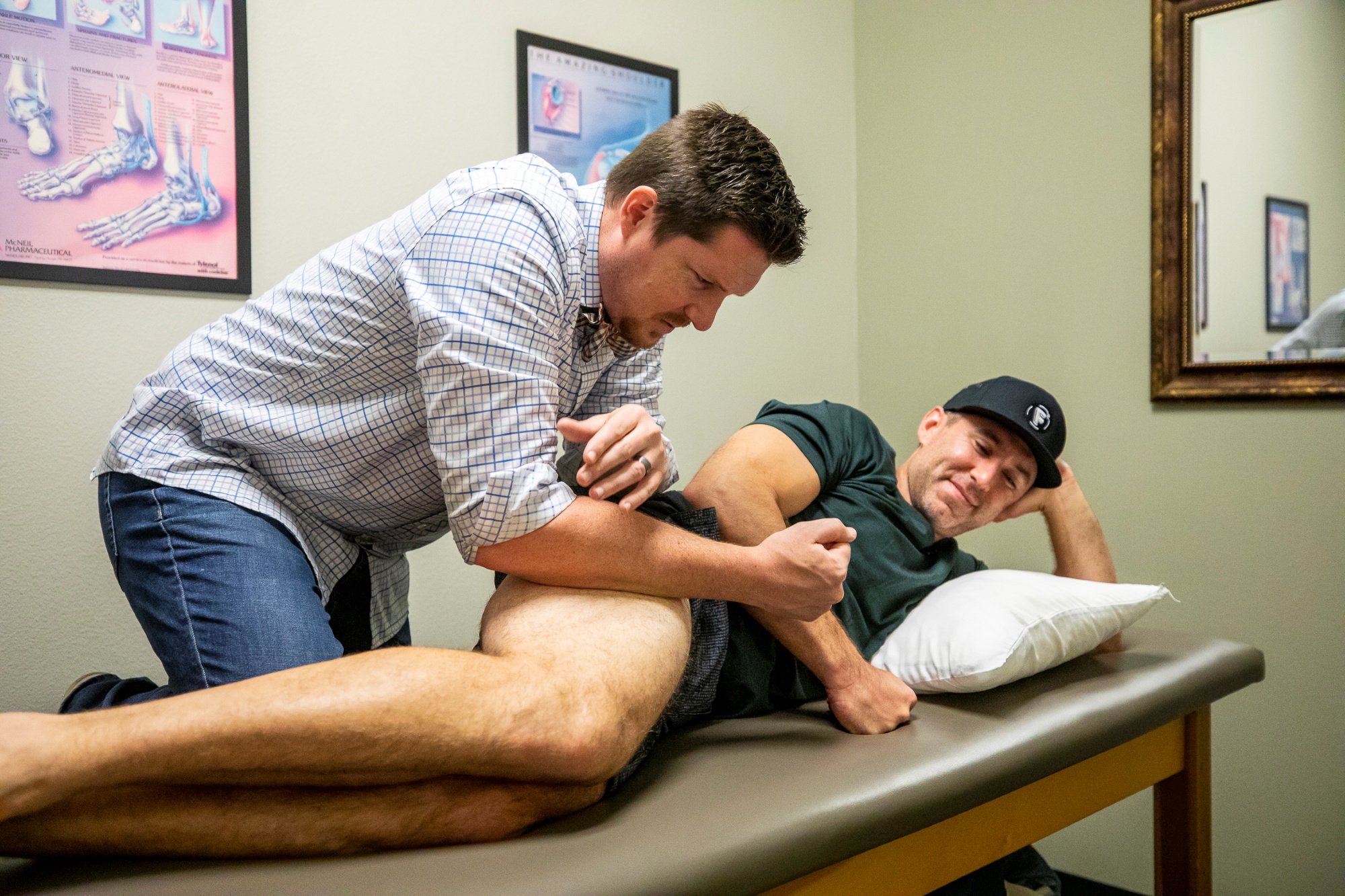
Conversation comes first. We discuss typical stumbles, footwear, vision status, medications, and home setup. Testing follows. It could include sit-to-stand five times, timed up-and-go, single-leg stance, blood pressure seated and standing, and short walking speed. Numbers set a clear starting line and goals for the next visits.
Home Safety Wins
Clear walkways in halls and near the bed. Add night lights to the bathroom route. Secure small rugs or remove them. Keep a sturdy chair with arms for daily practice. Store frequently used items between waist and shoulder height. Feed pets before longer walks to avoid underfoot surprises.
Footwear And Vision Basics
Choose grippy soles and a closed heel. Skip loose slippers. Replace worn tread. Schedule yearly eye exams. Use glare control for bright Arizona days. Clean lenses often.
Medication Review
Multiple medications raise fall risk. Sleep aids and some pain drugs matter here. Test results go to the prescribing clinician. Small changes lower dizziness and brain fog.
How To Know When To Seek Help
Near fall or new stumble. Dizziness on standing. Legs feel weaker week over week. Avoidance of stairs or uneven ground. Shrinking walking time. Tension with every step outside. Any of these signs calls for an evaluation.
Simple Tests To Track At Home
Five sit-to-stands, aim under 12 seconds. Timed up-and-go, aim under 12 seconds. Single-leg stance, aim for 10 seconds each side. Continuous walking time, build toward 10 to 20 minutes. Daily steps rise gradually week by week. Record numbers in one place for easy comparison.
Safe Progress Rules
Work in a steady zone. Effort feels moderate, breathing stays controlled. No wild wobbles or near grabs. Soreness fades within one day. Lingering soreness means trimming weight, sets, or time. Change one variable per week, not three.
What Progress Feels Like
Steps feel smoother. Eyes look forward, not down. Stairs bring less tension. Walking lasts longer before a rest. Confidence returns at home and in the community.
How Modern Medicine Of Chandler, AZ Helps
Testing, clear explanations, and training that match daily life around Chandler. We provide a short written plan that goes home after visit one, along with safety rules and next targets. If you are ready for steadier steps and fewer slips. Call or book online. We will walk through this together.