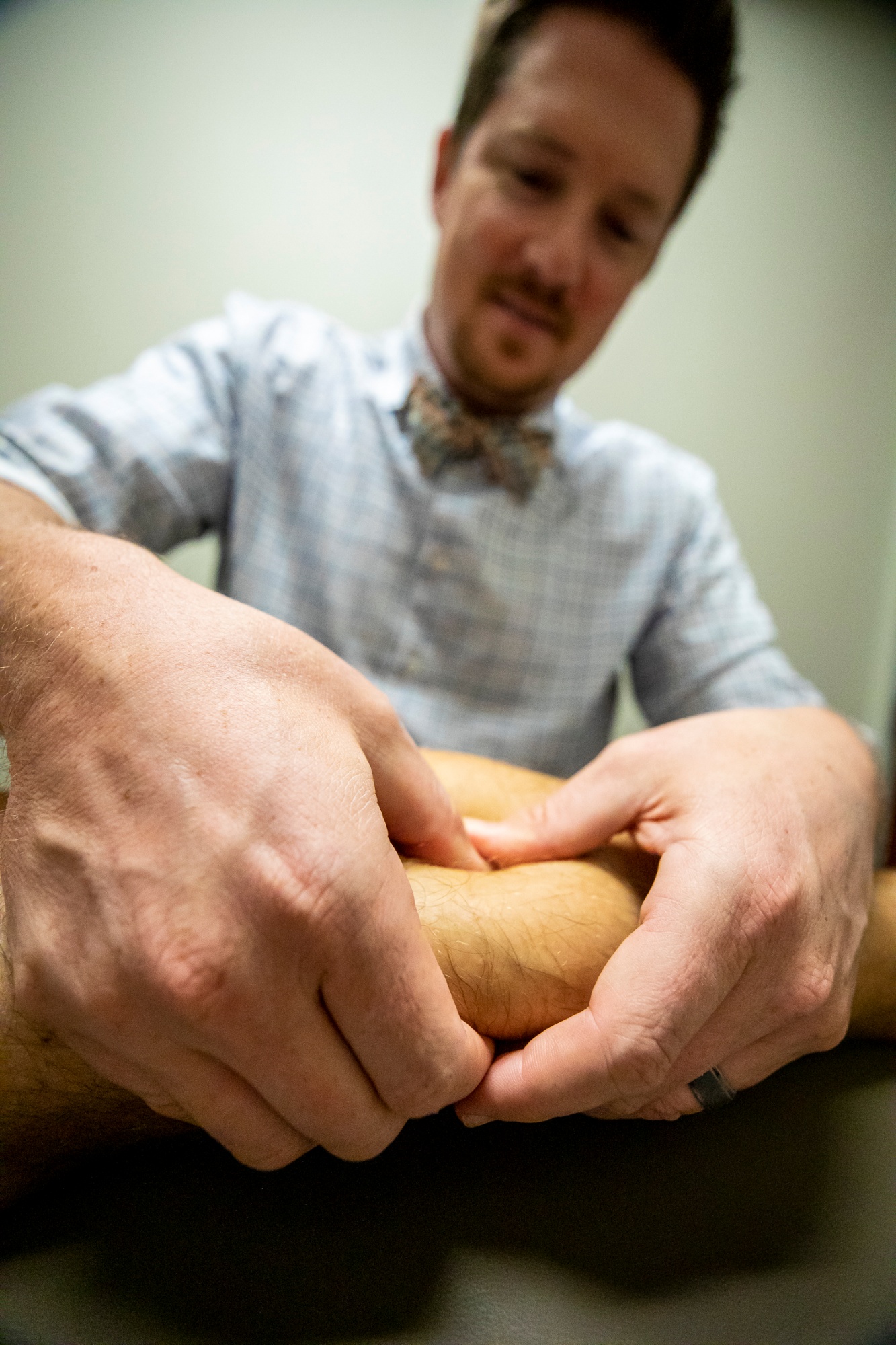
 Need to know when to shift from table work to a home routine? These signs make the choice simple. We translate your day-to-day into clear go or pause signals.
Sign 1: Pain Stays Quiet For A Full Week
Pain at rest holds between 0 and 2 for seven days. Morning stiffness fades within 15 minutes. Sleep stays steady without wakeups from symptoms.
Sign 2: Daily Tasks Feel Normal Again
Reaching, stairs, lifting a bag, and getting off the floor feel routine. No guarded movements. No hesitation on first steps.
Sign 3: Swelling Holds Steady Or Trends Down
No new puffiness. No heat. Size matches the other side or keeps shrinking. Measurements look the same throughout the week.
Sign 4: Numbers Match Your Baseline
Range sits within 5 to 10 percent of your other side. Strength within 10 percent on simple rep tests. Five sit to stand under 12 seconds. Ten slow calf raises to full height, each side. A 10-minute walk without a limp.
Sign 5: Table Work Helps Less Than Activity
Manual care gives only short relief. Movement and strength work give longer relief. Your body responds best to doing, not getting done to.
Sign 6: Pain During Work Stays Mild And Settles Fast
During exercise, pain levels range from 0 to 3. Soreness fades within 24 hours. No spike the next morning. If soreness lingers, the plan adjusts.
Sign 7: Form Holds Without Constant Cues
You keep alignment on your own. Simple self-cues work. Tall chest. Hips back. Knees over toes. Exhale on effort. Short phone videos help you confirm good form.
Sign 8: You Can Follow A Short Routine At Home
You complete a 20 to 30-minute session without help. You know the order. You know the reps and rest. No guesswork. No stalled sets.
Sign 9: Whole Body Patterns Feel Smooth
Hinge, squat, push, pull, step, and carry all look clean. No hitch in the motion. No shift to one side. No breath holding.
Sign 10: You Track Simple Data, Not Moods
You record three items in one place. A daily pain score. One strength marker, like three sets of eight goblet squats at a set weight. One cardio marker, like steps or minutes. Trends look steady over two weeks.
Sign 11: You Handle Small Changes Without Flares
You add weight or reps or speed, one change at a time. No flare from that choice. You return to baseline within a day.
Sign 12: Confidence Returns
You trust the joint during chores, work, and light sports. You lift the laundry basket. You take the stairs without the rail. You sleep through the night.
How Get Modern Medicine Of Chandler, AZ Supports The Shift
We confirm milestones and set targets. You leave with a clear plan and guardrails for load and pain. Need a reset or a new goal? Schedule a short block. Ready to move from treatment to maintenance, call or book online. Keep your gains and keep going.
Need to know when to shift from table work to a home routine? These signs make the choice simple. We translate your day-to-day into clear go or pause signals.
Sign 1: Pain Stays Quiet For A Full Week
Pain at rest holds between 0 and 2 for seven days. Morning stiffness fades within 15 minutes. Sleep stays steady without wakeups from symptoms.
Sign 2: Daily Tasks Feel Normal Again
Reaching, stairs, lifting a bag, and getting off the floor feel routine. No guarded movements. No hesitation on first steps.
Sign 3: Swelling Holds Steady Or Trends Down
No new puffiness. No heat. Size matches the other side or keeps shrinking. Measurements look the same throughout the week.
Sign 4: Numbers Match Your Baseline
Range sits within 5 to 10 percent of your other side. Strength within 10 percent on simple rep tests. Five sit to stand under 12 seconds. Ten slow calf raises to full height, each side. A 10-minute walk without a limp.
Sign 5: Table Work Helps Less Than Activity
Manual care gives only short relief. Movement and strength work give longer relief. Your body responds best to doing, not getting done to.
Sign 6: Pain During Work Stays Mild And Settles Fast
During exercise, pain levels range from 0 to 3. Soreness fades within 24 hours. No spike the next morning. If soreness lingers, the plan adjusts.
Sign 7: Form Holds Without Constant Cues
You keep alignment on your own. Simple self-cues work. Tall chest. Hips back. Knees over toes. Exhale on effort. Short phone videos help you confirm good form.
Sign 8: You Can Follow A Short Routine At Home
You complete a 20 to 30-minute session without help. You know the order. You know the reps and rest. No guesswork. No stalled sets.
Sign 9: Whole Body Patterns Feel Smooth
Hinge, squat, push, pull, step, and carry all look clean. No hitch in the motion. No shift to one side. No breath holding.
Sign 10: You Track Simple Data, Not Moods
You record three items in one place. A daily pain score. One strength marker, like three sets of eight goblet squats at a set weight. One cardio marker, like steps or minutes. Trends look steady over two weeks.
Sign 11: You Handle Small Changes Without Flares
You add weight or reps or speed, one change at a time. No flare from that choice. You return to baseline within a day.
Sign 12: Confidence Returns
You trust the joint during chores, work, and light sports. You lift the laundry basket. You take the stairs without the rail. You sleep through the night.
How Get Modern Medicine Of Chandler, AZ Supports The Shift
We confirm milestones and set targets. You leave with a clear plan and guardrails for load and pain. Need a reset or a new goal? Schedule a short block. Ready to move from treatment to maintenance, call or book online. Keep your gains and keep going.
Chandler, AZ - When to Transition From Hands-On PT to Functional Maintenance
SYNOPSIS: This article covers clear milestones for ending hands-on sessions, how to start a functional maintenance plan, weekly structure, home tracking, and when to return for tune-ups.
Know When Treatment Shifts to Long-Term Self Care
BY: Josh Adams, Modern Medicine of Chandler, AZ
Need to know when to shift from table work to a home routine? These signs make the choice simple. We translate your day-to-day into clear go or pause signals.
Sign 1: Pain Stays Quiet For A Full Week
Pain at rest holds between 0 and 2 for seven days. Morning stiffness fades within 15 minutes. Sleep stays steady without wakeups from symptoms.
Sign 2: Daily Tasks Feel Normal Again
Reaching, stairs, lifting a bag, and getting off the floor feel routine. No guarded movements. No hesitation on first steps.
Sign 3: Swelling Holds Steady Or Trends Down
No new puffiness. No heat. Size matches the other side or keeps shrinking. Measurements look the same throughout the week.
Sign 4: Numbers Match Your Baseline
Range sits within 5 to 10 percent of your other side. Strength within 10 percent on simple rep tests. Five sit to stand under 12 seconds. Ten slow calf raises to full height, each side. A 10-minute walk without a limp.
Sign 5: Table Work Helps Less Than Activity
Manual care gives only short relief. Movement and strength work give longer relief. Your body responds best to doing, not getting done to.
Sign 6: Pain During Work Stays Mild And Settles Fast
During exercise, pain levels range from 0 to 3. Soreness fades within 24 hours. No spike the next morning. If soreness lingers, the plan adjusts.
Sign 7: Form Holds Without Constant Cues
You keep alignment on your own. Simple self-cues work. Tall chest. Hips back. Knees over toes. Exhale on effort. Short phone videos help you confirm good form.
Sign 8: You Can Follow A Short Routine At Home
You complete a 20 to 30-minute session without help. You know the order. You know the reps and rest. No guesswork. No stalled sets.
Sign 9: Whole Body Patterns Feel Smooth
Hinge, squat, push, pull, step, and carry all look clean. No hitch in the motion. No shift to one side. No breath holding.
Sign 10: You Track Simple Data, Not Moods
You record three items in one place. A daily pain score. One strength marker, like three sets of eight goblet squats at a set weight. One cardio marker, like steps or minutes. Trends look steady over two weeks.
Sign 11: You Handle Small Changes Without Flares
You add weight or reps or speed, one change at a time. No flare from that choice. You return to baseline within a day.
Sign 12: Confidence Returns
You trust the joint during chores, work, and light sports. You lift the laundry basket. You take the stairs without the rail. You sleep through the night.
How Get Modern Medicine Of Chandler, AZ Supports The Shift
We confirm milestones and set targets. You leave with a clear plan and guardrails for load and pain. Need a reset or a new goal? Schedule a short block. Ready to move from treatment to maintenance, call or book online. Keep your gains and keep going.