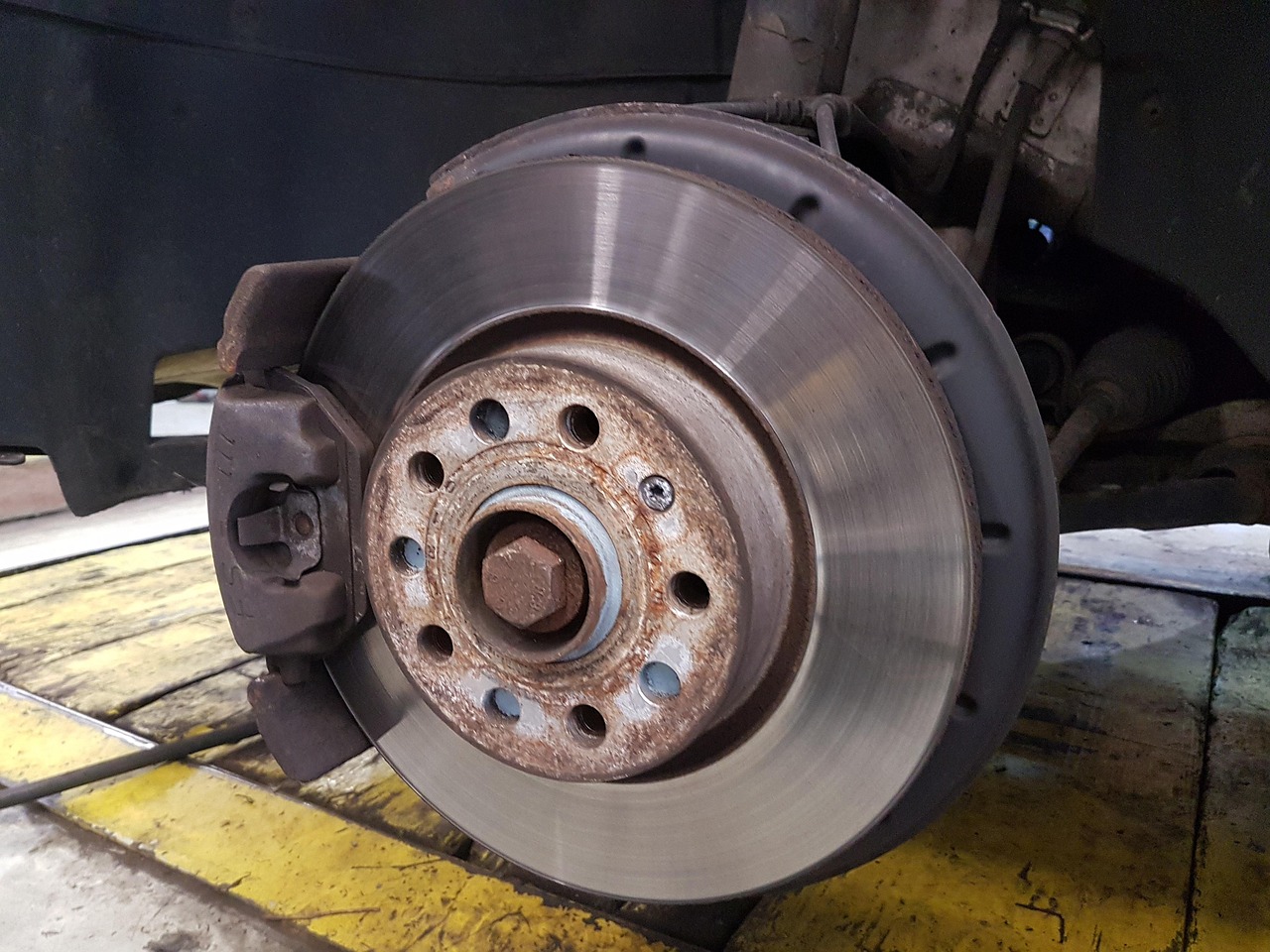
A light shows up on the RDX dash having to do with the brakes, and your stomach drops a little. Brakes aren't the system you want to gamble on. The good news is this particular warning usually means something simple, caught early. The RDX is telling you the pads are getting thin, and it's saying so while you still have time to deal with it on your schedule instead of in an emergency.
What the Wear Indicator Does
Acura builds a sensor into the brake system that watches how much pad is left. When the pad wears down to a set point, the sensor trips and the light comes on. The pads still have some life when it first lights, which is the whole idea. You get a heads-up before metal starts hitting metal.
Some RDX setups use an electronic sensor that lights the dash. Others rely on a little metal tab that squeals when the pad gets thin.
Don't Confuse It With the Brake Warnings
Here's where RDX owners get mixed up. There's more than one brake-related light, and they don't all mean the same thing:
- The pad wear light means the pads are thin and due soon
- The brake system light, often red, can mean low brake fluid
- The parking brake light just means the brake is set
- An ABS light points to the anti-lock system, a separate issue
A red brake light is more serious than the pad wear indicator and shouldn't be ignored.
Why You Shouldn't Put It Off
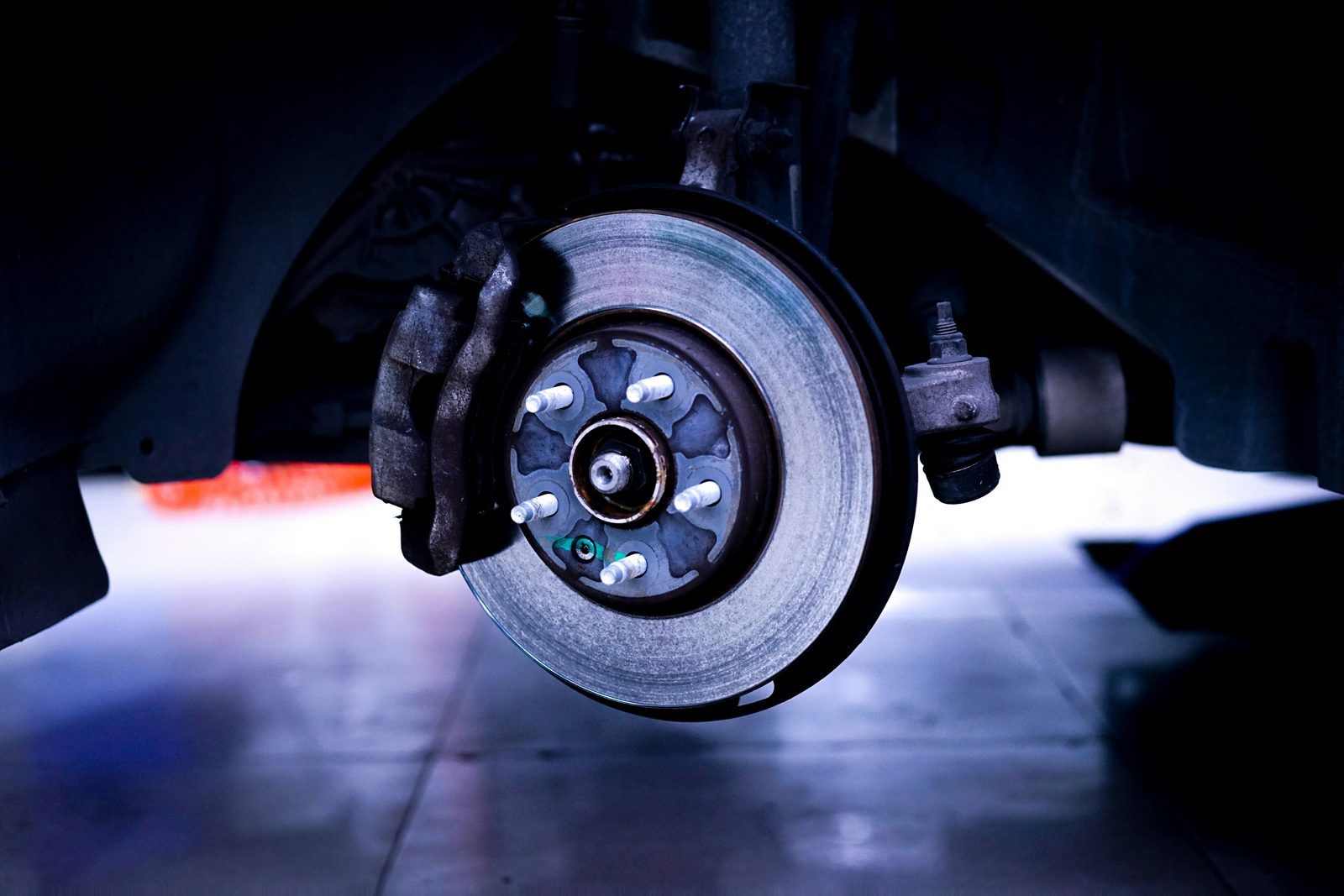
The pad wear light gives you a window, but the window closes. Keep driving on it and the pads keep thinning until there's nothing left, and then the backing plate grinds on the rotor. That grinding ruins the rotors, and a job that would've been a simple pad replacement turns into pads and rotors both. The light came on to save you that. Ignoring it spends the savings.
What Else Affects Pad Wear
Not every RDX wears pads at the same pace. Lots of stop-and-go driving constantly works the brakes. A heavier foot and later, harder stops burn through pads faster. Hills do it too. Cheap pads from a past brake job can wear quickly and light the sensor sooner than you'd expect. How and where you drive is most of what sets the timing.
How We Check Them
We pull the wheels and measure the pads down to the millimeter, so you know exactly how much is left instead of guessing. We check the rotors for wear and warping while we're in there. We look at the sensor itself, the calipers, and the brake fluid, since a red light and a pad light are different problems. Then you hear what's worn and what can wait, in plain numbers.
Get It Looked At
A brake light never turns itself off, and the repair only grows the longer you drive on thin pads. Bring your RDX to Driven Auto Care of Castro Valley and we'll measure the pads and tell you where they stand. Reach out to set up a brake inspection.