You park the Discovery overnight and walk out the next morning to find it leaning. One corner down, or the whole back end squatting. Start it up, wait a minute, and it lifts itself back to normal like nothing happened. That recovery is exactly what fools people. The air left the system overnight, and it had to go somewhere.
How the Discovery Holds Itself Up
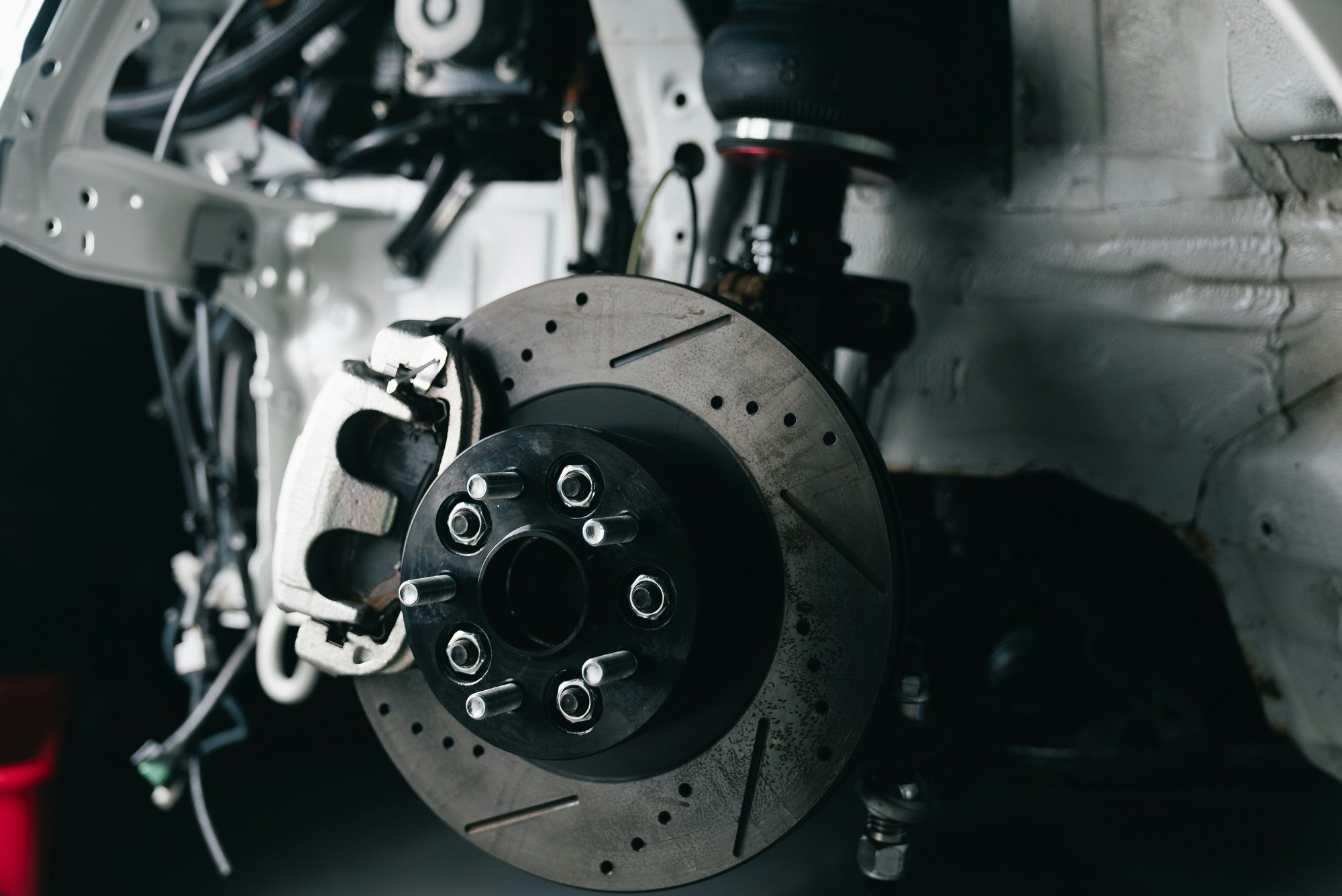
Instead of steel springs, the Discovery rides on air. Each corner has a rubber air spring that holds pressure, fed by a compressor and a valve block that decides where the air goes. Park it, and the system is supposed to hold its height for days. When a corner drops overnight, air is leaking out, and the only reason it looks fine when you drive is the compressor refilling it on startup.
Where the Air Escapes
A few spots cause most of the sag on these:
- Cracked air springs, usually at the fold where the rubber flexes
- Leaking air lines or fittings at the struts
- A valve block that bleeds pressure between corners
- A tired compressor that can’t keep up with a leak
One corner sitting low points at that corner’s spring or line. The whole back end dropping evenly leans more toward the valve block or a shared line. The rubber springs crack with age and cold, which is why the sag often shows up worse in the morning and in cooler weather.
The Compressor Pays the Price
Here’s the part that turns a small leak into a big problem. Every time you start the Discovery, the compressor works to refill whatever leaked out overnight. It was built for occasional height changes, not a daily rescue. Run it hard enough, long enough, and it overheats and fails. Now you’ve got a leaking spring and a dead compressor, and the trouble of waiting just doubled.
The Warning on the Dash
These trucks usually say something before they give up. A suspension fault message, the vehicle refusing to raise or lower, or the ride height stuck in one setting are all the system telling you it can’t hold air the way it should. People sometimes clear the message and keep driving. The message comes back because the leak is still there.
How We Track It Down
We check each corner’s height and watch where it drops. We pressure test the air system and use soapy water or a leak detector on the springs and fittings to find where it’s escaping. We read the fault codes the suspension stored, and we check the compressor’s health before it becomes part of the repair. Then you hear exactly what’s leaking before anything gets replaced.
Get It Sitting Level Again
An air suspension leak only grows, and it tends to take the compressor with it when it’s ignored. Bring your Discovery to Driven Auto Care of Campbell and we’ll find the leak before it leaves you on the bump stops. Reach out to set up an air suspension check.