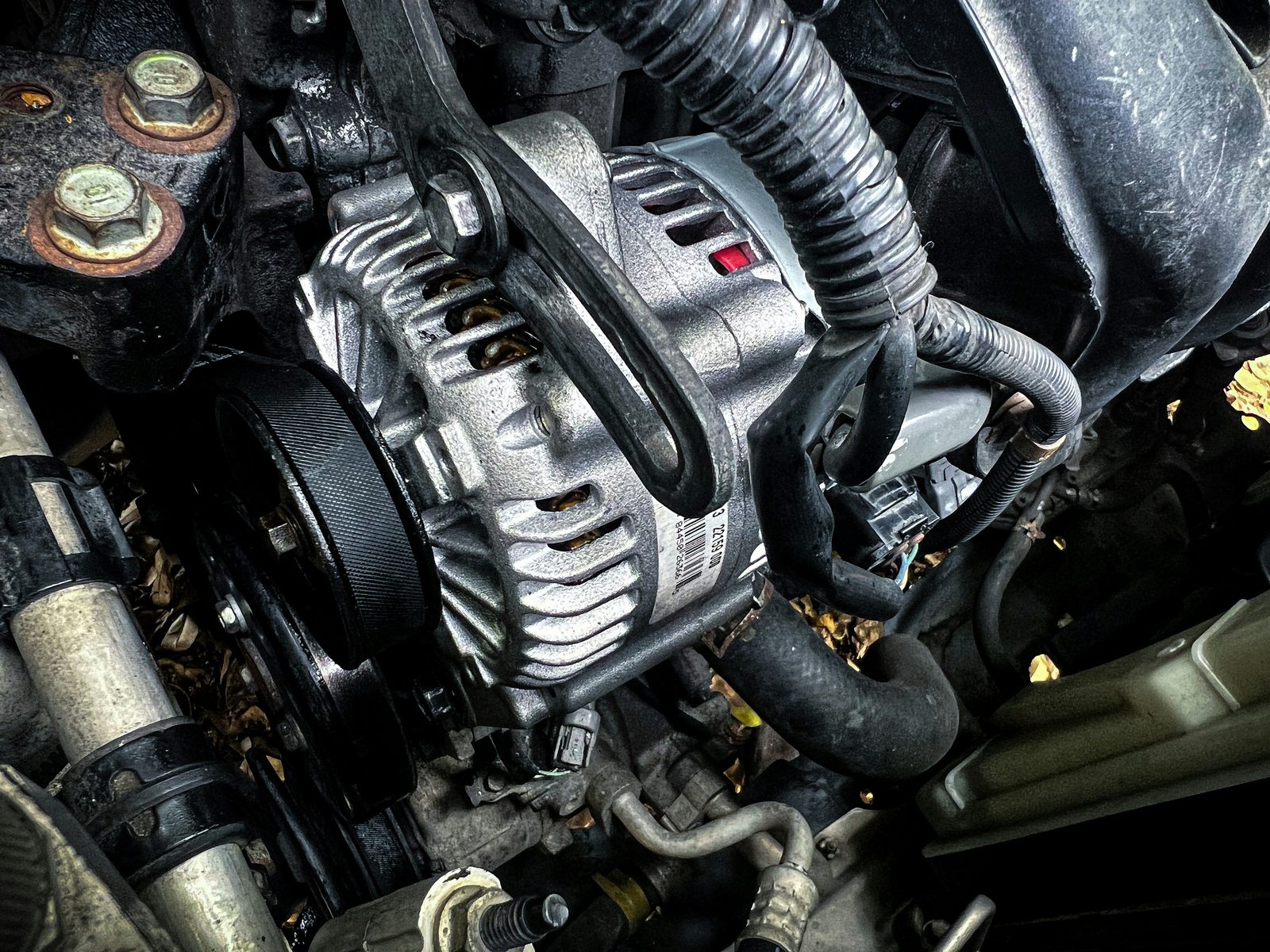
Subaru owners talk about head gaskets the way other drivers talk about oil changes. It's just part of owning one, especially on the older Outbacks. The boxer engine has a long history with this, and while the newer ones hold up better, a lot of Outbacks on the road are still in the range where it matters. Catching it early is the whole game here. Miss it and a gasket turns into an engine.
Why the Boxer Engine Does This
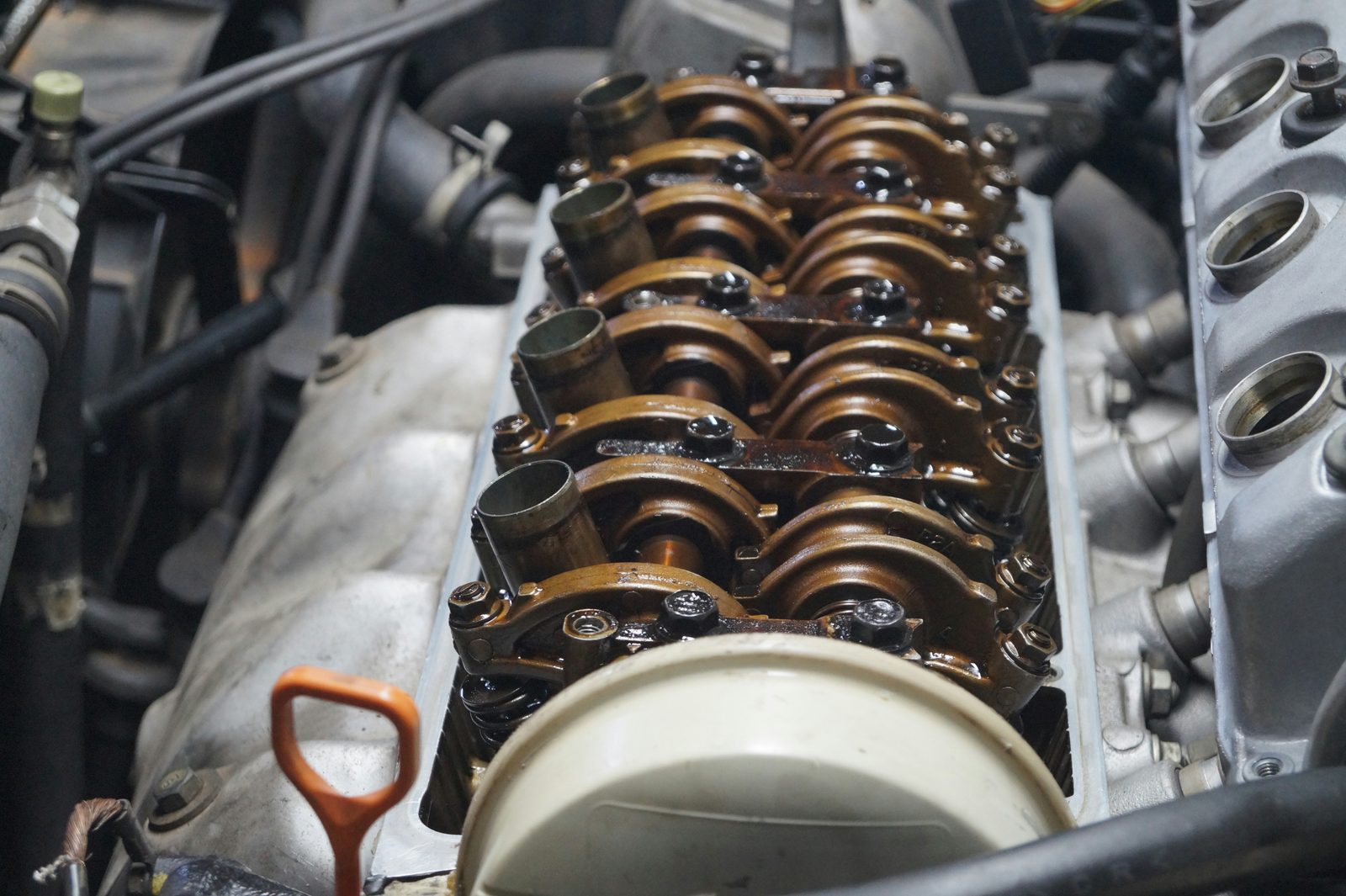
The Outback's engine lies flat, with the cylinders laid out sideways instead of standing up. It's part of what gives these cars their low, planted feel. The tradeoff is the head gaskets sit on the sides of the engine, and on the older 2.5 liter engines especially, those gaskets were prone to letting go over time and heat.
When a head gasket fails, the seal between the engine block and the head breaks down. Coolant, oil, and combustion are supposed to stay in their own lanes. A blown gasket lets them cross, and that's where the trouble starts.
What to Watch For
The symptoms depend on how the gasket's failing, but these are the common ones:
- Coolant disappearing with no puddle under the car
- The engine running hot or the temperature gauge swinging around
- A sweet smell, sometimes with white smoke from the exhaust
- Oil that looks milky or a coolant tank with an oily film
- Bubbles in the coolant reservoir as combustion gases leak in
An external leak is the gentler version, where coolant or oil just seeps down the side of the engine. The internal kind is the one that does real damage, because coolant gets into places it shouldn't and overheating follows.
Why You Can't Wait on It
Overheating is what turns a bad gasket into a dead engine. Run an Outback hot enough, long enough, and you warp the heads or crack something, and now the repair is far past a gasket. The engine temperature is the thing to respect. If the gauge climbs, pulling over matters more than getting where you're going.
A head gasket job isn't small, but catching it early can save you from a much larger repair. That gap is exactly why catching it early pays off.
How We Diagnose It
We pressure test the cooling system to find where coolant's going. We run a combustion leak test, which checks for exhaust gases in the coolant, the telltale sign that compression is crossing into the cooling system. We check the oil and coolant for cross-contamination. Then you get a clear answer on whether it's the head gasket or something simpler, before any big work gets scheduled.
Get Ahead of It
A head gasket problem only heads one direction, and overheating can cost you the whole engine. Bring your Outback to Driven Auto Care of Campbell and let us test it before a gasket turns into something much bigger. Call to set up a cooling system diagnosis.