Cold morning, you start the QX60, and there’s a squeal from up front for a few seconds before it quiets down. Easy to ignore once it stops. That chirp is usually the first sign the serpentine belt is wearing, and this is one part where catching it early really does save you a bad afternoon.
One Belt, a Lot of Jobs
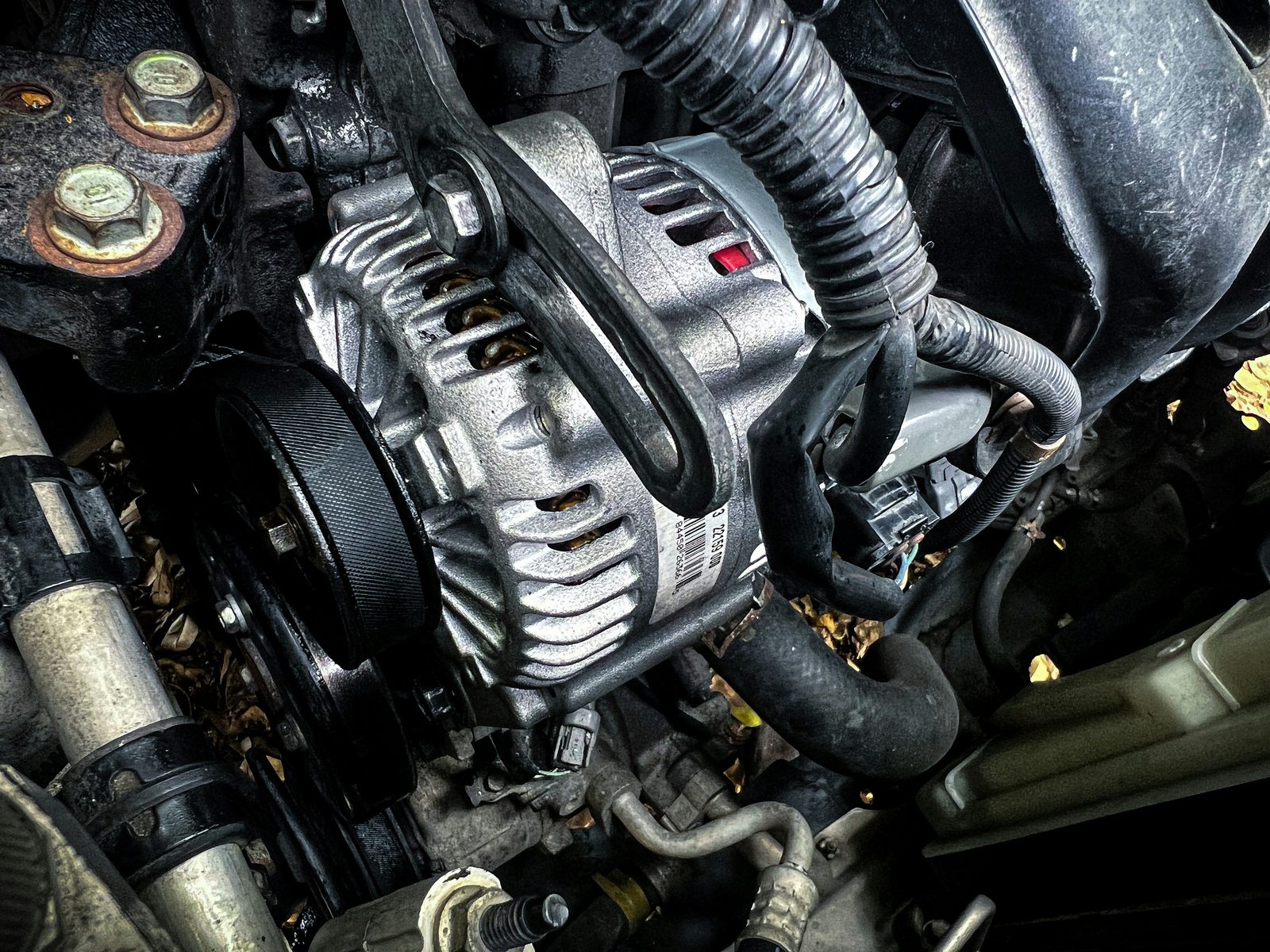
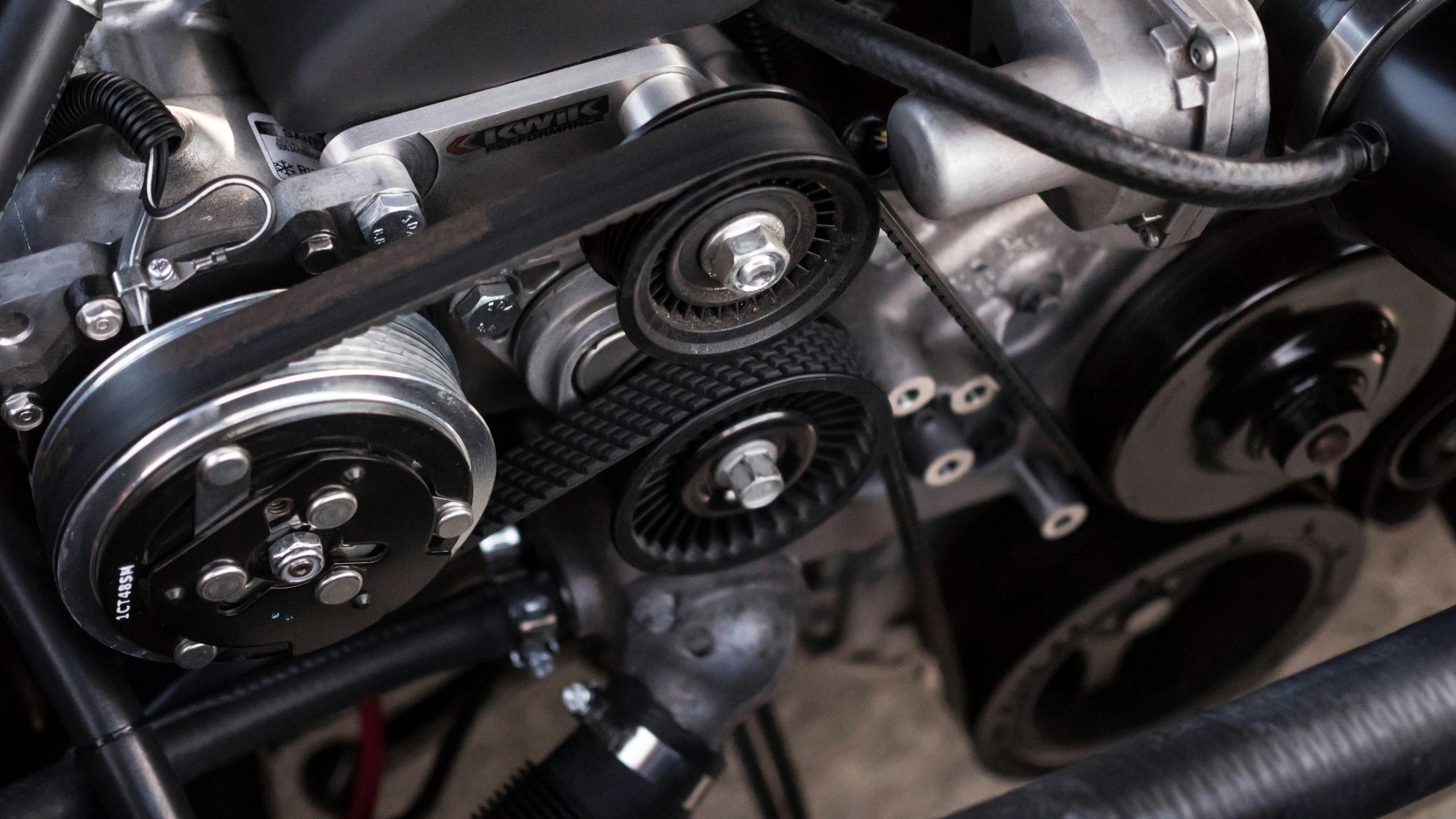
The serpentine belt is a single long belt that winds around the front of the engine and drives most of the accessories. On the QX60, that means the alternator that charges the battery, the power steering, the AC compressor, and the water pump that keeps the engine cool. One belt, and all of that depends on it.
That’s why a belt failure is more than an inconvenience. If it snaps while you’re driving, you lose the charging and the water pump at once, and the engine can overheat in a hurry. The squeal is the early warning before any of that.
What Wear Looks and Sounds Like
The QX60 gives you a few hints as the belt ages:
- A squeal or chirp on startup, especially cold or in damp weather
- A squeal that comes back when you turn the wheel or switch on the AC
- Cracks across the ribs when you look at the belt up close
- A glazed, shiny surface where the belt has been slipping
- Fraying or chunks missing from the edge
The cracking is the honest test. A healthy belt is flexible and clean on the ribbed side. A belt with little cracks running across it, or one that’s gone hard and shiny, is living on borrowed time.
It’s Not Always Just the Belt
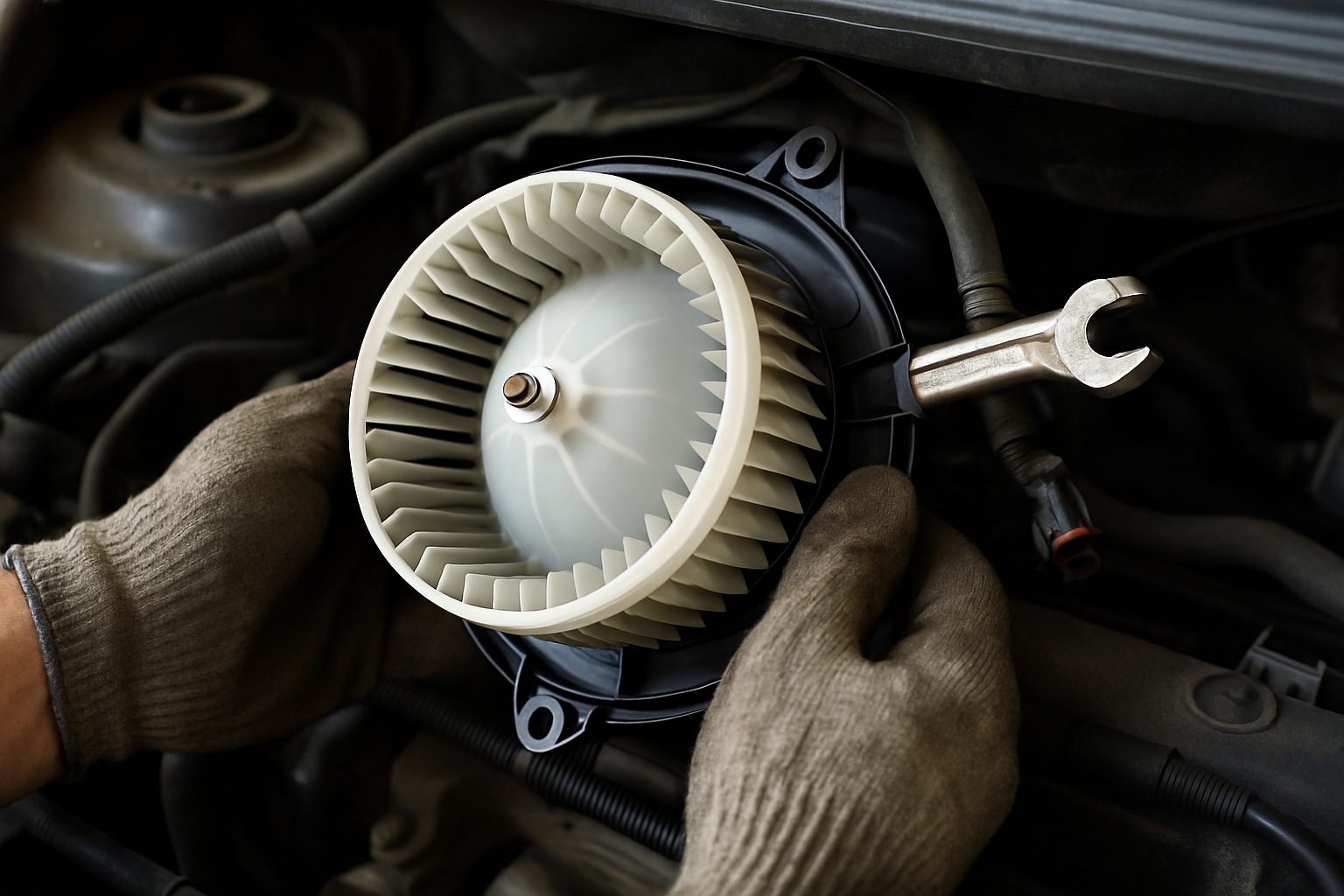
Sometimes the squeal is the belt, and sometimes it’s what spins the belt. The tensioner, a spring-loaded pulley that keeps the belt tight, wears out and lets the belt slip, which makes noise even on a newer belt. The idler pulleys can get rough bearings and whine or rattle. A good belt check looks at the tensioner and pulleys too, because a fresh belt on a worn tensioner just slips and squeals again.
Why You Change It Before It Goes
A serpentine belt is a quick job when you do it on your schedule. Wait for it to snap and the story changes. You’re stranded, the battery stops charging, the water pump stops turning, and a broken belt has now put you on the side of the road with an engine that’s heating up.
How We Check It
We look the belt over for cracks, glazing, and fraying, and we check its tension. We spin the tensioner and the idler pulleys to feel for play or a rough bearing. We listen with the engine running to place the squeal, since belt noise and pulley noise aren’t the same fix. Then you hear whether it’s the belt, the tensioner, or a pulley before anything gets replaced.
Catch the Squeal Early
A worn belt only gets closer to letting go, and when it does it takes the charging and cooling with it. Bring your QX60 to Driven Auto Care of Campbell and we’ll check the belt and the pulleys before a chirp turns into a tow. Reach out to set up a belt inspection.