What Pulling and Wandering Feel Like
There's a difference worth knowing. A pull is steady. The car leans toward one side and you hold light pressure the whole time to keep it straight. Wander is restless. The TLX won't settle in its lane, drifting one way then the other, so your hands never really rest.
A pull usually points to alignment or a tire. Wander more often means something's loose or the alignment's off in a way that's letting the car roam. Either one means the wheels aren't pointed quite where the car's headed.
Where It Comes From
A few things throw a TLX out of alignment or make the steering feel off:
- Hitting a curb or slamming a pothole, which knocks the alignment out in one shot
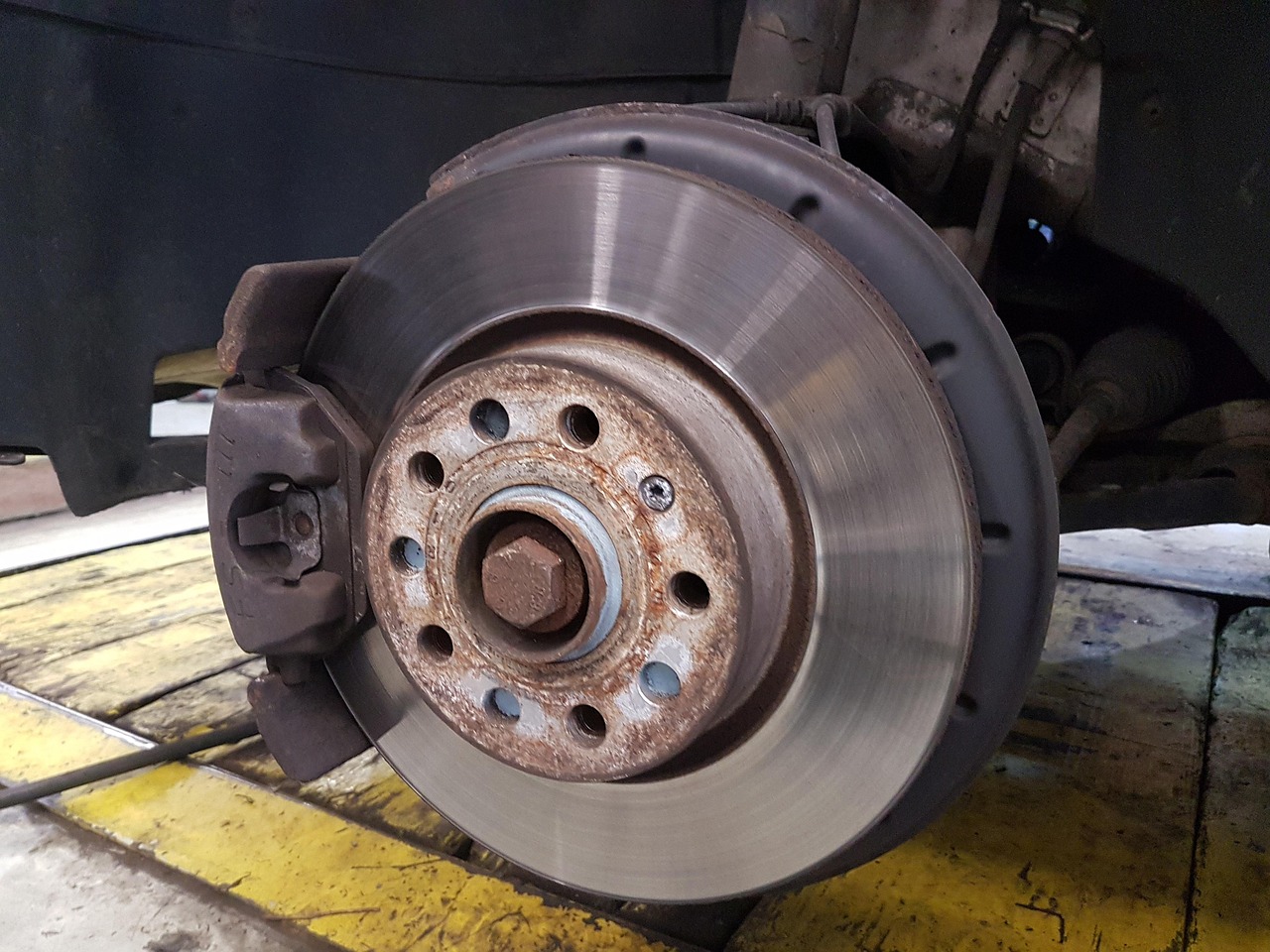
- Worn tie rod ends, which add play and let the wheel wander
- A steering wheel that sits crooked after the alignment drifted
- Tires wearing unevenly, which then cause their own pull
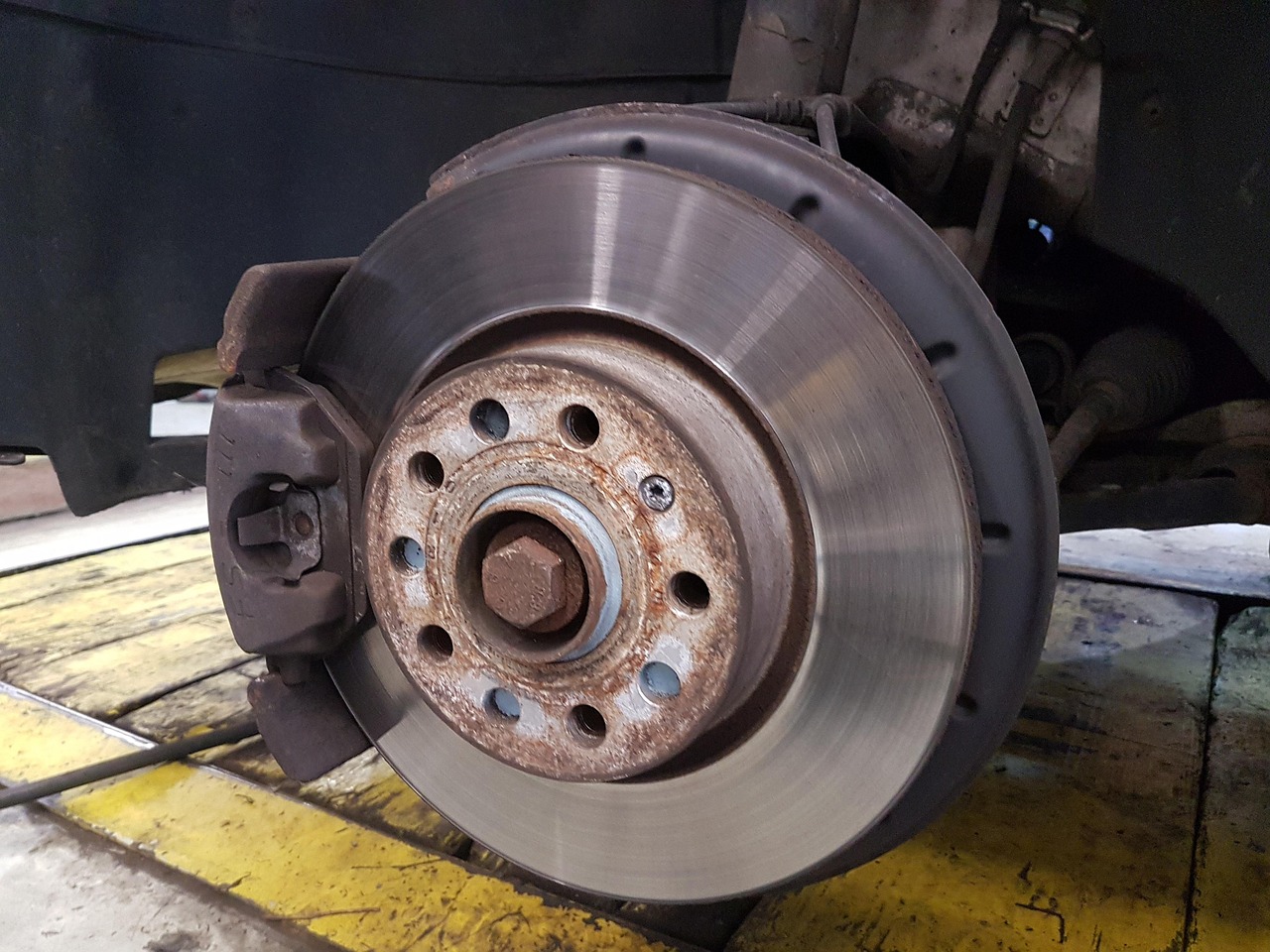
- Worn suspension bushings that let the wheels shift around under load
That curb or pothole hit is the usual trigger. You clip something parking, or hit a crater you never saw on the freeway, and the angles move. Sometimes you feel it right away. Sometimes it creeps in over the next few weeks.
Your Tires Keep the Record
The tires tell the story whether you've noticed the pull or not. Alignment that's off scrubs the rubber unevenly, so one edge of a tire wears down while the rest looks fine. Run your hand across the tread. A tire worn smooth on one side means an angle's out. A feathered edge, sharp one way and smooth the other, points at the toe setting.
Left alone, bad alignment can ruin a good set of tires in a few thousand miles. That's why staying on top of your alignment protects what you've invested in your tires.
When It's More Than Alignment
Here's the part that matters before you book just an alignment. Sometimes the wander comes from worn parts, not the angles. Tie rod ends develop play. Bushings soften with age. And no alignment holds on loose parts, because the wheels still move around no matter how the angles are set. Setting alignment on a worn front end doesn't last. The play has to be fixed first.
How We Sort It Out
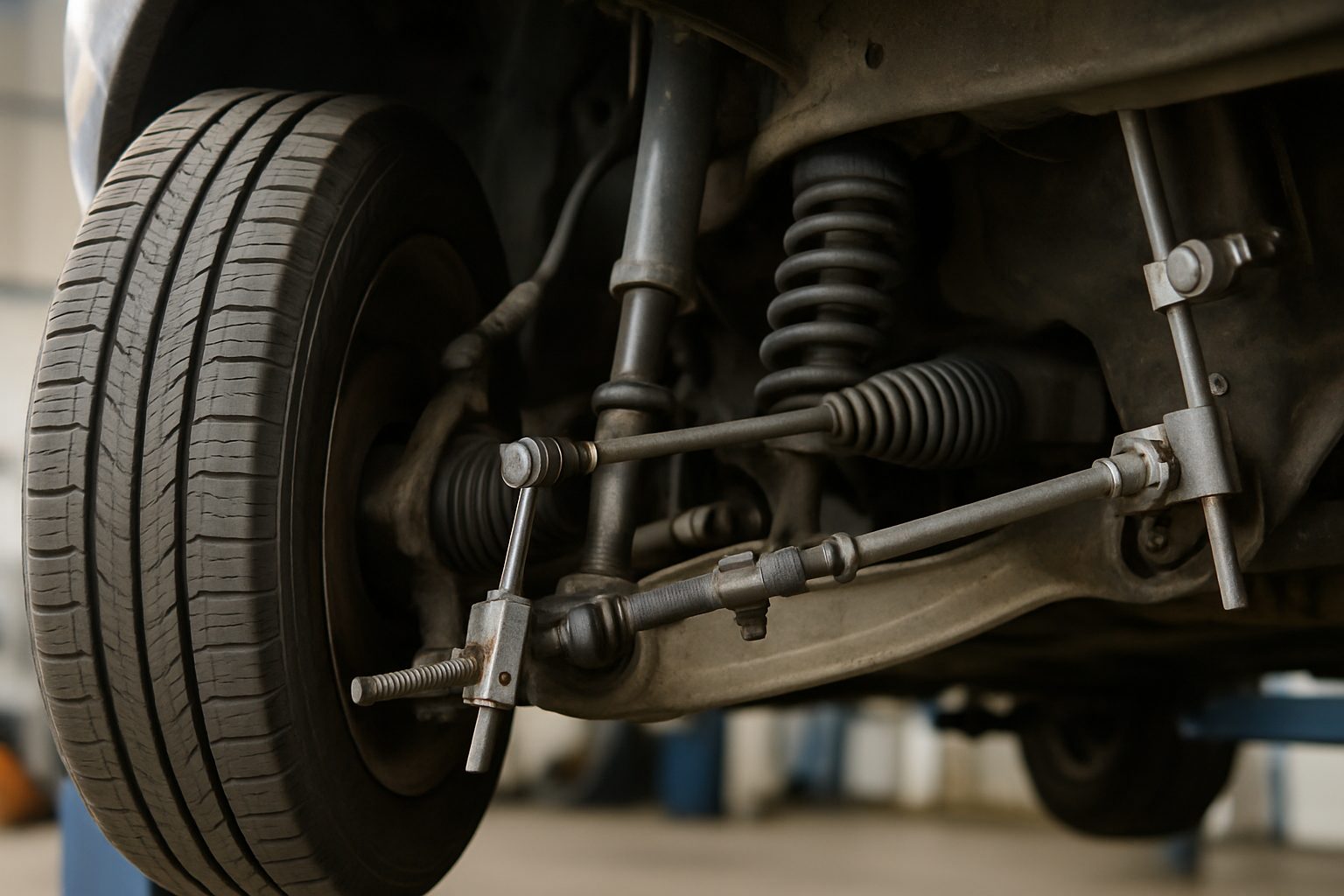
We put the TLX on the alignment rack and measure every angle against Acura's specs. Before adjusting anything, we check the tie rods and bushings for play, since loose parts throw the numbers right back out. We read the tire wear for the pattern it leaves behind. Then you get the real picture, a straight alignment or a worn part first.
Straighten It Out
A TLX that pulls or wanders only gets more tiring to drive, and the tire wear adds up while you put it off. Bring it to Driven Auto Care of Campbell and we'll check the alignment and the front end together. Reach out to book an alignment check.