The Highlander is a heavy SUV, and it usually carries people and gear on top of its own weight, which means its brakes work harder than a small sedan's ever will. That weight shows up in how often the pads need replacing. Knowing the timing and what affects wear lets you plan for it instead of getting blindsided at the counter.
How Long the Pads Last
There's no single mileage number, because it depends almost entirely on how and where you drive. A Highlander that spends its life in stop-and-go South Bay traffic wears pads faster than one that mostly cruises the highway, since every stop scrubs a little material off. Front pads carry more of the braking load than the rears and wear out first, often well before you'd expect. Most owners land somewhere in the range of a pad replacement every 30,000 to 60,000 miles, with the low end for heavy commuters, hilly routes, and anyone who tows.
Hybrid Highlanders are their own case. Regenerative braking does a chunk of the slowing, so the pads can last noticeably longer, though the rotors can rust from light use if the car sits.
What Affects the Job
The pads themselves are only part of the job, and a few things affect what's involved:
- Pads only, versus pads and rotors if the rotors are scored or worn thin
- Front axle versus rear, or both done at the same time
- Pad quality, from budget parts to OEM-grade
- Whether a caliper is sticking and needs to be freed or replaced
- A brake fluid flush if it's overdue, which often is by the time pads are worn
Catching the wear early is what keeps you in the simpler, pads-only range. Let it grind and the rotors join the job, which is where the work really adds up.
Why the Timing Matters
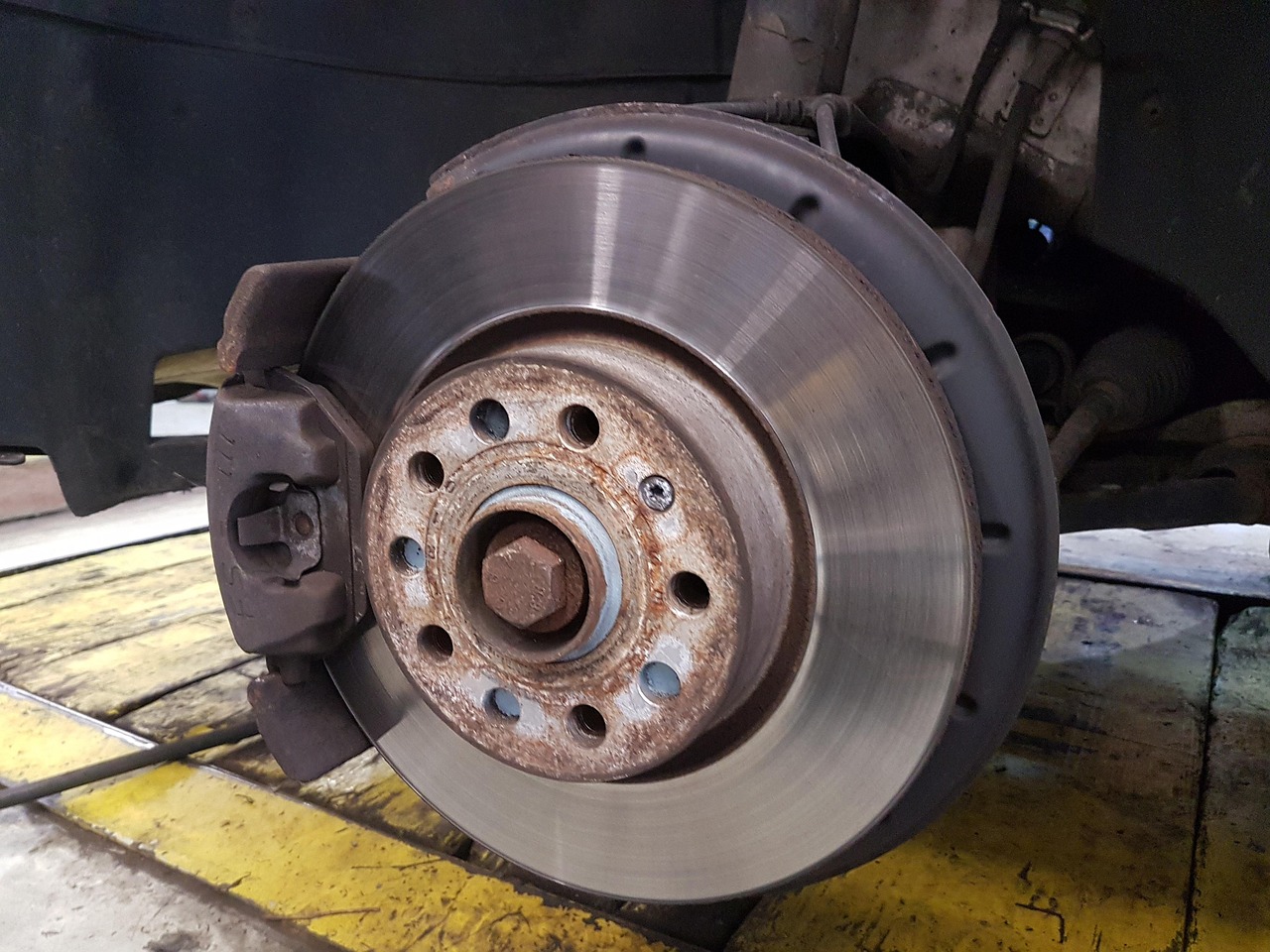
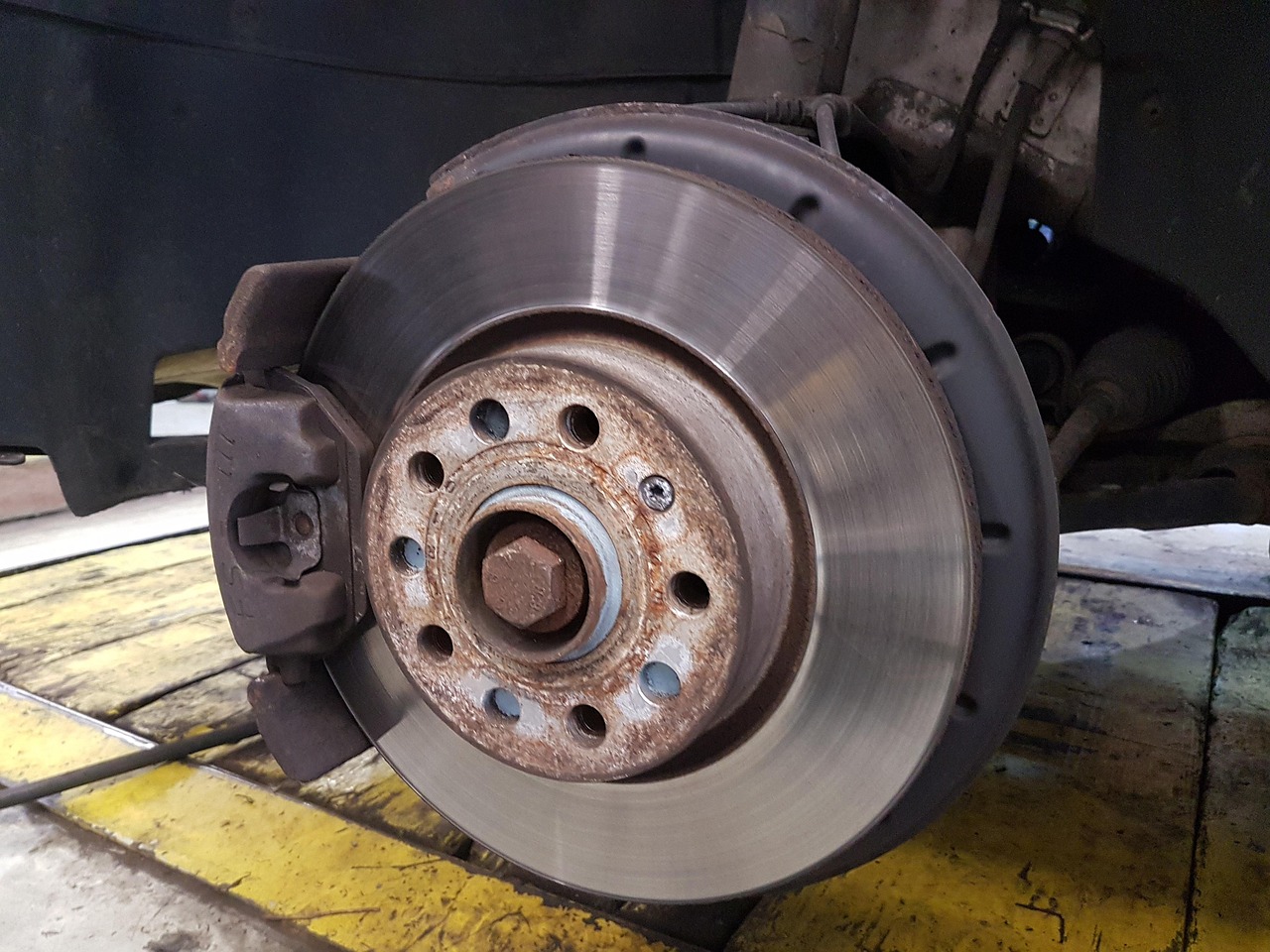
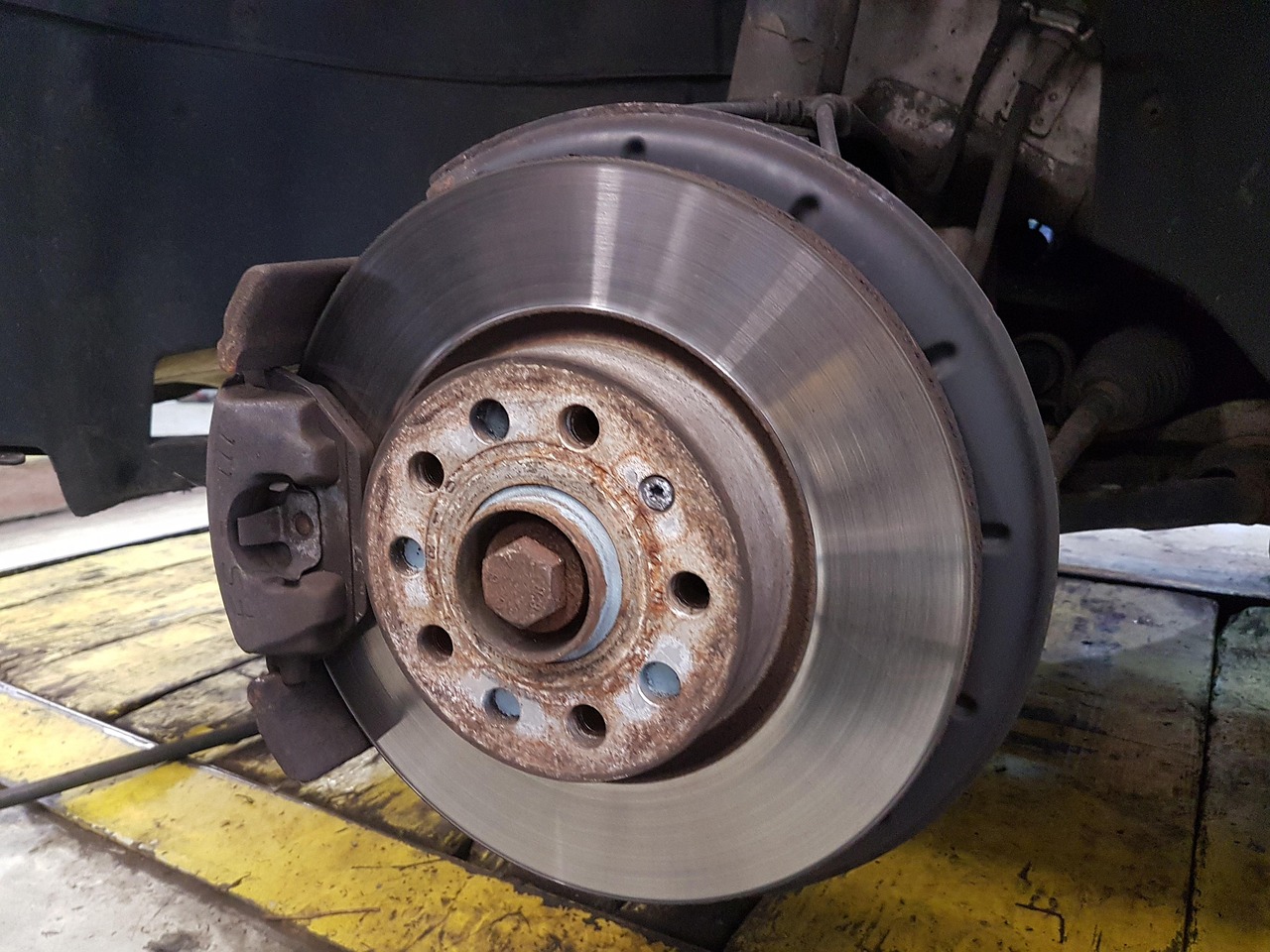
Waiting doesn't help with brakes. Once the pad friction material runs out, the steel backing plate cuts directly into the rotor, and replacing a rotor is a bigger job than a set of pads. On a vehicle as heavy as a Highlander, worn brakes do more than add to the repair, they stretch your stopping distance in the exact moment you need it shortest, with a full load and maybe a trailer behind you. The squeal or the dash light is the cue to act on, not something to ride out for another few months.
How We Handle It
When a Highlander comes in, we pull the wheels and measure pad thickness directly, check the rotors for grooves, thickness, and warping, and confirm the calipers move freely so a stuck one isn't chewing a pad. That tells us whether it's a pads-only job or pads and rotors, and we explain what's needed before any work starts. You get a straight assessment, not a surprise at pickup, and nothing added that the truck doesn't need.
Get an Honest Brake Inspection
Brakes are simpler to handle when caught early and a bigger job the longer they're ignored. Bring your Highlander to Driven Auto Care of Campbell and we'll measure everything and give you a straight assessment up front. Call to book a brake inspection.