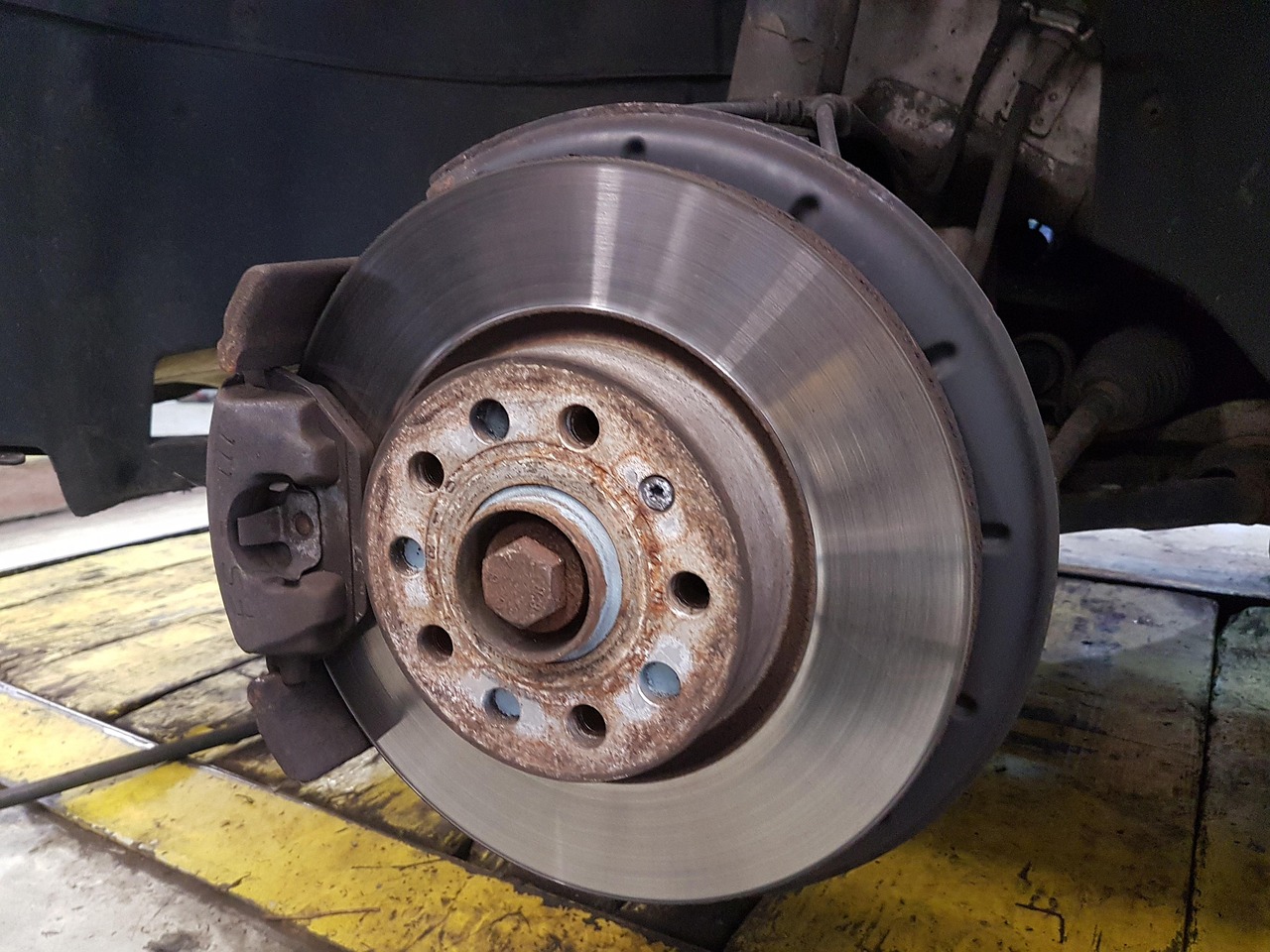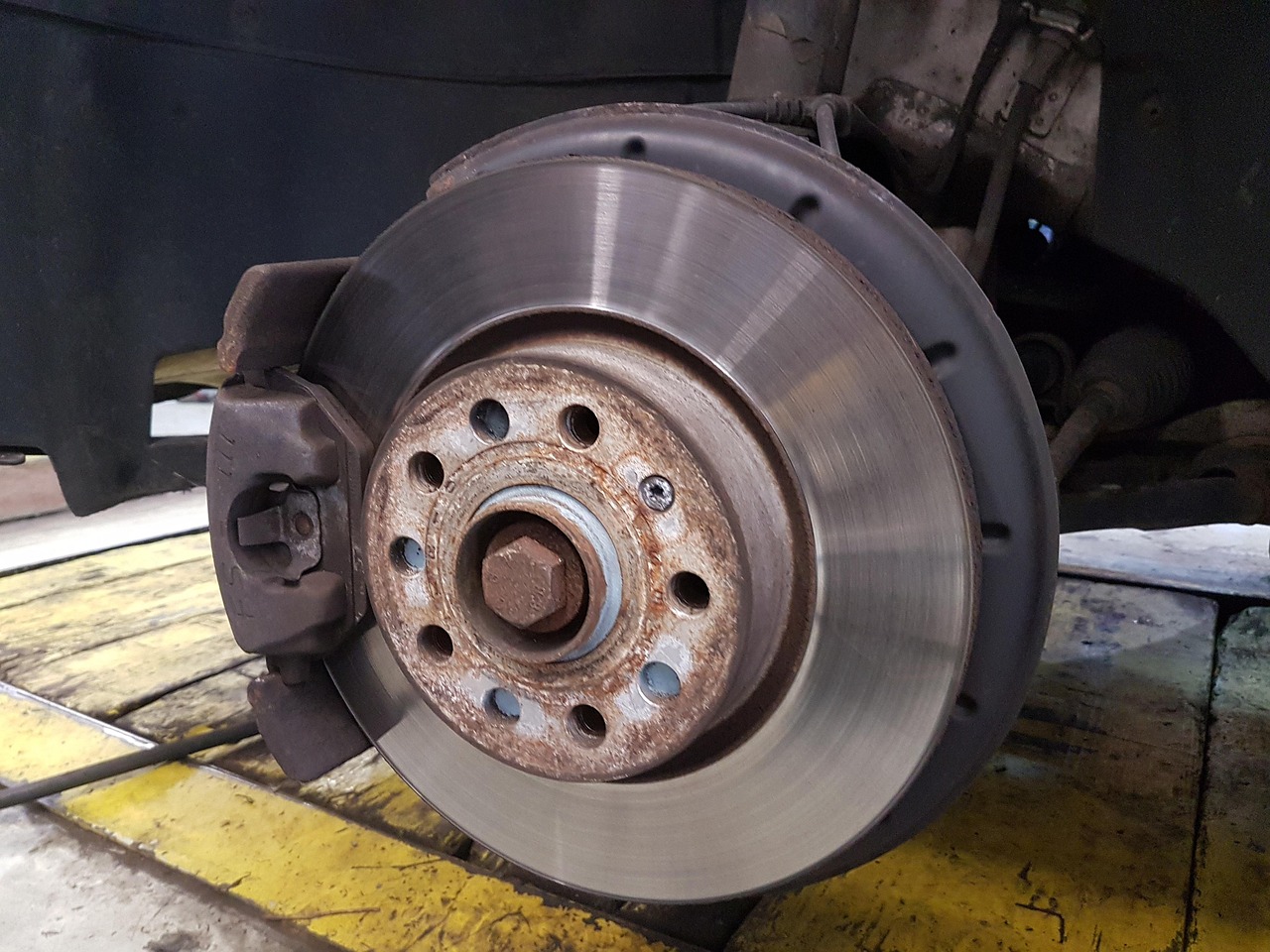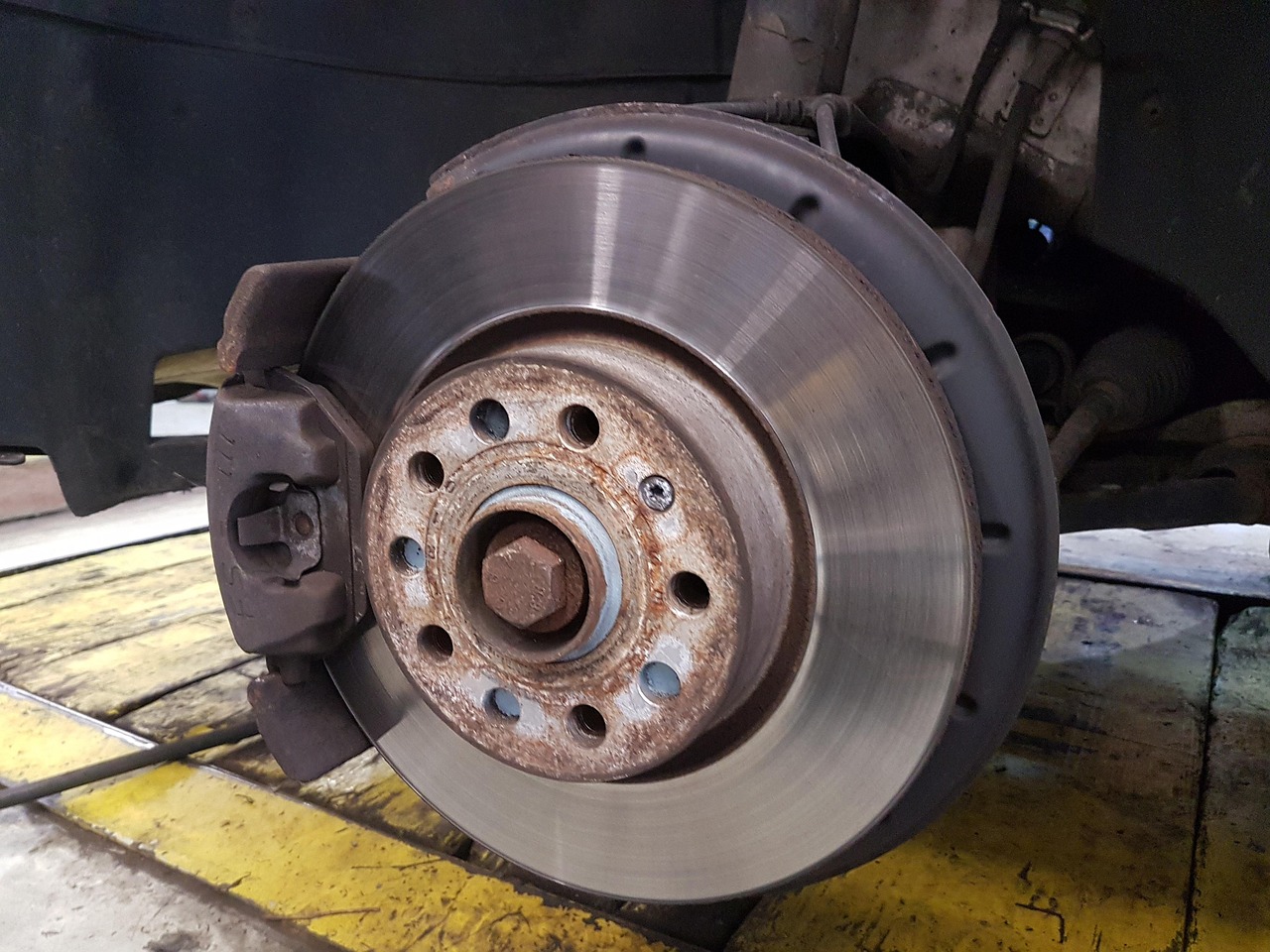
When the Explorer needs brakes, the pads are the easy part. The question that actually decides the job is what to do with the rotors. That's where a lot of confusion lives, and honestly where a lot of overcharging happens too. Resurface them, replace them, or leave them alone, the right call depends on the condition of the rotor in front of you, not a blanket rule.
Pads Come First
Brake pads have a friction layer that wears down over thousands of stops. When it gets thin, the Explorer warns you with a squeal from the wear tab built into the pad. When it's gone entirely, that squeal turns into a grind as the steel backing plate meets the rotor. On a heavy three-row SUV like this, the front pads take the brunt and wear fastest. Replacing pads is the straightforward half of the job. What's underneath them is what sets the scope of the work.
Resurface Versus Replace
A brake rotor is a metal disc with a minimum thickness stamped right into it. Whether it can be resurfaced, which means machining a thin layer off to true up the surface, comes down to a handful of things:
- Enough thickness left to cut and still stay above the stamped minimum
- Grooving or scoring shallow enough to machine out completely
- No hard spots or heat cracks from a past overheating episode
- No warping worse than a light cut can true up
- Even wear across the face, not a deep lip worn into one edge
If the rotor still has the material and the surface is only lightly worn, resurfacing can give you a smooth pedal again. If it's already thin, cracked, or deeply grooved, cutting it just leaves a weaker rotor that sheds heat poorly and warps again quickly.
Why It Plays Out This Way on the Explorer
Modern rotors run thinner than the ones from years ago, so there's often not a lot of material to work with in the first place. On the Explorer, a rotor that's been driven on past worn-out pads usually can't be saved, because the backing plate has already cut grooves too deep to machine out. That's one more reason catching the pads early pays off. Resurfacing a healthy rotor makes sense. Resurfacing a rotor that's already done is putting effort into a part that needs replacing anyway.
There's a safety angle too. A rotor cut too thin can't absorb heat the way it should, and on a heavy SUV, that fades your brakes on a long downhill or a hard stop. That's why the minimum-thickness spec exists, and why a good shop won't machine a rotor past it just to save you a little today.
Get a Straight Answer on Your Rotors
The rotors decide the job, so an honest measurement is what matters. Bring your Explorer to Driven Auto Care of Campbell and we'll measure them and tell you whether to resurface or replace. Call to book a brake inspection.