BMW went a different route than most on brake wear, and it helps to know that going in. Instead of a metal tab that squeals when the pads get thin, the 3 Series runs an electronic wear sensor that lights a message on the dash. That's the primary warning on these cars. A lot of owners assume the old squeal will save them, and on a BMW it usually won't, because the car is built to tell you on the screen instead.
What the Sensor Actually Does
The wear sensor is a small circuit built into a brake pad, usually one front and one rear. As the pad wears down, the rotor eventually reaches the sensor wire and completes or breaks the circuit, which triggers the brake wear message on the cluster. When that message shows up, the pads are genuinely low, not a maybe and not a suggestion. The sensor is a one-time part. By the time it triggers, it has usually been ground into, so it gets replaced along with the pads every time.
The Signs Beyond the Light
The dash message is the main event, but it's not the only tell, and the car will give you more if you're paying attention:
- A grind or scrape, which means the pads went past the sensor and metal is riding on the rotor
- A pulse through the pedal or a shimmy in the wheel, usually rotor thickness variation from heat
- Brake dust piling up heavier on one wheel, a sign of uneven wear or a sticking caliper
- A soft or longer pedal, which points at the hydraulic side rather than the pads
- Longer stopping distances than the car used to need
Why the Rotors Come Into It
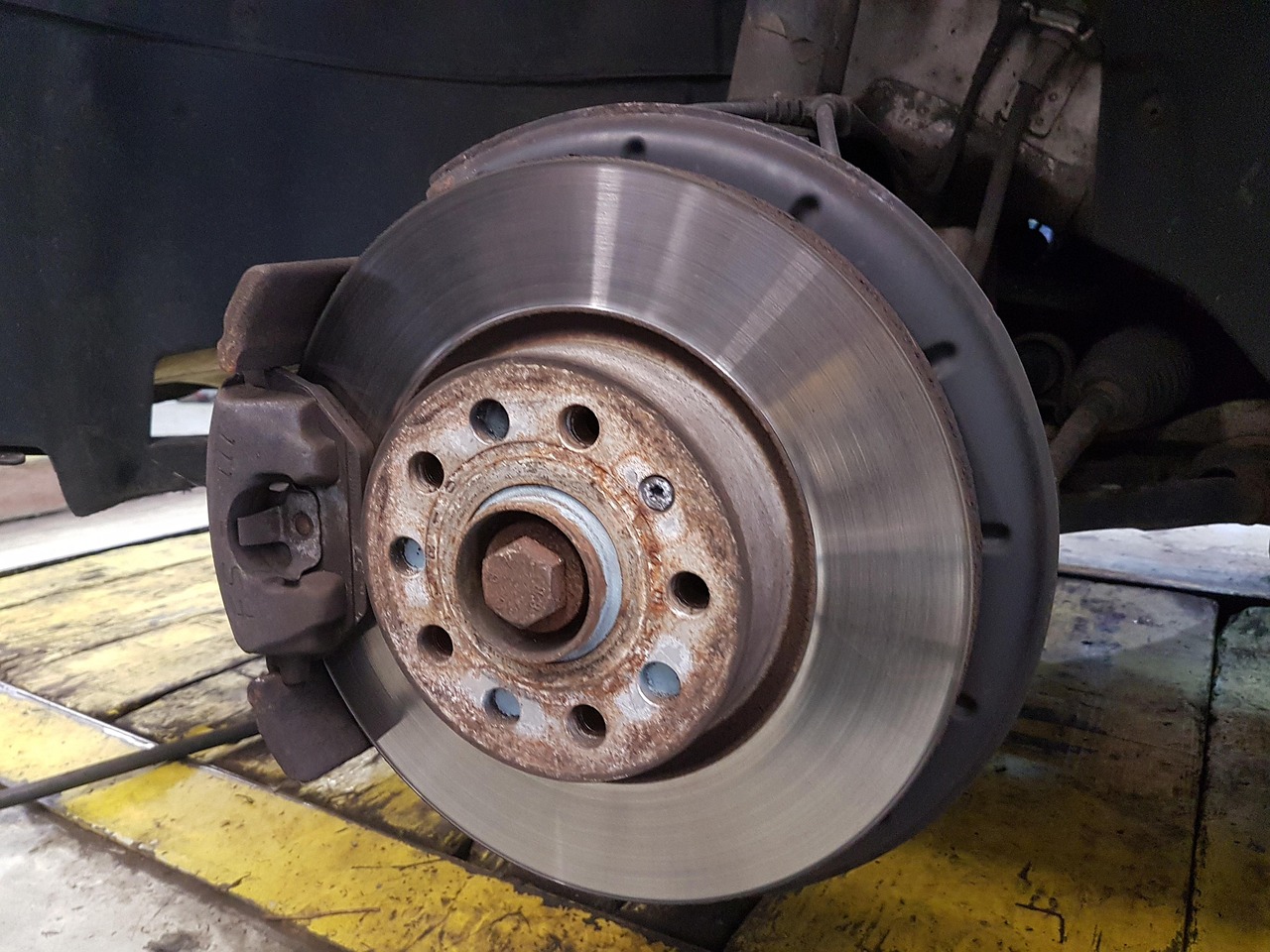
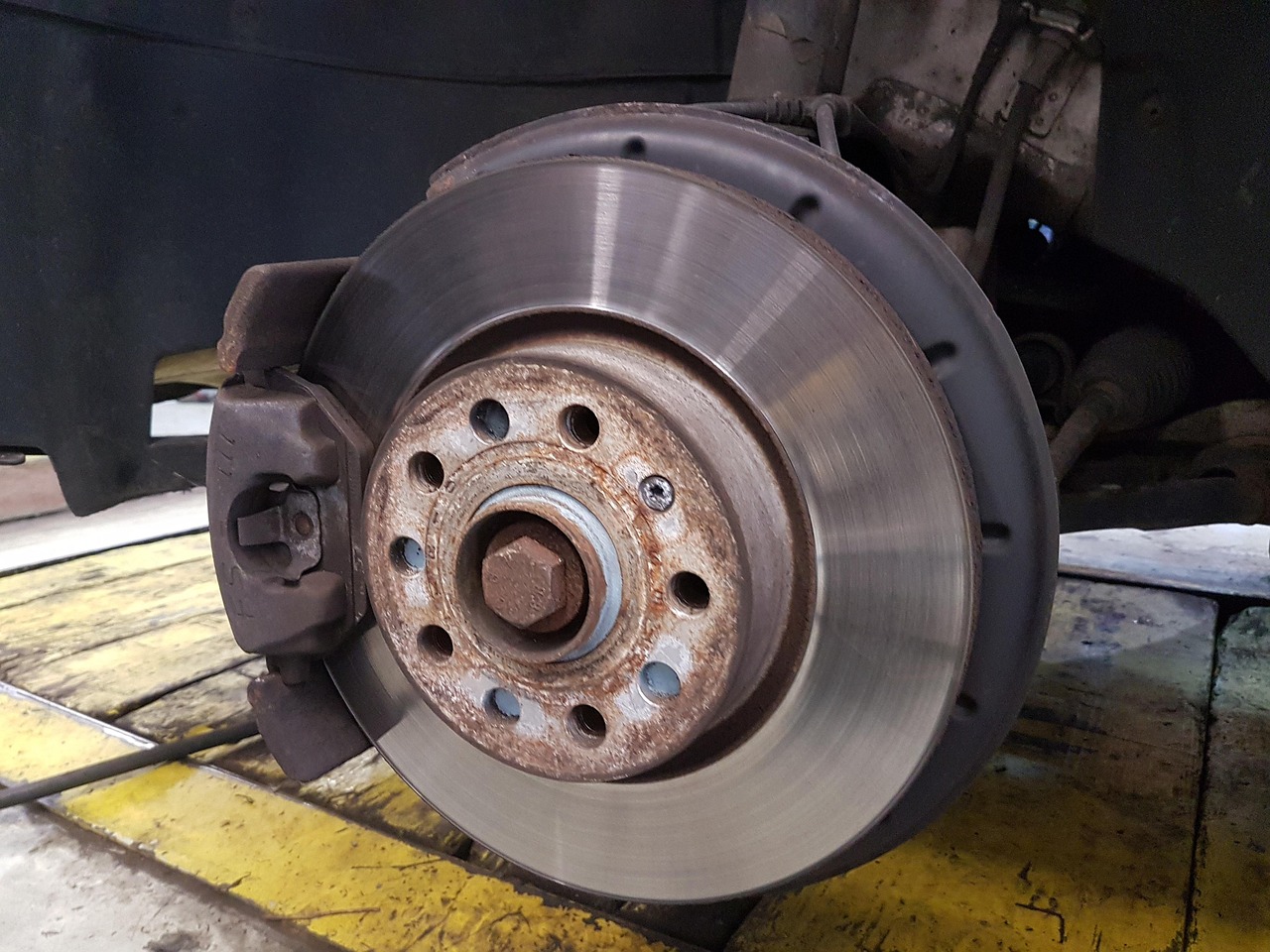
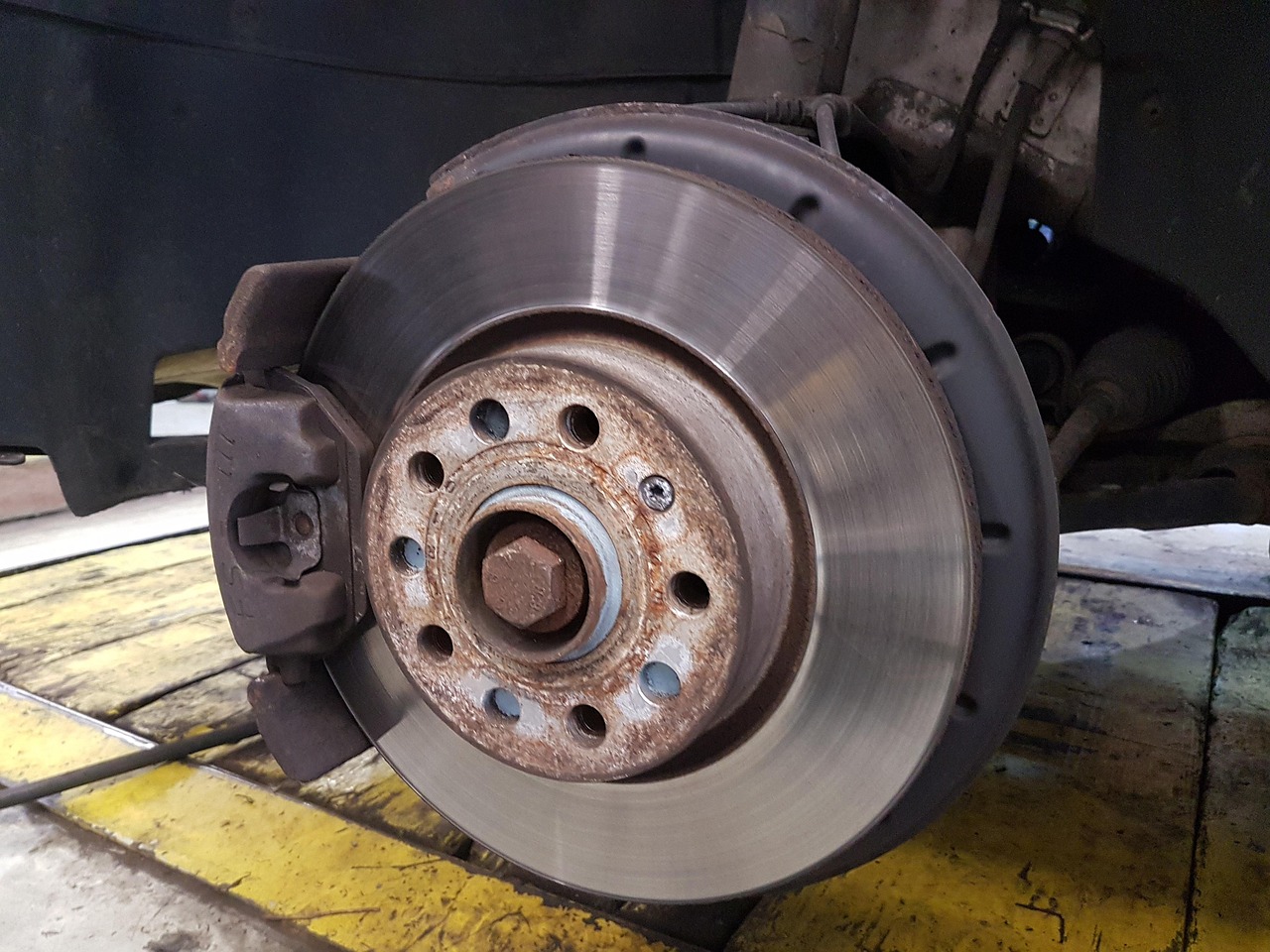
BMW rotors run relatively thin from the factory and are generally meant to be replaced with the pads rather than resurfaced. Drive past the wear sensor and the pad backing plate scores the rotor, which drags a rotor into a job that could have been pads alone. Catching it at the warning keeps the repair to pads, a fresh sensor, and a fluid check. Ignoring it turns a routine service into pads and rotors, and sometimes a caliper on top if one has been dragging.
Brake fluid is part of the picture too. It absorbs moisture over the years, which lowers its boiling point and softens the pedal. A brake service is the natural time to check the fluid's condition, and on a car that brakes as hard as a 3 Series, fresh fluid is worth staying on top of.
How We Handle It
When a 3 Series comes in for brakes, we pull all four wheels and measure pad thickness directly rather than guessing from the light. We check rotor thickness against the minimum spec and look for runout, scoring, and heat damage. We inspect the calipers and guide pins to make sure everything slides freely, since a stuck caliper wears a pad fast and unevenly. After the new pads and sensor go in, we reset the wear indicator so the system reads right.
Bring your 3 Series to Driven Auto Care of Campbell and we'll measure the pads and rotors, check the fluid, and tell you exactly where they stand. Call to book a brake inspection.