 Mercedes-Benz air suspension is built for comfort, stability, and the smooth, luxurious feel drivers expect. When it starts acting up, the change is usually obvious. The vehicle may sit low on one corner, ride rough over bumps, take too long to rise, or show a suspension warning message. At Driven Auto Care of Campbell, CA, we inspect those symptoms early so one failing part does not strain the rest of the system.
Driven Auto Care’s Mercedes-Benz page lists air-suspension concerns on the E-Class, air-suspension issues on the GLE, and air-suspension failures on the S-Class. The same page explains Mercedes-Benz vehicles need expert service when ride-quality issues, warning lights, leaks, or drivability changes appear, because minor problems may escalate quickly without accurate diagnosis.
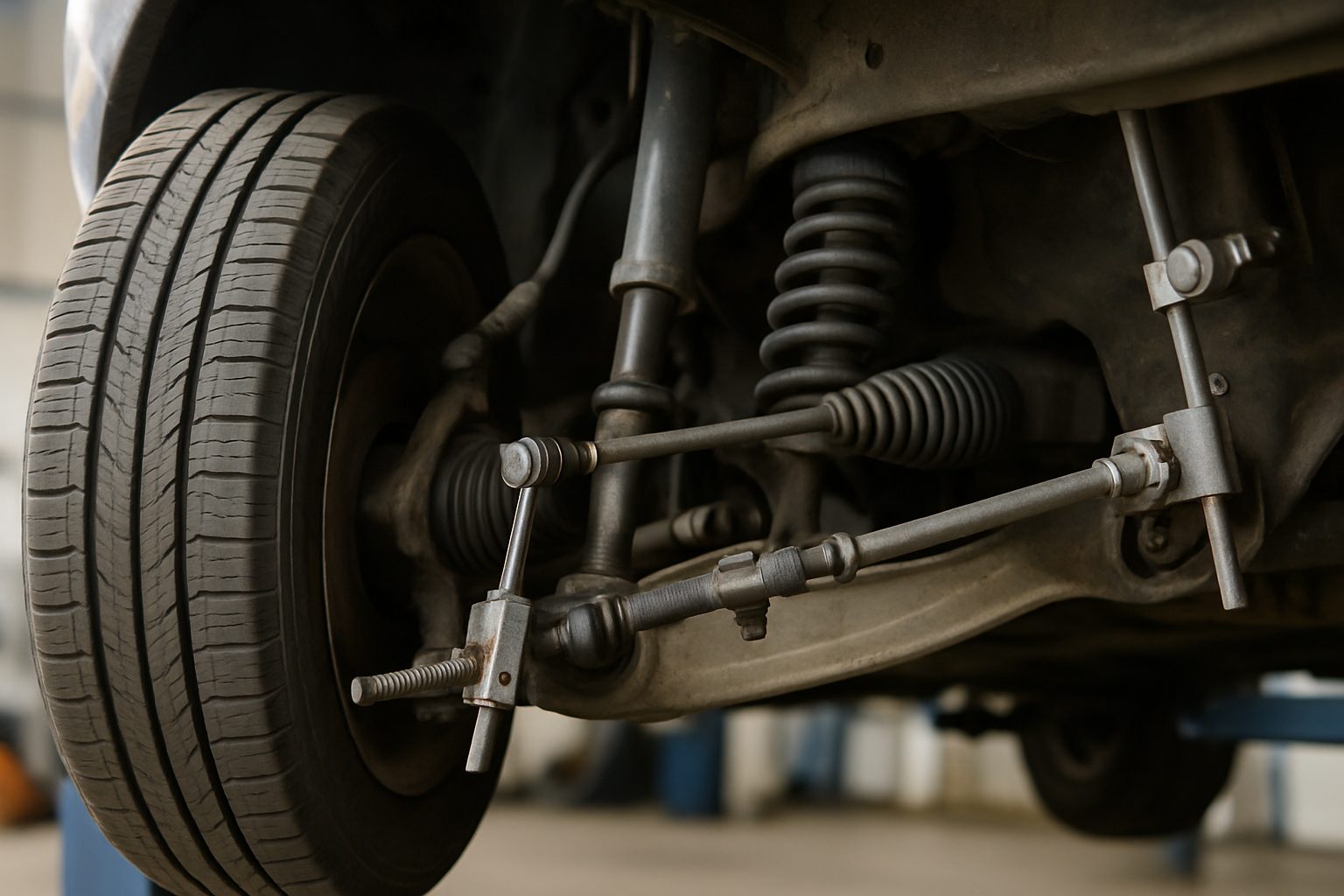
Air suspension works differently from a conventional shock-and-spring setup. Mercedes AIRMATIC systems use air springs, struts, ride-height sensors, a compressor, valve blocks, reservoirs, and control modules to adjust vehicle height and damping. FCP Euro explains that the valve block distributes air, the level sensors report axle height, and the air strut combines a shock absorber with electronically controlled damping and an air spring assembly.
That complexity is why guessing gets expensive. A sagging rear corner may point to a leaking air spring. Slow rising may point to a weak compressor or an air leak. A hissing sound near a strut may suggest a front air strut failure. FCP Euro notes rear air springs are among the most common AIRMATIC failures, while weak compressors may prevent the vehicle from rising or cause slow lift times.
Drivers should also pay attention to the ride feel. A Mercedes with air suspension should not bounce, wallow, lean strangely, or feel harsh over normal roads. Mercedes-Benz of Daytona Beach lists warning messages, a low corner after parking, compressor noise, a rough or bouncy ride, and an extended rise time as common signs of AIRMATIC trouble. Those symptoms deserve inspection before the compressor runs too often and burns itself out trying to compensate for a leak.
At Driven Auto Care of Campbell, CA, we start with diagnosis, not parts swapping. We check ride height, look for leaks, inspect air springs and struts, listen for compressor behavior, review warning messages, and evaluate related suspension components. We also use digital inspections and clear recommendations, so you know what failed and what should happen next. Driven’s Campbell shop offers free inspections and diagnostics, loaner cars and rideshare, text and email estimates, and a 3-year, 36,000-mile warranty.
This matters because air-suspension problems often trigger a chain reaction. One leaking air spring may overwork the compressor. A weak compressor may leave the vehicle low on fuel. Faulty sensors may send bad ride-height information. Valve block issues may prevent proper pressure distribution. If the system keeps trying to correct itself, the repair may grow from one issue into several.
Campbell Mercedes owners should schedule service if the vehicle sags overnight, rises slowly, rides rough, shows a suspension warning, or makes unusual compressor or hissing noises. At Driven Auto Care of Campbell, CA, we will carefully inspect the system, explain the source, and help restore the comfort, control, and confidence your Mercedes was built to deliver.
Mercedes-Benz air suspension is built for comfort, stability, and the smooth, luxurious feel drivers expect. When it starts acting up, the change is usually obvious. The vehicle may sit low on one corner, ride rough over bumps, take too long to rise, or show a suspension warning message. At Driven Auto Care of Campbell, CA, we inspect those symptoms early so one failing part does not strain the rest of the system.
Driven Auto Care’s Mercedes-Benz page lists air-suspension concerns on the E-Class, air-suspension issues on the GLE, and air-suspension failures on the S-Class. The same page explains Mercedes-Benz vehicles need expert service when ride-quality issues, warning lights, leaks, or drivability changes appear, because minor problems may escalate quickly without accurate diagnosis.
Air suspension works differently from a conventional shock-and-spring setup. Mercedes AIRMATIC systems use air springs, struts, ride-height sensors, a compressor, valve blocks, reservoirs, and control modules to adjust vehicle height and damping. FCP Euro explains that the valve block distributes air, the level sensors report axle height, and the air strut combines a shock absorber with electronically controlled damping and an air spring assembly.
That complexity is why guessing gets expensive. A sagging rear corner may point to a leaking air spring. Slow rising may point to a weak compressor or an air leak. A hissing sound near a strut may suggest a front air strut failure. FCP Euro notes rear air springs are among the most common AIRMATIC failures, while weak compressors may prevent the vehicle from rising or cause slow lift times.
Drivers should also pay attention to the ride feel. A Mercedes with air suspension should not bounce, wallow, lean strangely, or feel harsh over normal roads. Mercedes-Benz of Daytona Beach lists warning messages, a low corner after parking, compressor noise, a rough or bouncy ride, and an extended rise time as common signs of AIRMATIC trouble. Those symptoms deserve inspection before the compressor runs too often and burns itself out trying to compensate for a leak.
At Driven Auto Care of Campbell, CA, we start with diagnosis, not parts swapping. We check ride height, look for leaks, inspect air springs and struts, listen for compressor behavior, review warning messages, and evaluate related suspension components. We also use digital inspections and clear recommendations, so you know what failed and what should happen next. Driven’s Campbell shop offers free inspections and diagnostics, loaner cars and rideshare, text and email estimates, and a 3-year, 36,000-mile warranty.
This matters because air-suspension problems often trigger a chain reaction. One leaking air spring may overwork the compressor. A weak compressor may leave the vehicle low on fuel. Faulty sensors may send bad ride-height information. Valve block issues may prevent proper pressure distribution. If the system keeps trying to correct itself, the repair may grow from one issue into several.
Campbell Mercedes owners should schedule service if the vehicle sags overnight, rises slowly, rides rough, shows a suspension warning, or makes unusual compressor or hissing noises. At Driven Auto Care of Campbell, CA, we will carefully inspect the system, explain the source, and help restore the comfort, control, and confidence your Mercedes was built to deliver.
Campbell, CA – Air Suspension Issues on Your Mercedes? Visit an Auto Repair Shop
SYNOPSIS: Mercedes air suspension issues may cause sagging, rough rides, warning messages, or compressor noise. Learn why Campbell drivers should schedule auto repair early before more damage is done.
Mercedes Air Suspension Needs Accurate Diagnosis
BY: Arun Coumar, Driven Auto Care of Campbell, CA
Mercedes-Benz air suspension is built for comfort, stability, and the smooth, luxurious feel drivers expect. When it starts acting up, the change is usually obvious. The vehicle may sit low on one corner, ride rough over bumps, take too long to rise, or show a suspension warning message. At Driven Auto Care of Campbell, CA, we inspect those symptoms early so one failing part does not strain the rest of the system.
Driven Auto Care’s Mercedes-Benz page lists air-suspension concerns on the E-Class, air-suspension issues on the GLE, and air-suspension failures on the S-Class. The same page explains Mercedes-Benz vehicles need expert service when ride-quality issues, warning lights, leaks, or drivability changes appear, because minor problems may escalate quickly without accurate diagnosis.
Air suspension works differently from a conventional shock-and-spring setup. Mercedes AIRMATIC systems use air springs, struts, ride-height sensors, a compressor, valve blocks, reservoirs, and control modules to adjust vehicle height and damping. FCP Euro explains that the valve block distributes air, the level sensors report axle height, and the air strut combines a shock absorber with electronically controlled damping and an air spring assembly.
That complexity is why guessing gets expensive. A sagging rear corner may point to a leaking air spring. Slow rising may point to a weak compressor or an air leak. A hissing sound near a strut may suggest a front air strut failure. FCP Euro notes rear air springs are among the most common AIRMATIC failures, while weak compressors may prevent the vehicle from rising or cause slow lift times.
Drivers should also pay attention to the ride feel. A Mercedes with air suspension should not bounce, wallow, lean strangely, or feel harsh over normal roads. Mercedes-Benz of Daytona Beach lists warning messages, a low corner after parking, compressor noise, a rough or bouncy ride, and an extended rise time as common signs of AIRMATIC trouble. Those symptoms deserve inspection before the compressor runs too often and burns itself out trying to compensate for a leak.
At Driven Auto Care of Campbell, CA, we start with diagnosis, not parts swapping. We check ride height, look for leaks, inspect air springs and struts, listen for compressor behavior, review warning messages, and evaluate related suspension components. We also use digital inspections and clear recommendations, so you know what failed and what should happen next. Driven’s Campbell shop offers free inspections and diagnostics, loaner cars and rideshare, text and email estimates, and a 3-year, 36,000-mile warranty.
This matters because air-suspension problems often trigger a chain reaction. One leaking air spring may overwork the compressor. A weak compressor may leave the vehicle low on fuel. Faulty sensors may send bad ride-height information. Valve block issues may prevent proper pressure distribution. If the system keeps trying to correct itself, the repair may grow from one issue into several.
Campbell Mercedes owners should schedule service if the vehicle sags overnight, rises slowly, rides rough, shows a suspension warning, or makes unusual compressor or hissing noises. At Driven Auto Care of Campbell, CA, we will carefully inspect the system, explain the source, and help restore the comfort, control, and confidence your Mercedes was built to deliver.