 Honda Air Conditioning Problems Often Begin with Small Leaks
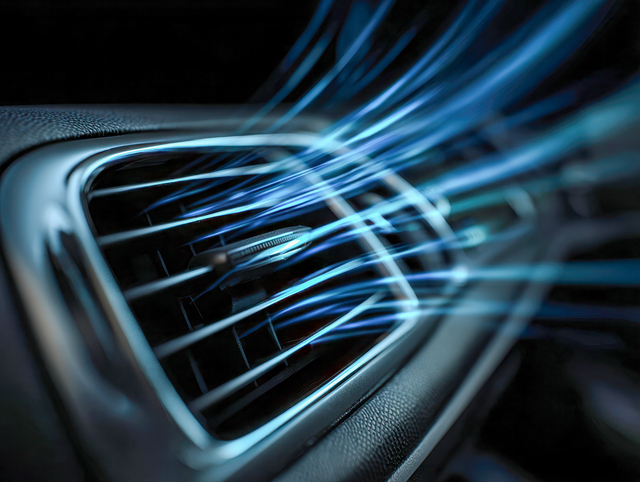
Honda vehicles are known for reliability and efficient engineering, but even well-built air conditioning systems can develop leaks as vehicles age. Many drivers first notice AC problems when the air coming from the vents no longer feels cold, especially during warm California afternoons.
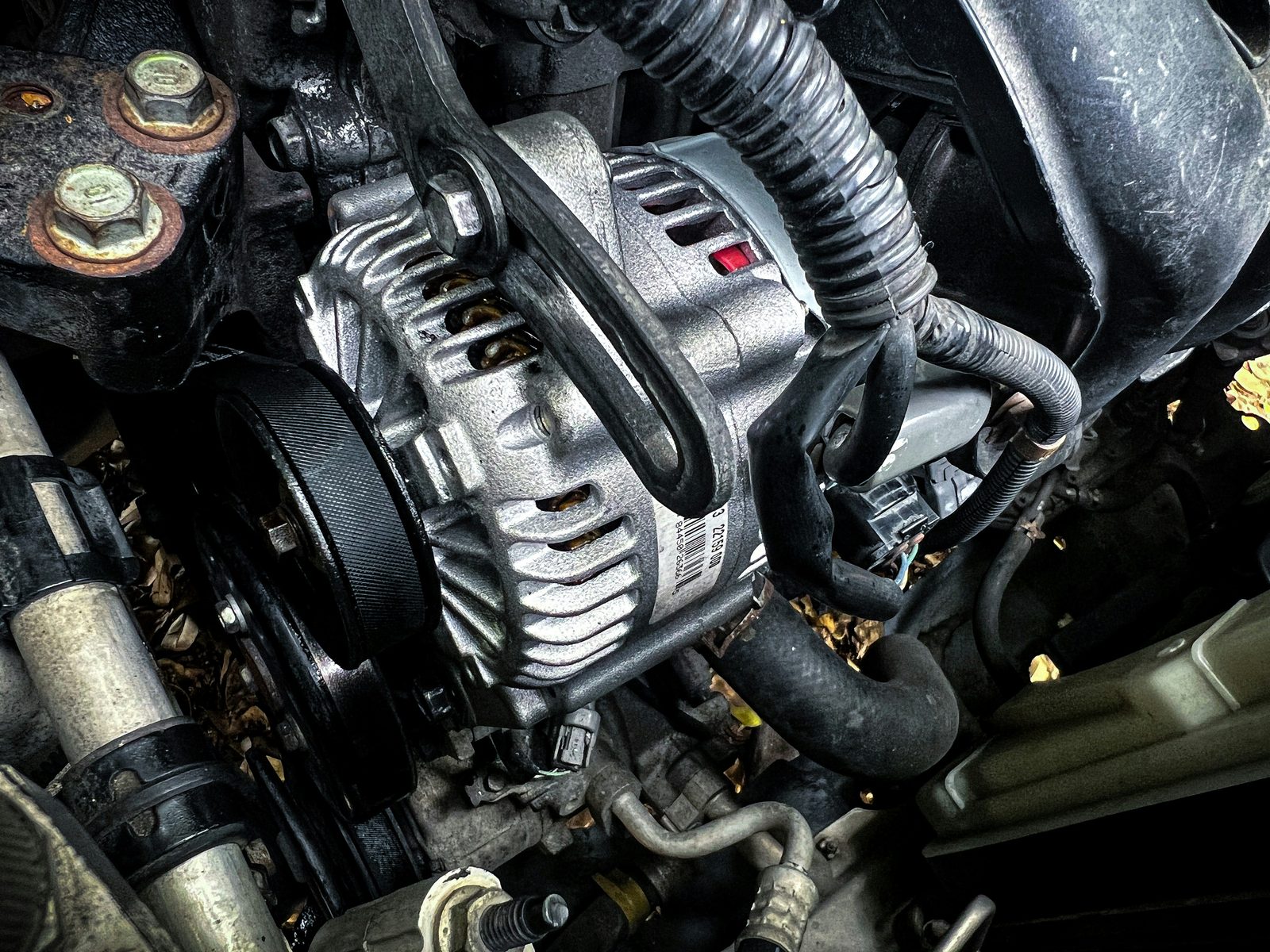
Automotive air conditioning systems rely on refrigerant to remove heat from the cabin. Refrigerant circulates through components such as the compressor, condenser, evaporator, and expansion valve. When a leak occurs anywhere in this closed system, refrigerant levels drop, and the system loses its ability to cool the air properly.
Drivers sometimes assume the AC needs a quick recharge. While refilling the refrigerant may temporarily restore cooling, it will not resolve the underlying issue if a leak persists. Professional diagnostics allow technicians to locate the exact source of refrigerant loss and perform proper repairs.
At Driven Auto Care in Campbell, CA, technicians regularly inspect AC systems for leaks, worn components, and compressor performance issues before they become expensive repairs.
Honda Models Where AC Leaks Appear Most Often
Certain Honda models frequently develop air conditioning issues as mileage increases. Regular inspections help detect leaks early and restore cooling performance before larger problems develop.
Honda Civic AC System Leak Concerns
The Honda Civic remains one of the most popular compact cars on the road. In higher-mileage Civics, AC leaks often develop in the condenser or evaporator components.
Drivers may notice weak airflow, warm air from the vents, or unusual noises when the AC system operates. Refrigerant leaks reduce cooling efficiency and place additional strain on the compressor. Early inspection helps restore cooling performance and prevent compressor damage.
Honda Accord Air Conditioning Problems
The Honda Accord is widely known for long-term reliability, but aging AC components may develop leaks over time. Rubber seals and hoses within the system may deteriorate after years of heat exposure.
When refrigerant escapes from the system, drivers may notice the cabin no longer cools effectively during hot weather. A professional inspection will identify leaking seals, worn hoses, or other damaged components within the system.
Honda CR-V Cooling System Performance Issues
The Honda CR-V is a popular SUV used for commuting, family transportation, and long-distance driving. Because air conditioning systems operate frequently in warm climates, certain components may wear out more quickly.
Leaks may develop in the condenser or refrigerant lines located near the front of the vehicle. Drivers may notice reduced cooling, unusual smells, or inconsistent airflow. Routine diagnostics help identify leaks before the compressor becomes damaged.
Honda Odyssey AC Leak Concerns
The Honda Odyssey often carries multiple passengers, which places additional demand on the air conditioning system during hot weather. When refrigerant levels drop due to leaks, the system struggles to cool the larger cabin effectively.
Drivers may notice longer cooling times or warm air coming from the vents. AC inspections allow technicians to detect leaks, restore refrigerant levels, and ensure proper system performance.
Why Ignoring AC Leaks Can Become Expensive
Air conditioning leaks rarely remain small. When refrigerant levels drop, the compressor must work harder to circulate refrigerant through the system. Over time, this added strain may cause compressor failure, one of the most expensive AC repairs.
Professional technicians use specialized diagnostic equipment to locate leaks and verify system pressure levels. Once the leak source is identified, technicians will repair or replace the affected components and properly recharge the system.
Repair costs vary depending on the location of the leak and the components involved. Fixing a hose or seal is usually more affordable than replacing major components such as compressors or condensers.
Professional Honda AC Diagnostics Near Saratoga
Drivers near Saratoga rely on experienced technicians to quickly diagnose and repair air conditioning problems. At Driven Auto Care of Campbell, CA, technicians inspect compressors, condensers, refrigerant lines, and seals to identify the source of AC leaks.
Prompt service helps restore cold air, protect expensive AC components, and ensure comfortable driving during California’s warm summer months. Drivers who notice warm air, reduced cooling, or unusual AC performance should schedule an inspection before the problem worsens.
Honda Air Conditioning Problems Often Begin with Small Leaks
Honda vehicles are known for reliability and efficient engineering, but even well-built air conditioning systems can develop leaks as vehicles age. Many drivers first notice AC problems when the air coming from the vents no longer feels cold, especially during warm California afternoons.
Automotive air conditioning systems rely on refrigerant to remove heat from the cabin. Refrigerant circulates through components such as the compressor, condenser, evaporator, and expansion valve. When a leak occurs anywhere in this closed system, refrigerant levels drop, and the system loses its ability to cool the air properly.
Drivers sometimes assume the AC needs a quick recharge. While refilling the refrigerant may temporarily restore cooling, it will not resolve the underlying issue if a leak persists. Professional diagnostics allow technicians to locate the exact source of refrigerant loss and perform proper repairs.
At Driven Auto Care in Campbell, CA, technicians regularly inspect AC systems for leaks, worn components, and compressor performance issues before they become expensive repairs.
Honda Models Where AC Leaks Appear Most Often
Certain Honda models frequently develop air conditioning issues as mileage increases. Regular inspections help detect leaks early and restore cooling performance before larger problems develop.
Honda Civic AC System Leak Concerns
The Honda Civic remains one of the most popular compact cars on the road. In higher-mileage Civics, AC leaks often develop in the condenser or evaporator components.
Drivers may notice weak airflow, warm air from the vents, or unusual noises when the AC system operates. Refrigerant leaks reduce cooling efficiency and place additional strain on the compressor. Early inspection helps restore cooling performance and prevent compressor damage.
Honda Accord Air Conditioning Problems
The Honda Accord is widely known for long-term reliability, but aging AC components may develop leaks over time. Rubber seals and hoses within the system may deteriorate after years of heat exposure.
When refrigerant escapes from the system, drivers may notice the cabin no longer cools effectively during hot weather. A professional inspection will identify leaking seals, worn hoses, or other damaged components within the system.
Honda CR-V Cooling System Performance Issues
The Honda CR-V is a popular SUV used for commuting, family transportation, and long-distance driving. Because air conditioning systems operate frequently in warm climates, certain components may wear out more quickly.
Leaks may develop in the condenser or refrigerant lines located near the front of the vehicle. Drivers may notice reduced cooling, unusual smells, or inconsistent airflow. Routine diagnostics help identify leaks before the compressor becomes damaged.
Honda Odyssey AC Leak Concerns
The Honda Odyssey often carries multiple passengers, which places additional demand on the air conditioning system during hot weather. When refrigerant levels drop due to leaks, the system struggles to cool the larger cabin effectively.
Drivers may notice longer cooling times or warm air coming from the vents. AC inspections allow technicians to detect leaks, restore refrigerant levels, and ensure proper system performance.
Why Ignoring AC Leaks Can Become Expensive
Air conditioning leaks rarely remain small. When refrigerant levels drop, the compressor must work harder to circulate refrigerant through the system. Over time, this added strain may cause compressor failure, one of the most expensive AC repairs.
Professional technicians use specialized diagnostic equipment to locate leaks and verify system pressure levels. Once the leak source is identified, technicians will repair or replace the affected components and properly recharge the system.
Repair costs vary depending on the location of the leak and the components involved. Fixing a hose or seal is usually more affordable than replacing major components such as compressors or condensers.
Professional Honda AC Diagnostics Near Saratoga
Drivers near Saratoga rely on experienced technicians to quickly diagnose and repair air conditioning problems. At Driven Auto Care of Campbell, CA, technicians inspect compressors, condensers, refrigerant lines, and seals to identify the source of AC leaks.
Prompt service helps restore cold air, protect expensive AC components, and ensure comfortable driving during California’s warm summer months. Drivers who notice warm air, reduced cooling, or unusual AC performance should schedule an inspection before the problem worsens.
Saratoga, CA–Honda AC Not Cold? Auto Mechanic Explains Leak Causes and Fix Costs
SYNOPSIS: Honda drivers in Saratoga may lose their AC cooling due to refrigerant leaks, worn seals, or failing parts. Early diagnostics restore cold air and protect the compressor.
Common Honda AC Leak Problems Drivers Face
BY: Arun Coumar, Driven Auto Care of Campbell, CA
Honda Air Conditioning Problems Often Begin with Small Leaks
Honda vehicles are known for reliability and efficient engineering, but even well-built air conditioning systems can develop leaks as vehicles age. Many drivers first notice AC problems when the air coming from the vents no longer feels cold, especially during warm California afternoons.
Automotive air conditioning systems rely on refrigerant to remove heat from the cabin. Refrigerant circulates through components such as the compressor, condenser, evaporator, and expansion valve. When a leak occurs anywhere in this closed system, refrigerant levels drop, and the system loses its ability to cool the air properly.
Drivers sometimes assume the AC needs a quick recharge. While refilling the refrigerant may temporarily restore cooling, it will not resolve the underlying issue if a leak persists. Professional diagnostics allow technicians to locate the exact source of refrigerant loss and perform proper repairs.
At Driven Auto Care in Campbell, CA, technicians regularly inspect AC systems for leaks, worn components, and compressor performance issues before they become expensive repairs.
Honda Models Where AC Leaks Appear Most Often
Certain Honda models frequently develop air conditioning issues as mileage increases. Regular inspections help detect leaks early and restore cooling performance before larger problems develop.
Honda Civic AC System Leak Concerns
The Honda Civic remains one of the most popular compact cars on the road. In higher-mileage Civics, AC leaks often develop in the condenser or evaporator components.
Drivers may notice weak airflow, warm air from the vents, or unusual noises when the AC system operates. Refrigerant leaks reduce cooling efficiency and place additional strain on the compressor. Early inspection helps restore cooling performance and prevent compressor damage.
Honda Accord Air Conditioning Problems
The Honda Accord is widely known for long-term reliability, but aging AC components may develop leaks over time. Rubber seals and hoses within the system may deteriorate after years of heat exposure.
When refrigerant escapes from the system, drivers may notice the cabin no longer cools effectively during hot weather. A professional inspection will identify leaking seals, worn hoses, or other damaged components within the system.
Honda CR-V Cooling System Performance Issues
The Honda CR-V is a popular SUV used for commuting, family transportation, and long-distance driving. Because air conditioning systems operate frequently in warm climates, certain components may wear out more quickly.
Leaks may develop in the condenser or refrigerant lines located near the front of the vehicle. Drivers may notice reduced cooling, unusual smells, or inconsistent airflow. Routine diagnostics help identify leaks before the compressor becomes damaged.
Honda Odyssey AC Leak Concerns
The Honda Odyssey often carries multiple passengers, which places additional demand on the air conditioning system during hot weather. When refrigerant levels drop due to leaks, the system struggles to cool the larger cabin effectively.
Drivers may notice longer cooling times or warm air coming from the vents. AC inspections allow technicians to detect leaks, restore refrigerant levels, and ensure proper system performance.
Why Ignoring AC Leaks Can Become Expensive
Air conditioning leaks rarely remain small. When refrigerant levels drop, the compressor must work harder to circulate refrigerant through the system. Over time, this added strain may cause compressor failure, one of the most expensive AC repairs.
Professional technicians use specialized diagnostic equipment to locate leaks and verify system pressure levels. Once the leak source is identified, technicians will repair or replace the affected components and properly recharge the system.
Repair costs vary depending on the location of the leak and the components involved. Fixing a hose or seal is usually more affordable than replacing major components such as compressors or condensers.
Professional Honda AC Diagnostics Near Saratoga
Drivers near Saratoga rely on experienced technicians to quickly diagnose and repair air conditioning problems. At Driven Auto Care of Campbell, CA, technicians inspect compressors, condensers, refrigerant lines, and seals to identify the source of AC leaks.
Prompt service helps restore cold air, protect expensive AC components, and ensure comfortable driving during California’s warm summer months. Drivers who notice warm air, reduced cooling, or unusual AC performance should schedule an inspection before the problem worsens.