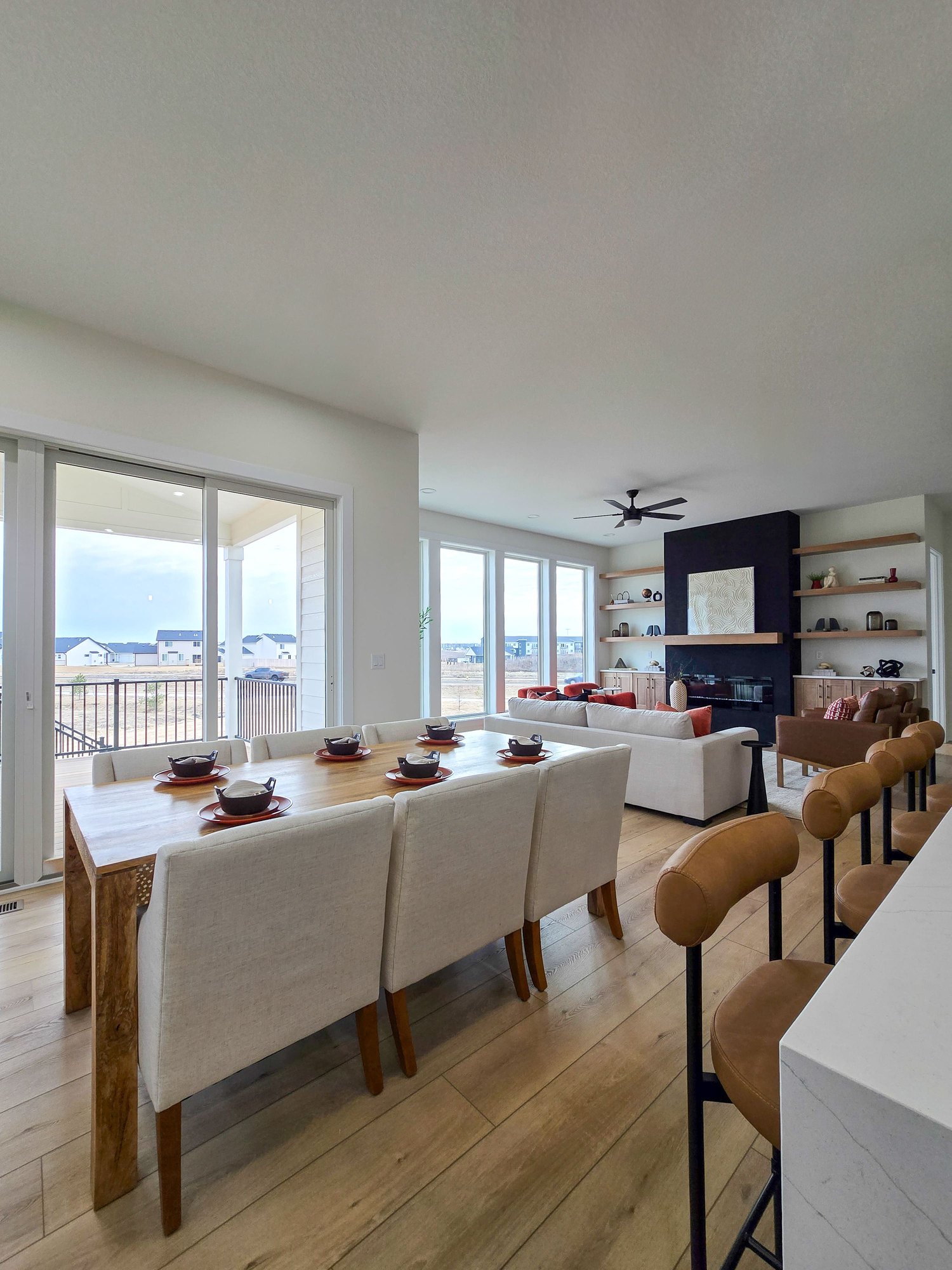
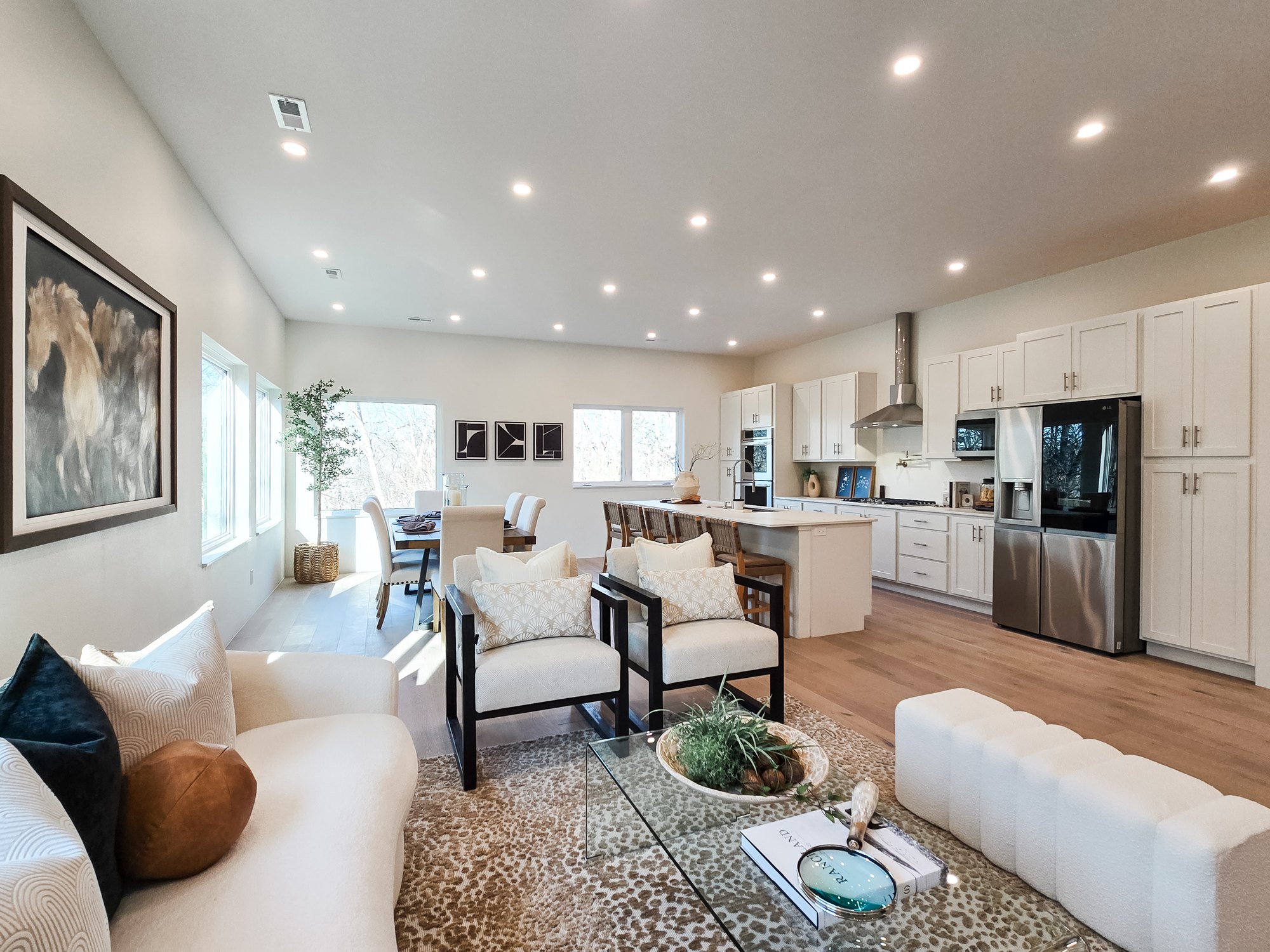
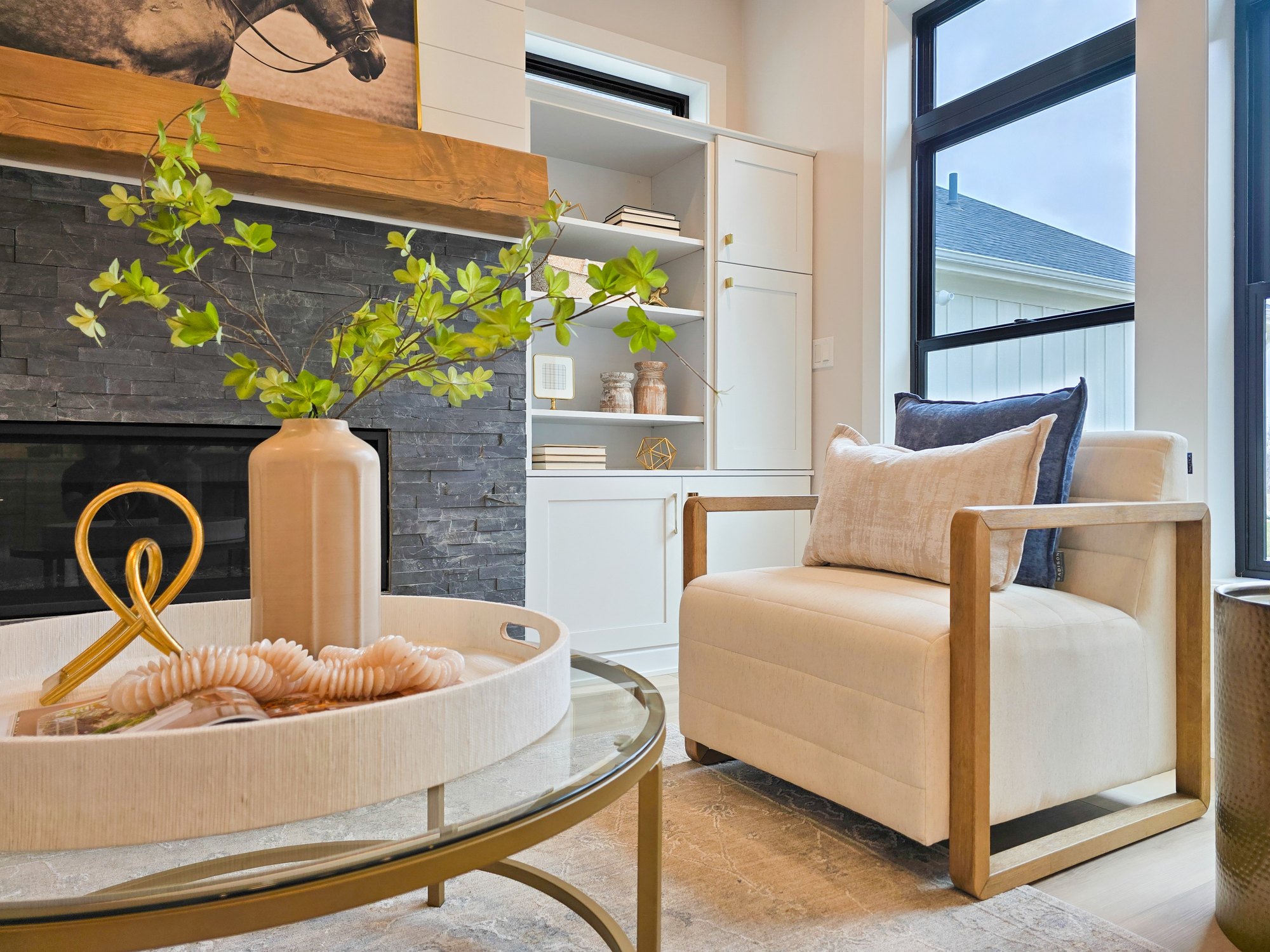
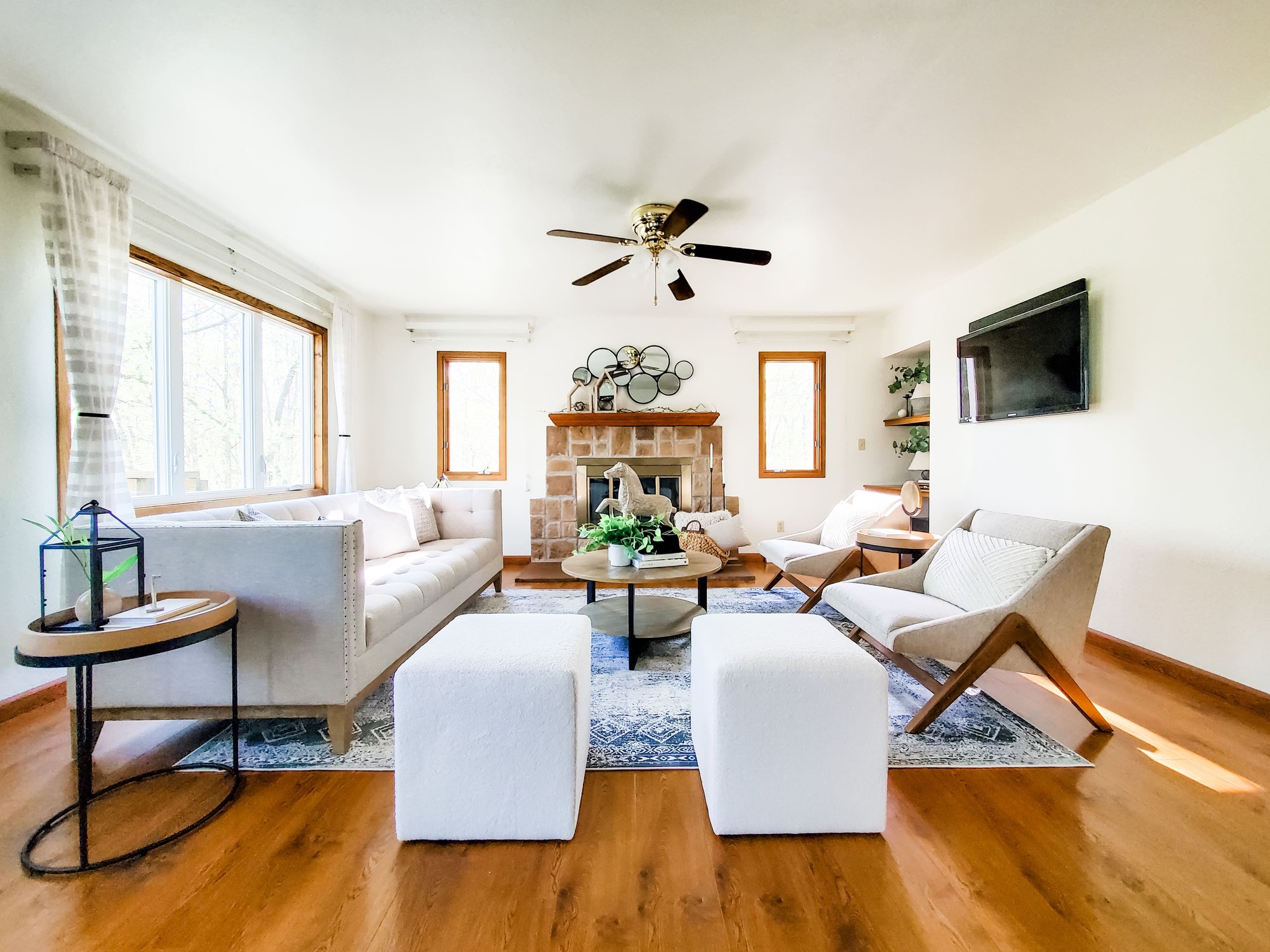
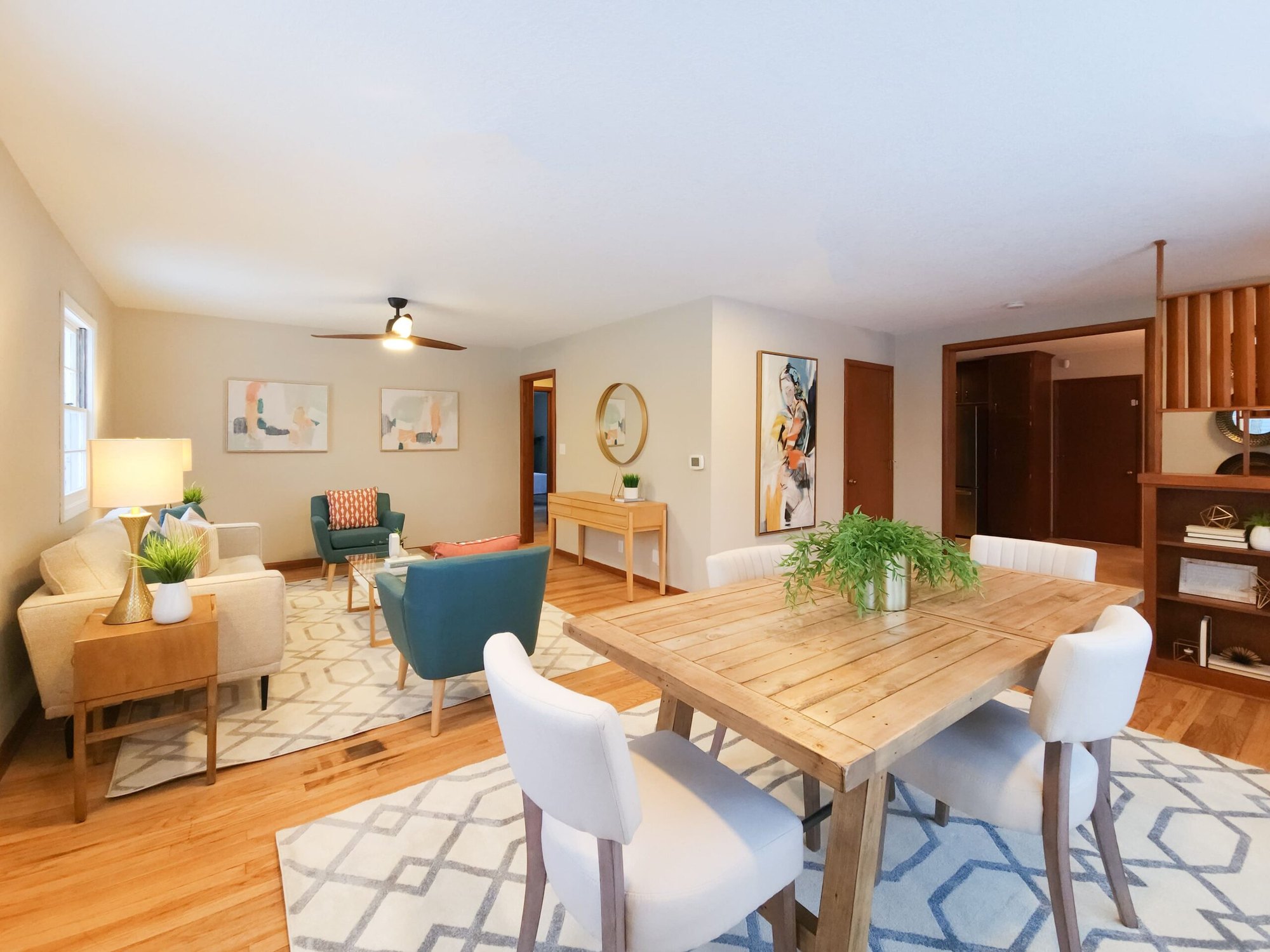
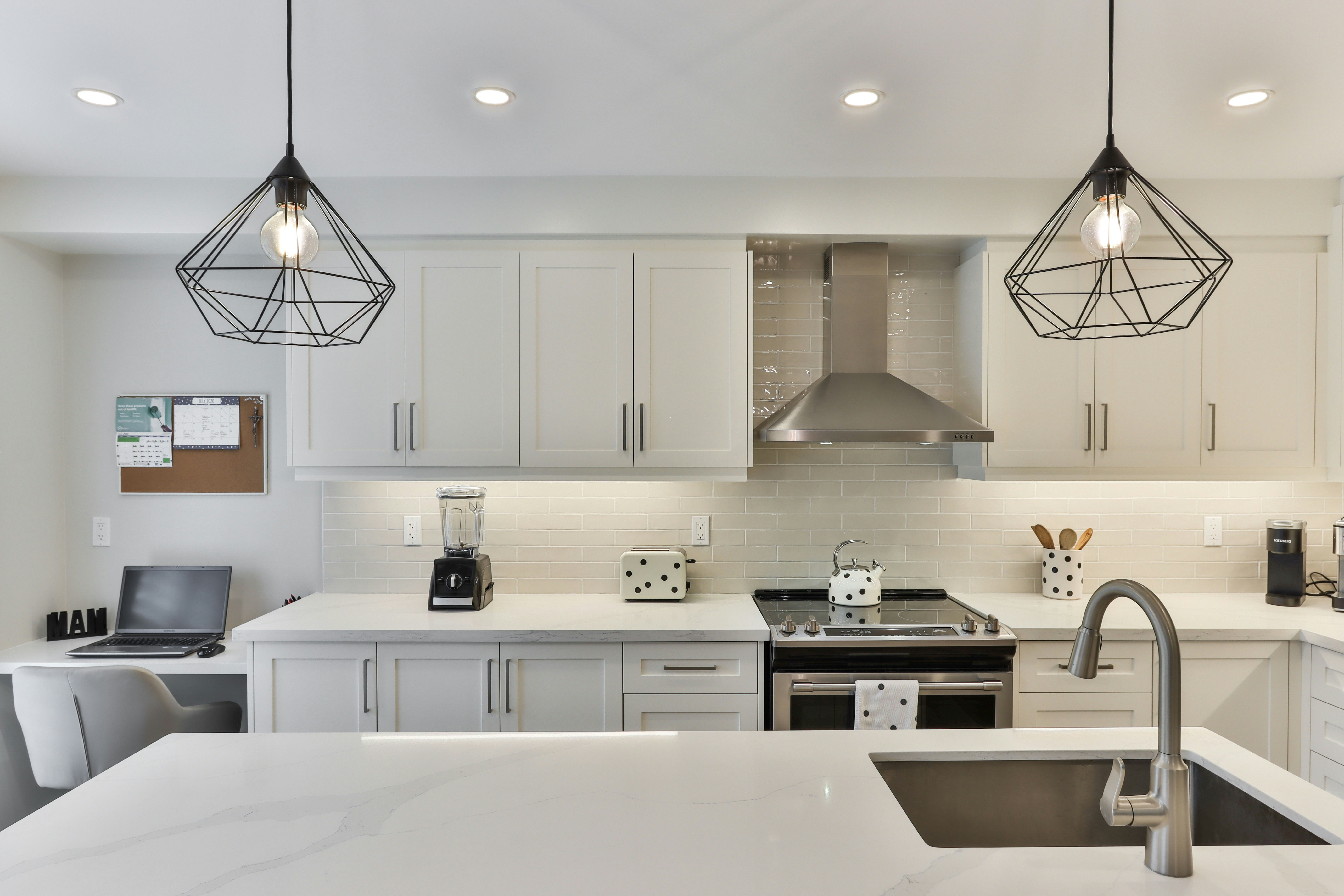
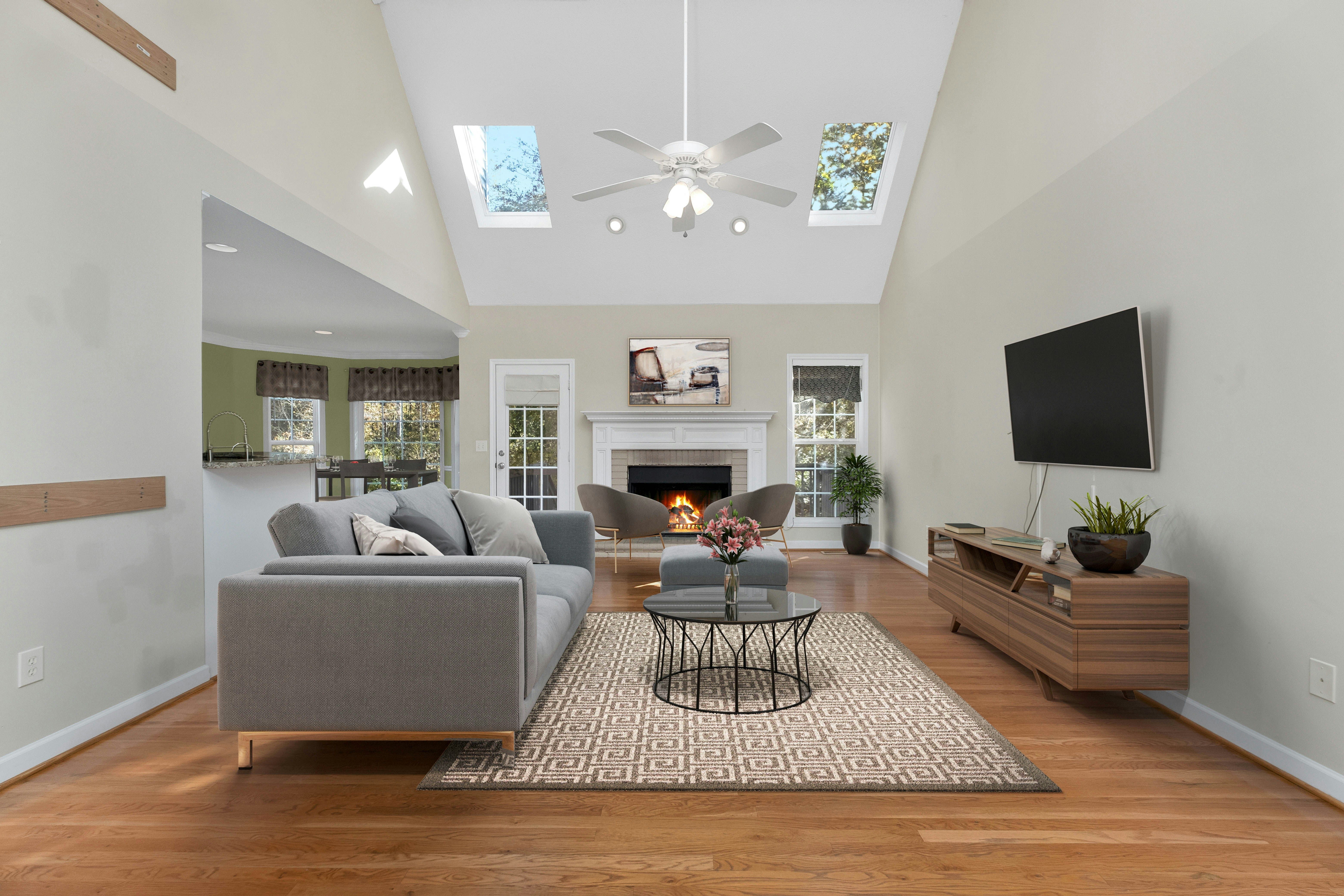
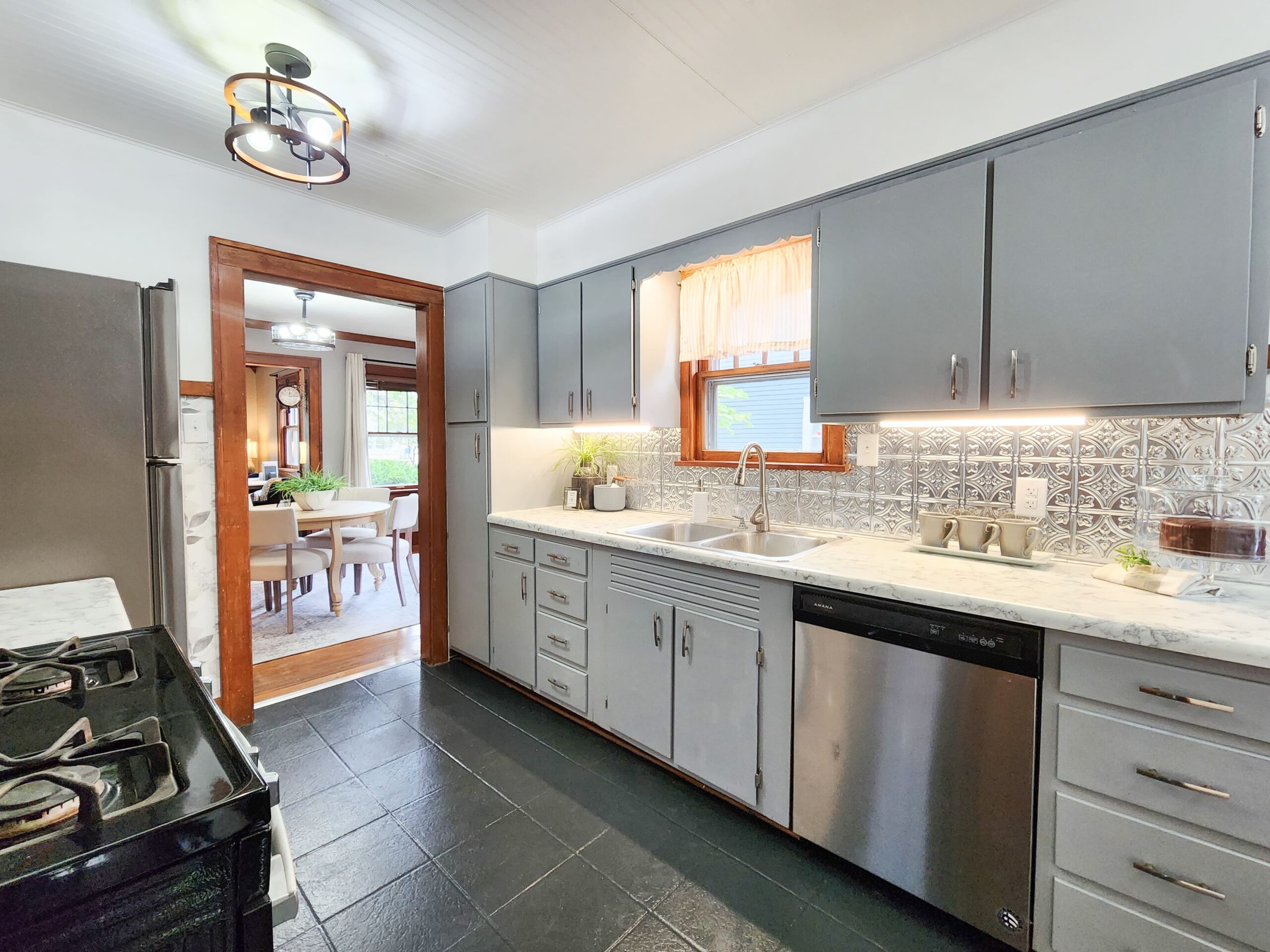
 When we walk through your occupied Ankeny home for the first time, we’re not bringing anything in with us. Our visit starts by deciding what leaves the rooms instead. Staging a home you still live in starts with editing rather than adding, because most rooms photograph larger and feel calmer the moment a meaningful share of their contents leaves the frame. Here at Sell It Well Home Staging in Boone, IA, the question of whether occupied staging is worth what you spend on it is mostly a question about how much room you have to gain by taking things out before putting anything new in.
The First Walkthrough Is Mostly Listening
Before touching anything in the home, we walk through every room with you and listen carefully. We ask what you use each room for now and what you’ve already moved or stored ahead of the listing date. Half of what you tell us in that walkthrough decides what comes out of the home and what stays in place. Another portion tells us where the room photographs best and where a buyer’s first read of the space will happen, which is rarely the same spot you’ve arranged the furniture around for daily living.
Editing Is the Highest-Leverage Move We Make
Editing carries more weight than any other move in occupied staging because most rooms are holding more than the listing photos can absorb cleanly. Side tables collect items the way kitchen counters do over months and years of use. Bookshelves hold more books than buyers can scan past in a thirty-second walkthrough. Sectionals oversized for the room shrink the visible floor plan in every direction. Removing and storing what’s making the room read smaller is the move that gets you back the square footage the floor plan promised. Your lived-in room becomes a room a buyer can picture themselves living in.
The Kitchen Counter Decides Most Listing Photos
A kitchen counter is the most-photographed surface in any home and one of the most cluttered surfaces in daily use. Buyers read counter clutter as lost storage and lost workable counter space, even when the cabinets behind it are deep and well-organized. Our first move in the kitchen is clearing the counter down to one intentional grouping per zone of use. The coffee station gets one tray with the coffeemaker and a small ceramic canister beside it. Cooking essentials stay within reach but are limited to a single tray near the range. Everything else goes into the cabinet, the pantry, or a storage box headed off-site.
Rearranging Your Own Pieces Carries Most Rooms
Most occupied homes come with furniture that’s perfectly capable of staging the home well, just arranged for daily living instead of for sale. Repositioning the furniture you already own is the next step before any new pieces get ordered. The reading chair gets pulled off the wall and angled toward the conversation. Your bed gets centered between the windows rather than tucked against the side wall. That long console behind the sofa moves to the entry wall, where it does more work in the listing photos than it ever did in the living room. Most rooms only need that kind of repositioning to read the way the floor plan was drawn.
Additions Fill the Gaps After the Edit and the Move
Once the editing and rearrangement are done, the gaps left behind tell us what to bring in. A 9-by-12 rug goes under the dining table to anchor the room visually. Side-table lamps add layered light at sitting height where the room needs it. Larger art gets hung over the sofa, sized to the wall behind it rather than to whatever the seller already owns from a previous home. Additions go in specifically where your own furniture can’t carry the room any further, and they come back out at close.
Your Job Between the Stage and the Close Is the Reset
Holding the home staged across showings is the hardest part of the work for sellers. We leave a short guide on day one covering where daily items go before a showing, which closets we’d rather you not fill back up, and how to reset the kitchen counter in under 5 minutes. Staging that holds across 20 showings is what protects the work we did at the start. Sellers who treat the reset as a routine close faster and at higher numbers than sellers who let the home drift back into full daily-living mode. Book a consult with Sell It Well Home Staging at (515) 238-3795 for a pre-listing walkthrough of your Ankeny home.